

Hemp Oil vs. CBD Oil for Dogs: They Are Not the Same Thing
Why It Matters for Your Dog's Health
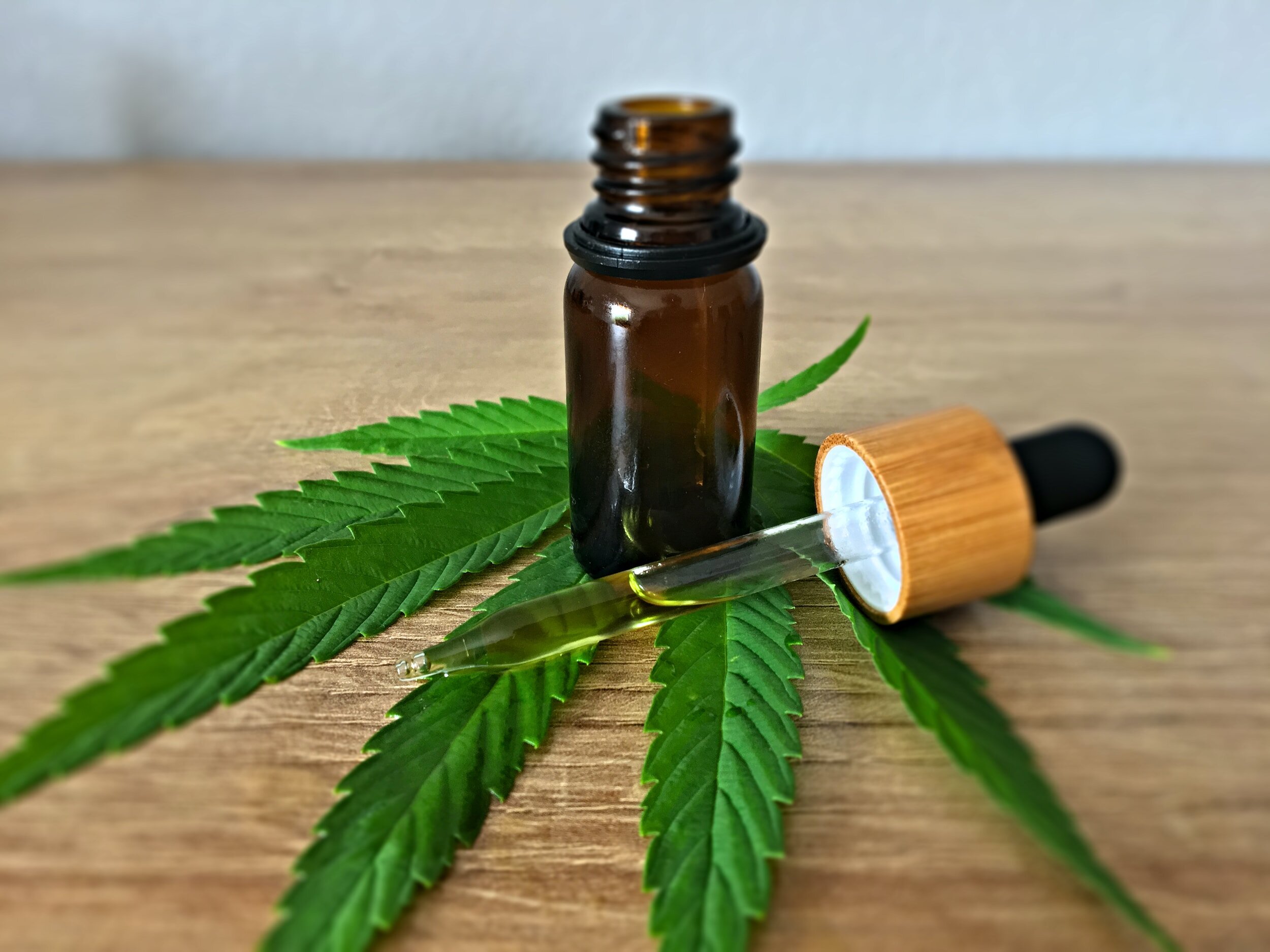
In holistic pet care, the words hemp, hemp oil, hempseed oil, and CBD oil are often tossed around as though they all mean the same thing.
They do not.
That confusion can leave a dog mom buying a bottle of hempseed oil, expecting the calming, mobility, neurological, or discomfort support associated with CBD—and then wondering why absolutely nothing happens.
The label may have a hemp leaf on it, but sometimes the hemp leaf is doing most of the work.
See your vet for a diagnosis and then you and I can collaborate on a custom strategy for your dog's health.
Hemp Is the Plant—Not One Specific Oil
Hemp is a legally defined form of Cannabis sativa containing no more than 0.3% delta-9 THC by dry weight.
The plant can be used to produce food, fiber, textiles, building materials, hempseed oil, and cannabinoid-rich extracts. That does not mean every product labeled hemp contains CBD.
The distinction pet parents usually need to understand is the difference between hempseed oil and hemp extract containing CBD.
Hempseed Oil
Hempseed oil is pressed from the seeds of the hemp plant. It provides fatty acids and other nutritional compounds, but it naturally contains little to no CBD, THC, CBG, CBC, or other cannabinoids.
It may have value as a nutritional oil when it fits the individual dog’s diet, but it should not be expected to provide the same type of support as a cannabinoid-rich CBD product.
Like other delicate oils, hempseed oil can oxidize when repeatedly exposed to heat, air, and light. It should be stored according to the manufacturer’s instructions and used while fresh.
CBD Oil or Full-Spectrum Hemp Extract
CBD oil is made using cannabinoid-rich portions of the hemp plant rather than the seeds alone.
Depending on how it is extracted and refined, the finished extract may contain:
CBD and CBDA
CBG
CBC
Legally permitted trace amounts of THC
Terpenes
Flavonoids
Other naturally occurring plant compounds
The concentrated extract is then usually blended into a carrier oil such as MCT oil, coconut oil, or hempseed oil.
That final point creates even more label confusion. A legitimate CBD product may contain hempseed oil as its carrier, but the CBD itself did not come from the hemp seeds.
Why Pet Parents Sometimes Think CBD Did Nothing
When someone tells me CBD did not help their dog, I want to see the actual bottle.
Was it hempseed oil or a cannabinoid-rich hemp extract?
Did the label state how many milligrams of CBD were in the entire bottle?
Did it tell you how many milligrams were present in each milliliter?
Was the product full spectrum, broad spectrum, or isolate?
Was there a current Certificate of Analysis matching the product’s batch number?
Was it given consistently?
Was the administration method appropriate?
Was the pet parent expecting CBD to resolve a problem that had never been properly diagnosed?
There is an enormous difference between a clearly labeled, concentrated full-spectrum product and a vague bottle of “hemp oil” purchased because the packaging looked natural.
Even a good product can disappoint when the concentration, amount, timing, administration, expectations, or reason for using it are wrong.
Read more about why CBD may not work for your dog.
How CBD Works in the Dog’s Body
CBD interacts with the endocannabinoid system, commonly shortened to ECS.
The ECS is a body-wide communication network involved in maintaining balance across functions that include:
Discomfort perception
Movement
Mood and stress response
Sleep
Appetite
Digestion
Immune communication
Inflammatory signaling
Neurological function
CBD does not simply “switch off” one symptom. Its effects can vary because the ECS interacts with many systems—and because the reason one dog is uncomfortable, restless, itchy, or fearful may be completely different from the reason another dog shows the same outward sign.
What CBD May Support in Dogs
Research involving CBD in dogs is still developing. Some of the most encouraging clinical research involves osteoarthritis discomfort and mobility.
Researchers have also explored CBD or cannabinoid-rich hemp extracts in relation to seizures, itching, stress-related behavior, safety, and long-term use.
Pet parents commonly consider CBD as one part of a broader plan for:
Joint comfort and mobility
Occasional stress or situational fear
Healthy inflammatory balance
Neurological support
Skin comfort
Senior-dog wellness
Appetite and general comfort
Rest and quality of life
Immune and cellular support
That does not mean CBD has been proven to cure arthritis, epilepsy, cancer, Cushing’s disease, allergies, autoimmune disease, anxiety, or neurological disorders.
It means CBD may be considered a supportive tool while the underlying condition is properly diagnosed and addressed.
For example, a painful dog may appear anxious, restless, reactive, unwilling to settle, or unable to sleep. Giving a calming product without recognizing the pain leaves the real problem sitting there—probably glaring at everyone.
CBD should not become another bottle used to cover up a symptom no one has investigated.
Full Spectrum, Broad Spectrum, and CBD Isolate
The CBD spectrum tells you how much of the hemp plant’s original constituent profile remains in the finished product.
Full-Spectrum Hemp Extract
Full-spectrum hemp extract retains CBD along with minor cannabinoids, terpenes, flavonoids, and legally permitted trace amounts of THC.
CBD Dog Health uses full-spectrum hemp extract as the foundation of its CBD oils because the retained plant compounds may work together rather than relying on CBD alone.
A full-spectrum product may contain:
CBD
CBDA
CBG
CBC
Trace THC
Terpenes
Flavonoids
Other naturally occurring hemp constituents
Full spectrum does not mean the product is intended to intoxicate your dog. CBD itself is not intoxicating.
However, dogs can be sensitive to THC, and more is not automatically better. Product concentration, amount used, individual tolerance, and accidental access to human cannabis products all need to be taken seriously.
Human marijuana products, edibles, oils, and baked goods are not interchangeable with properly formulated hemp-derived pet products. They may contain far more THC and may also include chocolate, xylitol, raisins, or other ingredients that are dangerous for dogs.
Learn more about full-spectrum hemp extract from CBD Dog Health.
Broad-Spectrum Hemp Extract
Broad-spectrum products retain CBD and some additional hemp compounds but are processed to remove THC.
Broad spectrum may be considered when avoiding detectable THC is especially important. However, additional processing may remove or reduce some of the plant’s naturally occurring constituents.
The words broad spectrum do not tell you exactly what remains in the bottle. The Certificate of Analysis should.
CBD Isolate
CBD isolate is purified cannabidiol with the other cannabinoids, terpenes, and most plant compounds removed.
It may be appropriate when a strictly CBD-only product is desired. However, it does not provide the wider constituent profile found in a full-spectrum extract.
Isolate is not automatically bad. It is simply different.
The problem comes when isolate and full-spectrum products are discussed as though they offer the same plant chemistry. They do not.
What Is the Entourage Effect?
The entourage effect describes the proposed way cannabinoids, terpenes, flavonoids, and other plant compounds may influence one another when they remain together.
CBD is only one constituent of hemp.
Minor cannabinoids such as CBG and CBC are being studied for possible roles involving inflammatory signaling, neurological function, digestion, discomfort perception, and immune communication. Terpenes and flavonoids may also contribute biological activity.
The theory is that the broader plant profile may provide a different—and potentially more comprehensive—effect than isolated CBD alone.
This does not prove that every full-spectrum product will work better for every dog. The quality of the extract, the actual cannabinoid profile, the concentration, and the dog’s individual response still count.
“Full spectrum” printed across the front of a bottle is not enough. We still have to turn the bottle around and do the homework.
Read CBD Dog Health’s guide to cannabis and CBD terminology.
How to Evaluate a CBD Product for Your Dog
The front label is marketing. The ingredient panel and laboratory report tell you what you are actually buying.
Look for:
A clearly stated number of CBD milligrams
The amount of CBD per milliliter or serving
Full-spectrum hemp extract listed on the label
A current, batch-specific Certificate of Analysis
Cannabinoid potency testing
Testing for pesticides
Testing for heavy metals
Testing for residual solvents
Microbial and mycotoxin screening
Traceable hemp sourcing
Simple carrier oils
Clear storage instructions
An expiration or best-by date
No xylitol or artificial sweeteners
No unnecessary dyes, flavors, or fillers
Knowledgeable customer support
A Certificate of Analysis, or COA, should confirm whether the amount of CBD in the bottle matches the label. It should also show the detected levels of THC and other cannabinoids and provide available contaminant-testing results.
Do not accept “lab tested” as the entire answer. Ask to see the report.
CBD Dog Health provides access to Certificates of Analysis and uses full-spectrum hemp extract in its product line. That transparency is one reason I use its educational material when helping pet parents understand how to evaluate CBD.
Review CBD Dog Health products I use and recommend.
CBD and Joint Discomfort
Joint discomfort is one of the most common reasons pet parents explore CBD.
CBD may fit into a larger mobility plan for a dog experiencing:
Stiffness after resting
Difficulty rising
Reluctance to use stairs
Reduced interest in walking
Difficulty getting into the car
Restlessness at night
Muscle tension
Changes in posture or movement
Reduced quality of life
But CBD should not be asked to carry the entire plan.
The dog may also need weight management, better food, omega-3 fatty acids, muscle support, appropriate movement, physical rehabilitation, PEMF, laser therapy, massage, acupuncture, chiropractic care, or veterinary pain control.
A limping dog also needs a diagnosis. Arthritis, ligament injury, spinal disease, muscle injury, fractures, cancer, and neurological problems are not the same condition simply because the dog is moving poorly.
Continue reading:
Gabapentin for Dogs: Side Effects, Concerns, and Natural Alternatives
Chronic Inflammation in Dogs: Symptoms, Causes, and Natural Support
CBD for Stress and Anxiety
CBD may support some dogs experiencing situational stress, fear, nervous-system over-arousal, or difficulty settling.
But anxiety is a description—not always the root cause.
A dog who appears anxious may actually be dealing with:
Pain
Digestive discomfort
Nausea
Chronic itching
Cognitive decline
Declining vision or hearing
Medication effects
Hormonal or thyroid changes
Neurological disease
Trauma
Chronic cortisol elevation
An environment that feels unsafe
Too little rest
Too much stimulation
A lack of appropriate enrichment and movement
CBD may help support the nervous system, but it cannot make an unsuitable environment suitable or resolve untreated pain.
It should also not be judged only by whether the dog becomes sleepy. Sedation and emotional regulation are not necessarily the same thing.
The goal is not always to make the dog lie down. The goal is to help the dog function and feel safer without simply flattening the personality.
For situational concerns, read Remedies for Dog Car Anxiety.
CBD for Dogs With Seizures
CBD has attracted significant interest for seizure support, but this is not an area for random product guessing.
Dogs with seizures need appropriate veterinary diagnostics and monitoring. Seizures may be related to epilepsy, toxins, metabolic disease, blood-sugar changes, liver dysfunction, structural brain disease, medication reactions, infections, or other underlying causes.
CBD may also interact with anticonvulsant medications or affect laboratory values that need monitoring.
Never abruptly stop a seizure medication because CBD has been added. Sudden medication withdrawal can increase seizure risk.
CBD is one possible piece of a much wider neurological strategy involving diagnosis, medication review, food, bloodwork, liver support, toxin reduction, sleep, stress, and seizure tracking.
Read Supporting Dogs With Seizures.
CBD for Skin and Itching
CBD may be considered for skin comfort and healthy inflammatory signaling, but itching has many possible causes.
These include:
Fleas and other parasites
Environmental allergies
Food intolerance
Yeast
Bacterial infection
Contact irritation
Dry skin
Hormonal disease
Medication reactions
Gut and microbiome disruption
Immune dysregulation
Using CBD without investigating the cause may provide some comfort, but it does not tell you why the dog is itchy.
Topical CBD products also require label review. Essential oils, herbs, carrier oils, preservatives, and other ingredients need to be appropriate for the individual dog and the area where the product will be applied.
Do not place topical products over infected, deeply broken, or unidentified skin lesions without veterinary guidance.
CBD for Cancer and Serious Disease
CBD is not a cancer treatment.
It may be considered as part of a broader plan supporting comfort, appetite, sleep, stress, mobility, and quality of life. The same applies to serious immune, endocrine, neurological, and chronic inflammatory conditions.
This is where language becomes important.
Supporting a dog with cancer is not the same as claiming CBD treats or cures cancer.
A comprehensive cancer-support plan may include:
Veterinary diagnostics and oncology care
Pain and nausea management
Fresh food
Appropriate protein and calorie intake
Medicinal mushrooms
Herbs
Essential oils
CBD
Microbiome support
Stress and nervous-system support
Bodywork
Quality-of-life tracking
Please do not do everything just because everything exists. The dog does not need to become a mobile supplement cabinet.
Read What Supplements Can I Give My Dog With Cancer?
CBD Can Interact With Medications
CBD is natural, but natural does not mean metabolically invisible.
CBD can affect liver enzymes involved in processing medications. That means it may alter how quickly some drugs are metabolized or contribute to changes in laboratory values.
Discuss CBD with your veterinarian when your dog takes:
Seizure medications
Sedatives
Anxiety medications
Gabapentin
Trazodone
NSAIDs
Steroids
Heart medications
Blood-thinning medications
Chemotherapy drugs
Multiple prescriptions processed through the liver
This does not automatically mean CBD and medications can never be used together.
It means the plan should be intentional.
Depending on the dog’s health and medication history, your veterinarian may recommend baseline and follow-up bloodwork, including monitoring of liver values.
Possible unwanted responses may include:
Excessive sleepiness
Digestive upset
Appetite changes
Drooling
Wobbliness
Disorientation
Changes in activity
Changes in liver-enzyme values
Marked sedation, severe wobbliness, urinary leakage, disorientation, exaggerated reactions to sound or movement, or suspected access to a human cannabis product deserves prompt veterinary attention.
The Individual Dog Changes the CBD Plan
Two dogs with the same diagnosis may not need the same strategy.
Before deciding whether CBD belongs in the plan, consider:
The dog’s age
Breed and size
Diagnosis
Duration of symptoms
Frequency and severity
Weight and muscle condition
Diet history
Appetite and nausea
Stool and microbiome history
Liver and kidney function
Current medications
Current supplements
Previous reactions
Neurological history
Stress patterns
Sleep quality
Mobility
Other diagnoses
The actual goal for using CBD
TCVM may help identify patterns such as heat, dampness, stagnation, deficiency, digestive weakness, stress, or inflammation.
Muscle testing may help guide tolerance and direction in sensitive or complicated dogs.
Experience helps recognize patterns, ask better questions, and avoid wasting time on random product guessing.
CBD may be appropriate, but it rarely replaces the need to look at the rest of the dog.
Why You Will Not Find CBD Dosing Here
I do not provide public CBD dosing because I do not know your dog’s diagnosis, weight, medications, organ function, neurological history, sensitivity, diet, product concentration, or what else you may already be giving.
CBD oils vary dramatically in strength.
A full dropper from one bottle may contain several times the CBD found in a full dropper from another bottle. Telling everyone to give “one dropper” is not a dosing strategy.
It is bottle roulette.
A personalized approach should consider:
The actual number of milligrams
The concentration per milliliter
The cannabinoid spectrum
The dog’s reason for using it
The administration method
The timing
Medication interactions
The dog’s response
Whether laboratory monitoring is appropriate
When to Speak With Your Veterinarian
Talk with your veterinarian before using CBD when your dog:
Has seizures
Has liver disease
Has kidney disease
Is pregnant or nursing
Is preparing for surgery
Takes prescription medications
Has unexplained pain
Has sudden behavior changes
Has progressive weakness or neurological signs
Has significant appetite or weight changes
Has a serious or undiagnosed illness
Seek urgent veterinary care after accidental ingestion of human marijuana products, especially when the dog shows marked sedation, wobbliness, urinary leakage, vomiting, agitation, tremors, abnormal heart rate, or difficulty remaining conscious.
Bring the package with you. Your vet needs to know what was eaten, including the THC concentration and any additional ingredients.
Choosing CBD With More Confidence
CBD can be a useful tool, but the words hemp and CBD should never be treated as interchangeable.
Hempseed oil is a nutritional oil. It does not provide the cannabinoid profile of CBD oil.
CBD isolate provides purified CBD but lacks the wider plant profile.
Broad-spectrum products retain some hemp constituents while removing THC.
Full-spectrum hemp extract retains CBD along with minor cannabinoids, terpenes, flavonoids, and legally permitted trace THC.
Then we still have to consider quality, testing, concentration, medications, diagnosis, administration, and the individual dog.
That is why I do not choose CBD from the prettiest label or the loudest promise. I look at what is actually in the bottle—and whether it makes sense for the dog standing in front of me.
Related Content
For help deciding whether CBD belongs in your dog’s wider nutrition and wellness plan, complete the consultation questionnaire.
FDA Disclaimer: These statements have not been evaluated by the Food and Drug Administration. CBD products are not approved by the FDA to diagnose, treat, cure, or prevent disease in animals. This information is educational and is not a substitute for veterinary diagnosis, prescribed treatment, or emergency care.
Affiliate Disclosure: This article may contain affiliate links. I may receive a commission when you purchase through one of my links, at no additional cost to you. I recommend products and companies based on my education, experience, ingredient review, and their potential fit within an individual dog’s broader wellness strategy.
When DIY Isn't Enough Already tried the basics? If this is happening with your dog and you're still stuck, I can help you figure out what deserves attention next.
Request a Discovery Callback →