

Can Dogs Eat Turnips?
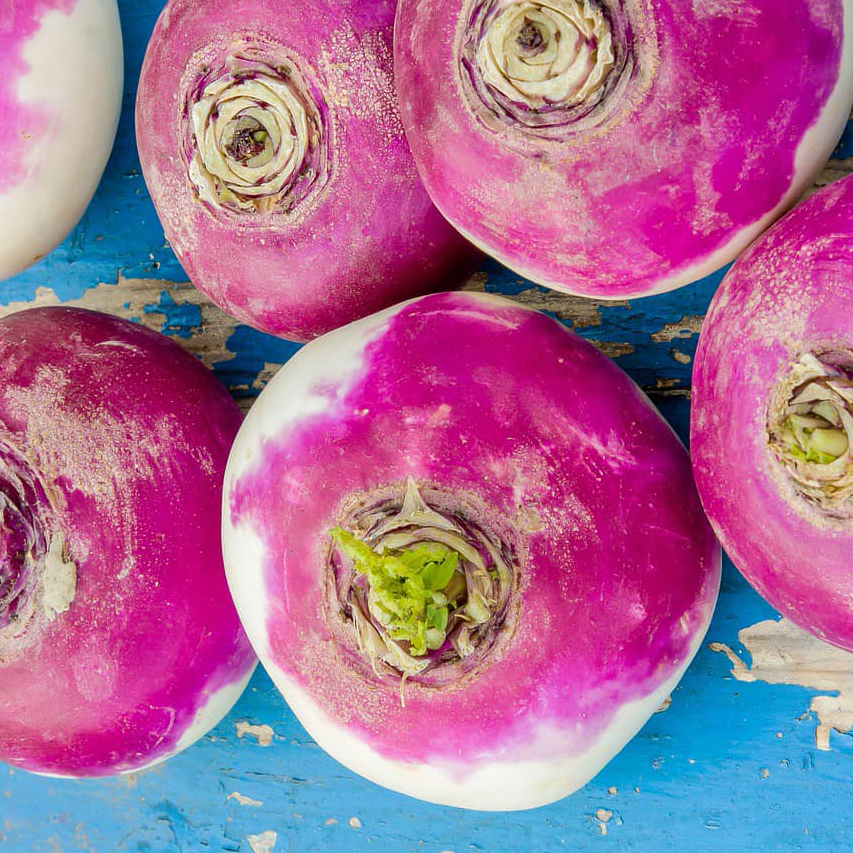
Yes, Your Dog Can Eat Turnips
Yes — Most Dogs Can Eat Turnips
If you landed here holding a turnip and wondering whether you can share it with your dog, the short answer is yes.
Most healthy dogs can eat small amounts of plain turnip, raw or cooked. I generally prefer it lightly cooked, chopped, mashed or pureed because that makes it easier for many dogs to digest.
But I actually think there is a more useful question:
Why are you thinking about giving your dog turnips in the first place?
Because if you're trying to improve your dog's diet, add fresh food, feed more variety or build a homemade diet, that is the conversation worth having.
What brought you here?
I'm just looking for healthy vegetables my dog can eat.
→ See my guide to adding fresh vegetables to your dog's food
I feed kibble and want to make the bowl healthier.
→ Start with these easy fresh-food upgrades
I feed homemade food or want to start.
→ Learn how to balance your dog's food
I keep feeding the same foods over and over.
Keep reading, because this is where turnips may actually be useful: rotation and variety.
Why Would I Feed My Dog Turnips?
Turnips are not a superfood your dog desperately needs.
They are simply another whole food you can put into the rotation.
They provide fiber, moisture and plant nutrients while being relatively low in calories and fat. That can make them a useful vegetable for healthy dogs who tolerate them well.
But one reason I like talking about a vegetable as ordinary as a turnip is because pet parents tend to get into food ruts.
Chicken. Carrots. Green beans.
Chicken. Carrots. Green beans.
Tuesday comes around and, surprise, chicken, carrots and green beans.
There is nothing inherently wrong with those foods. The problem is feeding the same tiny handful of ingredients year after year when we have so many appropriate whole foods available.
Variety Matters More Than Turnips
I'm a big believer in food rotation for healthy dogs.
Different vegetables provide different fibers, phytonutrients, antioxidants and micronutrients. Different proteins bring different amino-acid, mineral and fatty-acid profiles.
That doesn't mean your dog's bowl should contain seventeen vegetables tonight.
It means I don't want us unnecessarily stuck feeding the exact same ingredients every single day.
Depending on your individual dog, a vegetable rotation might include foods such as:
Turnips
Broccoli
Cabbage
Cauliflower
Zucchini
Cucumber
Green beans
Carrots
Pumpkin
Squash
Bell pepper
Leafy greens
Brussels sprouts
Radish
There are many more.
And no, I'm not writing a 1,500-word article about every vegetable on that list. We would both die of old age before I reached zucchini.
I've put the bigger vegetable conversation here instead:
Vegetables for Dogs: How to Add Fresh Vegetables and Create More Variety
Raw or Cooked Turnips for Dogs?
Dogs can eat either, but I usually prefer lightly cooked turnips.
You can:
Steam them
Lightly boil them
Mash them
Puree them
Finely chop them into a fresh-food mixture
Raw turnip can also be offered in small pieces if your dog handles raw vegetables well.
If you can recognize Wednesday's carrot perfectly in Thursday's poop, however, your dog probably didn't get much nutritional benefit from it.
Processing plant material by chopping, pureeing or lightly cooking can make it easier for dogs to use.
Keep It Plain
Your dog does not need Grandma's Thanksgiving turnip casserole.
Skip the:
Onion
Heavy salt
Butter sauces
Cream
Gravy
Sugary glazes
Highly seasoned leftovers
We're talking about the turnip, not everything humans have figured out how to pour over it.
How Much Turnip Can My Dog Eat?
There isn't one magical serving size that fits every dog.
If turnips are new, start with a small amount and see how your dog responds.
Too much fibrous plant material introduced too quickly can cause:
Gas
Loose stool
Increased stool volume
Belly discomfort
Food refusal in particularly opinionated dogs
Think of turnips as one ingredient or topper, not the foundation of the meal.
If fresh additions are becoming a significant percentage of the diet, then we need to stop thinking in terms of random toppers and start looking at whether the whole diet makes nutritional sense.
Read: How to Balance Homemade Dog Food
What About Turnips and Thyroid Disease?
Turnips are members of the cruciferous vegetable family.
Cruciferous vegetables contain naturally occurring compounds often described as goitrogens because very large or excessive amounts may interfere with thyroid hormone production.
That does not mean every dog with hypothyroidism must forever flee from a piece of cooked turnip.
Amount, frequency, preparation, the rest of the diet and the individual dog's thyroid status all matter.
If your dog has diagnosed thyroid disease and you're intentionally using large amounts of cruciferous vegetables, that is worth discussing as part of the complete diet rather than blaming one bite of broccoli or turnip.
What About Dogs With Kidney, Urinary or Other Medical Problems?
This is where generic food lists become much less useful.
Once a dog has kidney disease, urinary stones, significant GI disease or another condition requiring therapeutic nutrition, I'm no longer asking simply:
“Is this vegetable safe?”
I'm asking:
“Does it fit what we're trying to accomplish with this dog's entire diet?”
We may need to consider mineral intake, calories, hydration, protein, fat, fiber, current bloodwork, medications and everything else going into the bowl.
A perfectly wholesome food can still be the wrong choice for a particular dog.
That's why I don't want pet parents building a therapeutic diet one Google search at a time.
Dana's Take: Don't Build a Diet One Vegetable at a Time
If you searched can dogs eat turnips, you probably wanted a yes or no.
Yes. They usually can.
But I hope you leave this page thinking about something bigger.
Your dog doesn't need the same three foods forever.
A healthy fresh-food diet can include wonderful variety. Rotate proteins. Rotate vegetables. Rotate appropriate whole foods. Let different foods bring different things to the bowl.
At the same time, variety does not replace nutritional balance.
Feeding twelve different vegetables will not correct a homemade diet that consistently lacks calcium, iodine, essential fatty acids or another required nutrient.
Variety broadens the diet.
Balance gives it a foundation.
Those are two different jobs.
Want to Feed More Variety? Start Here
Rather than making you Google every vegetable individually, I've put the bigger picture together for you.
🥦 I Want More Vegetables and Variety
See Vegetables You Can Add to Your Dog's Food →
🥩 I Want to Improve My Dog's Current Food
See Easy Ways to Upgrade the Food Bowl →
🍲 I'm Making Homemade Food
Learn How to Balance Your Dog's Food →
📚 I Want to Learn How to Build Homemade Meals
Explore the Homemade Dog Food Class →
If your dog has health issues and you're trying to figure out which foods actually fit your dog, that's where individualized nutrition support becomes much more useful than another list of foods from Google.
Come, Sit and Stay Well.
When DIY Isn't Enough Already tried the basics? If this is happening with your dog and you're still stuck, I can help you figure out what deserves attention next. Want reliable education, live Q&A, and member resources? Explore Membership →
Request a Discovery Callback →