

Add Fresh Vegetables To Your Dog's Food
Which Vegetables Can Dogs Eat?
Turnips? Yes. Zucchini? Yes. Cabbage? Yes. Broccoli, carrots, squash, cucumbers, green beans and plenty of others? Yes.
There are a lot more dog-friendly vegetables than carrots and green beans, and that's actually one of the reasons I wanted to create this page.
Many pet parents who add fresh food fall into another kind of food rut: they find two or three foods their dog likes and feed those same foods over and over and over.
I would rather see variety and rotation.
So if you arrived here because you are standing in the kitchen holding a turnip, cabbage, zucchini or some other vegetable and wondering, "Can my dog eat this?", use the quick guide below.
Before We Talk About Individual Vegetables...
This page answers which vegetables dogs can eat. I already have separate resources that go deeper into how to prepare them and why different colors bring different benefits.
Raw, chopped, pureed, steamed or blanched? Preparation can affect how well your dog can actually use plant foods.
How to Add Fresh VegetablesGreen, red, orange and purple foods bring different phytonutrients to the bowl. This is another reason I encourage variety.
See Vegetables by ColorRotation is not just about avoiding boredom. Different foods bring different nutrients, fibers and plant compounds.
Why I Rotate My Dog's FoodVariety is important, but variety does not automatically make a recipe nutritionally complete.
How to Balance Your Dog's FoodI don't need every vegetable to be declared a "superfood."
I care much more about the variety in the bowl over time.
Broccoli brings something different than pumpkin. Purple cabbage brings something different than zucchini. Leafy greens are different from root vegetables.
That doesn't mean your dog's dinner needs to look like the produce department exploded into it.
It means I don't want chicken, carrots and green beans to become the only three fresh foods your dog eats for the next six years.
Why I Want More Variety in Your Dog's Bowl
Different vegetables provide different combinations of fiber, vitamins, minerals, carotenoids, polyphenols and other naturally occurring plant compounds.
Different fibers can also interact differently with the gut microbiome. That is another reason I don't particularly love feeding the exact same plant ingredients every day forever.
Rotation Does Not Mean Feeding Everything at Once
You might use broccoli and zucchini this week, cabbage and carrots next week, then rotate pumpkin, greens, cucumber or another seasonal vegetable into the mix.
You can also rotate according to what is fresh, affordable and already in your refrigerator.
Food doesn't have to be complicated to have variety.
If you want to understand the benefits of choosing vegetables from different color groups, read: Adding Vegetables to Your Dog's Food by Color Benefit →
Can My Dog Eat This Vegetable?
Click the vegetable you're wondering about.
These are intentionally quick answers. If a food needs a much deeper discussion, I'll send you to the full article rather than making you read War and Peace: The Zucchini Edition.
Can dogs eat asparagus?
Yes. Plain asparagus can be fed to dogs, although the tough raw stalk can be difficult to chew and digest. I prefer it chopped and lightly cooked.
Can dogs eat beets?
Yes. Plain cooked beets can be included in small amounts and bring another deeply colored plant food into the rotation.
If your dog has a medical condition where oxalates or specific minerals are being managed, the answer may need to be more individualized.
Can dogs eat broccoli?
Yes. Broccoli is one of the cruciferous vegetables I commonly use. It provides fiber and a variety of naturally occurring plant compounds.
How you prepare broccoli can also affect compounds such as sulforaphane, so I have more information on preparation in my vegetable guide.
Can dogs eat Brussels sprouts?
Yes. Brussels sprouts are another cruciferous vegetable and can be chopped and lightly cooked.
Introduce them gradually because too much can create enough gas to make everyone in the room reconsider your nutritional choices.
Can dogs eat cabbage?
Yes. Dogs can eat green, red and purple cabbage.
I generally chop or lightly process cabbage and use it as one of many vegetables in rotation rather than making large amounts of cabbage a permanent daily ingredient.
Purple cabbage is also an easy way to bring another color group into the bowl.
Can dogs eat carrots?
Yes. Carrots can be used as an appropriately sized crunchy snack or grated, chopped, pureed or lightly cooked as part of the meal.
They're useful. They just don't have to become your dog's one and only vegetable for life.
Can dogs eat cauliflower?
Yes. Plain cauliflower is another cruciferous vegetable that can be chopped and lightly cooked.
As with broccoli and Brussels sprouts, introduce it gradually if your dog is not accustomed to fibrous vegetables.
Can dogs eat celery?
Yes. Celery can be fed plain and chopped into appropriately sized pieces.
I prefer cutting the stringy stalk into small pieces rather than handing a large stalk to a dog who considers chewing an optional part of eating.
Can dogs eat collard greens?
Yes. Collard greens can be used in moderate amounts as part of a rotating mixture of leafy greens and other vegetables.
I generally chop and lightly cook or process tougher greens rather than feeding large intact leaves.
Can dogs eat cucumbers?
Yes. Cucumber is a simple fresh-food option with plenty of moisture and relatively few calories.
Serve it plain and cut it into an appropriate size for your dog.
Can dogs eat garlic?
Garlic deserves more nuance than a generic "never feed garlic" list.
I do use fresh garlic with dogs when it is appropriate for the individual dog.
I use appropriately portioned fresh garlic as a whole-food addition and seasonally as part of my natural flea and tick approach. Garlic contains sulfur-containing plant compounds that are also of interest for antioxidant, immune and normal inflammatory-response support.
That does not mean unlimited garlic is appropriate for every dog. Form, amount, frequency, medications and the individual dog still matter.
This subject deserves more than a two-sentence internet warning, so I wrote a separate article about it.
Can dogs eat green beans?
Yes. Fresh, frozen or plainly cooked green beans can all be used.
If you're using canned green beans, watch the sodium and skip recipes made with onion, creamy sauces or other unnecessary additions.
Can dogs eat kale?
Yes. Kale can be part of the vegetable rotation for many healthy dogs.
It is another cruciferous vegetable, so I generally rotate it with other greens rather than deciding every dog needs a mountain of kale every day.
Can dogs eat lettuce?
Yes. Plain lettuce is generally fine for dogs and contributes moisture and some plant variety.
Darker leafy varieties generally bring more nutritional interest than iceberg lettuce.
Can dogs eat mushrooms?
Known edible culinary mushrooms can be used as food.
Wild mushrooms are a different conversation. Do not assume an unidentified mushroom growing in the yard is safe simply because some culinary mushrooms can be fed to dogs.
Can dogs eat parsnips?
Yes. Parsnips can be chopped and cooked and used as another root vegetable in the rotation.
They are starchier than foods such as leafy greens, cucumber or zucchini, so I look at how they fit into the rest of the meal rather than treating every vegetable as nutritionally identical.
Can dogs eat peas?
Yes, dogs can eat peas. But peas are already heavily used in many commercial foods, particularly grain-free formulas where legumes may contribute a meaningful amount of starch and plant protein.
If peas are already prominent on your dog's ingredient panel, I would usually choose a different fresh vegetable for the sake of variety rather than adding even more peas.
Can dogs eat bell peppers?
Yes. Sweet bell peppers can be fed plain, raw or lightly cooked.
Red, yellow and orange peppers are also an easy way to bring more color into the food rotation.
Can dogs eat pumpkin?
Yes. Plain cooked pumpkin or plain canned pumpkin can be a useful food addition and source of fiber.
Make sure you're buying plain pumpkin, not pumpkin pie filling loaded with sugar and spices.
Can dogs eat radishes?
Yes. Dogs can eat radishes in small amounts.
Chop them into appropriately sized pieces. Your dog may also take one bite and file an official complaint. Radishes are not exactly universally beloved.
Can dogs eat spinach?
Many healthy dogs can have spinach in modest amounts as one leafy green in a larger rotation.
I would not make it a major daily ingredient, particularly when we're already managing urinary, kidney or mineral-related issues.
Can dogs eat squash?
Yes. Dogs can eat several common squashes, including zucchini, yellow squash, pumpkin and cooked winter squashes such as butternut.
Hard winter squashes should be cooked before feeding.
Can dogs eat sweet potatoes?
Yes. Plain cooked sweet potato can be included in a dog's food.
It is more calorie- and carbohydrate-dense than vegetables such as leafy greens, cucumber or zucchini, so I consider the whole diet when deciding how much to use.
Can dogs eat turnips?
Yes. Most healthy dogs can eat turnips in moderate amounts.
Turnips can be chopped, mashed, pureed or lightly cooked and used as another root vegetable in the rotation.
Apparently this is a question a surprising number of dog parents ask, so turnips have earned their own article.
Can dogs eat white potatoes?
Plain, fully cooked potato can be eaten by dogs, but I don't treat white potatoes the same way I treat a low-starch vegetable such as zucchini or broccoli.
Potatoes are a significant starch source and are already common in many commercial foods.
I do not feed raw, green or sprouted potatoes.
Can dogs eat zucchini?
Yes. Zucchini is one of the easiest vegetables to rotate into a dog's diet.
It can be grated, finely chopped, pureed or lightly cooked and is relatively low in calories.
No, zucchini does not need its own 2,000-word article unless Google someday proves otherwise.
Raw, Cooked, Chopped or Pureed?
How you prepare vegetables matters, but I have already written the article that explains that.
It covers chopping, processing, steaming and blanching vegetables, including the extra considerations I use with cruciferous vegetables such as broccoli, cabbage and kale.
Read my preparation guide here:
How to Safely Add Fresh Vegetables to Your Dog's Food →
Then Think About Color
Once you stop thinking in terms of one "best" vegetable, color becomes an easy way to remind yourself to rotate.
Greens, orange vegetables, red foods and purple foods contain different pigments and plant compounds.
I already have an entire article breaking vegetables down by color, so I'm not going to repeat the whole thing here.
See: Adding Vegetables to Your Dog's Food by Color Benefit →
What Does Vegetable Rotation Actually Look Like?
It does not require a spreadsheet.
An Easy Example
This week:
Broccoli + zucchini + a little red bell pepper
Next week:
Cabbage + carrots + cucumber
Another week:
Collard greens + squash + turnip
Another rotation:
Green beans + cauliflower + pumpkin
You do not need to follow those combinations.
The point is simply to stop thinking: "My dog eats carrots, therefore I've checked the vegetable box."
Buy what is seasonal. Use some of what you're already preparing for yourself. Rotate colors and families of vegetables. Notice what your dog enjoys and digests well.
And if you want the bigger discussion about why I rotate foods in general:
Some Foods Need More Than a Yes-or-No Answer
This is where generic internet lists tend to become less helpful.
Garlic
Garlic is a perfect example.
It frequently gets lumped into one blanket warning with every other member of the Allium family.
I use fresh garlic with dogs.
I use appropriately portioned fresh garlic in food and seasonally as part of my natural flea and tick approach. Its sulfur-containing plant compounds are also one of the reasons garlic interests me as a whole-food addition for antioxidant, immune and healthy inflammatory-response support.
That doesn't make garlic an unlimited free-for-all. The amount, frequency, medications, health history and individual dog still matter.
That's exactly why garlic has its own article:
Variety Is Important. Balance Is a Different Job.
This is especially important for people moving toward homemade feeding.
Feeding broccoli, cabbage, turnips, zucchini, pumpkin, carrots and six other beautiful whole foods does not automatically make a homemade diet nutritionally complete.
Homemade diets still need us to think about things such as:
- Protein and amino acids
- Calcium and phosphorus
- Essential fats
- Iodine
- Trace minerals
- Vitamins
- Calories
- The individual dog's needs
Variety broadens the diet.
Balance gives it a nutritional foundation.
I want both.
Thursday's broccoli cannot magically replace calcium that has been missing from the recipe all month.
If your fresh additions are becoming a meaningful part of the bowl, start here:
What If My Dog Has a Health Condition?
Once we're feeding around a diagnosed health problem, a generic "safe vegetables for dogs" list becomes much less useful.
Kidney disease, bladder stones, diabetes, pancreatitis, chronic GI problems, food sensitivities and other conditions can change what I choose, how much I use and how I prepare it.
Then the question isn't only:
"Can dogs eat this?"
It becomes:
"Does this food make sense for THIS dog and what we're trying to accomplish?"
That's a much better question.
Where Should You Go Next?
See how I chop, cook and prepare vegetables so they are actually useful in your dog's food.
Vegetable Preparation GuideLearn how different vegetable colors bring different plant compounds to the bowl.
Vegetables by ColorMake sure variety is sitting on top of a nutritionally sound foundation.
Learn About BalancingFind the nutrition and wellness resources that fit what is happening with your individual dog.
Use the Resource FinderDon't Build Your Dog's Diet One Google Search at a Time
If you arrived asking whether your dog can eat turnips, cabbage, zucchini, parsnips or broccoli, now you have your answer.
But I hope you leave thinking beyond that one vegetable.
Add variety. Rotate foods. Feed color. Prepare plant foods so your dog can use them. And look at the whole bowl rather than chasing one "superfood" after another.
If you're trying to improve your dog's diet because something isn't working—or because you're managing a health problem—I can help you look at the bigger picture.
Find Resources for Your Dog Tell Me About YOUR Dog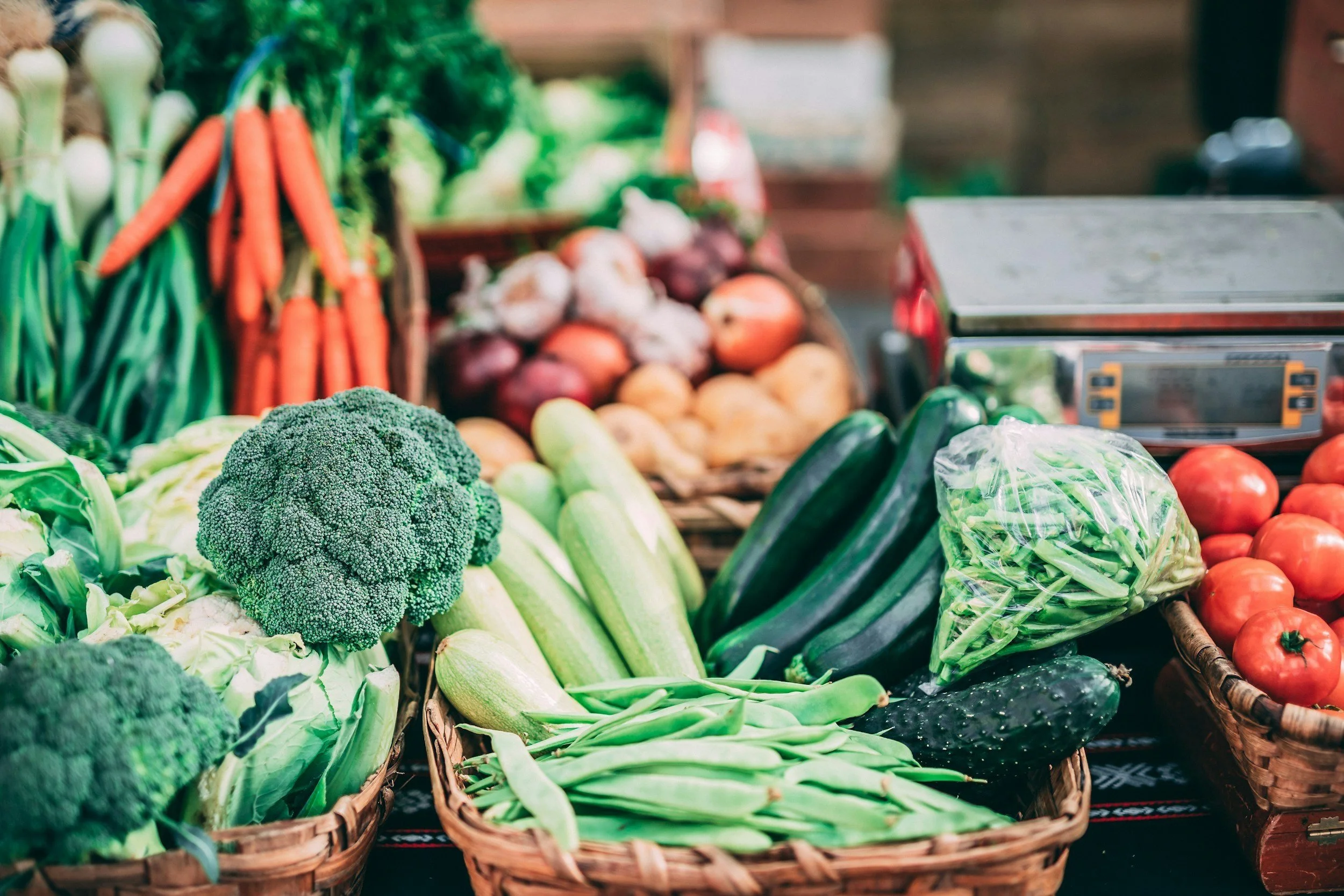
When DIY Isn't Enough Already tried the basics? If this is happening with your dog and you're still stuck, I can help you figure out what deserves attention next. Want reliable education, live Q&A, and member resources? Explore Membership →
Request a Discovery Callback →