

How Herbs May Support Your Dog’s Body Systems
Herbs can support the body in many different ways.
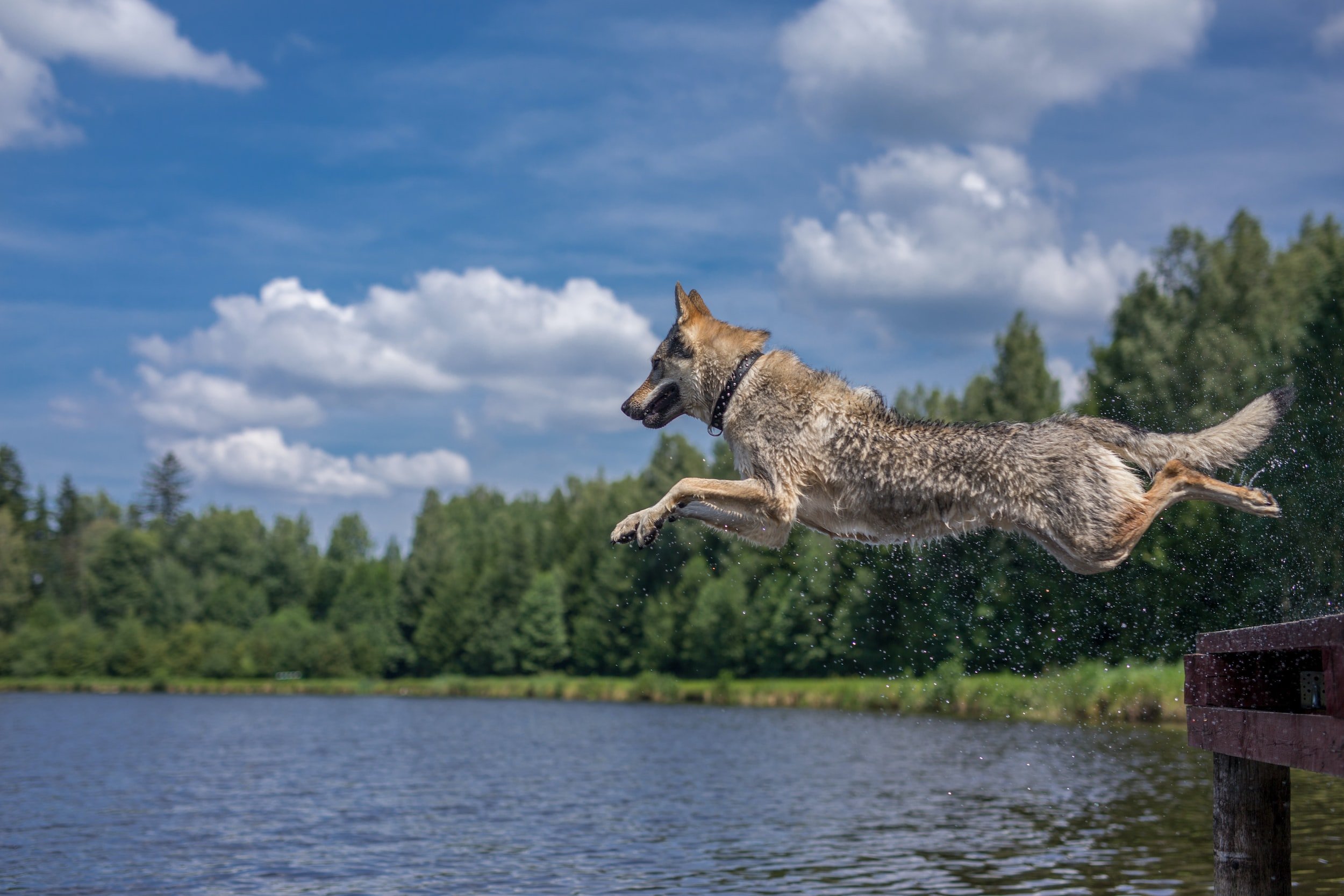
Healthy Herbs For Dogs
One way to support your dog naturally is with the use of Herbal Supplements or fresh herbs added at feeding time to your recipes. Here are a few common herbs for each of the body systems.
Some provide minerals and nutrients. Some soothe irritated tissues. Some support digestion, circulation, liver function, urinary health, mobility, or nervous-system regulation. Others are used more selectively because they have stronger medicinal actions.
But herbs should not be treated like a simple symptom-matching game.
A dog with loose stool does not automatically need the same herb as every other dog with loose stool. A restless dog may be dealing with fear, pain, digestive discomfort, cognitive changes, hormonal imbalance, medication effects, or an overstimulated nervous system.
The same symptom can come from very different causes.
That is why I prefer to look at the whole dog before choosing the herb.
Herbs Do More Than One Thing
Herbs are often placed into categories such as digestive, calming, liver-supportive, or anti-inflammatory. Those categories are helpful, but they can also be misleading when they make an herb sound like it has only one purpose.
A single herb may have several actions.
For example:
Dandelion leaf and dandelion root come from the same plant but are used differently.
Marshmallow root may soothe irritated tissues in more than one body system.
Ginger may influence digestion, circulation, warmth, and nausea.
Nettles may provide minerals while also being considered for skin and seasonal support.
Hawthorn may be associated with circulation and cardiovascular wellness, but that does not make it appropriate for every dog with heart disease.
The plant part, preparation, concentration, and individual dog all matter.
For a better understanding of teas, powders, tinctures, glycerites, and other forms, read Herbal Preparations for Dogs.
Digestive and Intestinal Support
Herbs are commonly used to support appetite, digestion, bowel comfort, nausea, gas, intestinal irritation, and healthy elimination.
Depending on the dog, commonly considered herbs may include:
Marshmallow root
Slippery elm
Ginger
Chamomile
Fennel
Peppermint
Dandelion root
Plantain
Calendula
That does not mean all digestive concerns should be handled with herbs.
Vomiting, diarrhea, constipation, appetite loss, reflux, gas, and abdominal discomfort may be related to:
Food intolerance
Parasites
Infection
Pancreatic dysfunction
Inflammatory bowel disease
Microbiome imbalance
Medication effects
Stress
Liver or kidney disease
A foreign object
Another underlying condition
Soothing herbs may help irritated tissues, but they do not replace figuring out why the irritation is happening.
Read more about Marshmallow Root for Dogs.
Liver and Gallbladder Support
The liver plays a major role in digestion, nutrient processing, hormone metabolism, toxin handling, and medication metabolism.
Herbs commonly associated with liver and gallbladder support include:
Milk thistle
Dandelion root
Artichoke leaf
Schisandra
Burdock root
Yellow dock
Turmeric
Some herbs are used for antioxidant protection. Others may support bile flow, digestion, or normal liver function.
But “liver support” is not a single category.
A dog with mildly elevated liver enzymes, gallbladder disease, medication-related liver stress, poor bile flow, or advanced liver disease may require very different decisions.
Some herbs that encourage bile flow may be inappropriate when there is an obstruction or certain gallbladder concerns.
This is why I do not recommend automatically adding a generic liver-detox blend every time a lab value changes.
Kidney and Urinary Support
Herbs may be considered for urinary comfort, normal fluid movement, bladder support, and irritated urinary tissues.
Examples may include:
Dandelion leaf
Nettles
Marshmallow root
Corn silk
Cleavers
Goldenrod
Plantain
Couch grass
Some of these herbs are soothing. Some are nutritive. Some may influence urination or fluid balance.
That means a dog with urinary irritation, recurring infections, bladder stones, kidney disease, dehydration, or medication affecting fluid balance should not be given the same generic urinary formula.
Frequent urination, straining, blood in the urine, inability to urinate, sudden accidents, or excessive thirst deserve veterinary evaluation.
Herbs may support the plan, but they should not delay testing for infection, stones, kidney changes, diabetes, or obstruction.
Joint, Muscle, and Connective-Tissue Support
Mobility is one of the most common reasons pet parents explore herbs.
Herbs commonly considered for joint comfort and inflammatory balance include:
Turmeric
Boswellia
Ginger
Yucca
Devil’s claw
Willow
Meadowsweet
Alfalfa
Nettles
But a dog’s stiffness may be related to more than inflammation.
Possible causes include:
Osteoarthritis
Muscle loss
Ligament instability
Spinal discomfort
Neurological change
Obesity
Poor footing
Compensatory movement
Nail or paw pain
Another health condition causing weakness
Herbs may be one useful layer, but mobility support may also include:
Weight management
Adequate protein
Omega-3 fatty acids
Appropriate exercise
Massage
PEMF
Red-light or laser therapy
Acupuncture
Strength and mobility work
Pain management
Changes to flooring and home setup
The best plan depends on why the dog is struggling.
Nervous-System and Emotional Support
Herbs are often used for restlessness, over-arousal, difficulty settling, noise sensitivity, stress, sleep changes, and nervous-system support.
Commonly considered herbs may include:
Chamomile
Lemon balm
Passionflower
Skullcap
Valerian
Oatstraw
Ashwagandha
Holy basil
Milky oats
These herbs do not all act the same way.
Some are gentle and nourishing. Some are more sedating. Some may be stimulating for certain dogs. Some may interact with seizure medication, sedatives, thyroid medication, or other prescriptions.
And not every restless dog needs a calming herb.
Behavior changes may be related to:
Pain
Digestive discomfort
Hormonal changes
Hearing or vision loss
Cognitive decline
Medication effects
Seizure activity
Fear or trauma
Lack of sleep
Environmental stress
Overstimulation
A calming herb may help, but it should not become a way to ignore what the behavior is trying to tell us.
Essential oils may also offer another layer of nervous-system support. Read Herbs vs. Essential Oils for Dogs.
Skin and Seasonal Support
Herbs may be used internally or topically to support the skin, coat, seasonal comfort, irritated tissues, and normal immune response.
Commonly considered herbs include:
Nettles
Calendula
Plantain
Burdock
Cleavers
Red clover
Chamomile
Chickweed
Marshmallow root
Dandelion
Topical preparations may include washes, infusions, compresses, salves, infused oils, or poultices.
Internal support may focus on nutrition, digestion, liver function, inflammation, or immune balance.
But itching does not automatically mean allergies.
Possible causes include:
Fleas
Mites
Yeast
Bacterial infection
Environmental exposure
Food intolerance
Skin-barrier damage
Hormonal disease
Immune dysfunction
Contact irritation
The herb should fit the cause and the dog—not simply the symptom.
Read Stinging Nettles for Dogs for a closer look at one commonly used nutritive herb.
Cardiovascular and Circulatory Support
Herbs may be considered as part of a broader plan for circulation, cardiovascular wellness, and healthy aging.
Examples may include:
Hawthorn
Ginger
Ginkgo
Motherwort
Bilberry
Garlic in carefully considered dietary amounts
This is an area where medication interactions matter tremendously.
A dog with a heart murmur, diagnosed heart disease, high or low blood pressure, clotting concerns, or prescribed heart medication should not receive cardiovascular herbs casually.
Natural support should complement appropriate diagnostics and treatment—not compete with it.
Respiratory Support
Herbs may be used to soothe irritated airways, support normal mucus movement, or provide seasonal respiratory comfort.
Examples may include:
Marshmallow root
Mullein
Thyme
Elecampane
Licorice
Plantain
Horehound
The choice depends on whether the cough or irritation is dry, moist, inflamed, infectious, cardiac, allergic, or related to another condition.
A persistent cough, breathing difficulty, blue or pale gums, collapse, or rapidly worsening respiratory symptoms require veterinary care.
A cough is not a diagnosis.
Immune and Lymphatic Support
Herbs and mushrooms are often used in plans intended to support immune resilience, lymphatic movement, recovery, and healthy inflammatory balance.
Commonly considered herbs may include:
Echinacea
Astragalus
Cleavers
Calendula
Burdock
Red clover
Schisandra
Cat’s claw
Immune support does not always mean stimulating the immune system.
That distinction is especially important for dogs with:
Autoimmune disease
Allergies
Chronic inflammation
Cancer
Immunosuppressive medication
Recurrent infections
Post-treatment recovery
Sometimes we are trying to regulate or support the immune response—not simply make it more active.
Senior and Recovery Support
Senior dogs and dogs recovering from illness, surgery, medication, or prolonged stress may benefit from gentle, individualized herbal support.
Depending on the dog, herbs may be considered for:
Appetite
Digestion
Liver support
Mobility
Circulation
Cognitive health
Nervous-system regulation
Immune resilience
Nutritional support
Recovery
But older and medically fragile dogs often take several medications and supplements. That increases the risk of duplication, interaction, digestive upset, or overwhelming the body with too many products.
Read Herbs for Senior Dogs for a deeper look at choosing herbs for an aging dog.
Herbs Are Not Always Gentle
Some herbs are nutritive and food-like.
Others have stronger actions and require more care.
Before using an herb, consider:
The exact plant species
The plant part
The preparation
The concentration
Your dog’s age and weight
Pregnancy or nursing
Liver and kidney function
Seizure history
Blood-sugar concerns
Bleeding or clotting disorders
Upcoming surgery
Current medications
Intended duration
Herbs may influence:
Clotting
Blood pressure
Blood sugar
Sedation
Urination
Digestion
Immune activity
Medication absorption or metabolism
Read Safe Use of Herbs for Dogs before adding a concentrated herbal product.
Quality Matters
A good herb used in the wrong form—or a poor-quality product used for the right reason—can still result in a bad plan.
Look for:
The botanical name
The plant part
Clear ingredient amounts
Transparent sourcing
Batch or lot information
Testing for mold, microbes, pesticides, and heavy metals
The extraction method
Minimal fillers, flavorings, and sweeteners
Be cautious with proprietary blends that do not disclose how much of each ingredient is present.
It is difficult to evaluate a formula when the label hides the actual amounts.
Read Why Herb Quality Matters for Your Dog.
More Herbs Do Not Automatically Create a Better Plan
It is easy to end up with:
A digestive herb
A liver herb
A calming herb
A joint herb
A mushroom blend
A probiotic
CBD
Several essential oils
Prescription medication
A multivitamin
Another product labeled “total body support”
That is not always a layered wellness plan.
Sometimes it is just a very crowded countertop.
Every remedy should have a purpose.
Introduce one new product at a time whenever possible, monitor the dog’s response, and periodically ask whether each product still belongs in the plan.
For more on using several approaches thoughtfully, read Pairing Herbs With Other Holistic Modalities.
Dana’s Thoughts
Herbs can be powerful, gentle, nourishing, soothing, and incredibly useful.
They can also be overused, poorly matched, or added without understanding what the dog actually needs.
I do not choose herbs simply because a chart says one is good for the liver, joints, skin, or nervous system.
I look at:
What is happening
How long it has been happening
What may be driving it
What medications and supplements the dog already receives
Whether food or digestion needs attention first
Whether the dog runs hot, cold, dry, damp, restless, depleted, or inflamed
Whether an herb is the best modality—or simply the first one that came to mind
Sometimes the best choice is an herb.
Sometimes it is an essential oil, homeopathy, nutrition, PEMF, massage, veterinary treatment, or better diagnostics.
The goal is not to use the most natural remedies.
The goal is to choose the right support for the dog standing in front of you.
Learn How to Choose Herbs With More Confidence
A public article can introduce herbs commonly associated with different body systems.
It cannot tell you which herb best fits your dog, which preparation to use, how much to give, how long to use it, what it may interact with, or whether another modality should come first.
That deeper decision-making is what we work on inside the Remedies Class.
You will learn how to:
Understand herbal actions beyond simple symptom lists
Compare herbs with similar uses
Select the appropriate plant part
Choose between powders, teas, decoctions, glycerites, tinctures, oils, salves, and other preparations
Work with practical dosing ranges
Recognize contraindications and medication concerns
Decide whether an herb is appropriate for short-term, seasonal, or longer-term use
Combine herbs thoughtfully
Layer herbs with nutrition, essential oils, homeopathy, mushrooms, and supportive modalities
Avoid redundant and kitchen-sink protocols
Work through real-world examples
Recognize when diagnostics or veterinary treatment should come first
The class is not built around memorizing a list of “this herb for that problem.”
It is designed to help you understand why you are choosing an herb—and whether it belongs in the plan at all.
Ready to move beyond random herbal recommendations and learn how to use remedies more thoughtfully?
Learn More About Membership and the Remedies Class
Educational information only. This article is not intended to diagnose, treat, cure, or prevent disease or replace individualized veterinary care.
When DIY Isn't Enough Already tried the basics? If this is happening with your dog and you're still stuck, I can help you figure out what deserves attention next.
Request a Discovery Callback →