Why Herb Quality Matters for Your Dog
Why Choosing Quality Herbal Brands for Dogs Matters
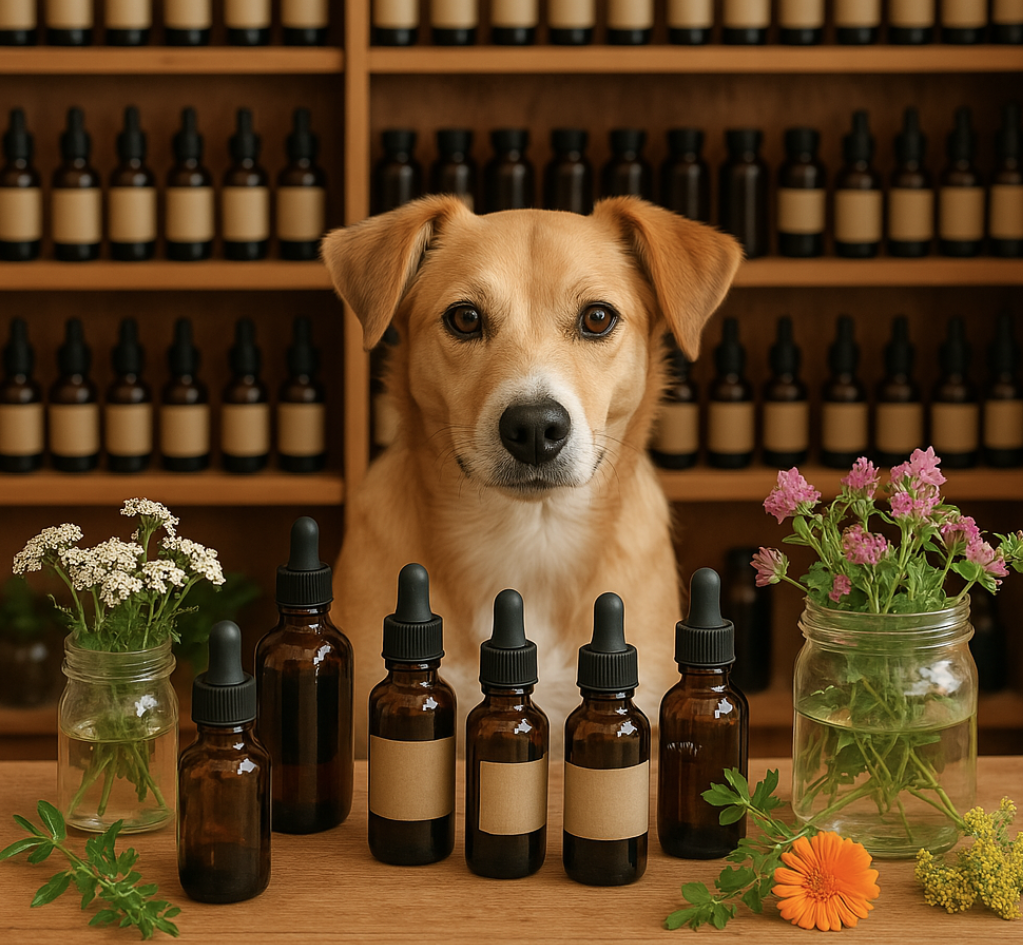
Not all herbs are created equal.
Two products may have the same herb listed on the front and still be very different in quality, strength, freshness, purity, and usefulness.
One may contain the correct plant part, be properly harvested, tested for contaminants, and clearly labeled.
The other may be stale, poorly stored, contaminated, diluted with fillers, made from the wrong part of the plant, or wrapped in a pretty label that tells you almost nothing.
That matters because the best herb for your dog will not be very helpful if the product itself is poor quality.
And in some cases, a low-quality product can create problems of its own.
The Name on the Front Is Not Enough
A label may say:
Milk thistle
Dandelion
Turmeric
Marshmallow root
Nettles
Calming herbs
Liver support
Joint formula
Detox blend
That does not tell you enough.
To evaluate an herbal product properly, you need to know:
The exact plant
The plant part
Whether it is whole herb or extract
How concentrated it is
What other ingredients are included
How it was sourced
Whether it was tested
How fresh it is
Whether the company will answer questions
The front of the bottle is marketing.
The back of the bottle is where the useful information should be.
Look for the Botanical Name
Common names can be confusing.
Different plants may share similar common names, while the same plant may be sold under several different names.
A quality herbal product should include the Latin botanical name.
For example, instead of simply saying “marshmallow,” the label should identify the specific plant being used.
The botanical name helps confirm that the product contains the herb you actually intended to buy—not another plant with a similar nickname.
This becomes especially important when you are buying herbs online, purchasing bulk powders, or using products from companies that sell several species within the same plant family.
The Plant Part Matters
The root, leaf, flower, seed, berry, bark, and fruit of the same plant may have different actions.
Dandelion is a perfect example.
Dandelion leaf is commonly associated with nutritive and urinary support.
Dandelion root is more often used in digestive and liver-support plans.
A product that simply says “dandelion” without identifying the plant part leaves out an important piece of information.
Other herbs may also vary significantly depending on which part is used.
A good label should clearly state whether the product contains:
Root
Leaf
Flower
Seed
Bark
Berry
Aerial parts
Whole plant
If the company does not tell you, that is a red flag.
Whole Herb vs. Extract
A whole-herb product contains the dried plant material, usually powdered or cut.
An extract has been processed to concentrate certain plant compounds.
Both forms can be useful, but they are not interchangeable.
A whole-herb powder may provide:
Fiber
Minerals
A broad range of plant compounds
A gentler, less concentrated preparation
An extract may provide:
A smaller serving volume
A more concentrated product
A more consistent amount of selected constituents
Greater potency
The label should tell you which form you are buying.
If it says “extract,” look for additional information such as:
Extraction ratio
Standardization
Solvent used
Amount per serving
A concentrated extract may require a much smaller serving than a whole-herb powder.
Do not compare them by teaspoon or capsule count alone.
For more on those differences, read Herbal Preparations for Dogs.
What Is a Standardized Extract?
Some extracts are standardized to contain a stated amount of a particular constituent.
Examples may include:
Silymarin in milk thistle
Curcuminoids in turmeric
Boswellic acids in boswellia
Standardization can improve consistency between batches.
However, it does not automatically mean the product is better for every dog.
Whole herbs contain many compounds that may work together. Standardized extracts focus more heavily on selected constituents.
The better choice depends on:
The goal
The herb
The dog
The product
The intended duration
Other medications and supplements
What matters most is that the label is clear about what you are getting.
Freshness Matters
Herbs lose quality over time.
Air, heat, light, moisture, and poor storage can degrade active compounds and encourage mold or contamination.
Freshness is especially important with:
Ground powders
Leaves and flowers
Aromatic herbs
Oils
Products stored in clear containers
Bulk herbs sold from open bins
A quality product should have:
A lot or batch number
An expiration or best-use date
Storage instructions
Packaging that protects the contents
Powders often degrade faster than whole dried plant material because more surface area is exposed to air.
If an herb has almost no aroma, looks faded or dusty, smells musty, or has been sitting in the cupboard since three dogs ago, it may be time to let it go.
Color and Aroma Can Tell You Something
Herbs naturally vary, but a good dried herb should still resemble the plant it came from.
Depending on the herb, you may expect:
Recognizable color
A characteristic aroma
Visible pieces of the correct plant part
Minimal dust
No signs of moisture
No musty or sour smell
Uniform brown powder tells you very little.
Some herbs are naturally brown, of course, but everything should not look and smell like the same scoop of yard debris.
Bulk herbs should also be free from:
Insects
Webbing
Mold
Moist clumps
Excessive stems or foreign material
Unidentified plant pieces
Contamination Is a Real Concern
Herbs may become contaminated during growing, harvesting, processing, shipping, or storage.
Possible concerns include:
Pesticides
Herbicides
Heavy metals
Mold
Bacteria
Yeast
Foreign plant material
Soil contaminants
Adulterants
Residual solvents
This is especially important when buying herbs from areas with weak quality controls or when the company provides no information about testing.
A trustworthy company should be able to explain what it tests for and how often testing is performed.
Look for testing related to:
Heavy metals
Microbial contamination
Mold and yeast
Pesticide residue
Plant identity
Potency when relevant
Residual solvents in extracts
Testing does not have to be shouted across the front label, but the company should be willing to provide meaningful information when asked.
Ask About Certificates of Analysis
A Certificate of Analysis, often called a COA, may provide information about the identity, purity, and testing of a particular batch.
Not every company provides COAs publicly, but a quality supplier should have batch information available.
A COA may include results for:
Heavy metals
Microbes
Pesticides
Moisture
Potency
Plant identification
Residual solvents
Other contaminants
A generic statement saying “third-party tested” is better than nothing, but it still leaves questions.
Ask:
What was tested?
Who performed the testing?
Was the finished product tested or only the raw ingredient?
Does the testing apply to the current batch?
Can the company share results?
Transparency matters more than buzzwords.
Organic Is Helpful—but Not the Whole Story
Organic sourcing may reduce exposure to certain pesticides and herbicides.
That is valuable.
But organic does not automatically guarantee:
Correct plant identification
Freshness
Proper drying
Good storage
Freedom from heavy metals
Microbial safety
Appropriate plant part
Potency
A well-designed formula
Organic is one piece of the quality picture—not the entire picture.
Wildcrafted Does Not Automatically Mean Better
Wildcrafted herbs are gathered from their natural environment rather than cultivated fields.
That can sound especially pure and appealing.
But responsible wildcrafting requires:
Correct identification
Sustainable harvesting
Clean growing areas
Awareness of environmental contamination
Respect for endangered or overharvested plants
Appropriate timing and plant-part selection
An herb gathered beside a busy road is technically wild.
That does not make it better.
Companies using wildcrafted ingredients should be able to explain how the plants are sourced and whether harvesting is sustainable.
Country of Origin Matters
The country or region where an herb was grown can affect:
Growing conditions
Soil quality
Climate
Harvest timing
Contaminant exposure
Processing standards
Supply-chain transparency
Country of origin does not automatically determine quality.
Excellent herbs can come from many parts of the world, and poor-quality herbs can be produced close to home.
The issue is transparency.
A company should know where its ingredients came from—not shrug and point toward a warehouse.
Proprietary Blends Hide Important Information
A proprietary blend may list several herbs while disclosing only the total weight of the mixture.
For example:
Calming Herbal Blend: 500 mg
That does not tell you whether the product contains:
450 mg of one herb and tiny amounts of the others
Meaningful amounts of each ingredient
Enough of any herb to matter
An herb that duplicates another product
A combination appropriate for your dog
Proprietary blends are not automatically bad.
But they make the product harder to evaluate.
This is especially important for dogs who:
Take medication
Have multiple health conditions
Are very small
Are medically fragile
Are already using several supplements
Have reacted poorly to herbs in the past
I prefer labels that clearly disclose the amount of each active ingredient.
Mystery should not be part of the dosing plan.
Watch for Fillers and Extra Ingredients
Some herbal products contain more than herbs.
Possible added ingredients include:
Flavors
Sweeteners
Gums
Starches
Maltodextrin
Rice flour
Magnesium stearate
Preservatives
Coloring
Artificial ingredients
Oils
Vitamins
Minerals
Other supplements
Some additives serve a legitimate manufacturing purpose.
Others are unnecessary.
Always read the complete ingredient list, especially when the dog has:
Food sensitivities
Diabetes
Digestive disease
Yeast concerns
Allergies
Pancreatitis
Kidney or liver disease
Avoid products containing xylitol or other ingredients inappropriate for dogs.
“Natural flavor” is also not particularly informative when you are trying to evaluate a sensitive dog’s reaction.
Pet Products Are Not Automatically Better Than Human Products
A product marketed for pets may be convenient, flavored, and easy to dose.
That does not automatically make it higher quality.
Likewise, a human herbal product may be very well made—but still require careful evaluation before using it with a dog.
The important questions are:
Is the herb appropriate?
Is the plant part identified?
Is the concentration clear?
Are there unsafe sweeteners or flavorings?
Can the amount be measured appropriately?
Is the company transparent?
Is the product compatible with the dog’s medications and health status?
A paw print on the label is not a quality-control certificate.
Expensive Does Not Always Mean Better
Price can reflect:
Better sourcing
Testing
Sustainable harvesting
Small-batch production
Higher-quality extracts
More transparent manufacturing
But price can also reflect:
Packaging
Branding
Influencer marketing
Fancy language
A very photogenic leaf
Cheap products may cut corners.
Expensive products may simply have better marketing.
Look at the evidence on the label and from the company—not just the price tag.
How to Evaluate a Herbal Product
Before buying, ask:
Is the Latin botanical name listed?
Is the plant part identified?
Is it whole herb or extract?
Is the strength clear?
Is there an extraction ratio?
Are standardized compounds listed when relevant?
Are individual ingredient amounts disclosed?
Is the complete ingredient list available?
Is there a lot or batch number?
Is there an expiration or best-use date?
Is the country or region of origin available?
Is the company transparent about testing?
Are contaminants tested?
Does the packaging protect the herb?
Is this product appropriate for my dog’s medications and health history?
If you cannot find basic answers, do not be afraid to choose another product.
There are too many reputable suppliers available to settle for a mystery bottle.
Quality Does Not Replace Appropriate Selection
A beautifully sourced, carefully tested herb can still be the wrong herb for your dog.
Product quality matters—but so do:
The dog’s diagnosis
Current symptoms
Medication
Age
Weight
Liver and kidney function
Pregnancy
Seizure history
Clotting concerns
Intended use
Preparation
Amount
Duration
A premium product does not make an inappropriate recommendation safe.
Read Safe Use of Herbs for Dogs before adding a concentrated herbal supplement.
Dana’s Thoughts
I am picky about herbs.
I want to know what plant is in the bag, what part of the plant was used, where it came from, how it was processed, how fresh it is, and whether someone tested it for things I do not want in my dog.
That is not being difficult.
That is part of using herbs responsibly.
I would rather use one well-chosen, well-made herb than a giant blend filled with tiny amounts of twelve ingredients and a label promising total-body detox, immune balance, emotional peace, sparkling joints, and probably better credit.
Quality matters.
But clarity matters too.
The best herbal product is one you understand, can evaluate, and have a clear reason for using.
Learn How to Evaluate Herbal Products With Confidence
Public labels rarely tell the whole story unless you know what you are looking for.
Inside the Remedies Class, we go deeper into:
Comparing whole herbs, extracts, tinctures, glycerites, and standardized products
Understanding botanical names and plant parts
Reading extraction ratios
Interpreting standardized constituents
Evaluating proprietary blends
Recognizing unnecessary fillers
Comparing commercial formulas
Identifying duplicated ingredients
Choosing the correct preparation for the intended goal
Understanding when a single herb may make more sense than a blend
Considering medications, health conditions, and contraindications
Building a more intentional herbal toolkit
The goal is not to buy the most expensive supplement.
It is to know what you are buying, why you are using it, and whether it truly belongs in your dog’s plan.
Ready to stop choosing herbs by the front label and start understanding what is actually inside the bottle?
Learn More About Membership and the Remedies Class
Educational information only. This article is not intended to diagnose, treat, cure, or prevent disease or replace individualized veterinary care.
When DIY Isn't Enough Already tried the basics? If this is happening with your dog and you're still stuck, I can help you figure out what deserves attention next.
Request a Discovery Callback →