

Essential Oils for Dog First Aid: What Pet Parents Should Have on Hand
When your dog gets cut, stung, scraped, bruised or suddenly frightened, that is not the ideal moment to begin researching essential oils.
You need to know what you have, what it may help support and when the situation has moved beyond home first aid.
That is why I encourage dog parents to build a practical canine first-aid kit before they need it. Essential oils may be useful for minor cuts, scrapes, bruising, irritated paws, insect encounters, small burns, emotional shock and physical discomfort—but they are only one part of the kit.
See your vet for a diagnosis and then you and I can collaborate on a custom strategy for your dog’s health.
Essential Oils Belong in a Dog First-Aid Kit
I often tell pet parents that I want useful remedies in their hands before they call me.
When something happens, we may still need veterinary care. We may also need homeopathy, herbs, wound cleaning, cold compresses, bandaging, bodywork or other support.
But when you already have a few appropriate essential oils available, we may be able to begin supportive care while we assess what happened and decide what the dog needs next.
That is very different from realizing at 9:30 on a Sunday night that the one oil you wish you owned is still sitting in an online shopping cart.
A practical dog first-aid collection does not need to include every essential oil. It should include versatile oils you understand and are comfortable using.
What Can Essential Oils Support in Dog First Aid?
Essential oils may be considered for minor situations such as:
Small cuts and scrapes
Minor bleeding
Bruising
Irritated paws
Minor burns
Insect bites and stings
Skin discomfort
Muscle soreness
Emotional shock or fear
Stress after an injury
Recovery after a minor incident
Odor and environmental cleaning
The word minor is doing important work here.
A small scrape is not the same as a deep puncture. A tiny nick that stops bleeding is not the same as a wound soaking through towels. A mildly irritated paw is not the same as a swollen limb the dog refuses to use.
Essential oils may support first aid. They do not replace proper wound assessment, pain control, diagnostics or emergency veterinary treatment.
Essential Oils for Dog Cuts, Scrapes and Minor Wounds
Small cuts and scrapes are among the most common reasons pet parents reach for a first-aid kit. Essential oils may be considered as part of supportive care, but the first step is still practical wound assessment and cleaning.
- Check the depth and location.
- Remove visible debris when it is safe to do so.
- Clean the area appropriately.
- Control minor bleeding.
- Prevent licking.
- Watch for swelling, heat, discharge or increasing pain.
Helichrysum
One of the most useful oils to consider for a canine first-aid collection.
- Minor bleeding
- Bruising
- Small cuts
- Scrapes
- Skin after a bump or injury
- Physical discomfort around a minor injury
It does not replace veterinary care for uncontrolled bleeding, deep wounds, bites, punctures or surgical incisions.
Lavender
May be useful for:
- Minor scrapes
- Mild skin irritation
- Small burns
- Emotional stress after an injury
- General skin comfort
Its calming qualities may also help when the dog is frightened by the event itself.
Frankincense
May be considered for:
- Minor skin damage
- Inflammatory discomfort
- Skin recovery
- Emotional grounding
- General support after an injury
Tea Tree
May be considered for:
- Minor cuts and scrapes
- Irritated paws
- Selected microbial skin concerns
- Minor skin-support situations
Quality, concentration, application method and the dog’s size and health all change the plan. The concern is not simply the oil’s name. Careless use of a concentrated product is the problem.
Essential Oils for Minor Bleeding and Bruising
A small nail nick, shallow scrape or minor cut may produce a little bleeding. Helichrysum is commonly considered for minor bleeding and bruising. Lavender and frankincense may also be part of a broader first-aid strategy depending on the injury.
- Bleeding does not stop with steady pressure.
- Blood is spurting.
- The wound is deep or gaping.
- The injury involves the eye, chest or abdomen.
- The dog is weak, pale or collapsing.
- The wound resulted from an animal bite.
- You suspect internal bleeding.
- The dog takes medication that affects clotting.
No essential oil should be used as an excuse to delay emergency care.
Essential Oils for Dog Burns
Dogs may experience minor burns from hot pavement, cooking surfaces, heating pads, grooming equipment or hot liquids.
For a minor burn, the first step is cooling the area appropriately—not immediately applying an oil. Lavender may be considered later for minor skin comfort. Frankincense may also be considered for inflammatory discomfort and skin recovery.
- Large burns
- Deep burns
- Blistered or blackened skin
- Chemical burns
- Electrical burns
- Burns involving the face, mouth, eyes or genitals
Those injuries need veterinary care.
Essential Oils for Dog Insect Bites and Stings
Dogs investigate the world with their noses, mouths and paws, which makes insect encounters fairly predictable.
Essential oils may be considered for minor:
- Mosquito bites
- Ant bites
- Bee or wasp stings
- Itching
- Localized redness
- Skin discomfort
Lavender may help support itching and skin comfort. Tea tree may be considered in selected skin situations. An outdoor or cleansing blend may also be useful depending on its complete ingredient list.
- Facial swelling
- Hives
- Vomiting
- Weakness
- Difficulty breathing
- Pale gums
- Collapse
Those are emergencies. A bee sting on the paw is one thing. A dog whose face suddenly looks like a balloon animal is another.
Essential Oils for Dog Paws
Paws may become irritated from:
- Hot pavement
- Ice and snow
- Road salt
- Rough terrain
- Grass or environmental exposure
- Excessive licking
- Small cuts or abrasions
- Foreign objects between the toes
Lavender, frankincense and tea tree may be considered for minor paw support when used appropriately.
Persistent licking, odor, redness, swelling or repeated paw problems may point toward:
- Yeast
- Allergies
- Food reactions
- Bacterial infection
- Pain
- A foreign body
- Contact irritation
- An interdigital cyst
Essential Oils for Muscle Soreness and Minor Strains
Dogs may become sore after:
- Hiking
- Running
- Rough play
- Slipping
- Jumping
- Compensating for another injury
- Spending more time than usual on hard surfaces
Copaiba, frankincense, marjoram and peppermint may be considered for muscle comfort and stiffness, depending on the dog. Essential oils may also be incorporated into massage or gentle bodywork.
Limping, swelling, severe pain or refusing to bear weight may indicate:
- Ligament injury
- Fracture
- Joint injury
- Spinal pain
- Torn muscle
- Paw injury
- Neurological problems
Essential Oils for Emotional Shock and Fear
First aid is not only physical.
A dog may become frightened, shaky, clingy, restless or shut down after:
- An accident
- A dog fight
- A fall
- A painful event
- A storm
- Fireworks
- An emergency veterinary visit
- Becoming lost
- A frightening grooming experience
- Sudden household upheaval
Lavender, frankincense, cedarwood, vetiver and Roman chamomile may be considered for emotional support depending on the dog’s pattern.
The pet parent may need support too. Dogs notice when we panic, tighten our grip, hold our breath or move frantically. Taking a moment to regulate yourself may help you assess the dog more clearly and create a calmer environment.
For deeper support, read Essential Oils for Dog Anxiety .
What Else Belongs in a Dog First-Aid Kit?
Essential oils are useful, but they should not be the entire kit.
A practical canine first-aid kit may also include:
Sterile saline
Gauze pads
Non-stick wound dressings
Rolled gauze
Self-adhering bandage
Blunt-tip scissors
Tweezers
Tick-removal tool
Digital thermometer
Disposable gloves
Cold pack
Towels
Muzzle or soft restraint
Flashlight
Styptic support for minor nail bleeding
Emergency veterinary contact information
Poison-control information
Current medication list
Copies of relevant medical records
Homeopathic first-aid remedies
Selected herbs or salves
The goal is not to turn your home into a mobile veterinary hospital.
It is to have enough on hand to respond calmly, protect the dog and make better decisions.
Link to what’s in my First Aid Kit
When Essential Oils Are Not Enough
Call your veterinarian or emergency clinic for:
Deep cuts or punctures
Animal bites
Uncontrolled bleeding
Eye injuries
Broken bones
Severe limping
Difficulty breathing
Collapse or weakness
Seizures
Heatstroke
Bloat symptoms
Repeated vomiting
Suspected poisoning
Large or deep burns
Snake bites
Severe allergic reactions
Abdominal wounds
Pale, blue or gray gums
Sudden neurological changes
Severe pain
Any injury you are unsure how to assess
Conventional veterinary care is important for diagnostics, stabilization, wound repair, pain control, imaging, surgery and emergency treatment.
Natural support is not weakened by knowing when the dog needs a veterinarian. That is called using good judgment.
How Essential Oils May Be Used in First Aid
Depending on the oil and situation, essential oils may be incorporated through:
Aromatic introduction
Diffusion
Diluted topical application
Compresses
Massage
Bodywork
Emotional calming routines
Support before or after veterinary care
The application method changes the exposure.
Aromatic use may be enough for emotional support. A minor skin issue may call for topical support. A sore dog may benefit from massage. The answer depends on the oil, dog and reason for using it.
Puppies, seniors, pregnant dogs, seizure-sensitive dogs and dogs with liver, kidney or respiratory concerns require additional consideration.
Why I Do Not Give One First-Aid Recipe for Every Dog
It would be easy to provide a single spray recipe and call it a dog first-aid remedy.
It would also ignore:
The type of injury
The location
The depth of the wound
The dog’s weight and age
Medication use
Organ function
Skin sensitivity
Seizure history
Other products already applied
Whether the dog can lick the area
Whether veterinary care is needed
The same oil and dilution will not fit every situation.
Experience helps recognize patterns, ask better questions and avoid wasting time on random product guessing.
Build Your Dog’s Essential Oil and First-Aid Collection
Owning a few bottles is not the same as knowing what to do with them.
My self-paced Essential Oils Class for Dogs teaches:
Essential oil safety and quality
Dilution and application
Essential oil first aid
Condition-specific support
Remedy preparation
Building a home kit
Reference guides
Raindrop Technique
The goal is to put useful tools in your hands and help you feel comfortable using them.
LEARN MORE ABOUT THE ESSENTIAL OILS CLASS
Supporting Resources
Listen: First Aid With Essential Oils for Animals
I joined Dr. Barb Fox for a conversation about using essential oils as part of animal first aid.
We discuss how essential oils may fit into a practical first-aid approach, why having remedies on hand is so valuable and how pet parents can become more confident responding when something happens.
The podcast expands on the subject, but the most important takeaway is simple:
Do not wait for an emergency to learn what is in your first-aid kit.
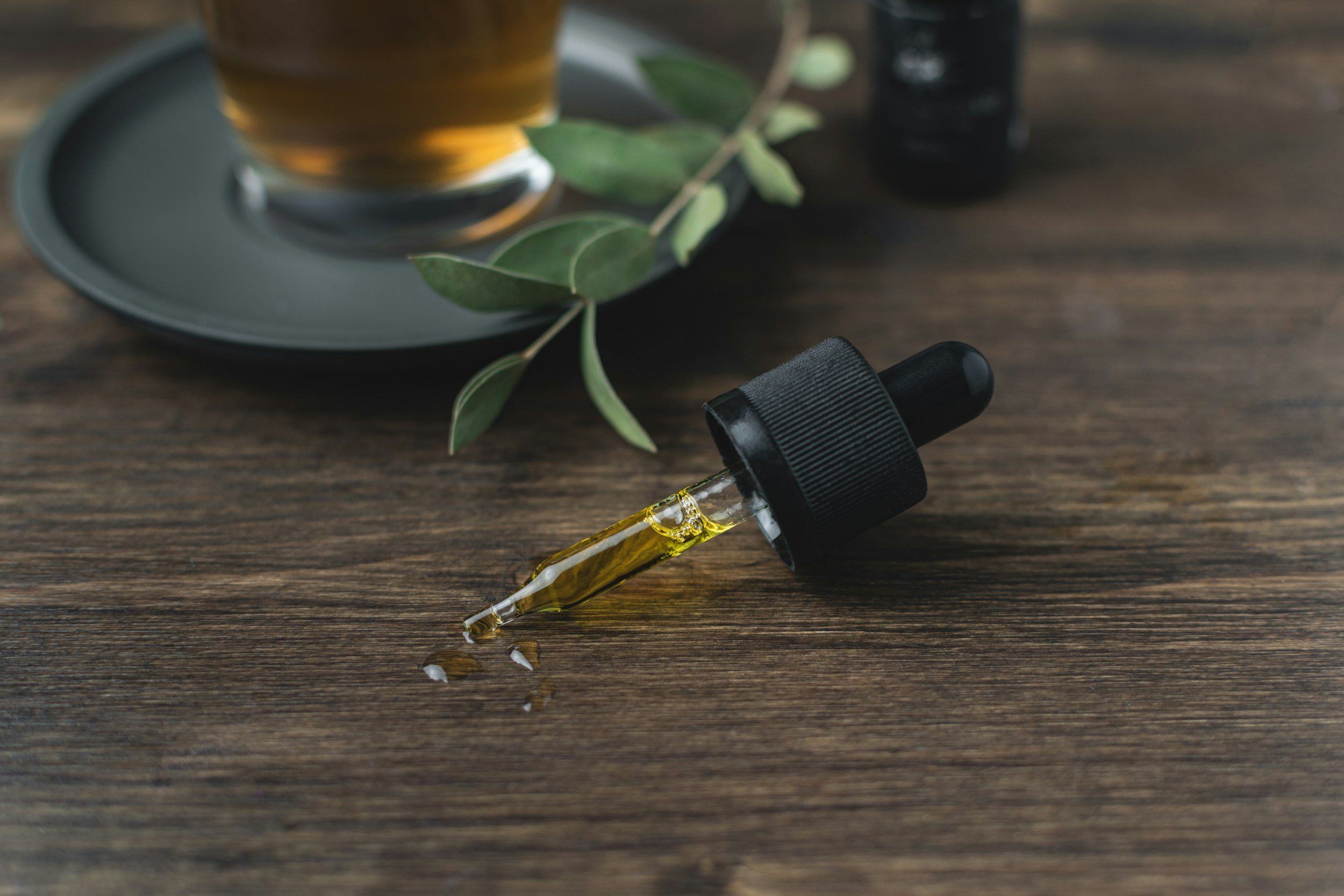
For more supplies you should have in your first aid kit, read my blog post
When DIY Isn't Enough Already tried the basics? If this is happening with your dog and you're still stuck, I can help you figure out what deserves attention next.
Request a Discovery Callback →