

First Aid Kit for Dogs
Build Your First Aid Kit Now — Before You Need It
Emergencies don’t wait. And when they happen, it’s often in the middle of the night, on a weekend, or while you’re out of town.
Having a well-stocked first aid kit — with the right tools — can make a huge difference in how things unfold for your dog.
This isn’t just about bandages or gauze. I’m talking about:
Essential oils that can calm, soothe, or support organ function on the way to the ER
Homeopathic remedies that can reduce bleeding, shock, trauma, or pain before a vet ever lays eyes on them
Herbs and nutraceuticals that can begin supporting the body even in those first critical moments
Sometimes, what you do in the first five minutes changes everything.
I don’t say this to scare you. I say it because I care so deeply. It hurts my soul to know that I have tools and knowledge that could help in those moments — but if they’re not in your hands already, I can’t get them to you fast enough.
And that’s the part that keeps me up at night.
That’s why I need you to take this seriously — build your kit before you need it.
When you’re prepared, I can coach you through an emergency — even on the way to the vet — and that support can be life-changing.
You don’t have to feel helpless in those moments.
Let’s give you the tools to act — and the confidence to use them.
See our Presentation Here: on Youtube
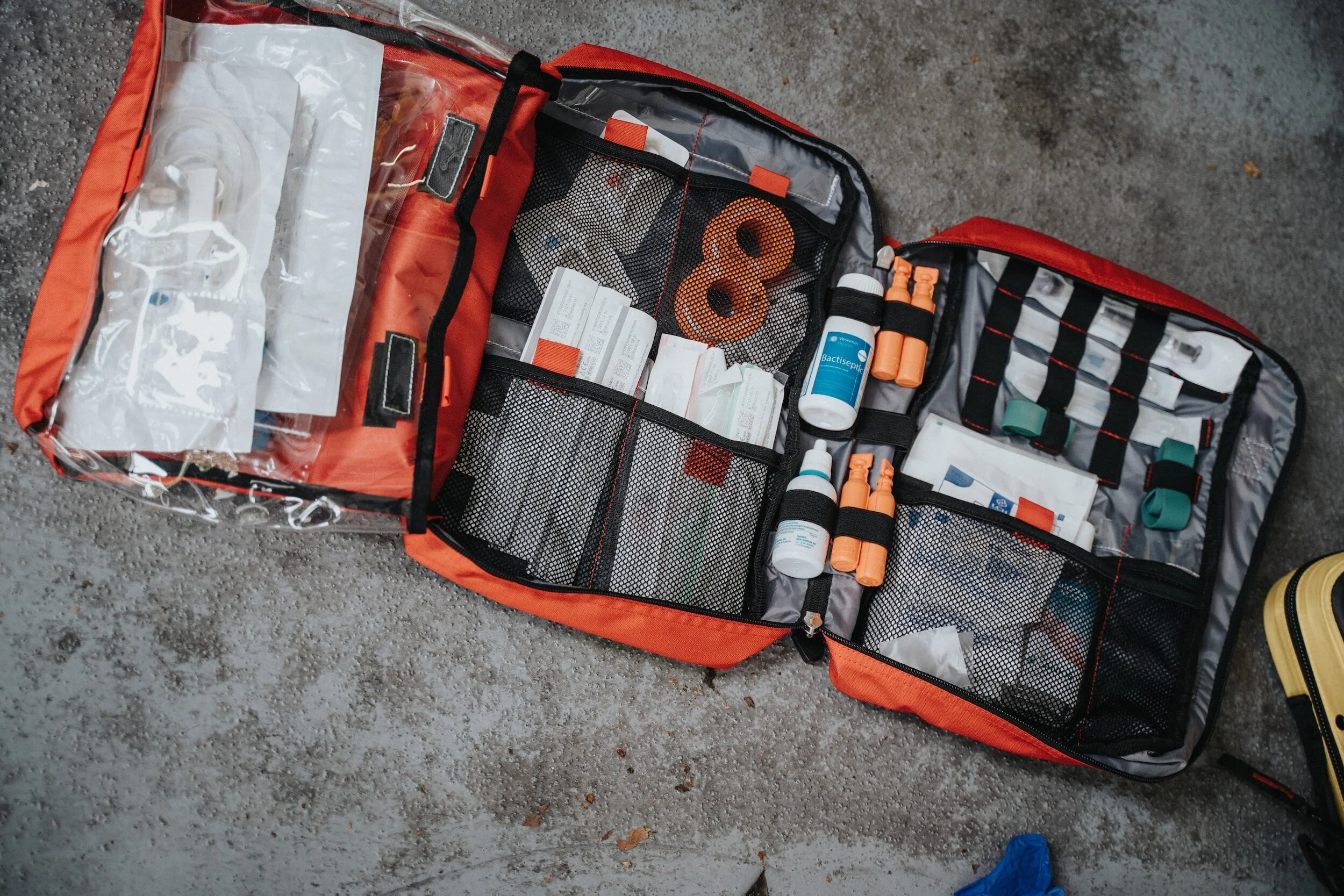
Natural Remedies First Aid for Dogs
Allergic Response
Purifying Essential Oil with Lemongrass : apply on insect bite to promote cleansing and clarifying of the skin
Apis (Homeopathic Remedy) : supports the body’s natural response to insect stings, swelling, and allergic hives
Histaminium (Homeopathic Remedy) : supports balancing the body’s histamine response during allergic reactions
Quercetin : natural antihistamine and anti-inflammatory bioflavonoid
JewelWeed — itching, insect bites, stings
Benadryl (Diphenhydramine) : 1mg per pound of body weight for acute allergic reactions only — not as a sedative or calming, and only in emergencies due to potential side effects with long-term use
Minor Wounds, Scrapes
Animal Scents Line of products and Animal Scents Ointment : supports cleansing, clarifying, and skin healing for wounds and scrapes; can be enhanced with additional oils as needed
Bruising, Bleeding
Helichrysum Essential Oil : supports bruising, bleeding control, and tissue regeneration
Black Pepper can also be used to pack a small wound to stop bleeding until you reach the ER.
Discomfort, Sprains, Strains
Marjoram Essential Oil : supports muscle and joint comfort for sprains and strains
Wintergreen Essential Oil : supports soothing of muscle discomfort and inflammation (use carefully)
Lemongrass Essential Oil : supports connective tissue and ligament health; useful for strains
Calming
Cedarwood Essential Oil : promotes grounding and calming
Vetiver Essential Oil : promotes relaxation and grounding
Valerian Essential Oil : promotes deep relaxation and calming in stressful situations
Lavender Essential Oil : promotes emotional balance and calming during stress
CBD
CBD : supports calming, stress reduction, and overall wellness
Melatonin
Melatonin : 2–3mg per 30–35 pounds of body weight to support stress and anxiousness
Rescue Remedy
Rescue Remedy : flower essence blend to promote emotional balance and calming during stressful situations
Induce Vomiting
Hydrogen Peroxide (3%) : used to induce vomiting within minutes of the dog swallowing a foreign object, only if it is safe to come back out — ~1ml per pound of body weight (1 Tsp = 5ml; do not exceed 45ml or 3 Tbls total) — only under appropriate circumstances and with caution
Gas X
Gas X (Simethicone) : especially for dogs prone to bloat — helps reduce gas and bloating discomfort
Digestive Support
DiGize Essential Oil : supports digestive comfort and ease
Peppermint Essential Oil : supports digestive comfort and relieves occasional upset
Spearmint Essential Oil : gentle support for digestive discomfort
Toxin Support
Activated Charcoal : helps bind and eliminate toxins after accidental ingestion — use under veterinary guidance.
Milk Thistle : supports liver detoxification after exposure to toxins — 10mg per pound of body weight, 2–3 times per day (can be used at higher doses under guidance)
Bentonite Clay: (food-grade): Natural binder to draw out toxins, soothe bites, rashes, wounds, or support gentle internal detox after chemical exposure.
Dandelion Root; supports liver and toxin elimination
Digestive Upset
Slippery Elm (Herbsmith) : soothes and supports irritated digestive tract during upset
Pepto Bismol : emergency backup only — dosage is one teaspoon per 20 pounds of body weight every 4–6 hours for 24 hours — supports mild diarrhea and upset
Eye Care
Eye Wash : flushes and cleanses irritants from the eyes
Saline Solution : gentle rinse for eyes and minor wounds
General Supplies
Petroleum Jelly : lubricant for thermometer use or paw protection
Rubbing Alcohol : disinfects tools (not for use directly on wounds)
Gauze Pads : covers wounds and controls bleeding
Sterile/Non-Adhesive Pads : protects wounds without sticking to tissue
Vet Wrap / Self-Adhering Medical Wrap : secures bandages and dressings in place
Ace Bandages : provides additional limb support or emergency wrapping
Gloves : protects hands during first aid procedures
Hand Sanitizer : cleans hands when soap and water are not available
Lemon Essential Oil Works! : supports natural surface cleansing and deodorizing — also helps dissolve adhesives
Scissors : cuts gauze, bandages, tape, or other materials as needed
Tweezers : removes ticks, splinters, or foreign objects
Muzzle : prevents biting during first aid care — essential for safety
Flat Kennel Lead (can be used as emergency muzzle if necessary — see below) : doubles as an emergency muzzle option
Slip Lead : provides control or doubles as emergency restraint/muzzle
Hemostats : grasps small objects or debris; useful for tick removal or grasping gauze
Rectal Thermometer : checks body temperature — normal range is approximately 101–102.5°F
Ice Pack : reduces swelling, inflammation, or cools overheated dogs
Water Bottle : provides hydration or can be used to rinse wounds
Splint (old paper towel roll, chop sticks) : improvised limb stabilization for transport
Tongue Depressors : useful for applying ointments or splinting small injuries
Blanket : provides warmth, comfort, or can be used for transport
Zippy Bags : stores small tools, waste, or soiled materials
Plastic Poop Bags : for cleanup of waste during first aid situations
Towels : drying, padding, restraint, or cleanup
Flashlight / Headlight : essential for seeing clearly during nighttime or low-light emergencies
Your Glasses! : always include if needed to read labels or small print
You can download my first aid guide with more specific resources, homeopathic remedies to have on hand, etc. It’s much more detailed!
Pet parents near North Myrtle Beach, Myrtle Beach, Little River, Conway, Brunswick County NC, Wilmington NC, and the surrounding coastal Carolina area often reach out to learn more and build a first aid kit because they want to feel more prepared before something happens — not panicked in the moment.
Shop my Amazon Store and recommended products for options.
Making an Emergency Muzzle:
Making an Emergency Muzzle
With a piece of fabric, nylon leash, approximately 4-6 feet longPlace center of fabric on top of muzzle with ends hanging down each side of faceWrap Around 2 Times -- snug
Criss-cross under and wrap around behind next
Tie securely
Preventing the dog from opening his jaws will help prevent a bite from fear or pain
Created by: American Red Cross
Vet Records - easily accessed including the dog's health record, medications, local and national poison control numbers, regular veterinary clinic hours and telephone numbers, and emergency clinic hours and telephone number.
A list of your dogs medications and dosages
Phone Numbers:
Vet:
Emergency Vet:
Family Member:
Poison Control --- 888-426-4435
Take a look at the online app from American Red Cross for your phone
http://www.redcross.org/mobile-apps/pet-first-aid-app
Learn the Heimlich:
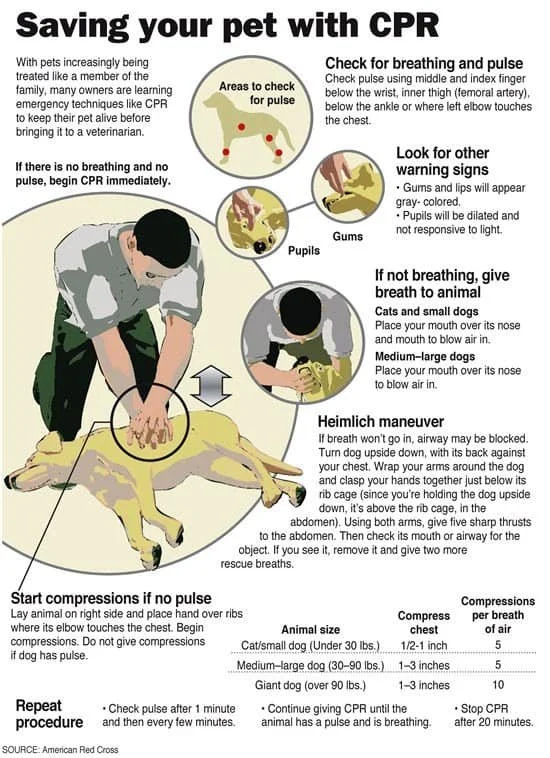
Learn CPR:
CPR Guide:
When DIY Isn't Enough Already tried the basics? If this is happening with your dog and you're still stuck, I can help you figure out what deserves attention next.
Request a Discovery Callback →