

Vaccines for Dogs: A Smarter Guide to Schedules, Risks & Titers
The Well Oiled K9 Vaccine Resource Center
Dog vaccines should not be an automatic “the reminder says we're due, so give everything today” decision.
They also should not be reduced to “vaccines are bad, never vaccinate.”
Parvo, distemper, rabies, leptospirosis and other infectious diseases are real. So are vaccine reactions, individual sensitivities, legal requirements, previous immunity, age, health status and differences in a dog's actual exposure risk.
My position is simple: I'm not anti-vaccine. I'm anti-autopilot.
I want you to know what is being recommended, why your dog needs it, what alternatives or testing may exist, whether this is the right time, and what you should watch for afterward.
Start With Your Dog
What Vaccine Question Are You Trying to Answer?
You do not need to read every vaccine article on this website. Start with the situation that actually applies to your dog.
Dana's Approach
I Want the Vaccine Decision Made for the Dog in Front of You.
A healthy six-month-old puppy with meaningful infectious-disease exposure is not the same dog as a 13-year-old senior with cancer, seizures, kidney disease and a history of vaccine reactions.
A dog who boards every week is not living the same life as the senior who considers a stroll from the sofa to the backyard a major expedition.
And a rescue with no reliable vaccine history creates a different decision than a dog whose complete medical records and previous vaccines are sitting in front of us.
Age. Health. History. Previous reactions. Exposure. Lifestyle. Legal requirements. Existing immunity. Those pieces belong in the decision.
Before Saying Yes
Five Questions I Want Dog Moms Asking About Every Vaccine
1. What exactly is this vaccine?
Ask for the name of the vaccine, manufacturer and product. Do not settle for “your dog needs shots.”
Vaccine technology and formulation can differ, so I want you to know what is actually being used.
2. Why does my dog need it?
Is this vaccine legally required? Recommended for essentially all dogs? Or being recommended because of geography, boarding, daycare, travel, wildlife or another lifestyle exposure?
3. Is my dog healthy enough today?
Fever, active illness, vomiting, diarrhea, major allergy flares, uncontrolled seizures, recent surgery, significant inflammation, cancer treatment or other medical issues belong in the conversation before vaccination.
4. Do we already have evidence of immunity?
For some vaccines, particularly distemper and parvovirus, antibody titers may provide useful information before automatically repeating a booster.
Rabies is different because vaccination requirements are governed by law.
5. What else is happening at the same time?
Ask whether your dog needs several vaccines, chemical preventives, elective medications or procedures all stacked into the same visit.
For dogs at greater risk of a reaction, reducing the number of vaccines given at one visit may be worth discussing with your veterinarian.
And one more: what do I watch afterward?
Know what mild short-term effects may occur, what deserves a call to your veterinarian, and which symptoms need emergency attention.
Core Does Not Mean Stop Asking Questions
Which Vaccines Do Dogs Need?
This is where terminology gets confusing because recommendations change as disease prevalence and veterinary guidance evolve.
Current American Animal Hospital Association guidance classifies distemper, adenovirus, parvovirus, leptospirosis and rabies as core vaccine recommendations for dogs unless there is a specific medical reason not to vaccinate.
Vaccines such as Bordetella, Lyme and canine influenza are generally considered risk- or lifestyle-based.
But “core” is not the end of the conversation.
Rabies has legal requirements that may limit your choices. Puppy vaccines involve maternal antibody timing. Leptospirosis risk and recommendations have evolved. A dog with previous vaccine reactions or significant medical disease deserves individual consideration.
My goal is not to replace your veterinarian's recommendation. My goal is to make sure you understand enough to have an actual conversation rather than treating a vaccine reminder like an oil-change sticker.
Go Deeper
Learn About the Specific Vaccine Being Recommended
Do not make a blanket vaccine decision when the real question may be about one specific disease, one specific product or one specific dog.
Rabies Vaccine
Rabies is fatal and carries public-health and legal requirements. Learn about vaccine timing, one-year versus three-year products, thimerosal-free options, titers and medical-waiver conversations.
Parvo & Distemper
These are serious infectious diseases, especially for puppies. The bigger long-term question becomes how frequently an already-immunized adult dog truly needs additional boosters.
Leptospirosis
Leptospirosis is a bacterial disease that can affect dogs and people. Current AAHA guidance now classifies lepto as a core vaccine recommendation. I still want pet parents discussing exposure, health history, vaccine choice and previous reactions with their veterinarian.
Bordetella
Boarding, daycare, grooming, training facilities and frequent dog-to-dog exposure may influence this recommendation. Requirements imposed by a facility are not always identical to your dog's individual medical need.
Lyme Vaccine
Tick exposure, geography, lifestyle and the rest of your tick-prevention strategy belong in this discussion.
mRNA / RNA-Particle Vaccines
Newer RNA-particle vaccine technology is now available for dogs. I want pet parents asking exactly which product and vaccine technology is being used before consent is given.
For Puppy Moms
Puppy Vaccines Are Their Own Conversation
Puppies need protection during a window when maternal antibodies are declining and their own immune protection is developing.
That is why puppy vaccine recommendations use a series rather than simply one arbitrary shot at one arbitrary age.
I also want puppy parents thinking beyond vaccines: nutrition, gut health, stress, parasite prevention, socialization, sleep and environmental exposure all help build the foundation your dog carries into adulthood.
Trying to figure out the puppy schedule?
Start with the dedicated puppy vaccine article rather than trying to piece a schedule together from five different pages.
Want to raise the whole puppy differently?
Food, immune resilience, stress, low-tox living and healthy development begin long before your dog becomes a senior with a list of chronic problems.
I help puppy parents build that foundation deliberately.
Senior Dogs Deserve a Different Conversation
Does My Senior Dog Still Need Vaccines?
This is one of the places where I especially dislike autopilot.
A senior dog may already have years of vaccine history behind them. They may also now be managing arthritis, cancer, kidney disease, liver disease, heart disease, seizures, chronic digestive issues, autoimmune disease or several medications.
That does not automatically mean “senior = never vaccinate.”
It does mean I want age, existing immunity, medical status, legal requirements and actual exposure risk discussed before treating that dog exactly like a healthy two-year-old.
Read: Vaccines for Senior, Sick & Medically Vulnerable Dogs →
Before Another Booster
Can You Titer Instead of Automatically Vaccinating?
Sometimes.
A vaccine antibody titer is a blood test that can provide information about antibodies to a particular disease.
Titers can be especially useful when discussing revaccination for diseases such as parvovirus and distemper.
They do not magically replace every vaccine requirement, and rabies deserves special caution because state and local laws apply.
But if your adult or senior dog has already been repeatedly vaccinated, I think it is a perfectly reasonable question to ask:
“Before we automatically give another booster, is there a useful titer available for this disease?”
If You Are Vaccinating
Do More Than Show Up for the Appointment
Once you have decided a vaccine is appropriate or necessary, my attention turns to the condition of the dog receiving it.
Before vaccination
I look at food, hydration, gut health, liver and kidney history, medications, chemical preventives, recent illness, inflammation, stress and previous vaccine reactions.
This is not the week to launch a supplement circus. Stable dogs need thoughtful preparation, not chaos.
After vaccination
Document the vaccine, product, date and any other treatments given. Watch appetite, stool, energy, skin, swelling, behavior, neurological changes and anything else that is noticeably different.
Then support recovery based on the individual dog rather than grabbing a random “vaccine detox” list online.
When the Answer Is Not Simple
This Is Where a Generic Vaccine Checklist Stops Being Useful
The dog I am most concerned about is often not the healthy puppy coming in for a straightforward preventive-care discussion.
It is the dog whose mom is juggling:
- seizures or neurological disease
- cancer
- autoimmune or immune-mediated disease
- chronic allergies, yeast or inflammation
- kidney or liver disease
- significant digestive disease
- multiple medications and supplements
- a previous vaccine reaction
- an unclear rescue or shelter vaccine history
- advanced age and declining resilience
Those are the dogs where the question is rarely just “Should I vaccinate?”
The better questions may be: what is required, what is optional, what can be tested, what can be postponed, what needs veterinary documentation, what is the dog's disease exposure, and how do we support everything else already going on?
Reading Is the Start
Now Figure Out What This Means for Your Dog.
A vaccine article can explain the possibilities. It cannot look at your dog's complete history.
If your dog has previous reactions, seizures, chronic disease, cancer, allergies, digestive problems, a confusing vaccination history or you simply do not know how to sort through the recommendations, that is where individualized support makes more sense.
I can help you look at nutrition, vaccine history, current health, medications, supplements, chemical exposures, lifestyle and the natural-support options that may fit the dog in front of us.
Membership includes access to deeper educational resources, including vaccine preparation and aftercare support. More complicated dogs may be better suited to a private consultation.
Dog Vaccine FAQ
Questions Dog Parents Search Before Vaccinating
What vaccines does my dog actually need?
Current veterinary guidelines consider distemper, adenovirus, parvovirus, leptospirosis and rabies core recommendations for dogs, unless there is a specific medical reason not to vaccinate. Vaccines such as Bordetella, Lyme and canine influenza are typically considered based on lifestyle and exposure risk.
The recommendation still needs to be interpreted for your individual dog, including age, medical history, geographic exposure, previous reactions and legal requirements.
What vaccines does my puppy need?
Puppies need protection from serious diseases such as parvovirus and distemper, but timing matters because maternally derived antibodies can interfere with early vaccination.
That is why puppy vaccination is normally given as a series. Rabies timing is also affected by state and local law. See the dedicated Puppy Vaccine Schedule for the deeper discussion.
Does my senior dog still need vaccines?
Age alone does not answer the question. A senior dog's previous vaccine history, health, disease exposure, available titer testing and legal requirements should all be considered.
I especially want an individualized conversation when a senior is dealing with cancer, seizures, autoimmune disease, kidney or liver disease, chronic inflammation or previous reactions.
Can I titer my dog instead of giving another vaccine?
Antibody titers can provide useful information for certain diseases, particularly parvovirus and distemper, and may help inform the decision about another booster.
Titers do not automatically replace every vaccine, and rabies vaccination requirements are controlled by law.
Is it okay to give several dog vaccines at the same appointment?
Multiple vaccines are commonly administered during one visit, and veterinary guidelines do not suggest that doing so prevents the dog from developing protective immunity.
However, reducing the number of vaccines administered at one visit may be considered to reduce adverse-event risk in some dogs, particularly smaller dogs and dogs with previous vaccine reactions. Discuss spacing with your veterinarian rather than changing vaccine doses yourself.
What are normal side effects after dog vaccines?
Mild soreness, tiredness or temporary appetite reduction may occur after vaccination.
Facial swelling, difficulty breathing, collapse, repeated vomiting or diarrhea, profound weakness, tremors, seizures or major changes in responsiveness require prompt veterinary attention.
My dog is acting weird after vaccines. What should I do?
First determine whether your dog may be having an urgent reaction. Significant neurological changes, breathing problems, collapse, facial swelling or severe gastrointestinal symptoms require veterinary care.
For other changes, document the vaccine, the timing and exactly what you are seeing. Then read Dog Vaccine Side Effects or Dog Vaccine Injury & Delayed Changes .
How do I detox my dog after vaccines?
I do not use “vaccine detox” to mean removing or reversing a vaccine. You cannot un-give a vaccine.
I look instead at supporting normal recovery: good nutrition, hydration, gut health, normal elimination, appropriate liver and lymphatic support, antioxidants and reducing unnecessary additional chemical burden.
The specific herbs, essential oils, homeopathy or supplements should depend on the individual dog rather than a one-size-fits-all list.
Should an unhealthy dog be vaccinated?
A dog with active illness, significant chronic disease, immune-mediated disease, previous vaccine reactions or another major medical issue deserves an individualized discussion with the veterinarian before vaccination.
Rabies laws may limit available choices, so this is a conversation to have before the vaccine becomes overdue, not while someone is already standing there with the syringe.
Veterinary reference: Current conventional vaccine classifications and adverse-event considerations referenced on this page are based in part on the AAHA Canine Vaccination Guidelines . Recommendations evolve, and individual veterinary judgment, vaccine labeling, disease prevalence and local laws also apply.
Dana Brigman is a Certified Holistic Pet Health Coach and Canine Nutritionist, not a veterinarian. This site provides educational information and natural-wellness support and does not replace veterinary diagnosis, emergency care or legally required veterinary services. Suspected serious vaccine reactions require appropriate veterinary care.
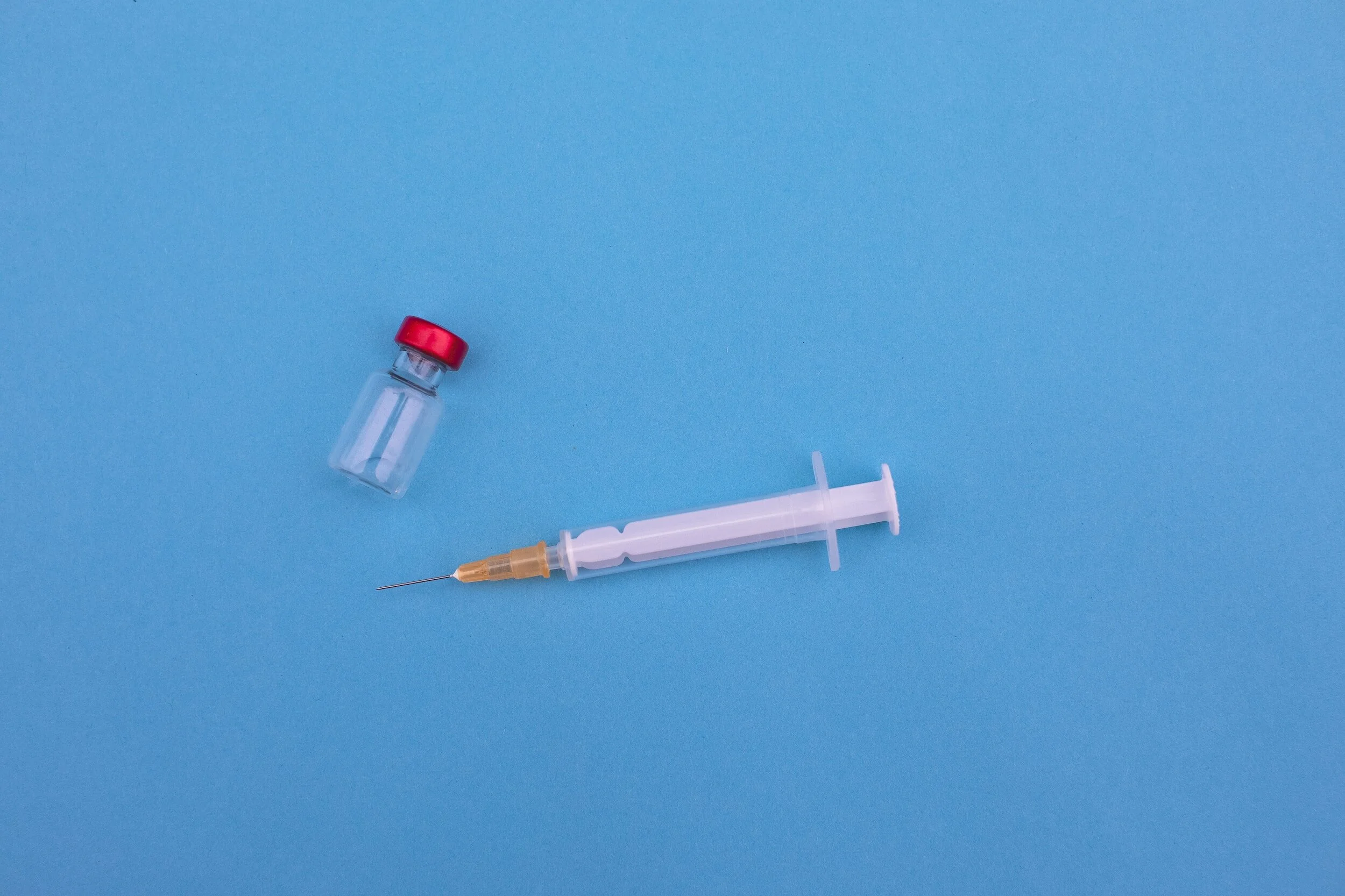
We’re not anti-vaccine. But we don’t want you to over vaccinate and to make educated and well-informed decisions before you do!
When DIY Isn't Enough Already tried the basics? If this is happening with your dog and you're still stuck, I can help you figure out what deserves attention next.
Request a Discovery Callback →