

Best Essential Oils for Dogs: How to Build a Wellness Collection
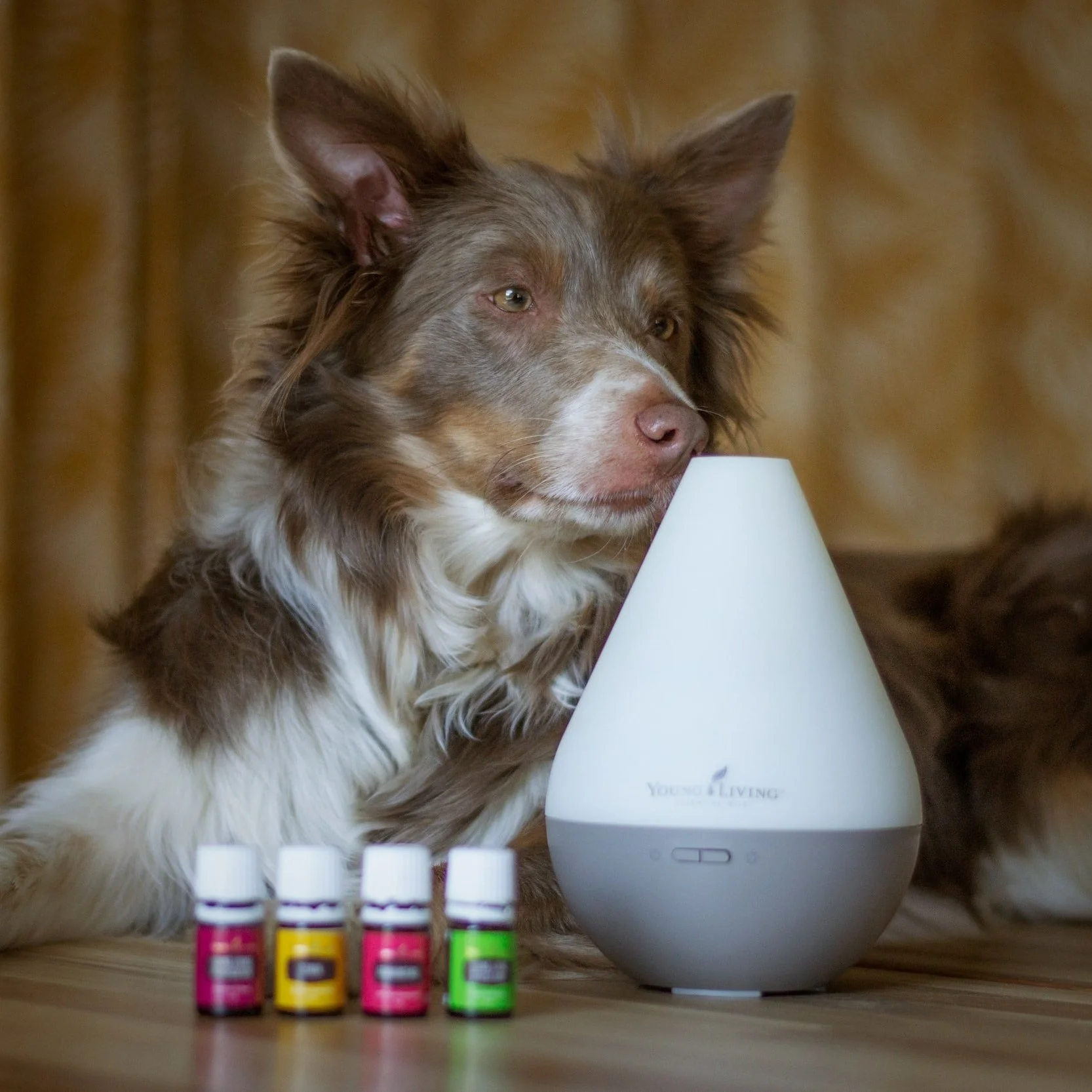
Best Essential Oils for Dogs: Building a Practical First-Aid and Wellness Collection
There are hundreds of essential oils, including single oils, blends and specialty formulas. That can make it difficult to know where to begin.
Pet parents often ask me which essential oils they should keep on hand for their dogs. They want enough variety to support common situations without buying dozens of bottles they do not understand and may never use.
A thoughtful essential oil collection may give you useful options for dog anxiety, fireworks, travel stress, minor cuts and scrapes, bruising, skin irritation, digestive discomfort, muscle soreness, joint stiffness, respiratory support and everyday first aid.
See your vet for a diagnosis and then you and I can collaborate on a custom strategy for your dog’s health.
Why I Want Pet Parents to Have Essential Oils on Hand
When a pet parent calls me because something has happened, I want them to have a few useful tools available.
Maybe their dog is frightened by fireworks, restless after a stressful event, nauseated during a car ride, sore after too much activity or dealing with a small scrape or irritated paw.
We may still need veterinary care. We may also need a more strategic plan involving nutrition, herbs, homeopathy, supplements, bodywork or other support.
But having a solid base collection of essential oils means we may be able to begin offering gentle support while we sort through the larger picture.
That is very different from waiting until your dog needs help and then ordering one bottle that will arrive several days later.
Essential oils can become part of a practical home wellness and first-aid kit. The goal is not to own every oil. The goal is to own useful oils and understand what they may help support.
You Do Not Need to Buy Every Oil at Once
Adding one or two essential oils to your collection at a time is a budget-friendly way to begin.
A 15-milliliter bottle of essential oil generally contains approximately 250 to 270 drops.
Why approximately?
Essential oils have different viscosities, or thicknesses. A thinner oil may dispense differently from a thicker oil. Temperature, the bottle opening and the size of each drop may also affect the final number.
Because essential oils are generally used in small amounts, one bottle may last much longer than expected.
This makes it easier to build a useful collection gradually rather than buying 25 oils in one shopping spree and later wondering why half of them have never left the cabinet.
Essential Oils for Dog Anxiety, Fear and Stress
Many pet parents first explore essential oils because their dog struggles with fear, nervousness or difficulty settling.
This may include:
Fireworks and thunderstorms
Separation-related distress
Car rides and travel
Grooming
Vet visits
Moving to a new home
Adjusting after adoption
Training stress
Overstimulation
Difficulty sleeping or settling
Essential Oils for Dog Anxiety, Fear and Stress
Many pet parents first explore essential oils because their dog struggles with anxiety, fear, overstimulation or difficulty settling. This may include fireworks, thunderstorms, separation-related distress, travel, grooming, vet visits, moving, adoption or other changes in routine.
| Oil or Blend | May Be Considered For | Important Notes |
|---|---|---|
| Lavender | Calming, rest, emotional stress, skin comfort and minor first-aid situations. | A versatile foundation oil that may be useful for both the dog and pet parent. |
| Cedarwood | Grounding, nervous-system balance, restlessness and difficulty settling. | May be helpful for dogs who remain watchful or alert even when the environment is calm. |
| Vetiver | Focus, emotional overstimulation, transitions and difficulty calming after an intense experience. | The aroma is earthy and strong, so introduce it slowly and observe the dog’s response. |
| Roman Chamomile | Emotional sensitivity, restlessness, stress-related digestive tension and sleep support. | Often considered for dogs who are both emotionally and physically sensitive. |
| Valerian | Stronger nervousness, noise sensitivity and difficulty relaxing. | Its aroma is distinctive and may not appeal to every dog. |
| Calming Blend | Travel, changes in routine, household stress, fear and difficulty settling. | Review every oil in the blend rather than judging it by the product name alone. |
| Grounding Blend | Confidence, training support, transitions and emotional steadiness. | May be useful when a dog needs support feeling more secure in a new or stressful situation. |
Related Support for Anxious Dogs
Essential oils may help lower the emotional volume, but they do not replace a deeper look at pain, digestion, sleep, environment, behavior patterns or underlying health problems.
Essential Oils for Dog First Aid, Cuts and Scrapes
A practical canine first-aid collection may include oils for minor cuts, scrapes, bruising, irritated paws, insect encounters, small burns and skin discomfort after a bump or minor injury.
| Oil or Blend | May Be Considered For | Important Notes |
|---|---|---|
| Helichrysum | Minor bleeding, bruising, small cuts, scrapes and skin after injury. | Deep wounds, punctures, bites, uncontrolled bleeding and surgical incisions require veterinary care. |
| Lavender | Minor skin irritation, small scrapes, mild burns and calming after a frightening event. | Do not apply oils to a serious burn or large area of damaged skin without professional guidance. |
| Frankincense | Minor wounds, irritated skin, inflammation and skin recovery after an injury. | Supportive care does not replace proper cleaning, wound assessment or veterinary treatment. |
| Tea Tree | Minor cuts, scrapes, irritated paws and microbial skin support. | Quality, dilution, route of use and the dog’s size and health history all change the plan. |
| Copaiba | Skin comfort, inflammation and physical discomfort after a minor injury. | Persistent pain or reluctance to use a limb needs further evaluation. |
| Outdoor and Cleansing Blend | Insect encounters, odors, environmental use and selected minor skin-support situations. | Check every ingredient and avoid applying a concentrated blend directly to irritated skin. |
Essential Oils for Itchy Dog Skin, Paws and Coat
Pet parents frequently search for essential oils for itchy dog skin, irritated paws, hot spots and coat problems. Some oils may provide support, but the cause of the itching still needs attention.
Itching and skin irritation may be connected with:
- Fleas
- Yeast
- Bacterial infection
- Food reactions
- Environmental allergies
- Contact irritation
- Hormonal or endocrine disease
- A damaged skin barrier
- Poor nutrition
- Chronic inflammation
| Oil | May Be Considered For | Important Notes |
|---|---|---|
| Lavender | Minor irritation, dryness, small scrapes and general skin comfort. | Persistent itching needs a deeper look at food, fleas, yeast, allergies and the skin barrier. |
| German Chamomile | Red, sensitive, irritated or inflamed-looking skin. | Its deep color may stain pale fur, fabrics or bedding. |
| Carrot Seed | Dry, weathered or irritated skin and general skin wellness. | Often used as one part of a broader skin-support blend rather than as the only ingredient. |
| Frankincense | Minor skin damage, inflammation and healthy skin recovery. | Do not use topical support to delay care for a growing lump, ulcer or wound that will not heal. |
| Tea Tree | Irritated paws, minor skin concerns and microbial skin support. | Proper dilution and high-quality oil are essential. |
Essential Oils for Dog Muscles, Joints and Stiffness
Dogs may become sore after activity, compensate for an injury or develop stiffness and mobility changes as they age. Essential oils may become part of a broader comfort plan that also includes nutrition, omega-3s, herbs, medicinal mushrooms, bodywork, PEMF, weight management and veterinary pain care when needed.
| Oil or Blend | May Be Considered For | Important Notes |
|---|---|---|
| Copaiba | Inflammation, physical comfort and nervous-system support. | May be included in massage or broader mobility-support routines. |
| Muscle Comfort Blend | Sore muscles, stiffness, physical activity, massage and bodywork. | Check for hot or stimulating oils before using on small or sensitive dogs. |
| Marjoram | Muscle tension, stiffness, rest and emotional comfort. | May be especially helpful when physical tension and difficulty settling occur together. |
| Peppermint | Sore muscles, physical fatigue and cooling support. | Use thoughtfully with puppies, very small dogs, seizure-sensitive dogs and dogs sensitive to strong aromas. |
| Frankincense | Inflammation, mobility support and general physical comfort. | Ongoing stiffness or limping should not be assumed to be normal aging. |
Essential Oils for Dog Digestion, Nausea and Car Sickness
Some dogs struggle with occasional nausea, gas, digestive discomfort or motion sickness. Travel anxiety and car sickness are not always the same problem. A dog may be frightened, nauseated, overstimulated or dealing with all three.
| Oil or Blend | May Be Considered For | Important Notes |
|---|---|---|
| Digestive Blend | Occasional nausea, gas, unsettled digestion and digestive discomfort. | Review the full ingredient list and adapt the application to the individual dog. |
| Spearmint | Nausea, digestive comfort and a fresher, more settled feeling. | Often considered a gentler aromatic option than peppermint. |
| Peppermint | Occasional nausea, digestion and motion-related discomfort. | Not my first choice for every puppy, tiny dog or highly sensitive dog. |
| Roman Chamomile | Digestive tension connected with stress, nervousness or emotional sensitivity. | Persistent digestive problems require more than calming the stomach in the moment. |
Read Remedies for Dog Car Anxiety for a broader look at fear, nausea and motion sensitivity.
Essential Oils for Dog Respiratory and Seasonal Support
Certain oils and blends may be considered for seasonal respiratory comfort, occasional stuffiness and environmental support.
| Oil or Blend | May Be Considered For | Important Notes |
|---|---|---|
| Respiratory Blend | Seasonal respiratory comfort, environmental support and easier breathing during mild congestion. | Review the full ingredient list, especially for puppies, seizure-sensitive dogs and dogs with chronic respiratory disease. |
| Eucalyptus Radiata | Seasonal respiratory support and occasional stuffiness. | Use with additional care around puppies, seizure-sensitive dogs and medically complicated dogs. |
| Spearmint | Gentler aromatic and respiratory support. | May be preferred when stronger mint aromas are not well tolerated. |
| Lemon | Environmental freshness, emotional uplift and household cleaning. | Consider photosensitivity when certain citrus oils are used topically. |
Extra care is needed with dogs who have:
- Chronic coughing
- Collapsing trachea
- Heart disease
- Seizures
- Brachycephalic anatomy
- Respiratory disease
- Sensitivity to fragrance
Essential Oils for the Dog and Pet Parent
One advantage of building a thoughtful essential oil collection is that many of the same oils may be useful for both the dog and pet parent.
| Oil or Blend | Possible Dog Uses | Possible Pet-Parent Uses |
|---|---|---|
| Lavender | Calming routines, rest, skin comfort and minor first aid. | Bedtime routines, emotional stress and skin comfort. |
| Copaiba | Physical comfort, skin support and inflammatory patterns. | Muscles, joints and general physical comfort. |
| Muscle Comfort Blend | Massage, stiffness and post-activity support. | Sore muscles, exercise recovery and massage. |
| Digestive Blend | Occasional nausea, gas and digestive discomfort. | Household digestive support when used appropriately. |
| Calming Blend | Fear, transitions, travel and difficulty settling. | Stressful days, travel and emotional support. |
This makes the collection more practical and cost effective. When your dog is panicking during a thunderstorm, there is a decent chance the person on the other end of the leash could use some support too.
Your Starter Collection May Already Include Useful Oils
Many essential oil starter collections include several versatile oils and blends that may have a place in human and canine wellness.
A practical starter collection may include:
- Lavender
- Frankincense
- Copaiba
- Peppermint
- Lemon
- Tea Tree
- Digestive Blend
- Muscle Comfort Blend
- Calming Blend
- Household Cleansing Blend
- Respiratory Blend
This gives the pet parent a useful beginning. The next step is learning which oils fit each situation, how they should be used and what additional oils may be worth adding over time.
Oils to Add Beyond the Starter Collection
Once you have a few versatile foundation oils, you can add others based on the situations your dog and household actually face.
Consider adding:
Helichrysum: For minor bleeding, bruising, cuts, scrapes and dog first-aid support
Cedarwood: For grounding, rest, skin and nervous-system support
Vetiver: For focus, overstimulation and difficulty settling
Valerian: For stronger nervousness, restlessness and noise sensitivity
Roman Chamomile: For sensitive dogs, emotional tension and digestive stress
German Chamomile: For irritated skin and inflammatory support
Carrot Seed: For dry skin, skin recovery and tissue wellness
Marjoram: For muscles, stiffness, tension and rest
Spearmint: For nausea, digestion and respiratory support
Peace & Calming: For fear, nervousness and emotional intensity
Valor: For confidence, grounding and transitions
Purification: For insect encounters, odors and environmental use
Citrus Fresh: For emotional uplift and household freshness
Combined with the useful oils already found in many starter collections, these additions can help build a strong collection of approximately 25 single oils and blends.
You do not need to buy all 25 at once.
Each bottle should have a clear reason for being in your cabinet.
Quality Is More Important Than Quantity
The best essential oils for dogs are not simply the least expensive bottles or the products with the prettiest labels.
Look for information such as:
Common and botanical name
Plant part used
Extraction method
Country of origin
Batch or lot information
Testing practices
Ingredient transparency
Storage recommendations
Fragrance oils and synthetic perfume oils are not the same as authentic essential oils.
A smaller collection of high-quality oils is more useful than a cabinet full of questionable bottles.
Essential Oil Safety Depends on the Dog
A strong collection gives you options. It does not mean every oil is appropriate for every dog.
Before using an oil, consider:
Age, breed and size
Diagnosis and symptoms
Medications and supplements
Liver and kidney function
Respiratory health
Seizure history
Skin condition
Pregnancy
Sensitivity to aromas
Other animals in the home
The purpose of the oil
Application method
Dilution
Frequency
The individual dog changes the plan.
The Oils Need to Be in Your Hands Before You Need Them
One reason I encourage pet parents to build a thoughtful essential oil collection is simple:
I cannot help you use an oil you do not have.
When you call me with a concern, having oils such as lavender, frankincense, copaiba, helichrysum, a digestive blend or a calming blend already available may allow us to begin supportive care sooner.
That does not replace diagnosis, emergency care or a strategic wellness plan.
It gives us tools to work with while we determine what your dog needs next.
Learn How to Use the Oils You Own
Owning the oils is only the first step.
You still need to understand:
Which oil fits the situation
Whether a single or blend makes more sense
How to dilute it
Where and how to apply it
Whether aromatic use may be preferable
How frequently to use it
When to stop
When your dog needs veterinary care
How to adapt use for puppies, seniors and medically complicated dogs
My self-paced Essential Oils Class for Dogs teaches oil quality, safety, application, dilution, practical chemistry, condition-specific support, home remedies, first-aid kits, reference guides and Raindrop Technique.
The goal is to put useful oils in your hands and help you feel comfortable using them.
LEARN MORE ABOUT THE ESSENTIAL OILS CLASS FOR DOGS
Supporting Resources
essential oils for dogs | safe essential oils for dogs | essential oil starter kit for dogs | essential oils for dog anxiety | essential oils for dog wounds | essential oils for dog cuts and scrapes | essential oils for dog first aid | essential oils for dog joint pain | essential oils for dog travel anxiety
When DIY Isn't Enough Already tried the basics? If this is happening with your dog and you're still stuck, I can help you figure out what deserves attention next.
Request a Discovery Callback →