

Essential Oils for Dog Anxiety: Choosing the Right Support for Your Dog
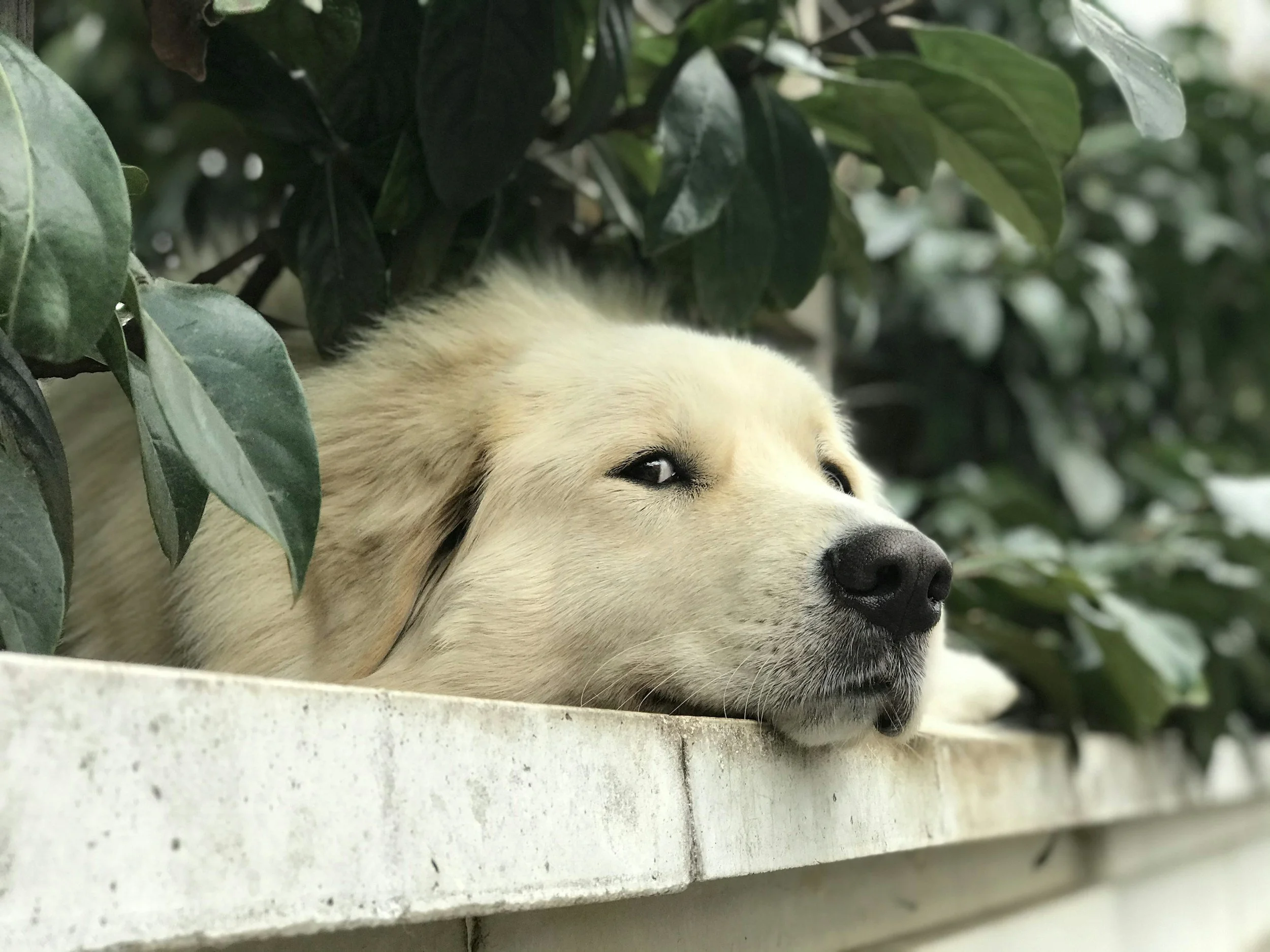
Essential Oils for Dog Anxiety: Choosing Calming Oils by Anxiety Type
When your dog is pacing, trembling, hiding, following you from room to room or reacting to every little sound, you are not looking for a pleasant article about aromatherapy.
You want to know which essential oil may actually help your anxious dog.
Lavender is usually the first answer tossed around online—and lavender can be useful—but dog anxiety is not one single emotional pattern. The dog who panics during thunderstorms may need different support than the dog who cannot settle, becomes frantic when left alone or stays on guard because of past experiences.
That is why I choose essential oils for the dog in front of me rather than grabbing whatever bottle worked for somebody else’s Labrador.
If you are newer to using oils with animals, start with my Essential Oils for Dogs guide for the bigger picture of how I approach aromatherapy with dogs.
See your vet for a diagnosis and then you and I can collaborate on a custom strategy for your dog’s health.
This does not mean your dog needs all of these oils. Sometimes a combination can be extremely effective. We cannot know specifically for YOUR dog until we try.
How Essential Oils May Help Anxious Dogs
Essential oils contain aromatic plant compounds that dogs experience through an exceptionally scent-focused nervous system.
Scent is closely connected with emotion, memory, learned associations and behavior. A familiar aroma may become part of a calming routine and may help some dogs settle, recover more quickly after stress or feel safer during predictable triggers.
Essential oils may be considered for:
- Nervous-system regulation
- Emotional grounding
- Rest and healthier sleep
- Recovery after a frightening event
- Calming routines and scent associations
- Stress connected with travel or changes in routine
- Physical discomfort contributing to restlessness
- Emotional support after trauma, loss or adoption
- Supporting the pet parent’s emotional response
That last one is not an accusation. Your dog notices when you tense up, shorten the leash, hold your breath or begin preparing for disaster before the storm has even arrived. Supporting both ends of the leash can change the emotional environment for everyone.
If you want to understand how aromatherapy fits into a larger professional support plan, read how I use essential oils as a Certified Animal Aromatherapist .
What Does Anxiety Look Like in Dogs?
Dog anxiety is not always obvious fear or a dog cowering in a corner.
It may look like:
- Pacing or panting without an obvious physical reason
- Trembling, hiding or trying to escape
- Following you constantly
- Difficulty resting deeply
- Startling at ordinary sounds
- Scanning the room or remaining on guard
- Barking or lunging at people, dogs or movement
- Destructive behavior when left alone
- Refusing food during stressful situations
- Excessive licking, chewing or repetitive behaviors
- Clinginess or sudden neediness
- Urinating or defecating despite being house-trained
- Becoming frantic during storms, fireworks, travel or grooming
- Difficulty recovering after the trigger has passed
Fear is generally connected with a present threat. Anxiety may involve anticipating something that might happen.
Many dogs experience both. Your dog may not simply be “acting out.” The nervous system may be struggling to return to a settled state.
Is Lavender the Best Essential Oil for Dog Anxiety?
Lavender is popular because it is versatile, familiar and often well tolerated.
It may support general nervousness, restlessness, skin comfort and difficulty settling.
But lavender is not automatically the best oil for every anxious dog.
A dog who is scattered and unable to stop moving may respond more clearly to Vetiver or Cedarwood.
A dog carrying deeper fear may lead me toward Frankincense or Spikenard. A dog whose restlessness may be connected with physical discomfort may benefit from considering Copaiba.
Some dogs simply do not prefer lavender.
When introducing an oil, watch for changes such as:
- Softer eyes
- Slower breathing
- Yawning
- Licking
- Lowering the head
- Less scanning of the room
- Moving closer
- Choosing to lie down
- Turning away or leaving
Turning away is information too.
We do not need to chase the dog around the kitchen with an oil bottle because the internet said lavender is calming.
What Are the Best Essential Oils for Dog Anxiety?
Essential oils I may consider for anxious, fearful, restless or overstimulated dogs include:
| Essential Oil | May Be Considered For | The Dog You May See |
|---|---|---|
| Lavender | General calming, tension, nervousness and difficulty settling. | Restless, mildly fearful or unable to relax. |
| Frankincense | Grounding, emotional balance and recovery after stressful experiences. | Unsettled after change, stress or emotional upheaval. |
| Cedarwood | Steadiness, security, rest and nervous-system support. | Watchful, scattered or unable to switch off. |
| Roman Chamomile | Emotional sensitivity, irritability, tension and stress-related digestive discomfort. | Sensitive, easily overwhelmed or physically tense. |
| Vetiver | Deep grounding, hypervigilance and over-arousal. | Constantly scanning, pacing or staying on guard. |
| Copaiba | Physical and emotional comfort. | Restlessness that may be partly connected with discomfort. |
| Spikenard | Fear, trauma and difficulty feeling safe. | Shut down, guarded or carrying deeper emotional patterns. |
| Geranium | Emotional balance and support during change. | Struggling after loss, transition or disruption. |
| Valerian | Noise sensitivity, situational nervousness and difficulty relaxing. | Panicked during storms, fireworks or intense triggers. |
| Ylang Ylang | Emotional tension and nervous-system support. | Tense, reactive or emotionally wound up. |
Anxiety Is Not Always Just Anxiety
Behavior may be one of the earliest ways a dog communicates that something in the body has changed.
Before assuming the problem is purely emotional, ask:
- Did the anxiety begin suddenly?
- Is your dog painful, itchy or uncomfortable?
- Has appetite or stool changed?
- Is there nausea, reflux or digestive upset?
- Did symptoms begin after medication, anesthesia or another medical event?
- Has your dog’s vision or hearing changed?
- Is this a senior dog developing cognitive changes?
- Could thyroid, adrenal or other endocrine changes be involved?
- Does your dog sleep deeply?
- Has the household or schedule recently changed?
- What medications, supplements and calming products are already being used?
Most pet parents answer the questions they are asked.
What they often need is someone who asks the questions they did not know to ask.
That is also why anxiety sometimes belongs in a much bigger conversation about the whole dog. My Holistic Pet Health Coaching approach looks at food, gut health, pain, inflammation, environment, behavior, medications, supplements and the patterns that keep repeating—not just the symptom labeled “anxiety.”
Which Essential Oil Fits Your Dog’s Anxiety?
Different anxiety patterns may call for different essential oils and different support strategies. The dog who startles at ordinary sounds is not necessarily the same dog who panics when left alone or becomes frantic during a thunderstorm.
| Anxiety Pattern | Oils to Consider | What Else to Consider | Related Support |
|---|---|---|---|
| Generally Nervous |
Lavender Frankincense Roman Chamomile Cedarwood |
This dog may startle easily, watch everything and struggle to sleep deeply. Genetics, early development, pain, poor sleep, household tension and past experiences may all contribute. | Look at the dog’s full history, daily routine, sleep quality and physical comfort. |
| Cannot Settle |
Vetiver Cedarwood Frankincense Copaiba Roman Chamomile |
This dog may pace, pant, fixate on toys, chase shadows or remain physically “on” after exercise. More activity is not always the answer. Rest, decompression, food, bodywork and nervous-system support may be needed. | Consider pain, overstimulation, poor sleep and difficulty transitioning from activity to rest. |
| Fireworks, Thunderstorms and Noise Sensitivity |
Lavender Frankincense Vetiver Cedarwood Valerian |
Introduce oils during calm periods and pair the aroma with a familiar resting place, massage, quiet music, licking or sniffing activities and predictable pre-storm routines. Do not wait until the dog is already in full panic. | Fear of Fireworks in Dogs |
| Separation Anxiety |
Lavender Vetiver Cedarwood Frankincense Roman Chamomile |
Essential oils may support a departure routine, but they cannot teach a panicked dog to tolerate being alone. Gradual behavior work, environmental adjustments and a broader health review are still needed. | Essential Oils for Dogs With Separation Anxiety |
| Rescue Dogs and Fearful Histories |
Spikenard Frankincense Vetiver Geranium Cedarwood |
These dogs may shut down, avoid touch, remain hypervigilant or struggle to recover after stressful events. Reiki, massage, acupressure, Raindrop Technique and other gentle body-based support may also be helpful. | Rescue and Foster Dog Support |
| Travel and Car Anxiety |
Lavender Cedarwood Frankincense Vetiver Roman Chamomile |
Travel stress may involve fear, nausea, motion sensitivity, excitement or a previous bad experience. The reason for the discomfort changes the support plan. |
Remedies for Dog Car Anxiety
Traveling With Your Dog |
The goal is not to overpower fear with a strong aroma. It is to choose an oil that fits the dog’s pattern and use it as one part of a broader plan for safety, regulation and recovery.
How to Introduce Calming Essential Oils to Your Dog
You do not need to create a complicated protocol on the first day.
Start with one oil during a calm period.
You may:
- Allow the dog to smell the closed bottle from a comfortable distance
- Introduce the aroma briefly
- Allow the dog to move away
- Pair the scent with rest, massage or quiet time
- Observe breathing, posture and behavior
- Keep notes on whether the dog settles more easily
- Avoid introducing several new oils at once
Do not begin by applying a strong concentration directly to the dog.
The method, dilution and frequency should fit the oil and the individual dog.
A small senior Dachshund with liver concerns does not automatically receive the same plan as a healthy young Great Dane.
Puppies, pregnant dogs, dogs with seizures, dogs taking medication and dogs with significant organ dysfunction also require individual consideration.
Ways Essential Oils May Be Used With Anxious Dogs
Essential oils may be incorporated through:
- Aromatic introduction
- Diffusion
- Topical application
- Massage or bodywork
- Scent-associated calming routines
- Raindrop Technique
- Emotional-release work
- Support before and after stressful events
- Supporting the pet parent at the same time
The best method depends on the dog, oil and purpose.
Read Is Diffusing Essential Oils Safe for Dogs? before using a diffuser as your main strategy.
Why Essential Oil Quality Changes the Experience
Essential oils are concentrated botanical products.
Plant species, growing practices, extraction, storage, age and adulteration can all affect what is inside the bottle.
This is not the place to grab the cheapest bottle beside a scented candle and assume all lavender is lavender.
Fragrance oils and synthetic perfume oils are not the same as authentic essential oils.
Quality does not guarantee that an oil fits every dog, but poor quality can make an already complicated decision worse.
For the foundational discussion of quality, safety and why I believe pet parents should understand this tool rather than simply copy internet recipes, visit Essential Oils for Dogs: Why Every Dog Parent Should Learn Them .
Natural Remedies for Canine Anxiety: Looking Beyond One Calming Oil
Natural remedies for canine anxiety can include much more than a calming essential oil. Depending on the dog, I may also consider nutrition, gut health, herbs, homeopathy, CBD, bodywork, nervous-system regulation, environmental changes and behavior support.
The right approach depends on what is actually driving the anxiety. Fear, pain, digestive discomfort, poor sleep, overstimulation, past trauma, separation distress and age-related changes can all look similar on the surface.
This is why I do not look for one universal calming remedy. I look at the individual dog, the pattern of anxiety, the dog’s health history and what else may be contributing before deciding which natural tools make the most sense.
Whole-Dog Support for Anxiety
Essential oils are one category of support.
An anxious dog may also benefit from looking at:
- Fresh-food nutrition
- Gut and microbiome health
- Pain and inflammation
- Sleep quality
- Daily routine
- Exercise and decompression
- Environmental triggers
- Herbs
- Homeopathy
- CBD
- Medicinal mushrooms
- Massage and bodywork
- PEMF
- Reiki
- TCVM patterns
TCVM may help identify patterns such as heat, stagnation, deficiency, digestive weakness, stress or inflammation.
Muscle testing may help guide tolerance and direction in sensitive or complicated dogs.
Experience helps recognize patterns, ask better questions and avoid wasting time on random product guessing.
Why Calming Essential Oils May Not Seem to Work
When someone tells me, “I tried essential oils and they did nothing,” I want to know what was used, how it was introduced and what else was happening with the dog.
Common reasons include:
- The oil did not fit the dog’s anxiety pattern.
- It was introduced for the first time during a crisis.
- The dog was already too overwhelmed to respond.
- The aroma was too strong.
- The dog did not like that oil.
- The oil was used once instead of becoming part of a routine.
- The product was poor quality.
- Pain, nausea, itching or digestive discomfort was driving the behavior.
- The dog needed behavior work or environmental changes too.
- The pet parent expected one bottle to resolve a complicated history.
Essential oils may be powerful tools.
They are not magic erasers.
They help create better conditions for the dog to regulate, recover, learn and rest.
When Your Anxious Dog Should See the Veterinarian
A dog with sudden, severe or rapidly worsening anxiety should be evaluated, especially when the behavior is new.
Contact your veterinarian when anxiety is accompanied by:
- Pain or sensitivity to touch
- Persistent panting or pacing
- Vomiting, diarrhea or appetite loss
- Abdominal swelling or repeated attempts to vomit
- Weakness, collapse or disorientation
- Seizures or unusual neurological behavior
- Breathing difficulty
- Major personality changes
- Self-injury or dangerous escape attempts
- Sudden nighttime anxiety in a senior dog
Veterinary care is valuable for diagnostics, pain control, laboratory testing, imaging, stabilization and medication when needed.
Then we can look at nutrition, essential oils and other natural options for recovery and long-term support.
Anxiety Medication and Natural Support
Medication may be prescribed when fear, panic, separation anxiety or compulsive behavior prevents a dog from functioning or learning.
My preference is to investigate food, gut health, pain, sleep, stress patterns, environment and natural support rather than assuming medication is the only answer. And the fact is—we get great results.
Dogs already taking anxiety medication should not have it stopped or reduced without veterinary guidance.
Essential oils, herbs, homeopathy, CBD, Chinese herbs, nutrition and bodywork may be considered as part of a broader individualized plan.
The goal is not to declare one side natural and the other side wrong.
The goal is to use the tools the dog needs while continuing to investigate why the anxiety is happening.
What You Can Do Today
Start by:
- Identifying when the anxiety occurs
- Writing down the signs you actually see
- Looking for physical symptoms alongside the behavior
- Introducing one well-chosen oil during a calm period
- Allowing your dog to respond rather than forcing the interaction
- Pairing the aroma with rest, massage or another calming activity
- Tracking whether your dog settles or recovers more easily
- Seeking veterinary evaluation if the behavior is sudden or severe
Small changes count.
A dog who pauses before reacting, rests ten minutes longer or recovers more quickly after a trigger is showing us something useful.
Frequently Asked Questions About Essential Oils and Natural Remedies for Dog Anxiety
What are natural remedies for canine anxiety?
Natural support for canine anxiety may include essential oils, herbs, homeopathy, CBD, fresh-food nutrition, nervous-system support, massage, bodywork, calming routines, environmental changes and behavior work. The right approach depends on what is driving the anxiety because fear, pain, digestive discomfort, poor sleep, overstimulation, past trauma and separation distress may all look similar on the surface.
I do not look for one universal calming remedy. I look at the individual dog, the pattern of anxiety, the dog’s health history and what else may be contributing before deciding which natural tools make the most sense.
What is the best essential oil for dog anxiety?
There is no single best oil for every anxious dog. Lavender may suit general nervousness, while Vetiver or Cedarwood may better fit a dog who cannot settle. Frankincense, Roman Chamomile, Copaiba and Spikenard may be considered for other anxiety patterns. The dog’s symptoms, health history and response help determine where to begin.
Is lavender essential oil safe for dogs?
Quality lavender essential oil may be used with dogs when it is selected and applied appropriately. Age, size, medications, organ health, sensitivity and application method should all be considered. Lavender is useful, but it is not automatically the best calming oil for every dog.
How should I use essential oils for an anxious dog?
Essential oils may be introduced aromatically, diffused, diluted for topical use or incorporated into massage and calming routines. The best method depends on the oil, the dog and the situation. Provide ventilation during diffusion and allow the dog to leave the area.
Read Is Diffusing Essential Oils Safe for Dogs? for more guidance.
How quickly do essential oils calm an anxious dog?
Some dogs show subtle changes quickly, such as slower breathing, softer posture or choosing to rest. More complicated anxiety usually requires consistency, behavior work and attention to pain, digestion, sleep, environment and other underlying factors.
Can essential oils help with separation anxiety in dogs?
Essential oils may be one part of a separation-anxiety plan, particularly when they are introduced during calm periods and become associated with settling or predictable routines. But they cannot replace gradual behavior work for a dog who panics when left alone.
Read more: Essential Oils for Dogs With Separation Anxiety .
What should I do if my dog suddenly becomes anxious?
Sudden anxiety should not automatically be treated as a behavior problem. Contact your veterinarian when it is new, severe or accompanied by pain, persistent panting, pacing, appetite changes, digestive symptoms, disorientation, weakness or unusual neurological behavior. Sudden nighttime anxiety in a senior dog also deserves evaluation.
Build a Better Anxiety Plan for Your Dog
Essential oils can become valuable tools for dogs dealing with anxiety, fear, noise sensitivity, trauma or difficulty settling.
But owning the bottles is not the same as understanding how to use them.
The better question is not simply, Which oil is calming?
It is: What is this dog showing me, what may be driving it and which support fits this pattern?
My membership includes essential oil education, natural remedies, reference materials and practical support to help you feel more confident using essential oils with your dog.
Learn About MembershipCome, Sit and Stay Well
These statements have not been evaluated by the Food and Drug Administration. This information is provided for educational purposes only and is not intended to diagnose, treat, cure or prevent disease. Always work with your veterinarian for diagnosis, medical treatment and emergencies.
When DIY Isn't Enough Already tried the basics? If this is happening with your dog and you're still stuck, I can help you figure out what deserves attention next.
Request a Discovery Callback →