Dog With Pancreatitis Won’t Eat? Recovery Food and Next Steps
A dog with pancreatitis may refuse food because they are nauseous, painful, refluxy, dehydrated, inflamed, or simply associating food with feeling awful. That does not mean they are being stubborn. It means the body is giving us information.
If your dog is actively vomiting, painful, weak, dehydrated, refusing food with lethargy, or getting worse, this is not the time to play kitchen scientist. Pancreatitis can become serious quickly, and some dogs need veterinary fluids, anti-nausea medication, pain control, lab work, imaging, and monitoring.
Once your dog is stable, the goal is to make eating easier without overloading the pancreas.
Keep Food Simple During Recovery
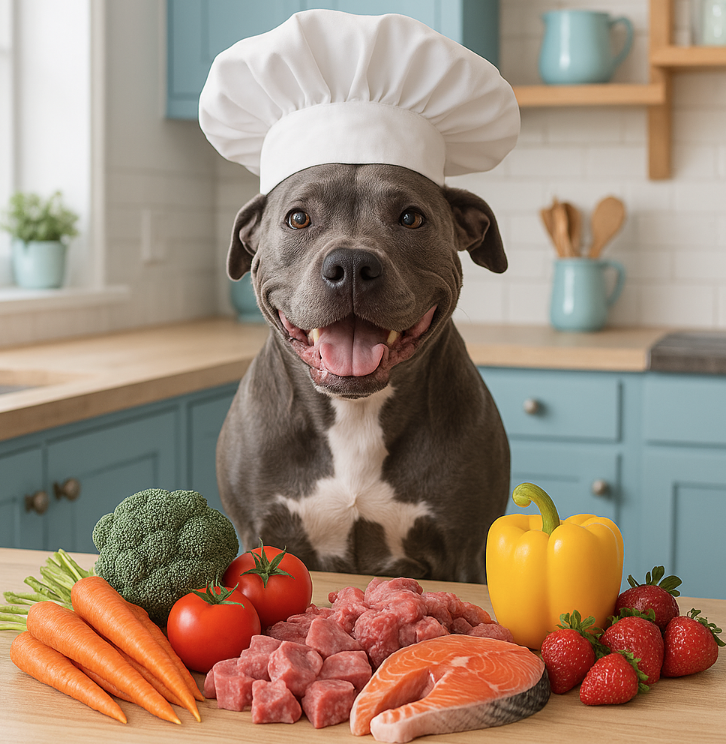
When a pancreatitis dog is recovering, food may need to be boring on purpose. This is not the time for a buffet of toppers, random treats, five new supplements, broth from a mystery pot, or “just a little cheese.” The pancreas does not appreciate culinary creativity during a flare.
Helpful food strategies may include:
• Very small meals offered more often
• Warm food to improve aroma and comfort
• Moist food instead of dry kibble
• Lean, simple protein sources
• Soft texture, such as finely minced, blended, or pureed food
• Low-fat cooking liquid or vegetable broth
• Avoiding rich bone broth, which may be too fatty for some dogs
• A temporary simplified bowl before expanding variety
• Slower transitions when moving from processed food to fresh food
• Tracking what the dog eats and how they feel afterward
• Avoid Synthetics and highly processed foods.
Some dogs do better with gently cooked food during this stage because it is warm, soft, moist, and easy to adjust. Raw may come later for the right dog, but I usually want nausea, pain, stool, hydration, and appetite steadier first.
Do Not Tempt Them With Foods That Can Backfire
When a dog will not eat, pet parents panic. I get it. Watching your dog turn away from food feels awful.
But with pancreatitis, the “please just eat something” strategy can create the next problem.
Now is not the time for:
• Cheese
• Peanut butter
• Fatty meats
• Rotisserie chicken
• Poultry skin
• Bacon or deli meats
• Coconut oil
• Rich bone broth with fat on top
• Sardines packed in oil
• Fatty canned foods
• Random treats
• Bully sticks, pig ears, marrow bones, and rich chews
Even if the dog eats it, that does not mean it was the right choice. Sometimes they eat the thing and pay for it later.
Remember fasting for a day or two may be ok, as long as they are staying hydrated.
Support the Reason They Do Not Want Food
A dog who will not eat may not need a tastier food. They may need nausea, pain, hydration, or digestive support.
Signs of nausea can include lip licking, drooling, grass eating, burping, reflux, swallowing hard, pacing, restlessness, vomiting bile, eating a few bites and walking away, or looking interested in food but unable to eat.
Your veterinarian may recommend anti-nausea medication when needed. I am not opposed to that. A nauseous dog can get stuck in a spiral, and sometimes the body needs help getting out of it.
Natural nausea and digestive comfort support may include:
• Gut lining support
• Slippery elm or marshmallow root
• Ginger when appropriate
• Digestive bitters when appropriate, not during every flare
• Microbiome support
• Acupressure or TCVM pattern support
• Essential oils used thoughtfully for comfort and nausea support
• Homeopathics such as Nux Vomica or other well-selected remedies based on the dog’s presentation
I especially like options that do not require forcing more food into the dog. Essential oils can be applied appropriately, and some homeopathics can dissolve along the gumline or be placed where the dog can lick them. That can be helpful when the stomach is already saying, “Please stop sending things down here.”
Hydration and Minerals During Recovery
Hydration is a big piece of pancreatitis recovery. Vomiting, diarrhea, reduced appetite, fever, and not drinking enough can all push a dog toward dehydration. Dehydration can worsen nausea, slow recovery, and increase the need for veterinary care.
This is one reason I prefer moisture-rich fresh food over dry kibble during recovery. Food can be part of hydration.
Hydration support may include:
• Moist fresh food
• Low-fat cooking liquid or vegetable broth
• Small amounts of water offered frequently
• Electrolytes when appropriate
• Mineral support when needed
• Veterinary subcutaneous or IV fluids when the dog cannot keep up
Electrolytes and minerals may be helpful for some dogs, especially after vomiting, diarrhea, poor intake, heat stress, seizure activity, or weakness. But they do not replace veterinary fluids when a dog is dehydrated, vomiting repeatedly, or continuing to decline.
If the dog needs fluids, they need fluids. Head to the vet. No supplement earns a prize here.
Nutrition Support When Intake Is Low
When a dog is barely eating, we need to be careful. We do not want to overload the digestive system, but we also do not want the dog sliding into weakness, muscle loss, poor healing, and nutrient depletion.
Depending on the dog, I may consider:
• Small, frequent meals
• Lean protein support
• Moisture-rich food
• Amino acid support
• Mineral support
• B vitamins or B12 discussion when absorption is questionable
• Digestive enzymes
• Gut lining support
• Microbiome support
• A temporary simplified plan before rebuilding variety
This is also where lab work may help. If a dog has chronic pancreatitis, weight loss, poor stool, ravenous appetite, muscle loss, or greasy stool, I want to know whether EPI, B12 deficiency, diabetes, liver stress, gallbladder issues, thyroid disease, Cushing’s, or other patterns are also involved.
Do not assume every appetite problem is stubbornness. Dogs are not tiny furry drama queens every time they skip a meal. Sometimes the body is waving a flag.
Pain and Inflammation Can Shut Down Appetite
Pancreatitis hurts. That needs to be said clearly.
Pain can be one of the reasons a dog will not eat, cannot settle, stands hunched, stretches into prayer position, pants, trembles, or looks restless. Your vet may use pain medication when needed, and this is one of those times where pain control can be very appropriate. A painful dog will not heal, eat, or rest as well.
Once the dog is stable, natural support may help with comfort and inflammatory balance. Depending on the case, I may consider CBD, omega-3 strategy when appropriate and tolerated, medicinal mushrooms, herbs such as boswellia, homeopathy, essential oils, PEMF, Reiki, gentle bodywork when the abdomen is not painful, TCVM pattern support, and nervous system support.
This is not about throwing the entire natural medicine cabinet at the dog. More is not smarter. More is often expensive chaos.
The goal is to choose the right support for the right dog at the right time.
When Not Eating Becomes Urgent
A missed meal is one thing. A sick pancreatitis dog refusing food with other symptoms is another. Refusing water or other hydration is even more concerning.
Contact your veterinarian promptly if your dog has repeated vomiting, refusal to eat with lethargy, weakness, signs of dehydration, abdominal pain, trembling or panting from discomfort, bloody diarrhea, collapse, pale gums, worsening nausea, diabetes, or another serious diagnosis along with pancreatitis.
For dogs with diabetes, prolonged refusal to eat can become especially concerning because blood sugar regulation may be affected. This is not a “wait and see” situation.
Veterinary care can stabilize the dog. Then we can work on the food, enzymes, gut support, inflammation support, and long-term recovery plan.
Ask me about my Recovery Nutrition Recipe Available to Members and clients.
See Also :
Building a plan for ongoing Nutrition for Dogs With Pancreatitis
When DIY Isn't Enough Already tried the basics? If this is happening with your dog and you're still stuck, I can help you figure out what deserves attention next. Want reliable education, live Q&A, and member resources? Explore Membership →
Request a Discovery Callback →