Can Dogs With Pancreatitis Eat Fat?
What Dog Moms Need to Know About Oils, Kibble, and Omega-3s
If your dog has had pancreatitis, fat can start to feel like the enemy.
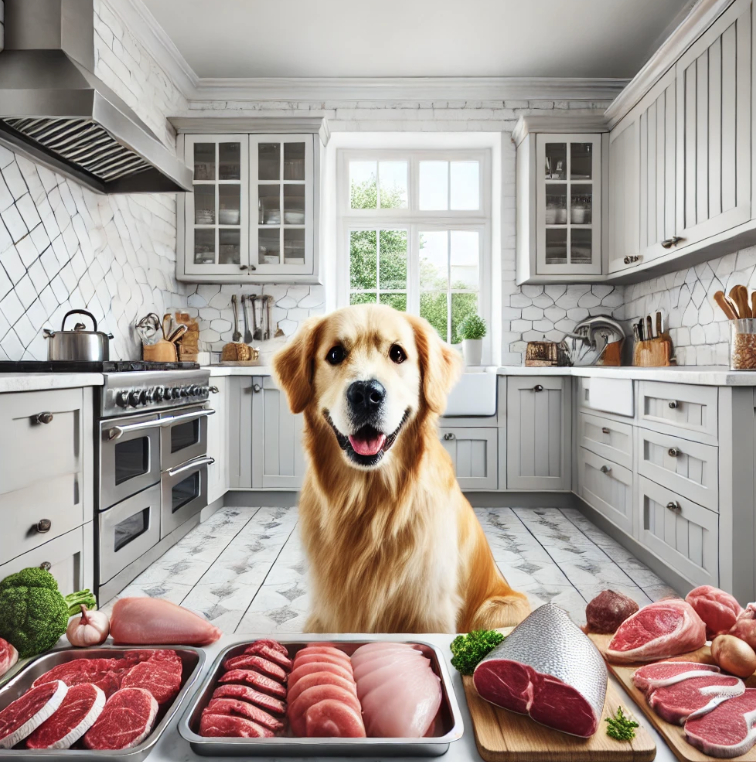
You look at food labels. You panic over treats. You question every topper, chew, oil, and crumb that falls from the counter. And somewhere along the way, many pet parents are told their dog needs to eat low-fat forever. Some are even told to eat no fat at all.
Sometimes low-fat is absolutely appropriate, especially during an acute flare or recovery period. But “low-fat forever” without looking at the whole dog can become another oversimplified answer.
The bigger conversation is not just how much fat your dog eats.
It is also:
• What kind of fat is it?
• Is it fresh or processed?
• Is it rendered, oxidized, or rancid?
• Is the overall diet balanced?
• Is the dog currently stable or actively inflamed?
• Are there hidden fats coming from treats, chews, scraps, toppers, oils, or medications?
• Is the dog dealing with gut, liver, gallbladder, endocrine, kidney, inflammatory, or metabolic issues too?
Same diagnosis does not mean same plan. The internet loves a simple answer. The pancreas is apparently not on the internet’s payroll.
What Pancreatitis Means in Plain English
The pancreas helps with digestion and blood sugar regulation. When it becomes inflamed, digestive enzymes may activate too early and irritate the pancreas and surrounding tissues.
That inflammation can be mild, chronic, severe, or life-threatening. This is why pancreatitis is not a “let’s just try a supplement and see what happens” situation when symptoms are active.
Food absolutely plays a role, but food is not the only piece of the puzzle.
Pancreatitis risk and recovery can be influenced by:
• High-fat meals or sudden fatty treats
• Table scraps, especially rich meats, bacon grease, skin, gravies, and fried foods
• Obesity or rapid weight changes
• Certain medications
• Endocrine disease such as diabetes, Cushing’s, or thyroid issues
• Liver or gallbladder stress
• Gut inflammation or poor digestion
• Breed tendencies
• Previous pancreatitis episodes
• Chronic inflammation in the body
That is why the full case history changes the plan.
When Pancreatitis Is an Emergency
If your dog is vomiting, painful, weak, bloated, refusing food, unable to keep water down, has diarrhea, has a hunched posture, seems restless, collapses, or is acting “not right,” this is vet territory.
Please do not try to manage an acute pancreatitis flare at home with oils, herbs, enzymes, CBD, homeopathy, or Facebook advice.
Your vet is important for:
• Diagnosis
• Bloodwork
• Pain control
• Anti-nausea support
• Fluids
• Imaging when needed
• Hospitalization if severe
• Monitoring for complications
Once your dog is stable, that is where nutrition strategy, natural support, gut repair, inflammation support, and long-term planning become incredibly useful.
Emergency care first. Recovery plan second. Random product guessing never.
Why Fat Gets Blamed
Fat stimulates digestion. In a dog with an irritated pancreas, a high-fat meal can push an already inflamed system too hard.
This is why low-fat diets are commonly recommended during acute pancreatitis recovery. That part makes sense.
Where things get messy is when every dog is given the same long-term answer without looking at:
• Whether the pancreatitis was acute or chronic
• Whether there have been repeated episodes
• What the dog was eating before the flare
• Whether the dog was getting fatty treats or table scraps
• Whether the kibble was high-fat, old, poorly stored, or coated in rendered fat
• Whether liver, gallbladder, gut, endocrine, or inflammatory issues are involved
• Whether the dog is losing muscle, losing weight, itchy, inflamed, or nutrient-depleted
A dog recovering from an acute flare may need a different plan than a dog who had one isolated episode years ago.
A dog with chronic pancreatitis may need a different plan than a dog whose flare happened after a holiday ham situation. And yes, the holiday ham has taken down many a dog. It is practically a pancreatitis villain.
The Problem Is Not Always “Fat.” Sometimes It Is Fat Quality.
This is where many pet parents have never been given the full conversation.
Not all fats behave the same in the body.
There is a difference between fresh, naturally occurring fat in a balanced food plan and processed fats that have been rendered, sprayed onto kibble, exposed to heat, stored too long, or damaged by oxygen.
Fat quality can be affected by:
• Rendering
• High-heat processing
• Oxidation
• Rancidity
• Long storage time
• Heat exposure
• Poor packaging
• Repeated opening and closing
• Large bags of kibble sitting around too long
• Oils sold in huge bottles that take months to finish
This is one reason I do not love pretending that all “low-fat” foods are automatically better foods.
A low-fat food can still be highly processed. It can still be high in starch. It can still rely on synthetic nutrients. It can still be low in moisture. It can still be built from ingredients that do not support the dog in front of us very well.
Low-fat may reduce pancreatic workload during recovery, but it does not automatically equal deep nourishment.
Rendered Fats, Kibble Coatings, and Why Storage Counts
Most kibble needs fat sprayed on after cooking to make it smell and taste good. Otherwise, many dogs would look at it like you handed them drywall pellets.
Those fats may come from rendered animal fat, poultry fat, mixed fat sources, or added oils. Then the bag sits in warehouses, trucks, garages, pantries, hot laundry rooms, or plastic bins.
Over time, fats can oxidize. Oxidized fat is no longer the same as fresh fat.
This is why storage habits are not a tiny detail for pancreatic dogs, allergy dogs, inflammatory dogs, or dogs with sensitive digestion.
Better kibble storage habits include:
• Buy smaller bags if your dog does not finish the food quickly
• Keep food in the original bag inside an airtight container
• Do not dump kibble directly into plastic bins without washing them between bags
• Store food away from heat, sunlight, humidity, and garages
• Avoid buying damaged bags
• Check expiration dates
• Do not keep fish-based kibble forever and act like it is immortal
Fish-based kibble and high-fat kibble can be especially vulnerable because omega-rich fats are more delicate.
That “salmon kibble” may sound healthy on the front of the bag, but if those fats are old, oxidized, or poorly stored, your dog may not be getting the benefit you think they are.
Seed Oils, Added Oils, and the Omega Confusion
Many dog parents hear “add oil” and assume all oils are helpful.
Not so fast.
Some oils add calories and fat without giving the anti-inflammatory support the dog actually needs. Some are high in omega-6 fatty acids, which dogs already tend to get plenty of through commercial diets, poultry-heavy diets, seed oils, and processed foods.
Omega-6 fats are not evil. Dogs need them. But many dogs do not need more omega-6 poured on top of a diet already leaning that direction.
This is why I usually prefer targeted omega-3 support over omega 3-6-9 products.
Why Omega-3 Is Usually a Better Choice Than Omega 3-6-9
When pet parents buy an omega 3-6-9 product, they often think they are covering all the bases.
But for many dogs, especially dogs dealing with allergies, arthritis, seizures, cancer, inflammation, skin issues, or chronic disease, the goal is usually to increase omega-3 intake — specifically EPA and DHA.
Omega-3s from fish oil or algae oil are more directly useful for inflammation support than a random 3-6-9 blend.
Omega 3-6-9 products may include:
• Omega-3
• Omega-6
• Omega-9
• Carrier oils
• Plant oils
• Extra fat calories without enough EPA and DHA
The problem is not that omega-6 and omega-9 are “bad.” The problem is that they may dilute the benefit when the real goal is meaningful EPA and DHA support.
For pancreatic dogs, this gets even more important because every added fat calorie should have a reason. I do not want to add oil just to add oil. I want the fat to earn its spot in the bowl.
More EPA and DHA, Not Just More Oil
When choosing an omega-3, the goal is not simply to add more oil to the bowl. The goal is to increase the amount of EPA and DHA your dog is actually receiving.
Many products require several pumps, chews, capsules, or teaspoons to reach a meaningful amount. That can add extra calories, extra fat, and extra carrier oil without giving the level of omega-3 support you thought you were buying.
This is why label reading is so important. Sometimes a product labeled for a larger dog gives more EPA and DHA per teaspoon, which may allow you to give a smaller volume while still getting a stronger omega-3 benefit. That can be useful for small dogs, pancreatic dogs, overweight dogs, seniors, and dogs who do not tolerate a lot of added oil.
Look at the actual EPA and DHA numbers, not just the marketing on the bottle. A concentrated omega-3 may cost more upfront, but if you use less oil and get more active omega-3 per serving, it may be the better choice.
Be Careful With Huge Bottles of Fish Oil
This one makes people cranky, but it needs to be said.
The giant bargain bottle of fish oil may not be the deal you think it is if it takes months to use.
Omega-3 oils are delicate. They can oxidize when exposed to oxygen, heat, and light. Once an oil smells sharp, paint-like, extra fishy, or “off,” that is not a wellness tool. That is a biology experiment with a label.
Better omega oil habits include:
• Use smaller bottles if you have one small dog
• Choose quality fish oil or algae oil
• Refrigerate after opening when the product calls for it
• Keep the cap tightly closed
• Watch smell and freshness
• Avoid letting bottles sit around for months
• Be extra careful with pancreatic dogs who do not tolerate added fats well
For some dogs, sardines, mackerel, or lean fish may also have a place, but they still need to fit the dog’s fat tolerance and overall food plan.
Why Extremely Low-Fat Forever Can Backfire
There are dogs who need long-term fat restriction. No argument there.
But extremely low-fat diets used too broadly or too long can create other issues, especially when no one is watching the whole dog.
Too little fat may contribute to:
• Dry skin
• Dull coat
• Poor stool quality
• Low energy
• Trouble maintaining weight
• Poor absorption of fat-soluble vitamins
• Missing essential fatty acids
• Reduced food satisfaction
• Loss of muscle if calories and protein are not handled well
This is where “just feed low-fat” can become incomplete advice.
The goal is not to fear fat forever. The goal is to understand what your dog can tolerate, what type of fat makes sense, how much is appropriate, and when the plan needs to change.
Fresh Food Gives You More Control
This is one reason I often prefer a properly balanced fresh food strategy over relying only on processed diet labels.
With fresh food, we can better control:
• Protein source
• Fat level
• Fat quality
• Moisture
• Carbohydrate load
• Ingredient tolerance
• Digestibility
• Hidden additives
• Synthetic nutrient reliance
• Rotation and variety
• Support for other organs involved in digestion
This does not mean every pancreatic dog should be thrown onto a random raw diet. Please do not do that.
A poorly built raw or homemade diet can create new problems, including mineral imbalance, nutrient gaps, excess fat, poor calcium/phosphorus balance, or the wrong protein choices for that dog.
Fresh food can be powerful, but it needs to be done intelligently.
Reintroducing Fat After Pancreatitis
After a pancreatitis flare, fat should be reintroduced carefully, gradually, and based on the dog’s response.
This is not the time for bacon, marrow bones, fatty beef, oily sardines, skin-on chicken, mystery chews, or “just a little” pizza crust from Dad.
A smarter reintroduction plan looks at:
• Current symptoms
• Stool quality
• Appetite
• Nausea signs
• Pain signs
• Lab trends
• Weight and muscle condition
• Current diet
• Medication history
• Treats and chews
• Previous flare triggers
• Other diagnoses
For some dogs, the long-term plan may stay lower fat. For others, the plan may slowly move toward moderate, high-quality fats once they are stable.
The dog decides. Not Facebook. Not the front of a food bag. Not the neighbor whose Lab “did fine.”
Hidden Fats Are Often the Real Problem
Many pet parents are focused on the food bowl, but the flare trigger may be coming from somewhere else.
Common hidden fat sources include:
• Bully sticks
• Marrow bones
• Pig ears
• Cheese
• Peanut butter
• Bacon grease
• Chicken skin
• Fatty beef
• Sausage
• Table scraps
• Freeze-dried organ treats
• High-fat training treats
• Coconut oil
• Too much fish oil
• Oily toppers
• Fatty prescription pill pockets
This is why I ask annoying questions.
Most pet parents answer the question they are asked. What they often need is someone who asks the questions they did not know to ask.
Whole-Dog Questions I Want Answered
Before deciding what fat level is right for a pancreatic dog, I want the bigger picture.
I want to know:
• How old is the dog?
• What breed and size?
• Was this one episode or a recurring pattern?
• How severe was the flare?
• What was the dog eating before it happened?
• What treats, chews, toppers, oils, scraps, and medications were involved?
• Is there vomiting, nausea, reflux, lip licking, grass eating, or stool change?
• What do the labs show?
• Are liver enzymes elevated?
• Is the gallbladder involved?
• Any diabetes, Cushing’s, thyroid disease, kidney disease, IBD, allergies, or seizures?
• Is the dog overweight or losing muscle?
• Is there stress, pain, inflammation, or poor recovery?
• What has already been tried?
• What made things better or worse?
This is how we stop guessing with a food label on it.
Natural Support Categories to Consider
Once your dog is stable and veterinary care has addressed the acute situation, natural support may help with recovery and long-term resilience.
Depending on the dog, support may include:
• Fresh food strategy
• Lower-fat or controlled-fat meal planning
• Digestive enzyme support
• Microbiome support
• Gut lining support
• Liver and gallbladder support
• Omega-3 support from fish or algae
• Carefully selected herbs
• Homeopathy
• CBD when appropriate
• Medicinal mushrooms
• Minerals and electrolytes when needed
• TCVM pattern support
• PEMF, Reiki, massage, or nervous system support
This is not a list of “use all of these.” Please don’t build a supplement lasagna.
The right plan depends on the dog, the flare history, the diet, the labs, the medications, and what that dog can actually tolerate.
TCVM can also be helpful for looking at patterns such as dampness, heat, stagnation, digestive weakness, deficiency, stress, or inflammation. Muscle testing may help guide direction in sensitive dogs, especially when tolerance is unpredictable. These tools do not replace veterinary diagnostics, but they can help refine the support plan.
My Take on Fat and Pancreatitis in Dogs
What I know is this: fat is not automatically the villain.
The wrong fat, too much fat, damaged fat, hidden fat, rancid fat, poorly stored food, and a dog with an already inflamed digestive system — that is where trouble often starts.
During acute pancreatitis, low-fat feeding can be necessary and very appropriate.
Long-term, the question becomes more personal:
• How low does this dog truly need to stay?
• Can the dog tolerate carefully selected fresh fats later?
• Is the current diet helping recovery or just avoiding one trigger?
• Are we supporting digestion, inflammation, microbiome, liver, gallbladder, and nutrient status?
• Are we missing hidden fats from treats, chews, oils, or scraps?
That is the conversation many pet parents are not getting from a bag of low-fat food.
Need Help Sorting Out Your Dog’s Pancreatitis Diet?
This blog is the starting point. Your dog’s actual plan should be based on their history, labs, symptoms, food tolerance, medications, and long-term risk.
Submit an inquiry and let’s see what I can do to help. No obligation — the inquiry callback is no cost to you.
You can also explore supportive products here:
https://welloiledk9.com/products
Related Searches and Content Ideas
Dog pancreatitis diet, can dogs with pancreatitis have fish oil, low fat dog food for pancreatitis, best treats for dogs with pancreatitis, omega 3 for dogs with pancreatitis, rancid kibble and dog health, rendered fat in dog food, what causes pancreatitis flare in dogs, homemade food for dogs with pancreatitis, fresh food for pancreatic dogs
When DIY Isn't Enough Already tried the basics? If this is happening with your dog and you're still stuck, I can help you figure out what deserves attention next. Want reliable education, live Q&A, and member resources? Explore Membership →
Request a Discovery Callback →