
Olive Leaf Extract for Dogs: Benefits, Uses & Safety
Olive leaf extract is one of those herbs that sounds almost too ordinary to be particularly interesting.
It's a leaf from an olive tree. How exciting could it be?
Pretty interesting, actually.
Olive leaf contains naturally occurring polyphenols — most notably oleuropein — that have been studied for antioxidant, antimicrobial and inflammatory-modulating activity.
I use olive leaf extract selectively with dogs when I want immune, microbial, antioxidant or seasonal environmental support. Tick season is one place it may fit, but olive leaf is much bigger than a tick-season herb.
Can Dogs Take Olive Leaf Extract?
Yes, olive leaf extract can be used with dogs when it fits the dog and the goal.
But this is an active medicinal herb — not something I automatically put into every dog's bowl.
Research specifically testing olive leaf extract in pet dogs is still limited, so much of what we know about its compounds comes from laboratory, human and other animal research combined with herbal practice.
That means I use it thoughtfully rather than pretending we have a clinical trial for every condition somebody claims olive leaf can fix.
What Is Olive Leaf Extract?
Olive leaf extract comes from the leaves of the olive tree, Olea europaea.
The leaves contain a number of plant compounds, including:
- Oleuropein
- Hydroxytyrosol
- Tyrosol
- Flavonoids
- Other phenolic compounds
Oleuropein gets most of the attention and is often used to standardize commercial olive-leaf extracts.
When I'm comparing products, I want to know more than simply “contains olive leaf.”
The extract strength, oleuropein content, other ingredients and intended use all matter.
What Are the Potential Benefits of Olive Leaf Extract for Dogs?
I don't think of olive leaf as a disease-specific magic bullet.
I think about the actions of the herb and whether those actions make sense for the dog I'm supporting.
Antioxidant Support
Olive-leaf polyphenols have well-established antioxidant activity.
That becomes relevant when we're thinking about oxidative stress, inflammation, environmental exposure, illness, recovery and healthy aging.
Microbial Balance
Oleuropein and other olive-leaf compounds have demonstrated antimicrobial activity in laboratory research.
That is one reason olive leaf appears in herbal strategies involving unwanted bacterial, fungal and other microbial activity.
Immune Support
I think of olive leaf as supporting immune resilience rather than simply “boosting” the immune system.
The goal is an immune system capable of responding appropriately — and settling back down when the job is finished.
Inflammatory Balance
Olive-leaf polyphenols have also been investigated for their effects on inflammatory pathways.
That doesn't make olive leaf an arthritis drug or an allergy cure. It makes the herb one potential piece of a larger inflammatory-support strategy.
Olive Leaf Extract and Microbial Support
This is probably where olive leaf gets the most internet enthusiasm — and where we need a little common sense.
Laboratory research involving oleuropein and olive-leaf compounds has found activity against a variety of microorganisms.
That makes olive leaf interesting.
It does not mean:
- olive leaf replaces antibiotics when a dog has a serious bacterial infection;
- olive leaf cures Lyme disease;
- olive leaf eliminates every yeast problem;
- olive leaf should be given indefinitely to “kill bad bacteria.”
Remember the Terrain
If your dog keeps developing yeast, infections or other microbial problems, I want to know why the environment keeps allowing them to return.
That may lead us toward:
- Diet
- Gut health
- Immune regulation
- Medication history
- Chronic inflammation
- Environmental exposure
- Nutritional deficiencies
Antimicrobial support can be useful. Rebuilding the dog is usually the bigger job.
For that bigger immune conversation, read:
Why I Use Olive Leaf During Tick Season
This was actually the original reason I wrote this article.
Some dogs live in areas where finding a tick is an occasional event.
Others practically walk outside and enter a tick convention.
Dogs who hike, hunt, camp, live beside wooded areas or spend a lot of time in fields and brush may experience much greater seasonal exposure.
For some of those dogs, I consider olive leaf extract as an additional internal layer of seasonal support.
But Olive Leaf Is NOT a Tick Repellent
Olive leaf does not stop a tick from crawling onto your dog.
It does not replace:
- Daily tick checks
- Prompt tick removal
- Yard and environmental management
- Appropriate topical or aromatic deterrents
- Testing when exposure or symptoms warrant it
I'm using it to support the dog, not pretending it creates a force field around the dog.
Tick Exposure Is About More Than the Tick
I care about the health of the host.
A dog already struggling with chronic inflammation, gut imbalance, poor nutrition, immune suppression or another health burden may respond very differently to an environmental challenge than a healthy, resilient dog.
That is why my tick-season plans can include nutrition, gut support, herbs, essential oils, mushrooms, lower chemical exposure and other foundational work.
Can Olive Leaf Extract Prevent or Treat Lyme Disease in Dogs?
I would not make that claim.
The laboratory antimicrobial activity of olive-leaf compounds is not the same thing as a clinical study showing that olive leaf prevents or cures Lyme disease in dogs.
If your dog has symptoms consistent with a tick-borne illness, diagnostics matter.
Depending on the disease and the dog, conventional treatment may be very important.
Where I think we frequently leave dogs short is everything that comes around that treatment:
- Nutrition
- Gut support
- Immune resilience
- Liver support
- Inflammatory balance
- Recovery
- Long-term monitoring
That's where integrative support becomes valuable.
Olive Leaf for Yeast, Gut Problems and Recurring Infections
Olive leaf sometimes gets recommended for dogs with yeast, digestive imbalance and recurring microbial problems because of oleuropein's antimicrobial activity.
It may be one herb I consider.
But I don't want chronic problems reduced to:
“Which natural antimicrobial should I rotate next?”
If the same problem keeps returning, the repeated infection or yeast may be telling us something about the dog's terrain.
That means we may also need to look at:
- Food
- Microbiome diversity
- Gut-barrier health
- Antibiotic history
- Allergies
- Blood sugar
- Hormonal disease
- Immune health
Read: Dog Gut Health & the Microbiome →
Olive Leaf Extract Can Be Drying
This is one of the practical pieces I don't want lost in a generic supplement article.
Energetically, I consider olive leaf a cooling and drying herb.
That may be useful in one dog and exactly what I don't want in another.
I pay more attention when a dog already tends toward:
- Dry skin
- Dry coat
- Constipation
- Low moisture intake
- Dry, irritated tissues
- Reduced appetite
Watch the Dog, Not Just the Supplement Schedule
Reduce, pause or reassess if you see:
- Loose stool
- Reduced appetite
- Unusual fatigue
- Worsening dryness
- Constipation
- A noticeable change in how the dog feels or acts
Natural does not mean incapable of doing too much.
Why I Often Use Olive Leaf Seasonally or in Pulses
I don't automatically put a dog on olive leaf January 1 and keep giving it through New Year's Eve.
For many dogs, I am more interested in:
- Seasonal use during higher-risk periods
- Shorter targeted use
- Pulsed use
- Reassessment based on symptoms and response
That matters even more when I am working with a senior dog, medically complicated dog or a dog already receiving several herbs and supplements.
The goal is not to create a supplement collection. The goal is to create a plan.
Olive Leaf Extract and Medications
Olive leaf deserves medication consideration too.
Research on olive-leaf compounds has looked at effects on blood glucose and blood pressure, among other systems.
That makes me more cautious when a dog is receiving:
- Insulin or other glucose-lowering treatment
- Blood-pressure medication
- Multiple prescription medications
- Other herbs or supplements aimed at the same pathways
There has even been a small study of oleuropein supplementation and post-meal glucose in healthy dogs, which is another reason I don't treat olive leaf as metabolically inert.
More Isn't Automatically More Effective
If three things in the plan can all influence blood glucose, blood pressure, microbial activity or inflammation, I want to know that.
This is exactly why I review the whole supplement and medication list instead of deciding whether one product is “safe” in isolation.
How Much Olive Leaf Extract Can I Give My Dog?
I don't use one internet dose for every olive-leaf product.
Products can vary significantly in:
- Extract concentration
- Oleuropein percentage
- Liquid vs. capsule form
- Added ingredients
- Recommended duration
That means “one capsule” tells me almost nothing until I know what's actually inside the capsule.
I also care about:
- The dog's size
- Why we're using it
- How long I intend to use it
- Whether the dog runs hot/damp or dry/depleted
- Current medications
- Other herbs in the plan
Potent herbs deserve more thought than copying a dose from somebody else's dog.
What Should I Look for in an Olive Leaf Extract?
I prefer products that clearly tell me what I'm buying.
Look for:
- Olive leaf — Olea europaea clearly identified
- Oleuropein content or standardization when available
- A clear extract concentration
- Minimal unnecessary additives
- A reputable manufacturer
- Appropriate testing and quality control
I would rather know the actual extract strength than be impressed by the size of the number on the front of the bottle.
Olive Leaf Extract for Senior Dogs
Olive leaf can certainly be considered with older dogs, but this is another place where I get more individualized rather than less.
A senior may already be dealing with:
- Multiple medications
- Reduced appetite
- Dryness
- Constipation
- Kidney or liver changes
- Chronic inflammation
- Lower resilience
That doesn't automatically rule olive leaf out.
It means I want the herb to have a very clear job.
Explore Senior Dog Health & Longevity →
Dana's Take: Olive Leaf Is a Tool, Not a Lifestyle
I like olive leaf.
I especially like it when I'm thinking about dogs with significant seasonal exposure who may benefit from additional immune and microbial support.
But I don't put every dog on it year-round because olive leaf is “good for immunity.”
That's not how I use herbs.
I want to know:
- Why are we using it?
- What are we trying to change?
- What else is already in the plan?
- Is this dog hot, damp, dry, depleted or sensitive?
- Are medications part of the picture?
- When are we going to reassess?
If we're dealing with a dog living in tick central, olive leaf may make sense.
If we're dealing with recurring yeast, I want to look at the gut and food too.
If we're dealing with chronic inflammation, I don't expect one antimicrobial herb to fix the terrain.
Use the right herb, for the right dog, for the right reason.
Frequently Asked Questions About Olive Leaf Extract for Dogs
Is olive leaf extract safe for dogs?
Olive leaf extract can be used with dogs, but canine clinical research remains limited and the herb is biologically active. Product strength, the dog's health, medications, duration of use and the reason for using it should all be considered.
What are the benefits of olive leaf extract for dogs?
Olive leaf contains polyphenols including oleuropein that have antioxidant, antimicrobial and inflammatory-modulating activity. I may use olive leaf as part of immune, microbial, antioxidant or seasonal environmental support.
What is oleuropein?
Oleuropein is one of the major phenolic compounds naturally present in olive leaves. It has been widely researched for antioxidant activity and other biological effects and is often used to standardize olive-leaf extracts.
Can olive leaf extract prevent ticks?
No. Olive leaf extract is not a tick repellent and does not stop ticks from attaching to a dog. I use it as potential internal seasonal support for selected dogs, alongside tick checks, environmental management and appropriate external deterrence.
Can olive leaf extract treat Lyme disease in dogs?
There is not good clinical evidence showing that olive leaf extract cures Lyme disease in dogs. A dog suspected of having Lyme or another tick-borne disease needs appropriate veterinary diagnostics and treatment. Olive leaf may be considered as part of a broader integrative support plan rather than a replacement for treatment.
Can olive leaf help dogs with yeast?
Olive-leaf compounds have antimicrobial activity, so the herb may appear in yeast-support strategies. Chronic yeast usually deserves a broader look at diet, gut health, allergies, skin health, immune function and medication history.
Can dogs take olive leaf extract every day?
I don't automatically use olive leaf continuously. Depending on the goal and the individual dog, I may prefer shorter, seasonal or pulsed use followed by reassessment.
Can olive leaf extract interact with medications?
Potential interactions deserve consideration, particularly with medications that affect blood glucose or blood pressure and when a dog takes multiple medications or supplements. Olive leaf should be considered as part of the entire medication and supplement plan.
How much olive leaf extract should I give my dog?
There is no useful universal dose because olive-leaf extracts vary in concentration, oleuropein content and formulation. The dog's size, the product, the reason for using it, duration of use and health history all matter.
Keep Reading
Not Sure Whether Olive Leaf Belongs in Your Dog's Plan?
Maybe it does.
But if you're already juggling tick support, mushrooms, probiotics, detox products, herbs, essential oils, medications and whatever Facebook told you to buy on Tuesday, the answer may not be another bottle.
I can help you look at the whole dog and figure out what actually deserves a place in the plan.
Request a Discovery Callback → Explore Membership →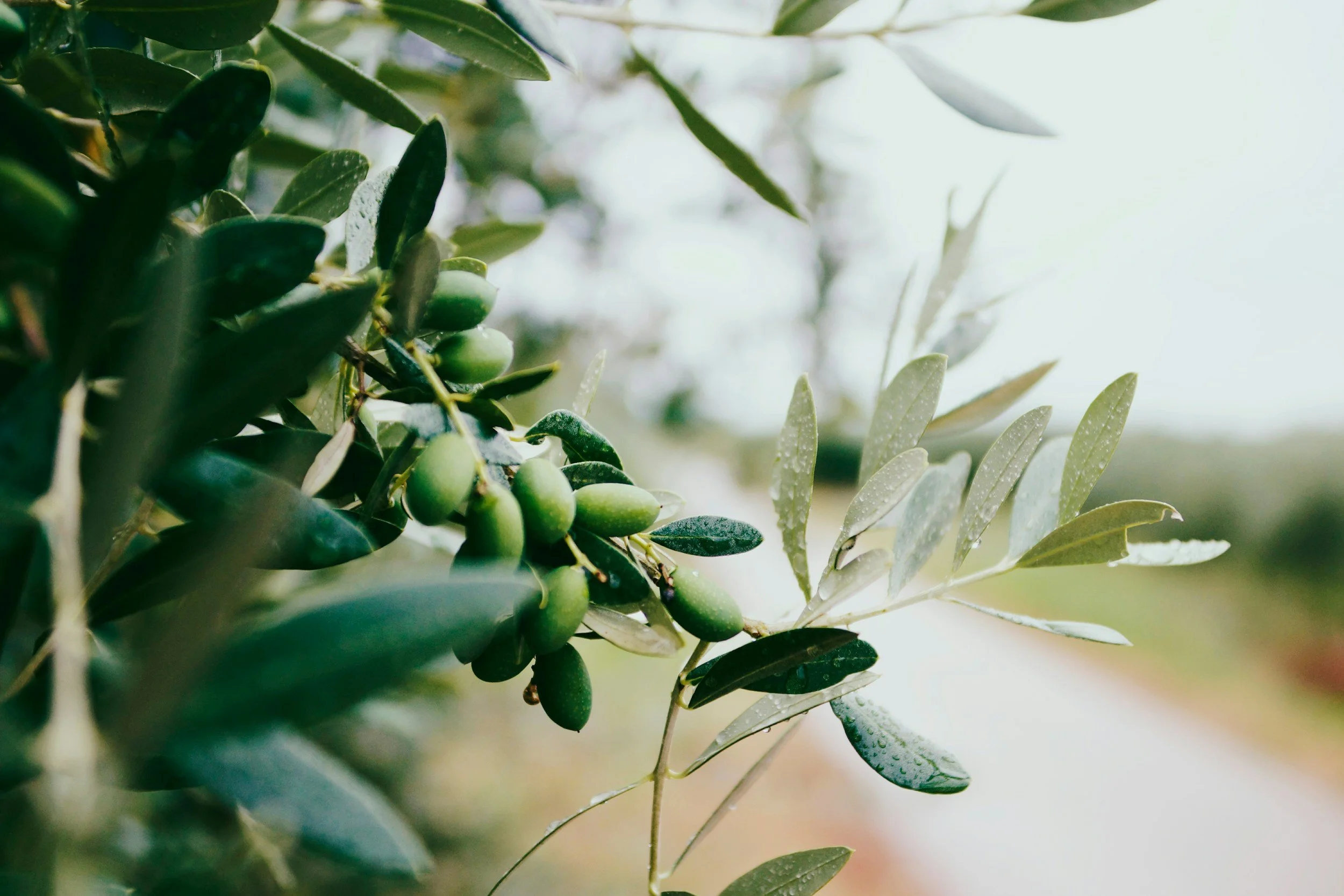
When DIY Isn't Enough Already tried the basics? If this is happening with your dog and you're still stuck, I can help you figure out what deserves attention next.
Request a Discovery Callback →