Raindrop Technique for Dogs: Detox, Recovery, Senior Support and Whole-Body Wellness
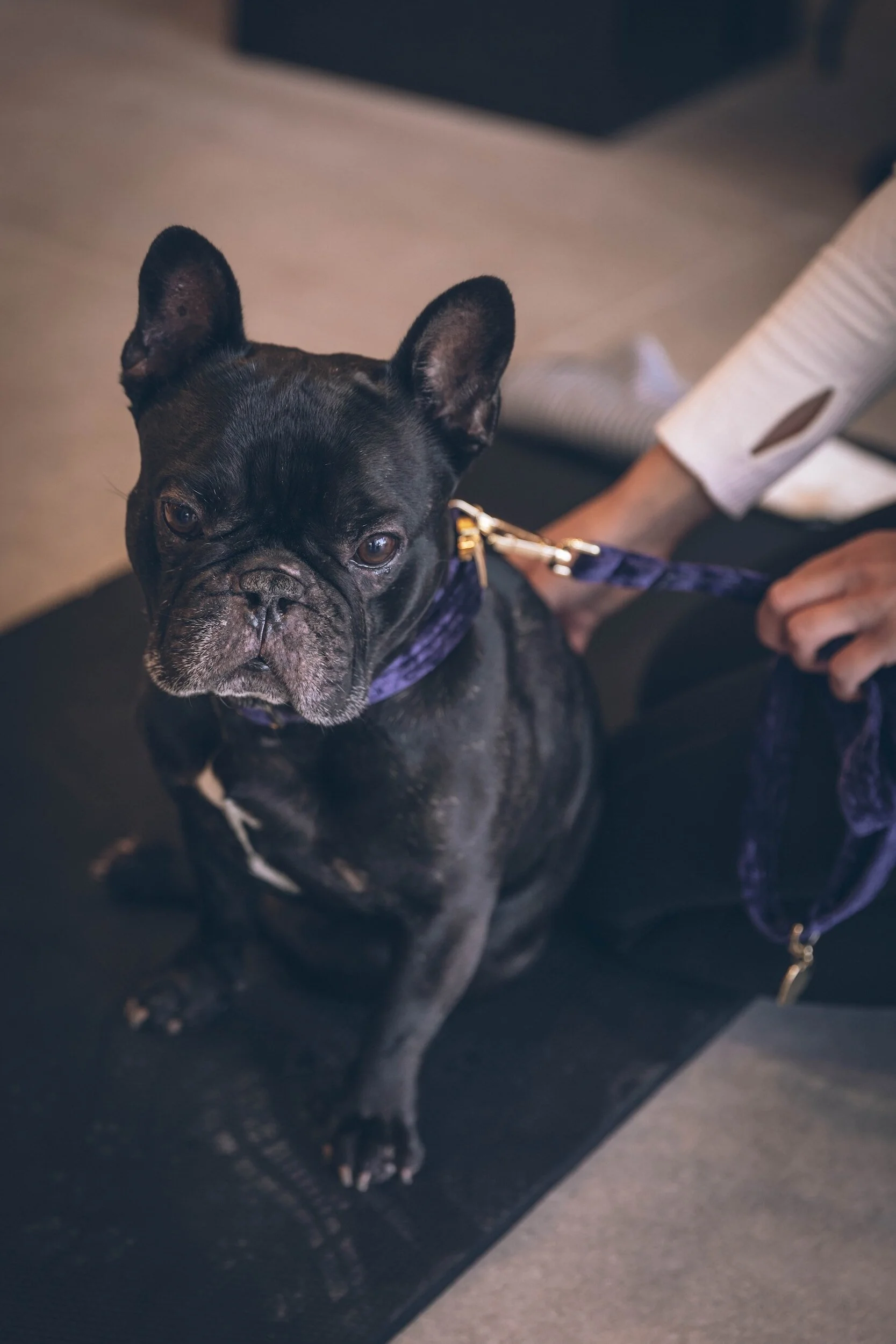
Sometimes a dog is not acutely ill, but they are not quite themselves either.
Maybe their energy never fully recovered back to themself after an illness. Their digestion has been off since antibiotics. They became itchy, restless or uncomfortable after a vaccine. An older dog is moving more slowly, sleeping differently or simply seems to need more support. Perhaps bloodwork and diagnostics have not provided a clear explanation, yet you know your dog—and you know something has changed.
And of course, there’s just living life with all the environmental factors around us.
This is where Raindrop Technique may belong in the conversation.
Raindrop Technique is one of my favorite whole-body wellness tools because it allows me to support several systems at the same time. Depending on the dog and the oils selected, a session may support circulation, lymphatic movement, immune balance, muscular comfort, nervous-system regulation, emotional release and the body’s natural detoxification pathways.
It can be used as a proactive wellness session, as part of recovery after illness or medication, or as an ongoing support tool for senior dogs.
And no, it is not simply dripping a pile of essential oils onto a dog and hoping for the best. There is an actual technique, sequence and purpose behind it.
What Is Raindrop Technique?
Raindrop Technique was originally developed by D. Gary Young for people and was later adapted for use with animals. A canine session combines carefully selected essential oils with light feathering strokes, gentle bodywork, Vita Flex techniques, massage and application along the paws and spine.
The traditional human sequence commonly includes oils such as:
Oregano
Thyme
Basil
Marjoram
Cypress
Wintergreen
Peppermint
Valor
Aroma Siez
A dog does not automatically need every traditional oil, every time.
The oils, concentration, number of applications, length of the session and bodywork techniques should be adjusted according to the dog’s age, size, coat, medical history, sensitivity and current wellness goals.
A healthy adult dog receiving proactive support may have a different session from a frail senior, a seizure-prone dog, a dog recovering from surgery or a dog whose system is already overwhelmed.
That customization is not an optional extra. It is part of using Raindrop appropriately.
More Than an Essential Oil Massage
Raindrop works through several overlapping pathways.
The oils provide aromatic and topical support. Feathering and gentle touch engage the skin, fascia and muscles. Application along the back and feet may encourage circulation and lymphatic movement. The quiet environment, intentional touch and aroma also communicate directly with the nervous and limbic systems.
For many dogs, the session creates a deep shift into a calmer parasympathetic state—the “rest, digest and repair” side of the nervous system.
A body that remains stuck in stress mode does not repair, digest, sleep or regulate inflammation particularly well. Sometimes helping the nervous system settle is an important part of helping the rest of the body function more effectively.
Raindrop Support After Vaccination
Vaccines are designed to stimulate an immune response. That is their job. Most dogs move through that response without significant problems, but some experience lingering inflammation, fatigue, digestive changes, itching, behavioral changes, soreness or a flare of an existing condition.
I use Raindrop as one possible component of a broader vaccine preparation and aftercare plan.
Depending on the dog, a modified session may be used to support:
Immune regulation
Lymphatic movement
Liver and elimination pathways
Muscular comfort
Nervous-system balance
Emotional grounding
Recovery after the immune challenge
Timing and customization matter. I do not automatically perform a full, traditional Raindrop session on a dog who is experiencing an acute vaccine reaction, fever, collapse, breathing difficulty or serious neurological symptoms. Those situations require appropriate veterinary evaluation.
Raindrop is supportive care. It is not a substitute for emergency care.
For dogs with a history of vaccine sensitivity, I prefer planning ahead rather than waiting for the body to struggle. Vaccine preparation may include reviewing whether the dog is healthy enough to vaccinate, discussing titers when appropriate, spacing vaccines, supporting hydration and digestion, and developing individualized before-and-after care.
Recovery After Antibiotics and Other Medications
There are times when antibiotics, steroids, pain medications, seizure medications and other prescriptions are necessary. Holistic care does not mean pretending medication is never needed.
It does mean recognizing that the body may need additional support during and after treatment.
Antibiotics can disrupt the gut microbiome. Steroids may affect appetite, thirst, urination, immune activity and the liver. Anesthesia and pain medication can temporarily affect digestion, energy, coordination and elimination. Long-term medications may place additional demands on the liver, kidneys, gut and nervous system.
Raindrop does not “pull medication out” of the body, and I would not use it with the goal of interfering with a medication that a dog currently needs. Instead, an individualized session may support the systems working harder during treatment and recovery.
This may include support for:
Circulation and lymphatic flow
Rest and nervous-system regulation
Muscle tension and body soreness
Digestive and emotional recovery
Liver and elimination pathways
General energy and vitality
Raindrop works best here as part of a bigger recovery plan. That plan may also include fresh food, moisture, probiotics, prebiotics, digestive support, minerals, appropriate binders, liver support and plenty of rest.
One session cannot outwork a depleted diet, dehydration or an unhealthy environment. The foundation still matters.
Raindrop After Illness, Infection or Surgery
Recovery does not always end when the prescription bottle is empty or the incision closes.
A dog may technically be “better” while still dealing with weakness, altered digestion, poor appetite, disrupted sleep, muscular compensation, emotional stress or low vitality.
A gentle or modified Raindrop session may help support the transition from simply surviving an illness to rebuilding strength and regulation.
For dogs recovering from surgery, I avoid working directly over fresh incisions, painful tissue, unstable injuries or areas of acute inflammation. The session may initially focus more on the feet, emotional support, surrounding areas, circulation and relaxation.
As healing progresses, the protocol can change.
This is another reason I do not believe in one rigid Raindrop formula for every dog. Recovery is a moving target. The session should evolve with it.
Raindrop for Senior and Geriatric Dogs
Senior dogs are one of the populations I most want included in the Raindrop conversation.
Aging affects circulation, muscle tone, digestion, sleep, neurological function, cognition, mobility, immune regulation and the body’s ability to process daily stressors. Older dogs may also be taking medications or managing several chronic conditions at once.
That does not mean we throw every oil in the collection at them. Quite the opposite.
Senior dogs often benefit from shorter, gentler and more focused sessions. I may use fewer oils, additional dilution, lighter touch and longer rest periods. The goal is not to force a detox response. The goal is to support comfort and function without overwhelming an aging body.
Depending on the individual dog, senior Raindrop sessions may support:
Joint and muscular comfort
Circulation
Lymphatic movement
Relaxation and sleep
Cognitive and nervous-system support
Emotional security
Digestion and elimination
Recovery from activity
General vitality and quality of life
For some seniors, Raindrop becomes part of a maintenance rhythm alongside PEMF, cold laser, massage, chiropractic care, mobility exercises, fresh food, mushrooms, CBD and other individualized support.
Aging is not a disease, but older bodies do require a different level of care. We should not wait until a senior dog is in crisis before supporting the systems that are working harder.
Mold and Environmental Toxin Support
Dogs live close to the ground. They walk through treated grass, lick their paws, breathe household air and sleep on floors, rugs and furniture that may contain residues from cleaning products, fragrances, pesticides or mold.
Environmental exposure may contribute to itching, digestive problems, fatigue, respiratory symptoms, neurological changes, inflammation and immune dysregulation.
Raindrop may be included in a larger mold or environmental wellness protocol because it can support circulation, lymphatic movement, nervous-system regulation and the body’s normal elimination pathways.
However, the exposure must also be addressed.
You cannot Raindrop your way out of an actively moldy home any more than you can mop the floor while the sink continues to overflow. Find the source. Reduce the incoming exposure. Support hydration, drainage, digestion, minerals, liver function and regular elimination.
Then bodywork and essential oils have a much better foundation on which to work.
Emotional and Nervous-System Support
Not every burden is physical.
Rescue dogs, dogs who have experienced pain, repeated medical procedures, relocation, loss, abuse or prolonged stress may hold tension throughout the body. Some dogs remain constantly alert even after the original threat has passed.
Because scent communicates directly with the limbic system, Raindrop can be a beautiful tool for emotional grounding and nervous-system support.
Dogs may show their release by:
Taking a deep breath
Licking or swallowing
Yawning
Stretching
Softening their eyes
Relaxing their muscles
Falling asleep
Seeking closer contact
Finally settling after prolonged restlessness
These responses are not something I force. The dog must be allowed to participate, move away, change position or say they have had enough.
A successful session is not measured by how many oils I managed to apply. It is measured by how well the dog received and integrated the work.
When One Session May Be Enough
A single Raindrop session may be appropriate for:
General wellness maintenance
Mild muscular tension
Emotional grounding
Support after travel or stress
Seasonal transitions
Occasional senior comfort
Recovery after increased activity
Some dogs show noticeable changes after one session. They may sleep more deeply, move more comfortably, appear calmer or have improved energy over the following days.
That does not mean every dog needs an intensive series.
When I May Recommend a Raindrop Series
Chronic concerns rarely developed overnight, and they may not shift after one session.
A Raindrop series may be more benefit for dogs dealing with:
Long-standing environmental exposure
Recovery after prolonged illness
Repeated medication or antibiotic use
Mold Exposure
Lyme or other Tick-Borne Illnesses
Chronic inflammation
Persistent muscular tension
Senior decline
Ongoing mobility concerns
Emotional trauma or nervous-system dysregulation
Complex wellness histories
A body that has been compensating for a long time
A common starting series may include one session weekly for three to six weeks, followed by reassessment. That schedule is not carved into stone. Frail, highly sensitive or medically complicated dogs may need shorter sessions spaced farther apart.
After the initial series, some dogs transition to maintenance sessions every few weeks, monthly, seasonally or only when their needs change.
The dog determines the schedule—not the package.
(Ask about our support guides for this topics — available clients and within the community of members)
What Happens After a Session?
After Raindrop, I encourage a quiet day with access to fresh water and frequent opportunities to go outside.
Pet parents should observe:
Energy
Sleep
Appetite
Thirst
Urination
Stool
Skin
Gait and mobility
Emotional behavior
Any change in existing symptoms
Some dogs sleep deeply or seem temporarily tired after bodywork. Others become brighter or more energetic.
Severe lethargy, vomiting, breathing changes, significant skin irritation, neurological changes, collapse or persistent distress should never be brushed off as “just detox.” A real adverse response deserves real attention.
Calling every negative reaction detox is lazy and can be dangerous.
When Raindrop Should Be Modified or Postponed
Raindrop is adaptable, but it is not appropriate to proceed with a routine full session in every situation.
A session may need to be modified or postponed for dogs experiencing:
Fever or acute serious illness
Severe dehydration
Respiratory distress
Unstable seizures or neurological symptoms
Fresh surgical incisions
Acute spinal pain or unstable injury
Extreme scent sensitivity
Profound weakness or collapse
Significant organ dysfunction
Anticoagulant use or an upcoming surgical procedure
Pregnancy or very young age
This does not always mean essential oils and gentle touch cannot be used at all. It means the dog requires an individualized decision rather than an automatic traditional sequence.
Why Essential Oil Quality Matters
Raindrop uses several oils in one session, often over a large surface area. Product quality matters enormously.
I use Young Living essential oils because I want to know the plant identity, sourcing, growing practices, distillation standards and contents of the bottle. I am not comfortable substituting an inexpensive oil from a grocery store or an unknown online brand simply because the label says “pure.”
The label is marketing. Quality is what is actually inside the bottle.
Adulterated, synthetic, oxidized or poorly sourced oils do not become safer because someone diluted them or used them with good intentions.
Why Work With a Trained Animal Practitioner?
Human Raindrop training alone does not automatically teach someone how to adapt the technique for dogs.
Dogs vary significantly in size, coat, metabolism, sensitivity, medical history and willingness to receive touch. A trained animal practitioner should understand:
Canine anatomy and body language
Appropriate dilution and application
Oil chemistry
Pharmaceutical considerations
Senior and medically fragile modifications
Seizure and neurological considerations
When to shorten, change or stop a session
How to monitor the dog during and after the work
As a Certified Raindrop Practitioner for Animals, I customize each session around the dog in front of me. I can also teach pet parents how to continue appropriate techniques at home rather than simply handing them a list of oils and wishing them luck.
Is Raindrop Right for Your Dog?
Raindrop is not a magic wand, and I am not going to pretend one essential oil session fixes years of inflammation, poor nutrition, medication burden or environmental exposure.
It is, however, a powerful and adaptable tool. And I have seen some amazing outcomes. I personally won’t be without it and recommend it everyone — with strategic use.
It may help a senior dog settle and move more comfortably. It may support a dog rebuilding after illness. It may become part of a vaccine preparation and aftercare plan. It may help restore calm to a nervous system that has been running on high alert. It may support circulation and lymphatic movement while the rest of the wellness plan addresses food, hydration, gut health and environmental load.
Supporting Resources:
Before You Vaccinate Your Dog:https://welloiledk9.com/health/prepare-your-dog-for-vaccines
Using Essential Oils With Senior Dogs:https://welloiledk9.com/essentialoils/essential-oils-for-senior-dogs
Senior Dog Nutrition:https://welloiledk9.com/nutrition/senior-dog-food
Essential Oils for Dogs:https://welloiledk9.com/danas-take/essential-oils-for-dogs
Order your Raindrop Collection:youngliving.com/us/en/referral/2841061
Don’t worry I’ll teach you even more!
Keywords: Raindrop Technique for dogs | essential oils for senior dogs | dog vaccine aftercare | natural support after antibiotics | dog detox support | canine lymphatic support | essential oils after illness | holistic senior dog care | canine Raindrop series | surgical recovery | illness recovery | vaccine aftercare
When DIY Isn't Enough Already tried the basics? If this is happening with your dog and you're still stuck, I can help you figure out what deserves attention next.
Request a Discovery Callback →