

Can You Love Your Dog Too Much? When Love Starts Getting in the Way
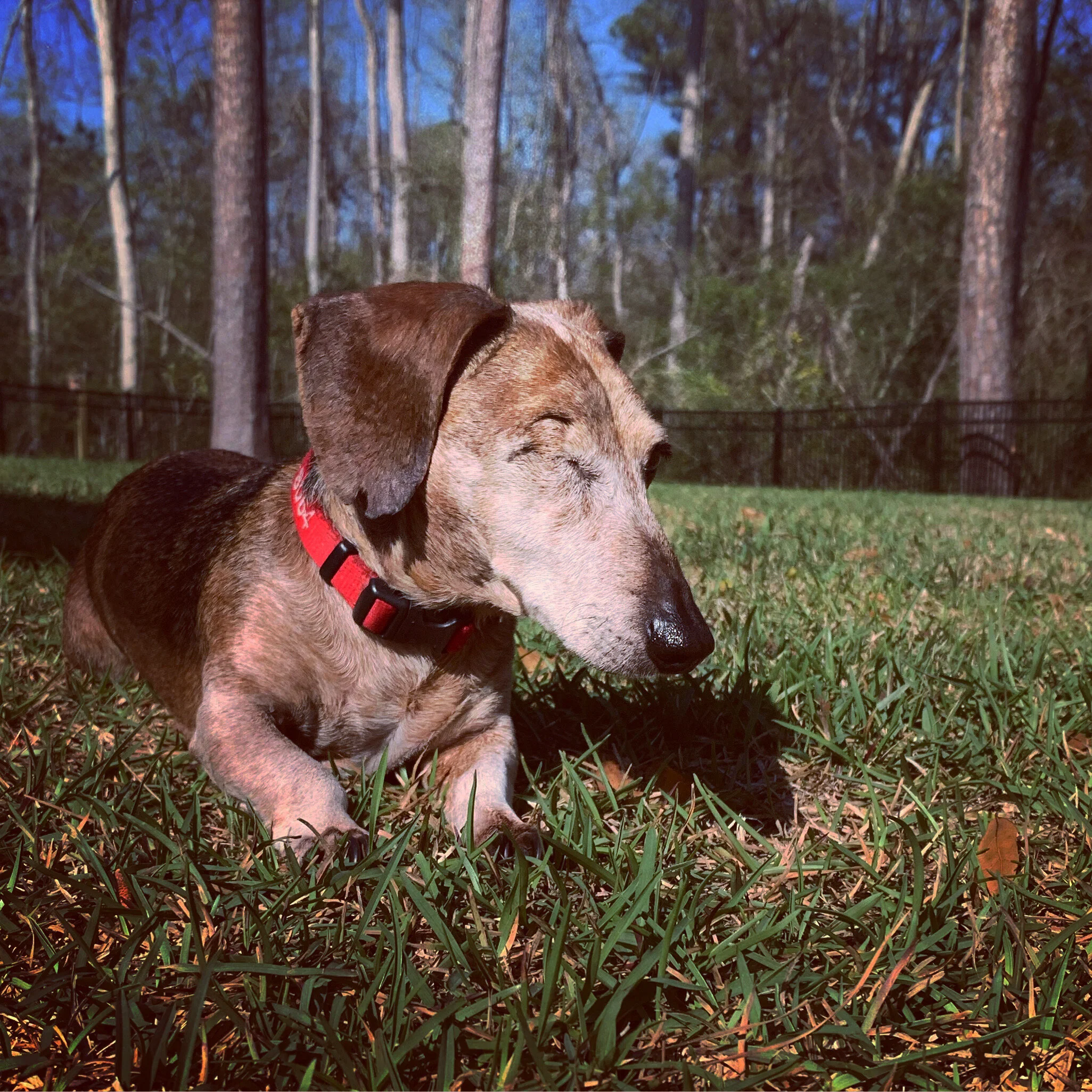
I do not think you can love a dog too much. I have loved plenty of mine beyond reason.
But after years of working with dogs and the people who adore them, I do think there are times when our love starts making decisions that are not actually helping the dog.
This shows up in all kinds of ways, but rescue dogs are probably where I notice it most.
We bring home a dog who has had a rough start, or at least a start we imagine was rough. Maybe we know his history. Maybe we know almost nothing and fill in the blanks ourselves. Either way, we look at him and think, “He has been through enough. I just want him to know love now.”
I understand that instinct completely. Give him love. Give him safety. Give him good food, a comfortable place to sleep, appropriate veterinary care and enough time to understand that this home is different. Give him the soft bed, the silly nickname, the birthday cake and whatever ridiculous number of blankets makes both of you happy.
But somewhere in there, we still have to help him learn how to live in his new life.
Feeling sorry for the dog can quietly become lowering every expectation. We avoid asking him to wait because he looks sad. We never leave him alone because he follows us everywhere. We let him guard our lap because it feels like devotion. We excuse behavior we would never accept from another dog because, well, he's been through so much.
Compassion and expectations are not opposites. A dog can have a difficult history and still be capable of learning. A fearful dog can need support and still need opportunities to become braver. An anxious dog can need comfort without learning that every moment of uncertainty requires us to rush in and remove the problem.
Sometimes the most loving thing we can give a dog is the chance to discover, “I can do this.”
If you have just brought home a rescue or adopted dog, I would slow down before piling on visitors, outings and introductions. The practical transition piece belongs on The K9 Coach: Bringing Home a New Dog →
Sometimes We Step In Because We Cannot Stand Watching Them Struggle
I think this is one of the harder parts to admit.
The dog hesitates, whines, looks worried or seems frustrated, and something in us immediately wants to fix it. We open the door. Pick him up. Come back into the room. Cancel the outing. Change the plan. Reach down and reassure him for the tenth time.
Sometimes that is exactly what the dog needs. There are absolutely times when a dog is overwhelmed, frightened, hurting or simply beyond what he can reasonably handle. Advocacy matters. I have written plenty about dogs being pushed too far and about the difference between asking a dog to grow and asking a dog to endure something he cannot cope with.
But there are other times when the discomfort belongs partly to us.
We hate hearing him whine. We feel guilty walking out the door. We cannot stand watching him work through a little uncertainty. Saying no feels mean. Watching him struggle for thirty seconds feels cruel.
So we solve the discomfort immediately — his and ours.
That is when I want to ask a different question.
Am I helping my dog because he truly cannot handle what is happening, or am I stepping in because I cannot tolerate watching him be uncomfortable?
That is not an accusation. I have made choices with my own dogs because something made me feel bad too. Most people who adore their dogs have.
But once you see the difference, you can start making better decisions.
A healthy nervous system is not one that never encounters stress. Dogs need opportunities to experience manageable frustration, recover from small challenges and learn that uncertainty does not always mean danger.
That is very different from overwhelming a dog or ignoring genuine fear.
The goal is not to make the dog tougher. The goal is to help him become more capable.
Love Can Also Make Us Explain Away Behavior We Need to Address
I have heard every version of it.
He jumps because he is excited. He growls because he is protective of me. He guards the couch because that is his safe place. He loses his mind on leash because he just really wants to meet the other dog. He cannot be left alone because he loves me so much.
Maybe there is fear underneath it. Maybe anxiety. Maybe insecurity. Maybe the dog never learned another response. Maybe there is a physical reason making the behavior worse.
Understanding why a behavior exists matters enormously to me.
But understanding it is not the same thing as pretending it is harmless.
We can understand fear and still address biting. We can understand anxiety and still help a dog build independence. We can acknowledge a dog's history and still have expectations for his future.
Sometimes love says, “I understand why this is hard for you.”
And sometimes the very next sentence needs to be, “But we are still going to work on it.”
If you are dealing with fear, confidence, dependence or behavior that needs a practical training plan, that is where The K9 Coach side becomes useful: Building Bravery in a Fearful Dog →
But Don't Swing So Far the Other Way That You Miss the Dog
This is where my view of behavior has changed the most over the years.
I started in training and behavior. The longer I worked with dogs, the harder it became to pretend that what happens in the body and what happens in behavior are separate conversations.
A dog who suddenly becomes irritable may hurt. A dog who no longer wants to be touched may itch, have inflamed ears, sore joints or GI discomfort. A dog who cannot settle may not need another hour of exercise; he may already be living in a constant state of arousal. A dog who seems anxious may also be sleeping poorly, struggling digestively or reacting to changes inside the home.
So I do not want a dog parent reading an article about “spoiling” and deciding every problem means the dog needs less comfort and more discipline.
Sometimes the dog truly needs us to back off.
Sometimes he needs veterinary care. Sometimes he needs pain addressed. Sometimes he needs better nutrition, better sleep, less stimulation or a calmer environment. Sometimes what looks like stubbornness, clinginess or attitude is the dog telling us he does not feel good.
This is why I keep coming back to one question:
Not what would prove I am a strong leader. Not what would prove I am the most compassionate dog mom on earth. Not what worked for this dog three years ago.
This dog. Today.
Maybe today he needs a boundary.
Maybe today he needs a nap.
Maybe he needs you to stop feeling sorry for him.
Maybe he needs you to notice that he hurts.
Maybe he needs both behavior work and whole-dog support at the same time.
This Is Why I Don't Like “Discipline vs. Compassion”
It is the wrong argument.
The better question is whether our response fits the dog, the reason for the behavior and what he is actually capable of handling at that moment.
Sometimes Love Says Yes. Sometimes Love Says No.
Love can absolutely mean comfort.
It can mean sleeping under the covers, sharing the couch, buying the expensive bed, cooking real food, cancelling plans because the dog genuinely needs you, advocating when someone is pushing him too far and refusing to let a stranger touch him just because they insist that “dogs love me.”
Love can also mean telling the dog he cannot jump on Grandma. He cannot guard you from your spouse. He cannot bite the veterinarian because he is afraid. He cannot decide whether you ever leave the house again. And being rescued does not mean you believe he is incapable of learning difficult things.
Neither side is more loving.
The loving choice is the one that helps the dog become healthier, safer, more secure and better able to move through his life.
Love the Dog Standing in Front of You
Love your dog ridiculously.
Buy the ridiculous bed. Celebrate his birthday. Cook for him. Let him sleep under the covers if that works in your house. Advocate for him. Comfort him when he truly needs comfort.
But love him enough to let him grow too.
Love him enough to ask whether what feels good to you is actually helping him. Love him enough to notice when something has changed. Love him enough to set a boundary when he needs one and back off when he has truly had enough.
And love him enough to change your mind when what you have been doing out of love is no longer helping.
Frequently Asked Questions
Can you love a dog too much?
I do not believe you can love a dog too much. But things we do because we love them can become unhelpful if guilt, overprotection or constant rescue prevent the dog from developing independence, confidence, appropriate boundaries or coping skills.
Can you spoil a dog too much?
Affection, comfort and privileges are not automatically a problem. I become more concerned when the dog's anxiety or behavior controls the household, unsafe behavior is overlooked or the dog gets very few chances to tolerate normal waiting, frustration or independence.
Should I feel sorry for my rescue dog?
Compassion for a dog's past is appropriate, but his history does not have to define his future. A newly adopted dog needs safety, patience and time, while also gradually learning the skills and expectations that will help him succeed in his new life.
Should I comfort my dog when he is afraid?
Yes, you can support a frightened dog. The question is what kind of support helps that individual dog recover and become more capable over time. Sometimes that means comfort; sometimes it also means distance, gradual exposure, clearer guidance or changing the environment.
How do I know whether behavior is training or health related?
Sometimes it is both. Sudden changes in anxiety, aggression, tolerance, sleep, activity or ability to settle deserve consideration of pain, itching, gut problems, illness, medications and other physical factors alongside training and environment.
Love Him Enough to Get Curious.
You do not have to choose between compassion and expectations, or between behavior work and whole-dog wellness.
If something is not working for the dog standing in front of you anymore, it is okay to look deeper and choose differently.
Explore Behavior & Wellness → Tell Me What's Going On →