

Supporting Your Dog’s Kidneys, Bones, Fear Response, and Deep Vitality in Winter: TCVM Water Element Care for Dogs
Take the Quiz: https://welloiledk9.com/downloads
Winter, the Water Element, and Your Dog’s Deep Reserves
Winter is the season of rest, quiet, cold, darkness, and conservation.
The days are shorter. The air is colder. The body naturally wants to slow down, preserve energy, sleep more, and protect its deeper reserves. Some dogs love the cooler weather and perk up like they have been waiting all year for it. Others become stiff, tired, anxious, chilly, or less resilient.
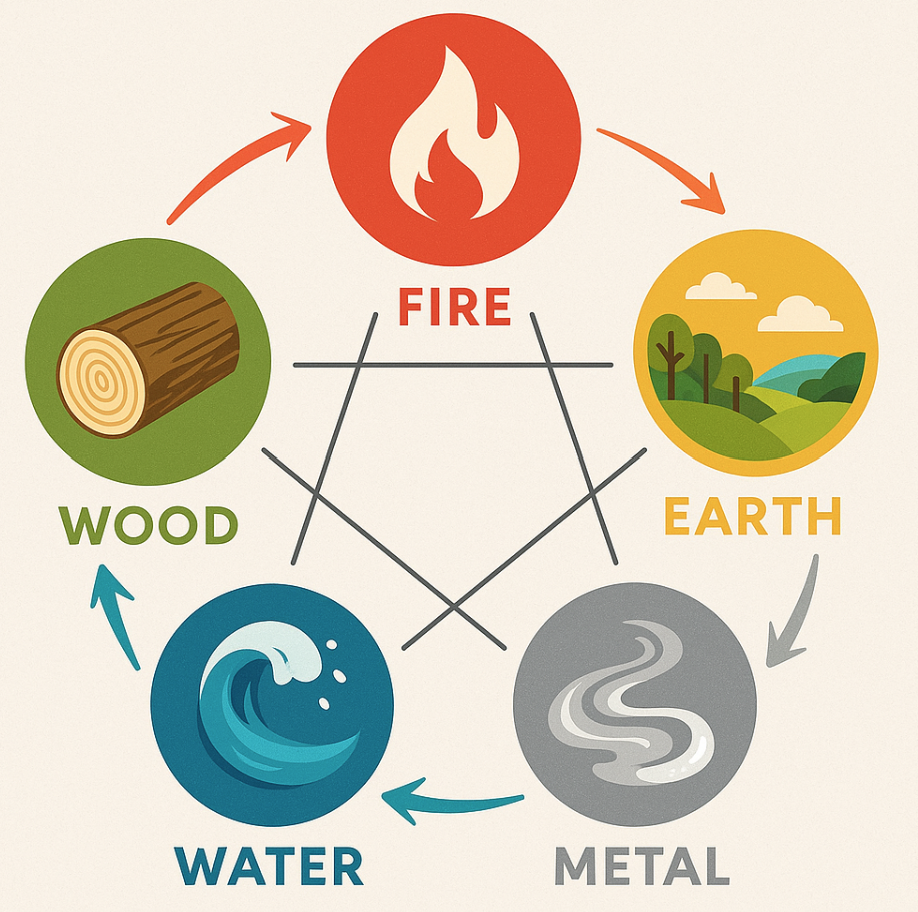
In Traditional Chinese Veterinary Medicine, winter is the season of the Water Element, which is generally associated with December 21 through March 20.
The Water Element is associated with:
The Kidneys
The Bladder
Bones
Teeth
Marrow
Ears and hearing
Senior vitality
Deep energy reserves
Willpower
Fear
Survival instinct
Hormonal balance
Reproductive vitality
Growth and aging
The foundation of life force
When Water is balanced, a dog feels resilient, grounded, appropriately cautious, well-rested, and strong from the inside out.
When Water becomes imbalanced, you may see fear, insecurity, weakness, urinary issues, hearing changes, dental decline, stiffness, bone and joint weakness, coldness, fatigue, or signs of premature aging.
Water is not the flashy element.
It is the foundation.
And when the foundation gets weak, everything above it has to work harder.
What Is a Water Dog in TCVM?
In TCVM 5 Element Theory, every dog has constitutional tendencies. These tendencies can influence personality, behavior, physical vulnerabilities, seasonal patterns, and how the dog responds to stress.
A Water dog often has a thoughtful, cautious, observant, wise, or deeply sensitive nature.
Some Water dogs are calm and steady. Some are shy or fearful. Some are independent. Some are old souls from puppyhood. Some are the dogs who quietly assess the room before deciding whether anyone in it deserves their trust.
Balanced Water dogs are wise, resilient, intuitive, and steady.
Unbalanced Water dogs may become fearful, withdrawn, insecure, cold, tired, weak, or easily overwhelmed.
Water dogs often need trust, safety, warmth, and time.
Rushing a Water dog usually backfires. They do not appreciate being emotionally microwaved.
The Personality of a Water Dog
Water dogs tend to observe before acting.
They may not rush into new situations. They may prefer familiar people, predictable environments, and time to process. Some are independent and self-contained. Others are deeply bonded but cautious with the world around them.
Common Water dog traits may include:
Cautiousness
Sensitivity
Wisdom
Strong intuition
Quiet observation
Startle response
Fearfulness when unbalanced
Independence
Deep bonding once trust is built
Preference for safety and predictability
Sensitivity to loud sounds
Concern with unfamiliar people, dogs, or places
Need for warmth and reassurance
Strong survival instinct
A balanced Water dog is grounded and discerning.
An unbalanced Water dog may become fearful, avoidant, shut down, or reactive from insecurity.
These are often the dogs who need less pressure, more trust-building, and a stronger foundation.
The Kidneys and Bladder in TCVM
The Water Element corresponds with the Kidneys and Bladder.
In TCVM, the Kidneys are considered the root of life. They store Essence, often called Jing, which is connected to growth, development, reproduction, aging, bones, teeth, hearing, marrow, willpower, and deep vitality.
The Bladder is connected to fluid metabolism, urination, and the body’s ability to release waste fluids.
This is why Water imbalance may show up through urinary issues, aging changes, weakness, bone and joint problems, dental decline, hearing loss, fear, low stamina, and reduced resilience.
The Kidneys are not just about pee.
They are about reserves.
When Water is strong, the dog has deeper vitality to draw from.
When Water is weak, the dog may look like they are running on fumes.
Signs Your Dog May Be a Water Dog
Your dog may have a Water constitution if they are cautious, sound-sensitive, reserved, fearful, deeply intuitive, or slow to trust.
Water dogs often need time to feel safe. They may be sensitive to pressure, loud voices, punishment, chaotic environments, or unpredictable handling.
Common Water dog signs include:
Fearfulness
Noise sensitivity
Startle response
Cautious greeting behavior
Slow warming up to new people
Hiding or avoidance
Urinary issues during stress
Incontinence or leaking
Kidney or bladder vulnerability
Hearing changes
Dental weakness
Bone or joint issues
Hind-end weakness
Cold sensitivity
Senior decline
Low stamina
Weakness after stress
A balanced Water dog has quiet strength.
An unbalanced Water dog may feel fragile, fearful, depleted, or unsupported.
Water Element Imbalance in Dogs
Water imbalance may show up as Kidney Qi deficiency, Kidney Yang deficiency, Kidney Yin deficiency, fear patterns, urinary issues, bone weakness, or aging-related decline.
In pet-parent language, this may look like a dog who is cold, weak, fearful, stiff, leaking urine, aging quickly, losing hearing, losing confidence, or struggling to recover.
Kidney Qi Deficiency in Dogs
Kidney Qi deficiency often reflects weakness in the deeper reserves.
Signs may include:
Low stamina
Fatigue
Hind-end weakness
Urinary leaking
Frequent urination
Weak bladder control
Senior decline
Poor recovery after illness
Weakness after stress
Fearfulness
Reduced confidence
Premature aging signs
These dogs often need gentle strengthening, warmth, nourishment, and consistency.
They do not need to be pushed harder.
They need to be built up.
Kidney Yang Deficiency in Dogs
Kidney Yang is associated with warmth, movement, drive, and functional energy.
When Kidney Yang is deficient, dogs often look cold and depleted.
Signs may include:
Cold intolerance
Seeking warmth
Cold ears or paws
Low energy
Weakness
Hind-end weakness
Stiffness worse in cold weather
Urinary incontinence
Pale or wet tongue
Slow metabolism
Reduced enthusiasm
Senior frailty
Low libido or reproductive weakness in intact dogs
These dogs often need warming foods, gentle movement, body warmth, and deep support.
Cold, raw, damp, or overly cooling plans may not be ideal for every Kidney Yang deficient dog.
Yes, I love fresh food. No, that does not mean every dog needs refrigerator-cold food dumped into the bowl in January.
Warm it up. Your dog’s kidneys may thank you.
Kidney Yin Deficiency in Dogs
Kidney Yin is associated with cooling, moistening, fluids, and substance.
When Kidney Yin is deficient, dogs may show heat signs from lack of cooling reserves.
Signs may include:
Restlessness at night
Panting at night
Heat sensitivity
Dry coat
Dry skin
Increased thirst
Anxiety
Irritability
Poor sleep
Red tongue
Weakness with internal heat
Senior dogs who seem both depleted and hot
This is where people can get confused.
A dog can be deficient and still show heat.
Not all heat is excess. Sometimes the cooling system is weak.
Fear and the Water Element
The emotion associated with Water is fear.
Fear is not always obvious. It may show up as hiding under the bed, but it may also show up as reactivity, freezing, avoidance, shutdown, clinginess, or sudden defensive behavior.
Water imbalance may show up as:
Noise phobia
Storm anxiety
Fireworks fear
Fear-based reactivity
Avoidance
Trembling
Hiding
Submissive urination
Freezing
Panic
Insecurity
Difficulty recovering after fear events
A fearful dog does not need to be “made to deal with it.”
They need safety, skill-building, nervous system support, and a stronger foundation.
Flooding a fearful dog is not training.
It is lazy behavior work wearing a fake mustache.
Why Winter Can Be Hard on Water Dogs
Winter naturally challenges Water dogs because it brings cold, darkness, less movement, and deeper energetic demands.
Some dogs thrive in cooler weather, especially dogs who run hot. But Water-deficient dogs, senior dogs, fearful dogs, and dogs with kidney, bladder, bone, or joint issues may struggle.
You may notice:
More stiffness
More hind-end weakness
More urinary accidents
More fearfulness
More sound sensitivity
More fatigue
More clinginess
More sleep
More reluctance to go outside
More cold sensitivity
More dental or bone concerns
Slower recovery after activity
Winter asks the body to conserve.
If your dog’s reserves are already low, winter may reveal it.
This is not a failure.
It is information.
The Influence of Metal on Water
In the Five Element cycle, Metal creates Water.
This relationship matters because Metal provides structure, boundaries, breath, and the ability to release. When Metal is strong, it helps nourish and support Water.
Think of autumn leading into winter.
Metal helps the body let go, clear what is no longer needed, strengthen the immune barrier, and prepare for deep rest. That transition sets the stage for Water season.
When Metal is balanced, Water has a cleaner, stronger foundation.
But when Metal is weak, dry, congested, grief-heavy, or unable to release, Water can suffer.
In dogs, weak or imbalanced Metal may fail to support Water, leading to deeper depletion, poor resilience, and difficulty transitioning into winter.
This may show up as:
Lingering respiratory issues draining vitality
Dryness affecting fluids
Grief leading to deeper weakness
Poor immune recovery
Chronic sadness affecting vitality
Dry skin and coat with deeper depletion
Constipation contributing to stagnation
Reduced stamina after fall illness
Difficulty adjusting from autumn into winter
Older dogs declining after grief or respiratory stress
Metal is about breath, skin, immunity, and letting go.
Water is about reserves, fear, bones, kidneys, and deep vitality.
If the dog cannot breathe well, release well, or recover well, the deeper reserves may be taxed.
This is why a dog with chronic fall allergies, coughing, grief, constipation, or dry skin may enter winter already depleted.
Metal prepares the doorway.
Water lives on the other side.
When Metal and Water Overlap
Metal and Water overlap often shows up in dogs who are older, dry, fearful, depleted, respiratory-sensitive, or recovering from grief or illness.
You may see:
Dry skin with senior weakness
Coughing with fatigue
Grief followed by decline
Respiratory illness followed by low stamina
Constipation with urinary weakness
Hearing loss with withdrawal
Fearfulness after loss or household change
Dry coat with kidney weakness
Low immunity with deeper depletion
Shallow breathing with anxiety or fear
This is why support during autumn can influence how well a dog moves through winter.
If a Metal dog is struggling in fall and never fully recovers, winter may bring a deeper Water challenge.
Seasonal care is not random.
Each element sets the stage for the next.
The Influence of Earth on Water
In the control cycle, Earth controls Water.
In balance, Earth helps contain and direct Water. It prevents flooding, dampness, and loss of containment.
But when Earth is weak, Water may not be properly contained or transformed.
In dogs, weak Earth may contribute to:
Dampness
Fluid retention
Poor digestion
Weak muscles
Low energy
Loose stool with urinary issues
Incontinence related to weakness
Poor nutrient assimilation
Lack of strength to support aging tissues
On the other hand, excessive Earth or dampness can overwhelm Water by creating heaviness, stagnation, and fluid metabolism problems.
This is why digestion matters even in Kidney and Bladder cases.
A dog with urinary issues may still need gut support.
A dog with hind-end weakness may still need muscle support.
A dog with senior decline may still need Earth strengthened so nourishment can actually reach the tissues.
The kidneys may be asking for help, but the gut may be holding the keys.
Urinary Issues and the Water Element
Water Element imbalance often shows up through the urinary system.
Common signs may include:
Frequent urination
Urgency
Urinary leaking
Incontinence
Accidents in the house
Weak bladder control
Recurrent urinary tract issues
Straining
Blood in urine
Excessive thirst
Changes in urine concentration
Kidney or bladder concerns
Important reality check: urinary symptoms should not be ignored.
If your dog is straining to urinate, passing blood, unable to urinate, painful, lethargic, vomiting, or acting abnormal, call your veterinarian.
Natural support can be helpful, but urinary obstruction, infection, stones, kidney disease, and serious bladder issues need proper evaluation.
We do not sprinkle herbs on an emergency and hope for the best.
Bones, Teeth, Hearing, and Aging
Water governs the bones, teeth, marrow, ears, and aging process.
This makes Water Element support especially important for:
Senior dogs
Dogs with dental weakness
Dogs with hearing loss
Dogs with arthritis
Dogs with bone weakness
Dogs with hind-end weakness
Dogs recovering from orthopedic injury
Dogs with developmental weakness
Dogs aging faster than expected
Water patterns may show up as:
Weak teeth
Tooth loss
Hearing decline
Hind-end weakness
Stiffness
Bone fragility
Slow healing
Weak constitution
Premature graying
Senior cognitive changes
Reduced resilience
Aging is natural.
Rapid decline without support is not something we have to shrug at.
The goal is not to make a senior dog young again. The goal is to help them age with strength, comfort, dignity, and the best quality of life possible.
Fear, Reactivity, and the Water Dog
Fear-based behavior is one of the biggest emotional patterns associated with Water.
A Water dog may react not because they are dominant, stubborn, or “bad.”
They may react because they feel unsafe.
Fear-based behavior may include:
Barking at unfamiliar people
Barking at dogs
Hiding
Freezing
Growling
Lunging
Trembling
Avoiding touch
Panic during storms
Fireworks anxiety
Submissive urination
Refusal to move
Escape attempts
Hypervigilance
Water dogs need confidence built from the inside out.
Support may include:
Predictable routines
Gentle exposure
Choice-based handling
Nervous system support
Proper nutrition
Pain evaluation
Sleep support
Essential oils or herbs when appropriate
Calm leadership
Avoiding force or flooding
Training that builds trust
A fearful dog who trusts you can blossom.
A fearful dog who is pushed too hard may shut down or escalate.
Foods That Support the Water Element
Food is one of the best tools for supporting deep reserves.
Water dogs often benefit from nourishing, mineral-rich, warming, and deeply supportive foods, especially in winter.
The goal is to support the Kidneys, bones, joints, fluids, and vitality.
Water-Supportive Proteins
Depending on the dog’s individual needs, helpful proteins may include:
Beef
Lamb
Duck
Turkey
Venison
Sardines
Whitefish
Eggs if tolerated
Organ meats in appropriate amounts
Some Water-deficient dogs need warming proteins.
Some Yin-deficient dogs need more moistening and cooling support.
This is why pattern matters.
The dog who is cold and weak does not need the same plan as the dog who is depleted and panting at night.
Mineral-Rich Foods for Water Dogs
Water is connected to bones, teeth, marrow, and deep vitality, so mineral support is important.
Helpful foods may include:
Bone broth
Green-lipped mussels
Sardines
Kelp in appropriate amounts
Sea vegetables used carefully
Organ meats
Eggs
Pumpkin seeds
Sesame seeds in small prepared amounts
Dark leafy greens
Mushroom blends when appropriate
Minerals are powerful, but balance matters.
Do not randomly dump kelp into every bowl like you are seasoning sidewalk ice.
Iodine matters. Dose matters. The dog matters.
Warming Foods for Kidney Yang Support
For dogs who are cold, weak, stiff, or Yang deficient, warming foods may include:
Lamb
Venison
Beef
Ginger in tiny food-based amounts when appropriate
Warming bone broth
Lightly cooked meals
Warm water added to food
These dogs often do better with warm meals rather than cold food.
Moistening Foods for Kidney Yin Support
For dogs who are dry, restless at night, heat-sensitive, or Yin deficient, moistening foods may include:
Duck
Rabbit
Whitefish
Eggs if tolerated
Bone broth
Sardines in moderation
Cucumber
Zucchini
Small amounts of pear when appropriate
Yin-deficient dogs may need moisture and cooling support without weakening digestion.
This is where nuance matters.
Foods That May Worsen Water Imbalance
Some foods may worsen Water imbalance depending on the dog’s pattern.
Potential aggravators may include:
Chronically dry kibble
Poor-quality protein
Excessive phosphorus in kidney-compromised dogs
Too much salt
Excessive cold foods for Yang-deficient dogs
Excessive warming foods for Yin-deficient dogs
Highly processed diets
Artificial additives
Poor-quality fats
High-starch foods that worsen inflammation
Random supplementation without a plan
Dogs with diagnosed kidney disease need special care with phosphorus, protein quality, hydration, minerals, and veterinary monitoring.
Fresh food can still be part of the conversation, but it needs to be done intelligently.
Kidney support is not the place for cowboy nutrition.
Hydration and Fluid Balance
Water dogs need proper hydration and fluid balance.
This does not simply mean drinking more water. It means helping the body use and regulate fluids properly.
Support may include:
Adding moisture to meals
Feeding fresh food or fresh toppers
Offering bone broth when appropriate
Monitoring urine changes
Supporting the gut
Supporting minerals
Avoiding chronically dry diets
Watching for excessive thirst
Watching for dehydration
Excessive thirst, excessive urination, sudden changes in urine, or accidents can point to kidney disease, diabetes, Cushing’s disease, urinary infection, or other medical concerns.
Those symptoms deserve evaluation.
Do not assume every thirsty dog is just “a Water dog.”
Sometimes the body is sending a very practical message.
Herbs That May Support the Water Element
Herbs can be very helpful for Water dogs when chosen correctly.
Some dogs need warming. Some need moistening. Some need urinary tract support. Some need deep senior support. Some need fear and nervous system support.
Common herbs to consider may include:
Rehmannia
Rehmannia is often used in traditional formulas for Kidney Yin or Kidney Essence support. It is not a casual sprinkle herb and should be used with proper guidance.
Nettle Seed or Nettle Leaf
Nettle may support minerals, seasonal resilience, and urinary tract health depending on the form and use.
Marshmallow Root
Marshmallow root may soothe and moisten mucous membranes and support urinary and digestive comfort.
Corn Silk
Corn silk is commonly used for urinary tract soothing and bladder support.
Dandelion Leaf
Dandelion leaf may support fluid balance and urinary function.
Astragalus
Astragalus may support vitality and immune resilience in some dogs, but it is not appropriate for every condition.
Medicinal Mushrooms
Reishi, cordyceps, turkey tail, and other medicinal mushrooms may support immune resilience, vitality, and senior wellness depending on the dog’s needs.
Ashwagandha
Ashwagandha may support stress resilience and vitality in some dogs, but it is warming and not ideal for every pattern.
Herbs should be chosen based on the dog’s constitution, current symptoms, medications, and health status.
Water dogs often need precision.
Not a supplement avalanche.
Essential Oils for Water Element Support
Essential oils can be supportive for Water dogs when used safely, gently, and appropriately.
For the Water Element, I often think in categories:
Fear and emotional grounding
Kidney and vitality support
Senior comfort
Bone, joint, and mobility support
Warmth and circulation
Essential Oils for Fear and Grounding
Oils commonly considered for fear, grounding, and emotional steadiness may include:
Vetiver
Cedarwood
Frankincense
Lavender
Roman chamomile
Sandalwood
Neroli
These oils may support dogs who are fearful, sound-sensitive, overwhelmed, or slow to recover after stress.
Essential Oils for Senior Vitality and Deep Support
For senior dogs or dogs needing deeper support, oils may include:
Frankincense
Copaiba
Myrrh
Cedarwood
Helichrysum
These may be used through gentle diffusion, diluted topical application, petting application, or bodywork depending on the dog.
Essential Oils for Mobility and Cold Stiffness
For dogs with cold stiffness, weakness, or mobility concerns, oils may include:
Copaiba
Frankincense
Marjoram
Ginger
Helichrysum
Cypress
Use warming oils carefully. Dogs with heat signs may not tolerate the same plan as dogs who are cold and depleted.
How to Use Essential Oils Safely with Dogs
Essential oils may be used through:
Gentle diffusion
Diluted topical application
Petting application
Application to bedding
Custom blends
Supportive bodywork
Start low and slow.
Watch your dog. If your dog leaves the room, avoids the smell, drools, squints, coughs, pants, becomes restless, or seems uncomfortable, stop and reassess.
Do not trap your dog near a diffuser.
Do not apply oils near the eyes, nose, genitals, or irritated skin without proper guidance.
Do not use oils internally without professional support.
Essential oils can be powerful tools for emotional and physical support, but they must be used with respect for the individual dog.
Lifestyle Support for Water Dogs
Water dogs often need warmth, safety, predictability, and rest.
Helpful lifestyle support includes:
Warm sleeping areas
Avoiding prolonged cold exposure
Gentle winter movement
Predictable routines
Confidence-building games
Calm handling
Bodywork when tolerated
Support for fear triggers
Sound masking during storms or fireworks
Warm meals
Senior mobility support
Good traction on floors
Rest days
Deep recovery after stress
Water dogs often do best when they feel safe.
Not forced.
Not rushed.
Not thrown into chaos and told to “get over it.”
Movement and Strength for Water Dogs
Water dogs may need gentle strength-building, especially seniors and dogs with hind-end weakness.
Helpful movement may include:
Short frequent walks
Gentle hill walking when appropriate
Sit-to-stand exercises
Cavaletti poles
Balance work
Slow controlled movement
Swimming or underwater treadmill when appropriate
Range-of-motion support
Massage
Warm-ups before activity
Traction support indoors
Cold weather can increase stiffness.
Warm the body before asking it to move.
Senior dogs especially benefit from consistency rather than occasional bursts of activity.
The weekend-warrior plan is how dogs end up limping on Monday.
When Water Imbalance Needs a Deeper Look
If your dog has urinary issues, kidney concerns, fear-based behavior, noise phobia, hind-end weakness, hearing loss, dental decline, cold sensitivity, or rapid senior decline, it is time to look deeper.
Water imbalance may be connected to:
Aging
Genetics
Kidney health
Bladder health
Chronic stress
Fear history
Trauma
Poor nutrition
Mineral imbalance
Dental disease
Pain
Hormonal imbalance
Poor sleep
Weak digestion
Metal weakness failing to support Water
Earth imbalance affecting fluid metabolism
Wood instability from weak Water support
This is why I do not love treating symptoms in isolation.
The fear, leaking urine, hind-end weakness, and senior fatigue may be connected.
The body tells a story.
We need to listen before we start throwing solutions at it.
How to Tell If Your Dog Needs Water Element Support
Your dog may benefit from Water Element support if winter or stress brings changes in fear, urinary health, mobility, hearing, dental health, energy, or resilience.
Ask yourself:
Is my dog more fearful than usual?
Does my dog startle easily?
Is my dog sensitive to storms, fireworks, or loud sounds?
Is my dog leaking urine?
Is my dog urinating more often?
Is my dog cold or seeking warmth?
Is my dog stiff in cold weather?
Is there hind-end weakness?
Is my dog aging faster than expected?
Is hearing declining?
Are teeth weakening?
Does my dog seem depleted?
Does stress wipe my dog out?
Does my dog need more recovery time?
Patterns matter.
One cold day does not define your dog’s constitution.
Repeated patterns give us useful information.
Supporting the Water Dog Naturally
A Water dog does not need to be pushed through fear or ignored through aging.
They need warmth, safety, deep nourishment, gentle strength, urinary support, emotional support, and respect for their reserves.
The goal is not to make a cautious dog reckless.
The goal is to build resilience, confidence, comfort, and vitality.
A Water Element support plan may include:
Warm nourishing food
Better hydration
Mineral support
Kidney and bladder support
Senior vitality support
Fear and nervous system support
Thoughtful herbs
Properly used essential oils
Gentle strength-building
Warmth and comfort
Dental support
Mobility care
Metal support when grief, dryness, or respiratory weakness are involved
Earth support when digestion or fluid metabolism is weak
Water dogs can be wise, intuitive, deeply loyal companions.
They need support that honors their depth.
Take the Water Dog Quiz
Not sure if your dog is a Water dog?
Take the quiz and look at your dog’s constitution, personality, seasonal tendencies, fear patterns, urinary health, mobility, senior changes, and emotional responses.
Your dog may be mostly Water, or Water may simply be the element that gets challenged during winter, aging, fear events, illness, or stress.
Either way, understanding your dog’s elemental pattern can help you make better choices with food, herbs, essential oils, lifestyle, movement, and seasonal wellness support.
Take the quiz here: https://welloiledk9.com/downloads
Final Thoughts: Winter Dog Care Is About Reserves, Warmth, Fear, and Vitality
Winter dog care is not just about sweaters, heated beds, and convincing your dog that rain is not fatal.
It is about supporting the Kidneys, Bladder, bones, teeth, hearing, urinary system, senior vitality, fear response, and deep reserves.
For Water dogs, winter can be a season of rest, wisdom, and restoration.
It can also bring fear, cold sensitivity, stiffness, urinary issues, weakness, hearing decline, dental weakness, and senior depletion.
The good news is that small changes can make a big difference.
Warm meals. Better hydration. Deep nourishment. Gentle movement. Senior support. Fear support. Thoughtful herbs. Properly used essential oils. Less pressure. More safety. Better recovery.
That is how we help dogs eat better, feel better, and live longer.
If your dog struggles with fear, noise sensitivity, urinary issues, kidney concerns, hind-end weakness, cold sensitivity, senior decline, or winter stiffness, schedule a consultation so we can look at the whole dog and create a support plan that actually fits.
Schedule a consultation: https://welloiledk9.com/questionnaire
Or join the member forum for more seasonal wellness education, natural remedy guidance, and ongoing support: https://community.welloiledk9.com
When DIY Isn't Enough Already tried the basics? If this is happening with your dog and you're still stuck, I can help you figure out what deserves attention next.
Request a Discovery Callback →