Supporting Your Dog’s Lungs, Skin, Immune System, and Grief in Autumn: TCVM Metal Element Care for Dogs
Autumn, the Metal Element, and Your Dog’s Ability to Let Go
Take The Quiz
Autumn is the season of cooling air, shorter days, falling leaves, and transition.
The bright outward energy of summer begins to contract. The body starts preparing for winter. The air gets drier. Allergens shift. Routines change. Dogs may spend less time in the sun, more time indoors, and sometimes show changes in breathing, skin, digestion, mood, or emotional resilience.
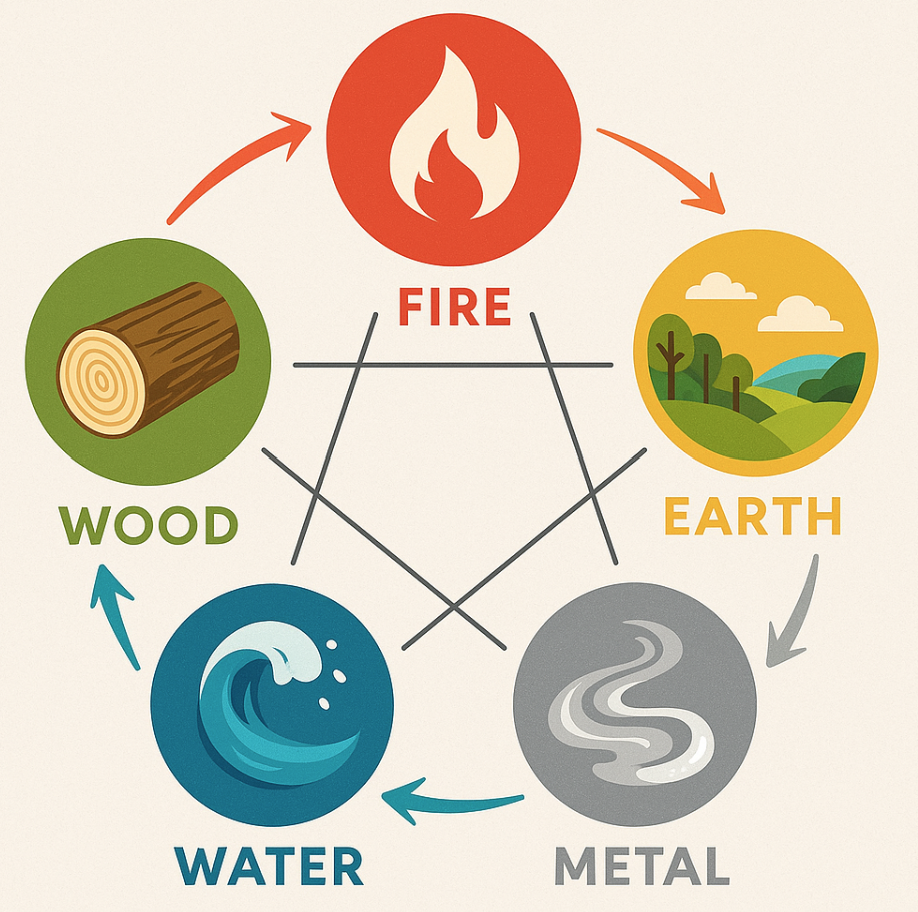
In Traditional Chinese Veterinary Medicine, autumn is the season of the Metal Element, which runs approximately from September 10 through December 21.
Metal is associated with:
The Lungs
The Large Intestine
Skin and coat
Respiration
Immune defenses
Boundaries
Grief
Letting go
Order and structure
Dryness
The ability to take in and release
When Metal is balanced, a dog has healthy breathing, strong immune defenses, good skin and coat quality, appropriate boundaries, and emotional steadiness.
When Metal becomes imbalanced, you may see respiratory issues, dry skin, allergies, immune weakness, constipation, grief, sadness, emotional withdrawal, or rigid behavior.
Metal dogs often feel deeply, but they may not always show it in loud, obvious ways.
They are not always dramatic. Sometimes they just quietly carry it.
What Is a Metal Dog in TCVM?
In TCVM 5 Element Theory, every dog has constitutional tendencies. These tendencies may influence personality, behavior, physical vulnerabilities, seasonal patterns, and how the dog responds to stress.
A Metal dog often has a dignified, thoughtful, observant, or sensitive quality.
These dogs may be loyal, structured, precise, independent, or emotionally refined. They may like routine, calm environments, clear expectations, and respectful interaction.
Balanced Metal dogs often have quiet confidence.
Unbalanced Metal dogs may become withdrawn, sad, rigid, sensitive to change, overly controlled, or physically dry and reactive.
Metal dogs may not always ask for help loudly.
But their body usually tells the story.
The Personality of a Metal Dog
Metal dogs are often thoughtful, loyal, and deeply bonded, but not always in a flashy way.
They may not be the dog who throws themselves at every visitor. They may prefer their trusted circle, their routines, their bed, their person, and their predictable world.
Common Metal dog traits may include:
Loyalty
Sensitivity
Thoughtfulness
Cleanliness or dislike of mess
Preference for routine
Strong sense of personal space
Calm observation
Emotional depth
Reserved nature
Discomfort with chaos
Strong response to grief or loss
Need for respectful handling
Tendency toward perfectionism or rigidity
A balanced Metal dog feels steady, clean, clear, and grounded.
An unbalanced Metal dog may become sad, withdrawn, stiff in their routines, overly sensitive, or physically dry.
And no, your dog does not need to journal under a weighted blanket to be a Metal dog. But honestly, some of them might if they had thumbs.
The Lungs and Large Intestine in TCVM
The Metal Element corresponds with the Lungs and Large Intestine.
In TCVM, the Lungs are connected to breathing, skin, coat, immune defenses, grief, and the ability to receive life energy. The Lungs help distribute Qi and fluids throughout the body and support the body’s protective energy.
The Large Intestine is connected to elimination, boundaries, and letting go.
This is why Metal imbalance may show up through the respiratory system, skin, bowels, immune system, and emotional state.
A Metal dog out of balance may have coughing, sneezing, dry skin, poor coat, recurrent respiratory issues, constipation, grief, sadness, or a harder time releasing stress and change.
The Lungs take in.
The Large Intestine lets go.
When Metal is balanced, that rhythm works beautifully.
When Metal is stuck, dry, depleted, or overwhelmed, the body may struggle with both receiving and releasing.
Signs Your Dog May Be a Metal Dog
Your dog may have a Metal constitution if they are sensitive, loyal, reserved, structured, observant, or strongly affected by emotional changes in the home.
Metal dogs often do best with calm routines and respectful handling. They may not love chaos, loud environments, pushy dogs, or people who ignore their boundaries.
Common Metal dog signs include:
Reserved or selective social behavior
Strong bond with one or two people
Sensitivity to grief or household stress
Preference for routine
Discomfort with change
Dry skin or coat
Respiratory sensitivity
Seasonal allergies in fall
Coughing or sneezing patterns
Constipation tendency
Immune vulnerability
Strong personal boundaries
Emotional withdrawal when stressed
A Metal dog may not explode like a Wood dog or spin like an overexcited Fire dog.
They may simply pull inward.
That does not mean nothing is happening.
Metal Element Imbalance in Dogs
Metal imbalance can show up as dryness, deficiency, stagnation, or invasion by external pathogens — especially during seasonal changes.
In everyday pet-parent language, this may look like respiratory symptoms, skin issues, immune weakness, constipation, emotional grief, or a dog who seems less bright and connected.
Metal Deficiency in Dogs
Metal deficiency often affects the Lungs, immune system, skin, and emotional resilience.
Signs may include:
Weak immune defenses
Frequent respiratory issues
Low stamina
Shortness of breath with activity
Soft or weak bark
Dry cough
Dry nose
Dry skin
Dull coat
Grief or sadness
Emotional withdrawal
Reduced interest in connection
Poor recovery after illness
Sensitivity to weather changes
These dogs often need nourishment, moisture, immune support, and gentle emotional care.
Metal Dryness in Dogs
Dryness is one of the most common Metal patterns.
Autumn air can be drying, and dogs who already lean dry may show symptoms as the season shifts.
Signs of Metal dryness may include:
Dry cough
Dry nose
Dry cracked paw pads
Dry flaky skin
Dandruff
Brittle coat
Constipation
Hard dry stools
Increased thirst
Irritated throat
Sensitivity to dry indoor air
Dryness can be made worse by processed dry food, low moisture intake, dehydration, indoor heating, environmental irritants, and chronic inflammation.
A dog eating dry kibble in a dry house during dry autumn weather may need more moisture support. Shocking, I know. The body keeps receipts.
Metal Stagnation in Dogs
Metal stagnation can show up when the dog has difficulty processing grief, change, loss, or emotional heaviness.
Signs may include:
Withdrawal
Sadness
Lack of enthusiasm
Holding tension in the chest
Shallow breathing
Reluctance to engage
Changes after losing a person or animal companion
Changes after moving homes
Depression-like behavior
Reduced appetite after emotional stress
Constipation connected to stress
This is where “letting go” becomes more than a poetic phrase.
Metal is about release.
When release is blocked, the body and emotions may both tighten.
External Invasion and Metal Dogs
In TCVM, the Lungs are often considered the first line of defense against external pathogens.
In practical terms, Metal dogs may be more vulnerable to seasonal respiratory issues, allergies, environmental irritants, and immune stress.
You may notice:
Sneezing
Reverse sneezing
Coughing
Runny nose
Watery eyes
Increased sensitivity to mold, dust, pollen, or smoke
More symptoms after weather shifts
More issues when indoor air quality changes
Fall can be especially challenging because of ragweed, mold, damp leaves, cooler air, dry indoor heat, and reduced outdoor ventilation.
Why Autumn Can Be Hard on Metal Dogs
Autumn is a season of transition and contraction.
The body is no longer in the outward, expressive energy of summer. It begins to pull inward. The air becomes cooler and often drier. Seasonal allergens shift. Indoor heating begins. Dogs may move less, rest more, and experience changes in routine.
For Metal dogs, fall can amplify both physical and emotional patterns.
You may notice:
More coughing
More sneezing
More dry skin
More dandruff
More constipation
More sadness or withdrawal
More immune vulnerability
More sensitivity to indoor air
More grief-related behavior
More difficulty with household change
This is also a season where pet parents may notice their dog aging.
Cooler mornings can reveal stiffness. Shorter days can shift mood. A senior dog may seem quieter, slower, or more inward.
That does not mean we panic.
It means we pay attention.
The Influence of Fire on Metal
In the Five Element cycle, Fire controls Metal.
This relationship is important because Fire can shape, soften, and refine Metal. In balance, Fire helps Metal stay flexible, warm, connected, and not overly rigid.
But when Fire is excessive, it can overwhelm Metal.
Think of metal exposed to too much heat. It can melt, weaken, warp, or lose its structure.
In dogs, excess Fire may aggravate Metal patterns by increasing heat, dryness, inflammation, anxiety, and emotional stress.
This may show up as:
Dry cough worsened by heat
Panting that dries the respiratory tract
Anxiety affecting breathing
Restlessness disrupting recovery
Heat worsening skin irritation
Red, inflamed skin with dryness
Increased itching after overstimulation
Emotional intensity followed by withdrawal
Poor sleep affecting immune function
Grief or sadness becoming harder to process
Dry stools or constipation worsened by dehydration
This is one reason a dog may show both Fire and Metal patterns.
For example, a dog may be anxious, restless, and overheated from Fire imbalance, while also showing dry skin, coughing, constipation, or grief patterns from Metal imbalance.
Fire can dry Metal out.
A dog who runs hot, pants heavily, struggles with anxiety, or lives in constant stimulation may place extra burden on the Lung, skin, immune system, and emotional resilience.
In real life, this means a Metal dog may need more than respiratory or skin support. They may also need help cooling excess Fire, calming the nervous system, improving sleep, reducing stimulation, and adding moisture.
You cannot support dry Metal while letting Fire rage unchecked.
That is not a plan. That is a campfire with paperwork.
When Fire and Metal Overlap
Fire and Metal overlap often shows up in dogs who are anxious, dry, itchy, sensitive, and emotionally affected by stress.
You may see:
Anxiety with dry cough
Panting with dry skin
Restlessness with constipation
Heat intolerance with respiratory sensitivity
Emotional stress with shallow breathing
Overstimulation followed by withdrawal
Red irritated skin that is also flaky or dry
Poor sleep with immune weakness
This pattern is common in dogs who are sensitive, older, chronically inflamed, under-hydrated, or emotionally stressed.
It is also common in dogs eating dry food, living in dry indoor air, and dealing with seasonal allergens.
This is why the whole dog has to be considered.
The cough may not be just a cough.
The dandruff may not be just dry skin.
The constipation may not be just “needs more pumpkin.”
The behavior may not be just stubbornness or sadness.
Patterns connect.
Skin and Coat Issues in Metal Dogs
The skin is one of the biggest Metal-related organs in TCVM.
The Lungs help govern the skin and coat, and Metal imbalance often shows up externally.
Common Metal skin and coat patterns include:
Dry skin
Dandruff
Flaky coat
Poor coat quality
Dry cracked paw pads
Dull hair
Slow coat regrowth
Skin sensitivity
Itching that worsens in dry weather
Allergies that flare in fall
Recurrent skin irritation
Metal skin issues often have a dry quality, but they may overlap with heat, inflammation, or immune dysfunction.
If the skin is red, hot, and itchy, Wood or Fire may also be involved.
If the skin is dry, flaky, dull, and brittle, Metal and Water should be considered.
If the skin is greasy, yeasty, inflamed, and odorous, we may need to look deeper at digestion, immune function, dampness, and diet.
The skin is not random. It is a billboard.
Sometimes it is subtle.
Sometimes it is screaming in neon.
Respiratory Support and the Metal Element
Because Metal corresponds with the Lungs, respiratory health is central to Metal Element care.
Metal dogs may be more prone to:
Coughing
Sneezing
Reverse sneezing
Seasonal respiratory irritation
Dry throat
Shallow breathing
Reduced stamina
Sensitivity to smoke, candles, fragrances, mold, or dust
Respiratory symptoms after stress or weather changes
Indoor air quality matters.
Dogs live low to the ground where dust, cleaners, synthetic fragrance, laundry chemicals, floor products, and mold spores may affect them more than we realize.
Respiratory support for Metal dogs should include:
Reducing synthetic fragrance
Avoiding plug-ins and air fresheners
Using cleaner household products
Improving ventilation
Managing dust and mold
Supporting hydration
Adding moisture to food
Considering gentle herbs or essential oils when appropriate
Seeking veterinary care for persistent cough, breathing difficulty, collapse, blue gums, or severe lethargy
A cough is not something to casually ignore.
Especially in senior dogs, small dogs, brachycephalic breeds, dogs with heart disease, or dogs with known respiratory issues.
Grief, Loss, and the Metal Dog
Metal is deeply connected to grief.
Dogs grieve. Anyone who has lived with them knows this.
A Metal dog may be especially affected by:
Loss of another pet
Loss of a human family member
A move
Divorce or household change
A person leaving for college
A major schedule change
Loss of routine
Loss of mobility or independence
Aging changes
Grief in dogs may show up as:
Withdrawal
Sleeping more
Searching behavior
Reduced appetite
Clinginess
Less interest in play
Changes in breathing
Digestive changes
Constipation
Increased sensitivity
Depression-like behavior
Grief support is not about forcing the dog to “move on.”
It is about helping the body and nervous system process change safely.
Metal dogs often benefit from calm routines, gentle connection, fresh air, light movement, bodywork, and emotional support.
The Large Intestine, Constipation, and Letting Go
The Large Intestine is the paired organ of the Lung in the Metal Element.
Physically, it is about elimination.
Emotionally, it reflects release, boundaries, and letting go.
Metal imbalance may show up as:
Constipation
Hard dry stools
Straining
Irregular bowel movements
Stress-related bowel changes
Difficulty adjusting to change
Holding patterns in the body
Emotional rigidity
Constipation is common in dry dogs, senior dogs, kibble-fed dogs, dehydrated dogs, sedentary dogs, and dogs with pain or weakness.
Support may include moisture, fiber from appropriate foods, movement, gut support, and a closer look at the overall diet.
Pumpkin is not a personality. It is not the answer to every poop problem.
Moistening and Lung-Supportive Foods for Metal Dogs
Food can be one of the most practical ways to support the Metal Element.
Metal dogs often benefit from foods that moisten, nourish, support the immune system, and reduce dryness.
Moisture-Rich Foods for Metal Dogs
Helpful moisture-supportive foods may include:
Bone broth
Fresh food
Warm water added to meals
Goat milk or kefir if tolerated
Sardines in moderation
Cucumber
Zucchini
Celery
Cooked leafy greens
Small amounts of pear when appropriate
Pear is traditionally associated with moistening the Lungs in Eastern food energetics, but use it appropriately. Dogs do not need a pear buffet.
Proteins for Metal Dogs
Depending on the dog’s individual constitution and symptoms, protein options may include:
Turkey
Duck
Rabbit
Whitefish
Pork in some cases
Eggs if tolerated
Dogs with dryness may need more moisture and better fat quality. Dogs with heat and inflammation may need cooling choices. Dogs with deficiency may need deeper nourishment.
There is no single perfect protein for every Metal dog.
There is only the right choice for the dog in front of us.
Foods That May Worsen Metal Dryness
Some dogs may worsen with diets that are too dry, processed, inflammatory, or moisture-depleting.
Potential aggravators may include:
Dry kibble without added moisture
Artificial additives
Highly processed foods
Low-quality fats
Repeated food sensitivities
Excessive drying foods
Poor omega-3 intake
Lack of fresh food variety
If your dog has dry skin, dry cough, constipation, and eats only dry food, start with the obvious.
Sometimes the obvious is sitting in the bowl.
Herbs That May Support the Metal Element
Herbs can be useful for Metal dogs when selected appropriately.
Some dogs need moistening. Some need immune support. Some need respiratory support. Some need grief or nervous system support. Some need digestive and bowel support.
Common herbs to consider may include:
Marshmallow Root
Marshmallow root is often used to soothe and moisten irritated tissues, including the throat, digestive tract, and mucous membranes.
Slippery Elm
Slippery elm may support the digestive tract and mucosal tissues. It may be useful for some dogs with dryness or irritation, but timing matters because it can affect absorption of medications or supplements.
Mullein
Mullein is commonly used for respiratory support and may be considered for dogs needing gentle Lung support.
Nettles
Nettles may support seasonal allergy responses, minerals, and immune resilience.
Reishi Mushroom
Reishi is often used for immune modulation, respiratory support, and overall resilience. It may be especially useful for dogs needing deeper constitutional support.
Astragalus
Astragalus is traditionally used for immune support and vitality, though it is not appropriate for every dog or every condition.
Herbs should match the dog’s pattern. Do not throw the entire herb cabinet at a sensitive Metal dog. Subtle dogs often appreciate subtle plans.
Essential Oils for Metal Element Support
Essential oils can support Metal dogs when used safely and thoughtfully.
For the Metal Element, I often think in categories:
Respiratory support
Emotional grief support
Grounding and nervous system support
Skin and coat support
Immune and environmental support
Essential Oils for Respiratory Support
Oils commonly considered for respiratory comfort may include:
Frankincense
Copaiba
Lavender
Cedarwood
Eucalyptus radiata
Myrtle
Respiratory dogs can be sensitive, so choose oils carefully and diffuse gently.
Do not blast a coughing dog with intense oils in a closed room. That is not support. That is aromatic ambush.
Essential Oils for Grief and Emotional Support
For grief, sadness, and emotional withdrawal, oils may include:
Frankincense
Rose
Neroli
Lavender
Roman chamomile
Sandalwood
Vetiver
These oils may be used through gentle diffusion, diluted topical application, or petting application depending on the dog.
Essential Oils for Skin and Dryness Support
For dry, irritated, or sensitive skin patterns, oils may include:
Lavender
Frankincense
Copaiba
Roman chamomile
Geranium
These should be properly diluted and used with appropriate carrier oils. Dry skin often needs fats and moisture, not just essential oils.
How to Use Essential Oils Safely with Dogs
Essential oils may be used through:
Gentle water diffusion
Diluted topical application
Petting application
Application to bedding
Custom blends
Supportive bodywork
Start low and slow.
Watch the dog. If your dog leaves the room, avoids the smell, coughs, drools, squints, pants, becomes restless, or seems uncomfortable, stop and reassess.
Do not trap your dog near a diffuser.
Do not apply oils near the eyes, nose, genitals, or irritated skin without proper guidance.
Do not use oils internally without professional support.
Essential oils can be powerful tools, but only when used with respect and common sense.
Lifestyle Support for Metal Dogs
Metal dogs often do best with calm, consistency, clean air, routine, and respectful connection.
Helpful lifestyle support includes:
Predictable daily routines
Gentle walks in fresh air
Avoiding heavy synthetic fragrance
Cleaner household products
Good ventilation
Humidified air when appropriate
Regular grooming
Skin and coat support
Gentle bodywork
Emotional support during grief or change
Calm connection without forcing interaction
Space to decompress
Metal dogs often appreciate order.
They may not love loud chaos, constant visitors, pushy dogs, or unpredictable handling.
Respectful structure helps them feel safe.
Movement and Breath for Metal Dogs
The Lungs benefit from movement, but Metal dogs may not always need intense exercise.
Gentle rhythmic movement can help support breathing, circulation, elimination, and emotional release.
Helpful movement may include:
Sniff walks
Gentle hikes
Slow walks in cool air
Light mobility work
Stretching when tolerated
Calm play
Decompression walks
Bodywork focused on the chest, shoulders, and ribs
Sniffing is especially useful because it naturally encourages breathing, environmental processing, and nervous system regulation.
Let the dog sniff.
The walk is not a military march.
When Metal Imbalance Needs a Deeper Look
If your dog has repeated fall allergies, chronic coughing, recurrent respiratory issues, dry skin, constipation, grief-related decline, or frequent immune problems, it is time to look deeper.
Metal imbalance may be connected to:
Diet
Dry food
Poor hydration
Indoor air quality
Environmental toxins
Mold or dust exposure
Poor gut health
Chronic inflammation
Emotional stress
Grief or loss
Aging
Weak immune defenses
Fire excess creating dryness and heat
Water deficiency failing to nourish deeper reserves
This is why I do not love chasing symptoms in isolation.
The cough, dry skin, constipation, and sadness may be connected.
The body is not being dramatic. It is being honest.
How to Tell If Your Dog Needs Metal Element Support
Your dog may benefit from Metal Element support if autumn brings changes in breathing, skin, coat, bowels, immunity, or emotional resilience.
Ask yourself:
Is my dog coughing or sneezing more in fall?
Is my dog’s skin dry or flaky?
Is the coat dull or brittle?
Is my dog constipated or having hard stools?
Is my dog more withdrawn or sad?
Has my dog experienced loss or major change?
Is my dog sensitive to dust, mold, smoke, or fragrance?
Does my dog seem more affected by dry air?
Is my dog having recurrent respiratory or immune issues?
Does my dog struggle with transitions or letting go?
Patterns matter.
One sneeze is not a constitution.
Repeated seasonal patterns are worth paying attention to.
Supporting the Metal Dog Naturally
A Metal dog does not need to be pushed harder.
They need moisture, clean air, immune support, emotional safety, respectful routines, and the ability to release what they are holding.
The goal is not to make a reserved dog into a party animal.
The goal is to help their body breathe, eliminate, process, and stay resilient.
A Metal Element support plan may include:
Moisture-rich foods
Better hydration
Lung-supportive herbs
Skin and coat support
Clean indoor air
Reduced synthetic fragrance
Gentle essential oils
Immune support
Constipation support
Grief support
Calm routines
Fresh air and gentle movement
Fire-balancing support when heat and dryness are present
Metal dogs can be deeply loyal, wise, sensitive companions.
They simply need support that honors their nature.
Take the Metal Dog Quiz
Not sure if your dog is a Metal dog?
Take the quiz and look at your dog’s constitution, personality, seasonal tendencies, skin and coat patterns, respiratory health, bowel habits, and emotional responses.
Your dog may be mostly Metal, or Metal may simply be the element that gets challenged during autumn.
Either way, understanding your dog’s elemental pattern can help you make better choices with food, herbs, essential oils, lifestyle, and seasonal wellness support.
Final Thoughts: Autumn Dog Care Is About Breath, Skin, Immunity, and Release
Autumn dog care is not just about pumpkin photos and pretending your dog loves your seasonal porch decor.
It is about supporting the Lungs, Large Intestine, skin, coat, immune system, emotional balance, and the ability to let go.
For Metal dogs, autumn can be a season of clarity, steadiness, and deep connection.
It can also bring dry skin, coughing, allergies, constipation, grief, withdrawal, and immune stress.
The good news is that small changes can make a big difference.
More moisture. Cleaner air. Better food. Gentle movement. Lung support. Skin support. Thoughtful herbs. Properly used essential oils. Calm routines. Less synthetic fragrance. Support for grief and emotional release.
That is how we help dogs eat better, feel better, and live longer.
If your dog struggles with fall allergies, coughing, dry skin, constipation, grief, immune weakness, or seasonal changes, schedule a consultation so we can look at the whole dog and create a support plan that actually fits.
Schedule a consultation: https://welloiledk9.com/questionnaire
Or join the member forum for more seasonal wellness education, natural remedy guidance, and ongoing support:
When DIY Isn't Enough Already tried the basics? If this is happening with your dog and you're still stuck, I can help you figure out what deserves attention next.
Request a Discovery Callback →