

Supporting Your Dog’s Heart and Emotions in Summer: TCVM Fire Element Care
Summer, the Fire Element, and Your Dog’s Emotional Balance
Take The Quiz
Summer brings warmth, sunshine, longer days, beach walks, porch naps, and more time outside with your dog. But in Traditional Chinese Veterinary Medicine, summer is more than a season on the calendar.
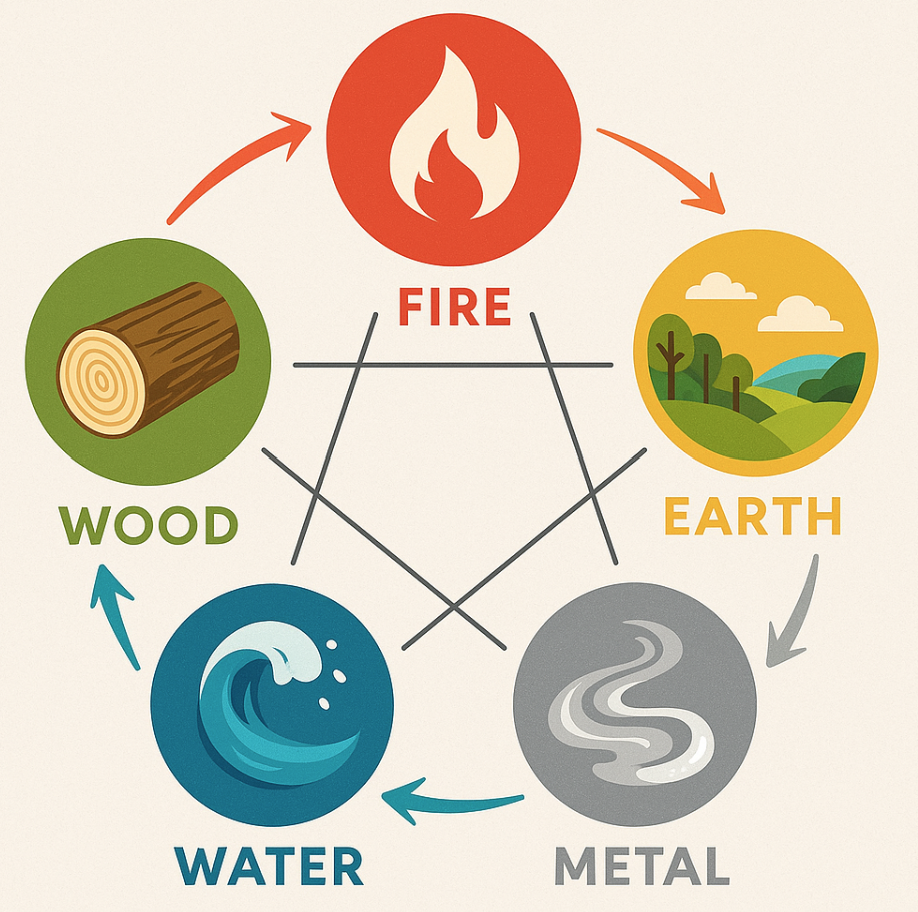
In TCVM, summer is the season of the Fire Element, which runs approximately from June 22 through September 9.
The Fire Element is associated with:
Joy
Love
Connection
Emotional expression
The Heart
The Small Intestine
Circulation
Sleep
Mental and emotional balance
Some dogs thrive in summer’s bright, active energy. They love the attention, the outings, the movement, the visitors, the fun, and the extra togetherness.
Other dogs tip out of balance.
If your dog becomes more anxious, restless, clingy, overheated, excitable, emotionally needy, or struggles to settle during the summer months, the Fire Element may be part of the picture.
This is especially important for dogs who already run warm, have heart concerns, struggle with anxiety, have poor sleep, or become overstimulated easily.
What Is a Fire Dog in TCVM?
In TCVM 5 Element Theory, every dog has constitutional tendencies. Some dogs naturally lean toward Wood, Fire, Earth, Metal, or Water. These tendencies can influence personality, behavior, physical vulnerabilities, and even how a dog responds to stress.
A Fire dog is often easy to spot.
They are usually expressive, affectionate, social, and emotionally tuned in. They may love being the center of attention, greeting every guest like they are hosting a dinner party, and keeping close tabs on their favorite humans.
Fire dogs are often:
Affectionate and people-focused
Emotionally expressive
Social and playful
Attention-seeking in a sweet but sometimes intense way
Excitable or easily stimulated
Sensitive to emotional changes in the home
Deeply connected to their person
Prone to clinginess when out of balance
The dog who wants to be involved in everything
A balanced Fire dog is joyful, loving, engaged, playful, and connected.
An unbalanced Fire dog may feel like their nervous system has no off switch.
Signs Your Dog May Be a Fire Dog
Your dog may have a Fire constitution if they are the life of the party, love attention, crave connection, and become emotionally dramatic when things do not go their way.
Fire dogs often enjoy affection and interaction. They may be the dog who leans into your body, follows you room to room, vocalizes for attention, or becomes overly excited when visitors arrive.
Common Fire dog traits may include:
Happy zoomies
Barking or whining when excited
Strong desire for human contact
Wanting to sleep close to their person
Big emotional reactions
Sensitivity to changes in household energy
Excitement that escalates quickly
Difficulty calming down after stimulation
They are often bright, fun, loving dogs.
But Fire burns hot. And when that energy is not supported, it can flare, scatter, or become depleted.
Fire Element Imbalance in Dogs
In TCVM, imbalance can show up as either excess or deficiency. This is an important distinction because not every Fire dog looks “hyper.”
Some dogs run too hot and become restless, anxious, and overstimulated. Others burn through their energy and become depleted, flat, or emotionally fragile.
Many dogs can even swing between both.
Signs of Excess Fire in Dogs
Excess Fire is what most people notice first because it tends to be loud, obvious, and hard to miss.
A dog with excess Fire may experience:
Anxiety or panic
Restlessness
Pacing
Overexcitement
Difficulty settling
Excessive panting
Heat intolerance
Red gums or red tongue
Inflamed mouth or tongue ulcers
Barking, whining, or emotional outbursts
Clinginess or separation anxiety
Stress-induced diarrhea
Trouble sleeping, especially late at night
Increased reactivity during hot or busy days
These dogs may seem like they are running on emotional caffeine.
They can be happy, excited, anxious, overheated, and exhausted all at once. It is a lot for the dog, and frankly, it can be a lot for the human too.
Signs of Fire Deficiency in Dogs
Fire deficiency can be quieter and easier to miss.
Instead of a dog who seems too hot or too wired, a deficient Fire dog may seem less vibrant, less connected, or less resilient.
A dog with Fire deficiency may experience:
Reduced enthusiasm
Emotional flatness
Less interest in connection
Low stamina
Poor circulation
Coldness despite the summer season
Weakness after activity
Sleep disruption
Sensitivity to stress
Lack of confidence
A quieter version of anxiety
A dog who seems less joyful or engaged than usual
This does not mean your dog is “sad” in a human sense. It means their system may need deeper support.
In TCVM, the Heart is connected not only to circulation, but also to the Shen, often described as the spirit or emotional presence. When the Heart is not well supported, emotional steadiness can suffer.
Why Summer Can Be Hard on Fire Dogs
Summer naturally increases heat, activity, stimulation, and social exposure.
For a Fire dog, this can be a perfect storm.
More visitors. More outings. More heat. More noise. More excitement. More irregular routines. More time outdoors. More environmental stressors.
Even fun things can be stressful when the nervous system is already running hot.
A dog does not have to be miserable for their body to be working harder. Heat alone places more demand on the cardiovascular system, hydration status, digestion, and emotional regulation.
This is why summer dog care should go beyond “do not walk on hot pavement.”
Yes, protect the paws.
But also protect the Heart, digestion, hydration, sleep, and nervous system.
When Red-Hot Flare-Ups Point to Wood, Not Just Fire
Not every “hot” summer symptom is purely a Fire Element issue.
In TCVM, the Wood Element is connected to the Liver, Gallbladder, tendons, ligaments, planning, movement, frustration, and the smooth flow of energy through the body.
When Wood becomes excessive or stagnant, it can create heat.
That heat may show up as what I think of as red-hot flare-ups:
Sudden attitude changes
Irritability or snappiness
Reactivity
Frustration
Restlessness
Red, itchy, inflamed skin
Hot spots
Red ears
Red eyes
Digestive upset during stress
Tendon or ligament tension
A dog who seems emotionally “pressurized”
This is where Fire and Wood can overlap.
Fire imbalance often affects the Heart, sleep, emotional connection, anxiety, and heat tolerance. Wood imbalance often brings more frustration, tension, reactivity, inflammation, and those red-hot skin or behavior flare-ups.
And because Wood feeds Fire in the Five Element cycle, excess Wood can make Fire symptoms worse.
In real life, this means your dog may not fit neatly into one box. A summer flare-up may involve both Fire and Wood: the Heart and emotions need support, but the Liver, inflammation, detox pathways, diet, and stress load may also need attention.
This is one reason I look at the whole dog instead of chasing symptoms one at a time
The Heart and Small Intestine Connection in TCVM
The Fire Element corresponds with the Heart and Small Intestine.
In conventional terms, we tend to think of the heart mostly as a pump. In TCVM, the Heart has a broader role. It is connected with emotional balance, mental clarity, sleep, circulation, and the Shen.
The Small Intestine is also more than digestion in TCVM. It helps separate the pure from the impure. Physically, that relates to digestion and nutrient absorption. Emotionally, it relates to sorting, processing, and discerning.
This is one reason Fire imbalances can show up in both emotional and digestive ways.
A Fire dog out of balance may have anxiety and stress diarrhea. They may become restless and have poor appetite. They may get overstimulated and then struggle to sleep. The body is not made of separate little departments. The gut, heart, nervous system, and emotions are all having a group chat.
Sometimes the group chat gets chaotic.
Summer Symptoms That May Point to Fire Imbalance
During summer, watch for seasonal changes in your dog’s behavior and body.
Fire Element imbalance may show up as:
More panting than usual
Seeking cool floors or shade constantly
Becoming restless at night
Increased anxiety
Clinginess or velcro behavior
Trouble being left alone
Redness in the mouth, gums, tongue, ears, or skin
Digestive upset after excitement
Loose stools during stress
Increased barking or vocalizing
Difficulty calming down after visitors or outings
More sensitivity to heat, noise, or emotional changes
Sudden bursts of excitement followed by exhaustion
If your dog has known heart disease, a murmur, fainting episodes, coughing, collapse, difficulty breathing, blue or pale gums, severe lethargy, or sudden weakness, that is not a “wait and see” situation. Call your veterinarian.
Natural support has a place. Emergency care also has a place. Know the difference.
Cooling Foods for Dogs in Summer
Food is one of the most practical ways to support a dog during the Fire season.
In TCVM food energetics, foods are considered warming, cooling, neutral, or drying. During summer, many dogs benefit from cooling and moisture-rich foods, especially dogs who run hot or show signs of excess Fire.
Support your dog with cooling, hydrating, heart-friendly foods.
Cooling Proteins for Dogs
Cooling or less warming protein options may include:
Duck
Rabbit
Turkey
Whitefish
Cod
Pollock
Sardines in moderation, when appropriate
This does not mean every dog needs a total diet overhaul on June 22. It means summer is a good time to evaluate whether your dog’s current food is adding heat or helping the body stay balanced.
Dogs eating dry, processed kibble may need extra moisture support during the summer. Kibble is dry by nature, and summer is not the time to pretend hydration is optional.
Moisture-Rich Vegetables and Fruits for Dogs
Hydrating summer foods may include:
Cucumber
Zucchini
Celery
Watermelon
Green beans
Leafy greens
Small amounts of berries
Always introduce new foods gradually and appropriately for your dog’s digestive tolerance.
Watermelon can be a great summer treat, but skip the rind and seeds. Also, do not turn your dog into a fruit salad. A little goes a long way.
Bitter Greens for the Fire Element
Bitter foods are associated with the Fire Element in TCVM. Bitters can help clear heat and support digestion.
Helpful bitter greens may include:
Dandelion greens
Endive
Arugula
Romaine
Small amounts of parsley
These can be finely chopped, lightly steamed, blended, or added in small amounts to fresh food.
If your dog is new to greens, start small. The gut appreciates manners.
Hydration Support for Dogs in Summer
Hydration is one of the biggest summer health factors for dogs.
Dogs can become dehydrated faster than many pet parents realize, especially if they are eating dry food, spending time outdoors, panting heavily, swimming in salt water, or playing in the heat.
Ways to increase hydration include:
Adding water to meals
Offering cool bone broth
Using goat milk or kefir when tolerated
Making frozen herbal tea cubes
Offering lightly flavored ice cubes
Adding moisture-rich foods
Feeding fresh food or fresh food toppers
Offering coconut water in small amounts when appropriate
Plain water should always be available.
For dogs who do not drink enough, adding moisture to food is often more effective than nagging them to visit the water bowl. Dogs are not tiny employees with hydration goals and a spreadsheet.
Herbs That May Support the Heart and Calm the Nervous System
Gentle herbs can be helpful for summer support, especially for Fire dogs who are anxious, restless, overheated, or emotionally sensitive.
Common herbs to consider include:
Hawthorn
Hawthorn is traditionally used to support the heart and circulation. It is often considered when a dog needs cardiovascular support, especially under professional guidance.
If your dog is on heart medications or has diagnosed heart disease, do not wing it. Work with someone who understands both herbs and medications.
Chamomile
Chamomile is gentle, calming, and supportive for digestion and the nervous system. It may be helpful for dogs with stress-related digestive upset or mild restlessness.
Lemon Balm
Lemon balm is often used for nervous system support, stress, and emotional tension. It may be a helpful option for dogs who become wired, unsettled, or emotionally sensitive.
Dandelion
Dandelion greens and root may support digestion, liver function, and fluid balance. Dandelion greens also bring in that bitter taste associated with Fire season support.
Herbs can be powerful. The right herb for the right dog can be wonderful. The wrong herb, wrong dose, or wrong combination can create problems. This is why individualized guidance is valuable.
Lifestyle Shifts for Summer Balance
Fire dogs often need help regulating stimulation.
That does not mean they need to be isolated, bored, or wrapped in bubble wrap. It means summer routines should create balance instead of constant activation.
Helpful lifestyle shifts include:
Walk early in the morning or later in the evening
Avoid hard exercise during peak heat
Provide cool, shaded rest areas
Use cooling mats when appropriate
Keep social activities shorter and calmer
Build in recovery time after outings
Use enrichment instead of constant physical activity
Offer sniff walks rather than high-intensity exercise
Keep bedtime routines predictable
Reduce overstimulation before sleep
For Fire dogs, mental enrichment can be more useful than simply trying to “tire them out.”
Trying to exhaust an overstimulated Fire dog can backfire. You may end up with a hotter, more frantic dog who is tired but still cannot settle. That is not balance. That is a toddler after a birthday party.
Enrichment Ideas for Fire Dogs
Fire dogs often benefit from focused, calming enrichment.
Try:
Snuffle mats
Lick mats
Frozen stuffed food toys
Scatter feeding
Scent games
Gentle training games
Slow sniff walks
Chewing appropriate natural chews
Calm connection time
The goal is not to create more excitement. The goal is to help your dog use their brain, settle their nervous system, and shift into a calmer state.
Acupressure for Fire Element Support
Acupressure can be a beautiful way to support emotional balance, especially for dogs who enjoy touch.
One commonly discussed point for calming the spirit is Heart 7, often used in TCVM for anxiety, restlessness, and sleep support.
This point is located near the wrist area, on the outside of the tendon. Gentle pressure, soft circles, or simply holding the area may be calming for some dogs.
Do not force acupressure. If your dog pulls away, licks excessively, becomes tense, or avoids touch, respect that. Support should not become a wrestling match.
Essential Oils for Summer Fire Element Support
Essential oils can be a supportive tool for Fire dogs when they are chosen carefully and introduced properly.
For summer, I tend to think in three categories:
Emotional calming oils
Heart-supportive oils
Grounding and cooling oils
Essential Oils for Emotional Calm
These oils may help support emotional steadiness and relaxation:
Roman chamomile
Lavender
Neroli
Ylang ylang
These are often considered for dogs who are restless, anxious, clingy, or emotionally wound up.
Essential Oils for Heart Support
These oils are often considered when focusing on the Heart, emotional connection, and deeper support:
Rose
Myrrh
Frankincense
Cistus
These oils may be used thoughtfully as part of a broader wellness plan, especially for dogs who need emotional and energetic support.
Essential Oils for Grounding and Cooling
These oils may help dogs who feel scattered, overstimulated, or unable to settle:
Vetiver
Sandalwood
Geranium
Lavender
Grounding oils can be helpful for the dog who cannot turn the volume down on life.
How to Use Essential Oils Safely Around Dogs
Essential oils are not air fresheners. They are not magic fairy juice. They are concentrated plant compounds, and they should be used with respect.
For dogs, essential oils may be used through:
Gentle diffusion
Diluted topical application
Application to bedding
Calming points such as the chest or ears
Custom blends based on the individual dog
Start low and slow.
Watch your dog’s response. If your dog avoids the oil, leaves the room, squints, drools, coughs, pants more, acts restless, or seems uncomfortable, stop and reassess.
Do not trap your dog in a room with a diffuser. Do not apply oils near the eyes, nose, genitals, or irritated skin. Do not use essential oils internally without proper guidance.
More is not better. Better is better.
When Summer Anxiety Is More Than Seasonal
Some dogs become more anxious in summer because of the Fire Element, heat, schedule changes, visitors, travel, thunderstorms, fireworks, or overstimulation.
But if anxiety is intense, chronic, or escalating, it deserves a deeper look.
Summer anxiety may be connected to:
Gut imbalance
Pain
Nutrient deficiencies
Poor sleep
Heat intolerance
Thyroid imbalance
Past trauma
Inflammation
Heart stress
Environmental stressors
Lack of routine
Overstimulation
This is why I do not love the “just give calming treats” approach.
Calming products may help, but they do not replace understanding why the dog is struggling.
How to Tell If Your Dog Needs Fire Element Support
Your dog may benefit from Fire Element support if summer brings noticeable changes in their mood, behavior, sleep, digestion, or heat tolerance.
Ask yourself:
Is my dog panting more than usual?
Is my dog struggling to settle?
Is my dog more anxious or clingy?
Is my dog waking at night?
Is my dog more reactive or easily overstimulated?
Is my dog showing stress diarrhea?
Is my dog seeking cool places constantly?
Is my dog less joyful or more emotionally flat?
Does my dog seem wiped out after normal summer activity?
Patterns matter.
One hot day does not define your dog’s constitution. But repeated seasonal changes give us useful information.
Supporting the Fire Dog Naturally
A Fire dog does not need to be “fixed.” They need to be understood and supported.
The goal is not to dull their joy or suppress their personality. The goal is to help their body and nervous system stay balanced so they can enjoy summer without tipping into anxiety, heat stress, digestive upset, or emotional overwhelm.
A summer Fire Element support plan may include:
Cooling foods
More moisture in the diet
Heart-supportive herbs
Calming essential oils
Reduced midday activity
Better sleep routines
Gentle enrichment
Acupressure
Nervous system support
A fresh look at nutrition
When you support the whole dog, behavior often makes more sense.
Take the Fire Dog Quiz
Not sure if your dog is a Fire dog?
Take the quiz and look at your dog’s constitution, personality, seasonal tendencies, and emotional patterns.
Your dog may be mostly Fire, or Fire may simply be the element that gets challenged during summer.
Either way, the quiz can help you better understand what your dog may need during the hottest, most stimulating season of the year.
Final Thoughts: Summer Dog Care Is About More Than Heat
Summer dog care is not just about avoiding hot pavement or carrying water on walks.
It is about supporting your dog’s heart, hydration, digestion, sleep, emotional regulation, and nervous system.
For Fire dogs, summer can be joyful and energizing, but it can also be a season of overstimulation, anxiety, heat intolerance, and emotional imbalance.
The good news is that small changes can make a big difference.
Cooling foods. More moisture. Better routines. Calming herbs. Thoughtful essential oils. Less midday intensity. More intentional recovery.
That is how we help dogs eat better, feel better, and live longer.
If your dog struggles with summer anxiety, heat intolerance, restlessness, emotional clinginess, or poor sleep, schedule a consultation so we can look at the whole picture and create a support plan that actually fits your dog.
Schedule a consultation: https://welloiledk9.com/questionnaire
Or join the member forum for more seasonal wellness education, natural remedy guidance, and ongoing support:
https://community.welloiledk9.com
❤️ Ask me about my Summer Cooling & Heart Health Protocol
🗓️ Schedule a session to discuss your dog’s behavior and anxiety patterns
🧘♀️ Let’s bring more peace and joy to your pup this summer.
Statements in this blog have not been evaluated by the FDA. Educational content only. Not intended to diagnose, treat, cure, or prevent any disease.
The Seasons of 5 Element Theory:
When DIY Isn't Enough Already tried the basics? If this is happening with your dog and you're still stuck, I can help you figure out what deserves attention next.
Request a Discovery Callback →