SAMe vs. Milk Thistle for Dogs: Which Liver Supplement Does Your Dog Need?
Your dog’s liver enzymes came back high, and now you are staring at SAMe, milk thistle, silymarin, silybin, Denamarin, and an alarming number of “liver detox” products.
Do they all do the same thing?
No.
Can some of them be used together?
Yes.
But before we choose a supplement, we need to understand why your dog’s liver values are changing. Otherwise, we are picking bottles while ignoring the bigger story.
See your vet for a diagnosis and then you and I can collaborate on a custom strategy for your dog's health.
SAMe and Milk Thistle Are Not the Same Thing
SAMe and milk thistle both offer liver support, but they come from different sources and work through different pathways.
SAMe, short for S-adenosylmethionine, is a compound naturally produced in the body. It participates in methylation and other metabolic processes and helps the body produce glutathione, one of the liver’s most important internal antioxidants.
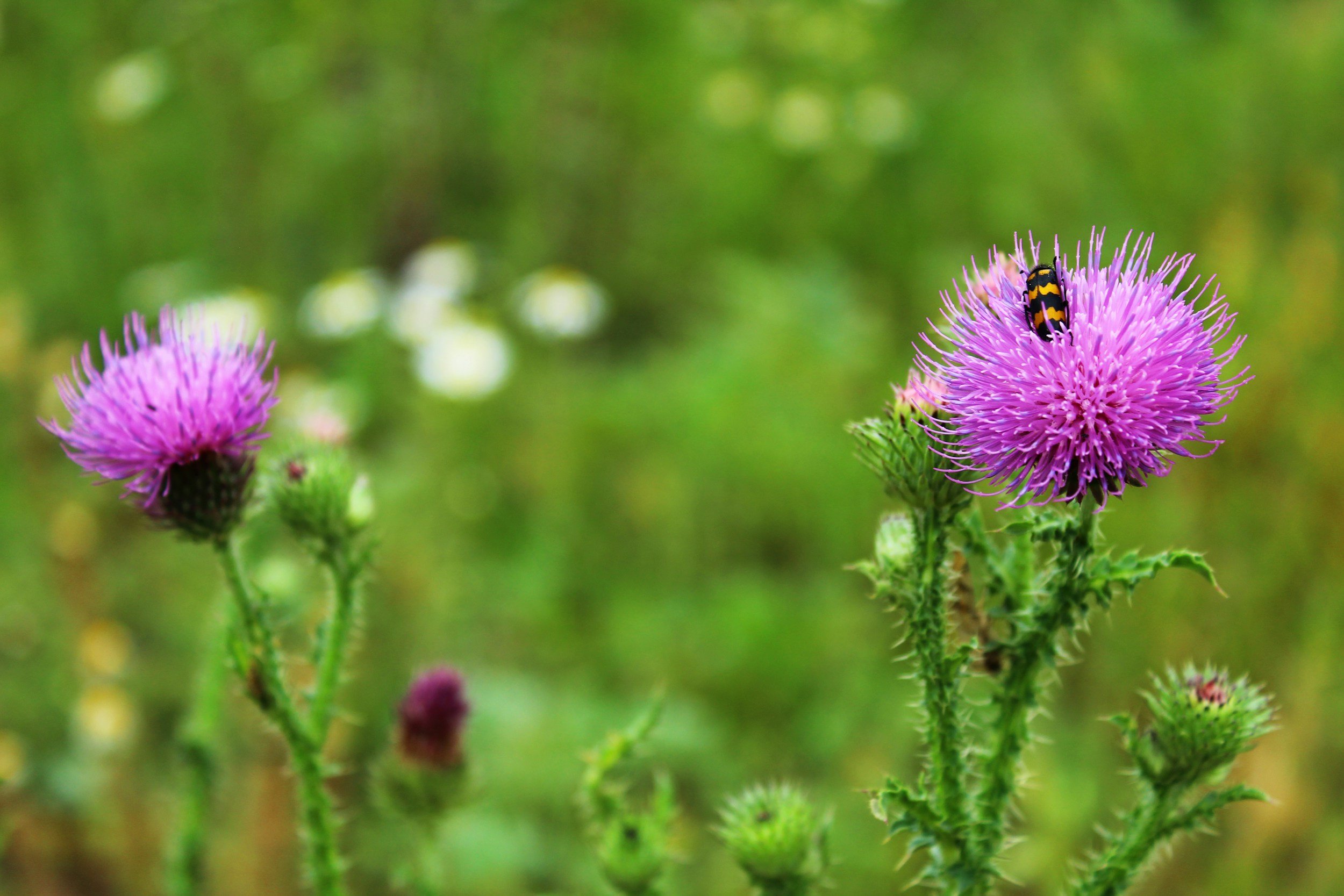
Milk thistle is an herb. Its seeds contain a group of compounds collectively known as silymarin. One of the most researched components of silymarin is silybin, also called silibinin.
That means milk thistle, silymarin, and silybin are related—but they are not necessarily interchangeable when you are comparing supplement labels.
A bag of ground milk thistle seed is not the same as a standardized silymarin extract, and a generic milk thistle capsule may not provide the same absorption as a formulated silybin product.
SAMe vs. Milk Thistle for Dogs
| Comparison | SAMe | Milk Thistle |
|---|---|---|
| What it is | A compound naturally produced in the body | An herb containing silymarin compounds, including silybin |
| Primary role | Supports glutathione production, methylation and antioxidant defenses | Helps protect liver cells and support a healthy response to oxidative stress |
| Common label terms | SAMe or S-adenosylmethionine | Milk thistle, silymarin, silybin or silibinin |
| Often used for | Ongoing liver support, depleted antioxidant capacity and medication-related liver stress | Liver-cell protection, oxidative stress and support during or after certain exposures |
| Can it be used with the other? | Yes. SAMe and silybin are commonly combined | Yes. Some veterinary liver products contain both |
| Product concern | Stability, coating, storage and absorption can vary | The amount and bioavailability of active compounds can vary widely |
| Food timing | Many SAMe products are intended for an empty stomach | Directions depend on the extract and formulation |
What Does SAMe Do for Dogs?
SAMe helps support the liver’s own antioxidant and metabolic systems.
One of its best-known roles is helping maintain glutathione, an antioxidant heavily used by the liver when processing medications, chemicals, hormones, metabolic waste, and other substances.
SAMe may be considered as part of a larger plan for dogs with:
Elevated liver enzymes
Ongoing medication use
Oxidative stress
Certain chronic liver conditions
Reduced glutathione production
Age-related changes
Neurological or cognitive support needs
SAMe is not simply an herbal detox ingredient. It participates in biochemical reactions throughout the body, including those involving the liver, nervous system, cell membranes and neurotransmitters.
You can learn more in my complete article on SAMe for dogs.
Product Form Makes a Difference
SAMe can be unstable when exposed to moisture, air and inappropriate storage conditions. Some products use coatings or specialized formulations to help the supplement reach the small intestine, where it can be absorbed.
This is one reason I would not choose SAMe based solely on whichever bottle is cheapest or has the prettiest liver-shaped graphic.
Follow the administration directions for the specific product. Many SAMe formulations are given on an empty stomach, but the instructions may vary depending on whether the product is a coated tablet, chewable or combination formula.
What Does Milk Thistle Do for Dogs?
Milk thistle is primarily used for its liver-protective and antioxidant properties.
The herb’s active compounds may help:
Support liver-cell integrity
Reduce oxidative damage
Support healthy inflammatory balance
Support the liver during certain medication or chemical exposures
Assist the liver’s natural repair processes
Support normal bile and liver function
Milk thistle is often described as one supplement, but product quality varies tremendously.
A label may contain:
Whole milk thistle seed
Ground seed powder
A standardized silymarin extract
Concentrated silybin
Silybin combined with phosphatidylcholine to improve absorption
These are not automatically equivalent.
A product containing 500 milligrams of ground milk thistle seed cannot be directly compared with 500 milligrams of a standardized extract. The concentration and availability of active compounds may be completely different.
Read more about its forms, uses and quality considerations in my article on milk thistle for dogs.
Can Dogs Take SAMe and Milk Thistle Together?
Yes. SAMe and milk thistle compounds are commonly used together.
They are not duplicating the exact same job. SAMe primarily supports internal metabolic and antioxidant pathways, including glutathione production. Silybin helps provide additional antioxidant and liver-cell support.
Some veterinary liver supplements intentionally combine SAMe with silybin for this reason. Denamarin is one familiar example of a combination product containing both ingredients.
The combination has also been studied in dogs receiving lomustine, also called CCNU, a chemotherapy drug known for potential liver toxicity. Dogs receiving the combination experienced less severe changes in several liver-related blood values than dogs receiving the drug alone. That does not mean every dog receiving chemotherapy should automatically start it, but it does show why a blanket “never use milk thistle during chemotherapy” warning is too simplistic.
When cancer treatment, anticonvulsants, steroids, antibiotics or other important medications are involved, your veterinarian or veterinary oncologist should know everything your dog is receiving. We want a coordinated plan—not three people unknowingly steering the same car.
When Might I Choose SAMe Alone?
SAMe alone may be considered when the primary goal is supporting:
Glutathione production
Methylation and metabolic pathways
Ongoing antioxidant capacity
Liver support during long-term medication use
Cognitive or neurological health in addition to liver health
A dog that does not tolerate herbal products well
That does not mean SAMe is automatically the best answer for every dog with an elevated ALT or ALP.
The dog’s diagnosis, lab pattern, symptoms, medications and product tolerance still change the decision.
When Might I Choose Milk Thistle Alone?
Milk thistle may be considered when the primary goal is broader herbal liver support, particularly when looking at:
Oxidative stress
Liver-cell protection
Support following certain chemical or medication exposures
Short-term herbal support
A dog that cannot tolerate SAMe
A plan in which SAMe is not currently necessary or appropriate
Milk thistle may also be easier to provide in tincture, powder or capsule form for dogs who absolutely refuse tablets.
Of course, some dogs could detect a pill hidden inside a meatball from another county. Form matters.
When Might Using Both Make More Sense?
Using SAMe and a milk thistle extract together may be considered when the dog needs support through more than one liver pathway.
A combination may be worth discussing when:
Liver enzymes remain elevated over multiple tests
The dog takes medications that must be processed through the liver
There is a diagnosed liver or gallbladder condition
Oxidative stress is a concern
The veterinarian recommends a combination liver product
The dog’s liver needs ongoing support rather than a brief wellness boost
One ingredient alone has not provided enough support
More ingredients are not always better, but sometimes thoughtful layering is exactly what the body needs.
The goal is not to throw every liver supplement into the bowl and hope the liver sends a thank-you card.
Is Denamarin the Same as Milk Thistle?
No.
Denamarin is a combination supplement containing:
SAMe
Silybin, an active component derived from milk thistle
Milk thistle by itself does not contain added SAMe.
This distinction often gets lost because people refer to Denamarin as “milk thistle,” but it is more accurately described as a SAMe-and-silybin product.
There are also differences among coated tablets, chewable formulations and advanced versions, so administration instructions and absorption may not be identical across every product.
Do SAMe or Milk Thistle Lower Liver Enzymes?
They may support liver health and may be associated with improvements in liver-related blood values in some dogs—but neither supplement guarantees that ALT, ALP, AST or GGT will return to normal.
A high liver enzyme is a clue, not a complete diagnosis.
The real question is:
Why is the enzyme elevated?
Possible contributors include:
Medication effects
Steroids or anticonvulsants
Recent anesthesia
Toxin or chemical exposure
Gallbladder disease
Impaired bile flow
Pancreatic inflammation
Infection
Endocrine conditions such as Cushing’s disease
Liver inflammation or structural disease
Copper accumulation
Tumors or nodules
Age-related changes
Chronic digestive or inflammatory stress
Start with my guide to elevated liver enzymes in dogs if you are trying to understand what your dog’s bloodwork may be telling you.
One Elevated Number Does Not Tell the Whole Story
ALT and ALP are not interchangeable, and an elevated enzyme does not automatically mean the liver is failing.
When I look at the whole picture, I want to know:
Which enzymes are elevated
How high they are
Whether they are rising, falling or remaining stable
Bilirubin, albumin, glucose, cholesterol and BUN results
Bile acid testing, when appropriate
Ultrasound or other imaging findings
Current and recent medications
Supplements and preventatives
Recent surgery or anesthesia
Appetite and nausea patterns
Stool color and digestive history
Weight and muscle condition
Diet and treat history
Exposure to lawn chemicals, cleaners, pesticides or flea-and-tick products
Other diagnoses, including endocrine or gallbladder conditions
A supplement can support the liver. It cannot tell us whether the dog has medication-related enzyme induction, impaired bile flow, a gallbladder mucocele, copper-associated disease, a liver mass or another underlying problem.
That part requires diagnostics.
Nutrition Still Belongs in the Liver Conversation
I get a little twitchy when a dog is prescribed liver support, but no one asks what is going into the bowl every day.
Your dog’s diet influences:
Protein quality
Amino-acid availability
Copper intake
Antioxidant intake
Inflammatory load
Digestive function
Stool elimination
The gut-liver connection
Weight and muscle preservation
The right diet depends on the actual diagnosis.
A dog with a congenital liver shunt does not need the same food strategy as a dog whose ALT increased after medication. A dog with pancreatitis and gallbladder sludge may have different needs than a dog with copper-associated liver disease.
“Feed a liver diet” is not a complete nutrition plan.
Natural Liver Support Goes Beyond One Supplement
Depending on the individual dog, a broader liver-support strategy may include categories such as:
Fresh, appropriately balanced nutrition
SAMe
Milk thistle or standardized silybin
Other carefully selected herbs
Antioxidant support
Omega-3 fatty acids
B vitamins and methylation support
Gut and microbiome support
Appropriate fiber to support elimination
Gallbladder and bile-flow support
Reducing unnecessary chemical exposure
Reviewing medications and supplements with the veterinarian
Stress and nervous-system support
TCVM pattern assessment
Gentle bodywork, Reiki or PEMF when appropriate
TCVM may help identify patterns involving heat, dampness, stagnation, deficiency, digestive weakness, stress or inflammation.
Muscle testing may help guide tolerance and direction in sensitive or complicated dogs. Experience helps us recognize patterns, ask better questions and avoid wasting time on random product guessing.
Learn more about the bigger picture in Detox for Dogs: Myth or Must?.
Side Effects and Precautions
Both SAMe and milk thistle are generally well tolerated, but “natural” does not mean incapable of causing a problem.
Possible concerns may include:
Nausea
Reduced appetite
Vomiting
Diarrhea or loose stool
Gas or digestive discomfort
Difficulty giving coated tablets correctly
Sensitivity to herbal ingredients
Duplication when several liver products are used together
Interactions or timing concerns within a complicated medication plan
Use added care when your dog:
Is receiving chemotherapy
Takes seizure medication
Takes steroids or multiple prescriptions
Has advanced liver or kidney dysfunction
Has a bile-duct obstruction or serious gallbladder condition
Is pregnant or nursing
Has an upcoming procedure
Is already taking another combination liver product
Do not add separate SAMe and milk thistle on top of a combination product without first checking the label. You may already be giving both.
When This Is Urgent
Supplements are not a substitute for prompt veterinary care when a dog has signs of significant liver, gallbladder or systemic illness.
Contact your veterinarian promptly if your dog develops:
Yellow eyes, gums or skin
Repeated vomiting
Refusal to eat
Severe weakness
Collapse
A swollen or painful abdomen
Very dark urine
Pale, gray or unusually orange stool
Disorientation
Head pressing
Circling
Tremors or seizures
Sudden behavior changes
Known ingestion of a toxin or toxic mushroom
Rapidly worsening bloodwork
These signs may require diagnostics, fluids, medications, hospitalization or emergency stabilization. This is where conventional veterinary care is essential.
Which Liver Supplement Does Your Dog Actually Need?
SAMe and milk thistle are both useful tools, and they are often safe to use together when appropriately selected.
But choosing between them depends on more than a liver enzyme flagged in red on a bloodwork report.
We need to understand:
What is driving the liver stress
Whether the concern is acute or chronic
Which blood values are changing
What medications the dog takes
Whether the gallbladder, pancreas, gut or endocrine system is involved
What the dog eats
What has already been tried
How the dog is responding
That is the difference between adding another supplement and building a strategy.
If your dog has elevated liver enzymes, takes medications that affect the liver or has a diagnosed liver or gallbladder condition, I can help you look at the complete picture and collaborate on a personalized nutrition and natural-support plan.
Related Content
Dosing is not included because I do not know your dog’s diagnosis, weight, current medications, organ function, product concentration, diet, tolerance or what else may already be in the plan. SAMe and milk thistle products also differ considerably in concentration, formulation and absorption.
The information provided is for educational purposes only and is not intended to diagnose, treat, cure or prevent disease. These statements have not been evaluated by the Food and Drug Administration. Always involve your veterinarian in diagnosing liver or gallbladder disease and when combining supplements with prescription medications.
When DIY Isn't Enough Already tried the basics? If this is happening with your dog and you're still stuck, I can help you figure out what deserves attention next.
Request a Discovery Callback →