

Can Dogs Eat Rice?
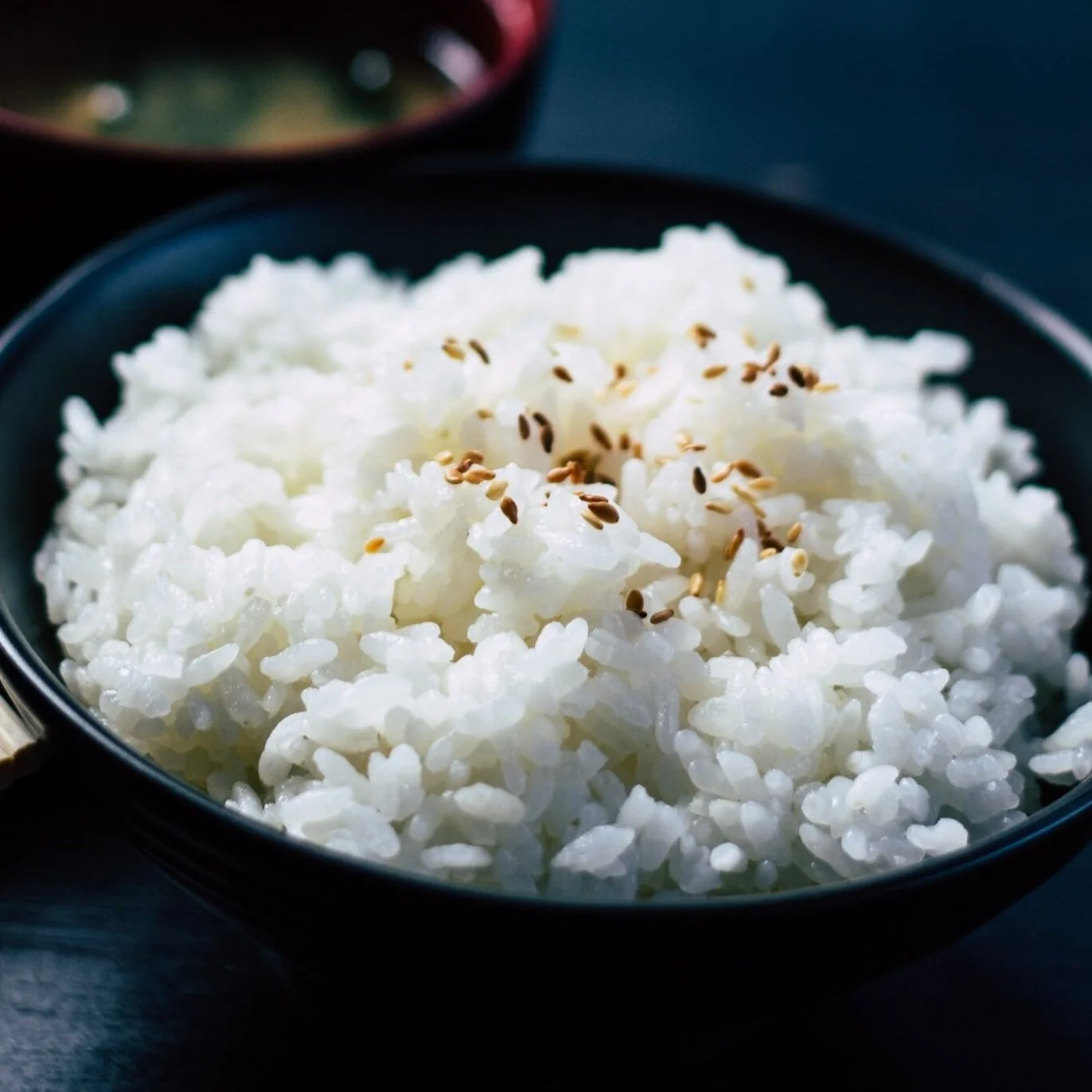
Reasons Not To Feed Your Dog Rice
Why I Don’t Recommend Rice as the Default for Dogs
If your dog has loose stool, vomiting, pancreatitis, itchy skin, yeast, or just seems “off,” there is a good chance someone has told you to feed chicken and rice.
I get why.
It is easy. It is familiar. Your vet may have suggested it. Your neighbor may swear it saved her dog’s digestive system in 1998. The internet loves it because the internet loves simple answers.
But common advice is not always complete advice.
Can dogs eat rice? Technically, yes. Most dogs can eat plain cooked rice.
But the better question is this:
Is rice actually helping your dog nutritionally, or is it just filling the bowl?
For many dogs, especially dogs already eating kibble, struggling with yeast, allergies, gut inflammation, weight issues, blood sugar problems, pancreatitis, or chronic digestive symptoms, rice may not be the best choice.
The Amount of Rice Is Often the Bigger Problem
One of the biggest issues with chicken and rice is not just the rice itself.
It is the amount of rice people usually feed.
When someone says “chicken and rice,” many pet parents end up making a bowl that is mostly rice with a little chicken mixed in. So instead of feeding a recovery meal, they are feeding a starch-heavy meal with a protein garnish.
That may be easy on paper, but it is not always what the dog’s body actually needs. And your dog may not want to eat it if it cause him to feel bloated or further inflamed by the carb load.
During recovery, especially after vomiting, diarrhea, pancreatitis, antibiotics, surgery, or a gut flare, I am usually thinking about:
Hydration
Gentle, usable protein
Electrolytes and minerals
Digestive support
Gut lining support
Microbiome support
Fat tolerance
Nausea
Stool quality
The dog’s actual medical history
A bowl that is 50–75% rice may fill the stomach, but it may not support recovery the way pet parents assume it does.
And if that dog is already eating kibble, struggling with yeast, prone to pancreatitis, dealing with blood sugar issues, or recovering from chronic gut inflammation, making rice the foundation of the meal may work against the bigger goal.
If rice is used at all, I would rather see it as a very small part of the bowl — not the main event.
The recovery food should match the dog in front of you.
A dog with mild short-term digestive upset may need something very different than a dog with pancreatitis, IBD-type symptoms, diabetes, chronic yeast, kidney disease, liver concerns, or repeated antibiotic history.
This is why “just feed chicken and rice” is incomplete advice.
It does not tell you how much.
It does not tell you for how long.
It does not tell you when to stop.
It does not tell you whether rice is appropriate for this dog.
And it definitely does not rebuild the gut by magic.
Rice Is Not Toxic, But That Does Not Make It Ideal
Rice is often treated like a gentle healing food for dogs.
In reality, rice is mostly starch.
That means it adds carbohydrates to the bowl without adding much meaningful nutrition compared to better whole food options.
This is especially important if your dog already eats kibble, because many kibble diets are already high in carbohydrates. Adding rice to kibble is usually not “boosting nutrition.” It is usually adding more starch to a diet that may already have plenty.
If you are trying to improve a kibble bowl, there are better ways to do it than adding rice. Fresh toppers, moisture, appropriate proteins, low-starch vegetables, and digestive support often make more sense. I talk more about that here: Benefits of Adding Fresh Dog Food Toppers.
For a healthy dog eating a varied fresh food diet, an occasional small amount of rice may not be a crisis.
But for the dog who is itchy, yeasty, overweight, inflamed, diabetic, prone to pancreatitis, dealing with chronic loose stool, or eating rice every day because it is built into the food? That is where I start asking better questions.
Why I Do Not Love Rice as a Daily Food for Dogs
Rice is cheap, easy, and bland.
That is why it shows up everywhere.
But cheap, easy, and bland are not the same thing as supportive, nutrient-dense, or appropriate for your individual dog.
Rice may be a poor fit for dogs dealing with:
Weight gain
Blood sugar imbalance
Yeast
Chronic inflammation
Pancreatitis history
Gut irritation
Low energy
Constant hunger
Difficulty building muscle
The goal is not just to fill the bowl.
The goal is to feed the body.
Rice and Blood Sugar Concerns
White rice can raise blood sugar quickly.
That does not mean every dog who eats rice will become diabetic. Let’s not get dramatic.
But if a dog already has diabetes, insulin resistance, pancreatitis tendencies, weight issues, or inflammatory disease, I am not excited about leaning on a high-starch food as a regular part of the plan.
For those dogs, I would rather look at:
Better protein
Moisture
Lower-starch vegetables
Gentle fiber
Fresh food
Digestive support
A more individualized food strategy
If pancreatitis is part of your dog’s story, rice is not automatically the safe answer. The full plan needs to consider fat tolerance, protein choice, nausea, appetite, medications, stool quality, and recovery stage. I go deeper into that here: What to Feed a Dog With Pancreatitis.
Rice and Yeast
If your dog is yeasty, itchy, licking paws, getting recurring ear issues, or smelling like corn chips and regret, rice is usually not where I want to go.
Yeast tends to do well when the diet is heavy in starch and sugar.
That does not mean rice is the only reason your dog has yeast. Yeast can involve the gut, immune system, skin barrier, medications, allergies, food intolerance, endocrine issues, and more.
But if a dog is already struggling with yeast, adding rice often makes very little sense.
Better questions include:
Is the diet too high in starch?
Is the microbiome disrupted?
Has this dog had repeated antibiotics or steroids?
Are we dealing with food intolerance?
Is the immune system overreacting?
Is the skin barrier weak?
Are we missing a thyroid, Cushing’s, or endocrine clue?
If your dog keeps cycling through ear issues, itchy skin, loose stool, or yeast flares, the gut needs attention too. This article is a good next step: Dog Gut Health and Microbiome Support.
Rice and Allergies
Rice is often recommended because people think it is “safe” for allergy dogs.
Sometimes it is tolerated.
Sometimes it is not.
Dogs can react to almost any food, including chicken, beef, rice, oats, peas, potatoes, eggs, dairy, fish, and every other thing the internet has decided is either a miracle or the devil this week.
If your dog has chronic itching, ear infections, paw licking, red skin, recurring hot spots, or digestive upset, rice may not be the answer.
An allergy or intolerance plan needs to look at:
Current food
Past proteins
Repeated ingredients
Treats
Chews
Toppers
Flavored medications
Supplements
Gut health
Seasonal patterns
Stool history
Skin and ear history
Most pet parents answer the questions they are asked.
What they often need is someone asking the questions they did not know to ask.
Rice and Arsenic: Why I Still Pay Attention
I do not bring up arsenic because I expect most pet parents to recognize arsenic poisoning in their dog.
Arsenic is technically a metalloid, not a true heavy metal, but it is often discussed alongside heavy metals because it can contribute to toxic burden with repeated exposure over time.
The concern with rice is not typically an acute poisoning situation. It is more about repeated, low-level exposure over time — especially when rice is part of the dog’s daily kibble, daily bland diet, or long-term homemade recipe.
Rice can absorb arsenic from soil and water more readily than many other crops. That does not mean one rice meal is a crisis. It does not even mean every rice-based food is automatically dangerous.
But it does give me one more reason to question rice as a daily foundation food.
This is especially true when the dog is already dealing with other concerns like inflammation, poor gut health, yeast, allergies, liver stress, kidney issues, cognitive changes, or chronic disease.
The body has to process everything we ask it to carry.
So no, I am not saying your dog will get arsenic poisoning from eating rice.
I am saying that if rice is not bringing much nutritional value to the bowl, and it may add unnecessary long-term exposure concerns, especially to an already burdened or depleted body, why make it a major part of the diet when more nutritious options exist?
Rice and Taurine Concerns
There has also been discussion around certain rice-based diets, especially lamb and rice diets, and taurine levels in some dogs.
This does not mean every dog who eats rice will become taurine deficient.
But it is another reminder that ingredient patterns are not always harmless just because the bag says complete and balanced.
When I see a dog on a long-term lamb-and-rice or rice-heavy food, especially a large breed, heart-risk breed, or dog with low energy, muscle loss, exercise intolerance, or health decline, I want to look deeper.
Food is information to the body.
The pattern counts.
Chicken and Rice Is Not My Favorite Bland Diet
This is where a lot of pet parents get stuck.
The dog has diarrhea.
The dog vomited.
The dog had surgery.
The dog is recovering from a pancreatitis flare.
The dog refuses food.
And someone says, “Just do chicken and rice.” You know the bland diet for recovery from anything.
I understand why that advice exists. It is simple, low-effort, and familiar.
But I do not consider chicken and rice the best recovery food for many dogs.
Chicken and rice may be a poor fit when a dog has:
Chicken sensitivity
Yeast
Chronic itching
Ear infections
Pancreatitis history
Blood sugar issues
Gut inflammation
IBD-type symptoms
Poor tolerance to grains
Long-term digestive weakness
Repeated antibiotic history
Rice fills the bowl, but it does not do much to rebuild the gut.
And chicken is one of the most common proteins dogs are repeatedly exposed to, which can be a problem for sensitive dogs.
If your dog has been told to eat chicken and rice for every digestive issue, read this next: What to Feed a Dog With an Upset Stomach Instead of Chicken and Rice.
What I Usually Consider Instead of Rice
This depends on the dog, the symptoms, and the reason we are feeding a bland or recovery-style meal.
But instead of automatically reaching for rice, I may consider:
Bone broth for hydration and minerals
Lean, lightly cooked protein
Low-fat fresh food options for pancreatitis-prone dogs
Pumpkin when appropriate
Cooked low-starch vegetables
Gut lining support
Digestive enzymes
Probiotics or spore-based probiotics
Saccharomyces boulardii when appropriate
Microbiome testing in chronic cases
Electrolyte and mineral support
A temporary fresh food recovery plan
A longer-term food transition plan
This does not mean every dog needs all of that.
Please do not build a supplement lasagna because you read a blog.
The point is that there are better nutrition options than automatically dumping rice into the bowl.
If your dog needs microbiome support, probiotics may be part of the plan — but the type, quality, strain diversity, and timing all matter. Start here if you are trying to understand the basics: Does Your Dog Need Probiotics?.
When Rice Might Be Okay
I am not saying one bite of rice will ruin your dog.
Rice may be tolerated by some dogs in small amounts.
It may be used temporarily in certain situations when nothing else is available, the dog tolerates it well, and the dog does not have a condition where starch is clearly working against the plan.
But I do not like rice as the default answer.
I especially do not like rice as a long-term foundation.
And I really do not like adding rice to kibble while assuming we have improved the meal.
That is like adding crackers to cereal and calling it a wellness plan.
Dogs Who May Need to Avoid Rice
I would be especially cautious with rice for dogs dealing with:
Yeast
Chronic ear infections
Paw licking
Itchy skin
Food allergies or food intolerance
Diabetes
Pancreatitis
Obesity
Chronic inflammation
Seizure dogs trying to reduce carbs
IBD-type symptoms
Loose stool that keeps returning
Poor microbiome health
Heart concerns where taurine status may be relevant
Dogs already eating rice-based kibble
Dogs eating the same processed food every day for years
Again, the diagnosis is only part of the story.
The individual dog tells us what direction makes sense.
The Whole-Dog Questions I Would Ask
Before deciding whether rice belongs in the bowl, I want to know:
How old is the dog?
What breed and size?
What is the current diet?
Is rice already in the kibble?
How long have symptoms been going on?
Is this acute or chronic?
Are there yeast symptoms?
Any history of pancreatitis?
Any diabetes or blood sugar concerns?
Any recurring ear or skin issues?
What treats, chews, toppers, oils, and table scraps are being fed?
Any antibiotics, steroids, NSAIDs, seizure meds, or other medications?
What does the stool look like?
Is the dog nauseous?
Is the dog losing or gaining weight?
What do the labs show?
Are liver, kidney, gallbladder, thyroid, adrenal, or inflammatory markers involved?
This is why generic advice falls short.
Facebook answers are usually based on one person’s dog.
Your dog is not that dog.
Same symptom. Different body. Different plan.
When to Call the Vet
If your dog has mild, short-lived digestive upset and is otherwise bright, drinking, and improving, food support may be enough.
But do not try to manage serious symptoms at home.
Contact your veterinarian promptly if your dog has:
Repeated vomiting
Bloody diarrhea
Black or tarry stool
Refusal to drink
Signs of dehydration
Severe lethargy
Collapse
Pale gums
Abdominal pain
Trembling or panting from discomfort
Known pancreatitis with worsening symptoms
Diabetes
Kidney disease
A young puppy or fragile senior dog
Symptoms lasting more than 24–48 hours without improvement
Veterinary care is important for diagnosis, labs, imaging, fluids, pain control, medications, and stabilization when needed.
Then we can talk about food strategy, gut recovery, natural support, and prevention.
So, Should You Feed Your Dog Rice?
Maybe once in a while.
Maybe not at all.
But I would not make it the default.
I would not assume rice is helping just because it is bland.
And I would not add it to kibble thinking I improved the bowl.
If your dog is healthy, active, metabolically strong, and eating a varied fresh diet, a small amount of rice here and there may not be a big deal.
If your dog is itchy, yeasty, inflamed, overweight, diabetic, pancreatitis-prone, gut-sensitive, or eating rice-based food every day, I would look for better options.
The goal is not to win an argument about rice.
The goal is to feed the dog in front of you.
If you need help figuring out what actually belongs in your dog’s bowl, submit an inquiry and let’s see what I can do to help. No obligation — the inquiry callback is no cost to you: Contact Me.
For deeper support, food strategy, product categories, and next steps, ask me about my membership programs: Well Oiled K9 Membership.
You can also browse recommended nutrition and gut support resources here: Recommended Products.
Statements in this blog have not been evaluated by the FDA. Educational content only. Not intended to diagnose, treat, cure, or prevent any disease.
Dosing and product-specific protocols are not provided here because I do not know your dog’s full case, diagnosis, medications, organ function, weight, diet history, tolerance, lab trends, or what else you may already be using.
When DIY Isn't Enough Already tried the basics? If this is happening with your dog and you're still stuck, I can help you figure out what deserves attention next. Want reliable education, live Q&A, and member resources? Explore Membership →
Request a Discovery Callback →