

What Kind of Omega-3 Is Best for Dogs?
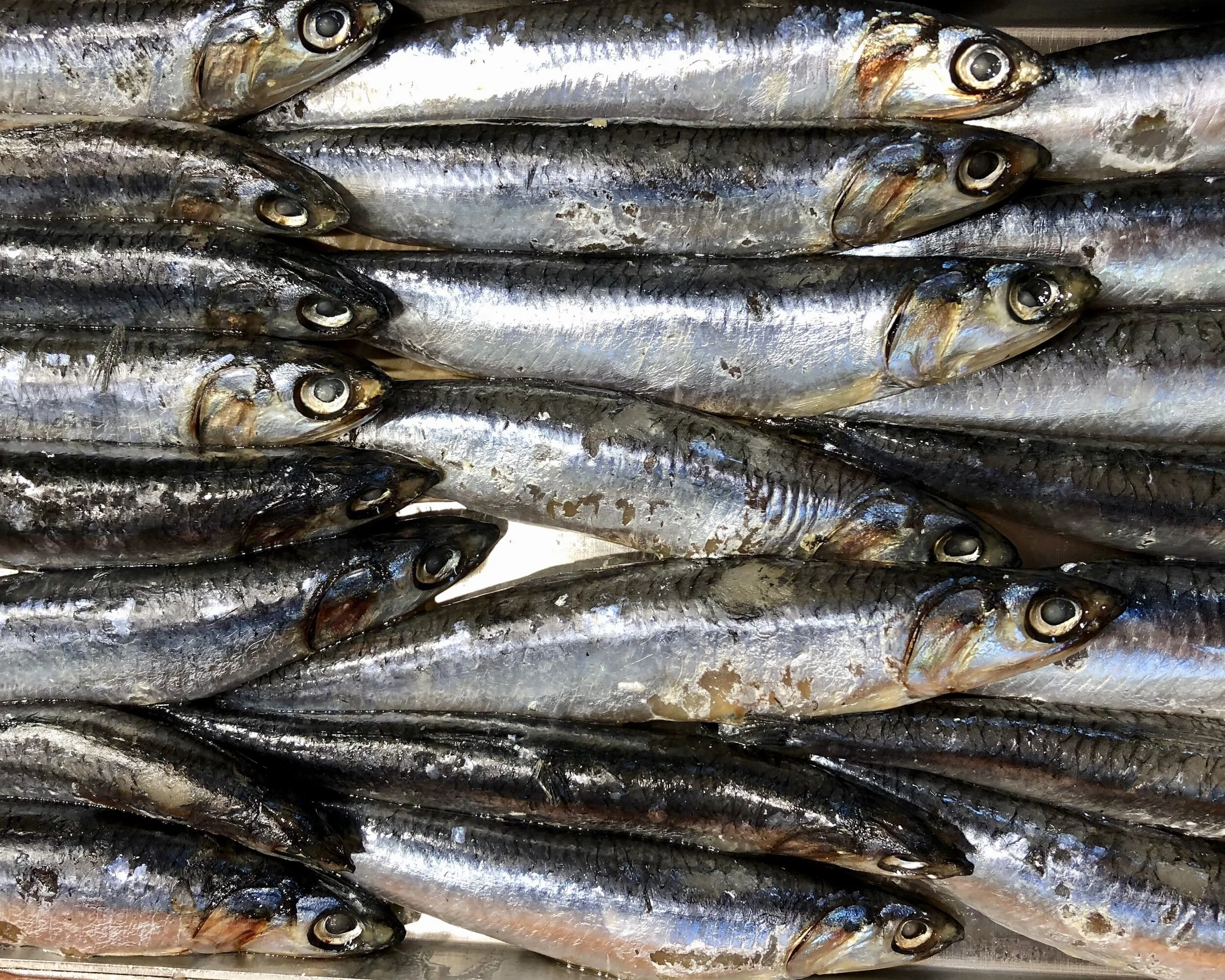
Unleash the Benefits of Omega-3 for Dog Health
You walk into a store—or open Facebook—and suddenly everyone has an opinion about omega-3s.
Fish oil. Salmon oil. Krill oil. Algae oil. Camelina oil. Flaxseed. Green-lipped mussel. Omega 3-6-9.
They all say “omega” on the front, so they must do the same thing, right?
Not exactly.
The type of omega-3, the amount of EPA and DHA, the condition of the oil, and the individual dog all change the answer. A bottle can contain plenty of oil while providing very little of the omega-3 your dog may actually need.
Let’s sort out what you are looking for before another shiny bottle moves into your refrigerator.
Does My Dog Need an Omega-3 Supplement?
Some dogs receive meaningful amounts of omega-3 through a well-planned diet that regularly includes appropriate fatty fish or other marine foods.
Many do not. Most do not achieve the desired therapeutic level without some supplementation.
Dogs eating processed food, chicken-heavy diets, repetitive homemade recipes, or diets without oily fish may receive plenty of fat without receiving much EPA and DHA.
Before adding a supplement, look at the entire diet:
What food is your dog eating?
Does it contain a direct source of EPA and DHA?
Is the amount disclosed, or does the label simply say “omega-3”?
How often does your dog eat fatty fish?
A sprinkle of fish-based flavoring is not the same as a meaningful nutritional amount.
Occasional sardines may contribute omega-3 but may not meet a dog’s individual needs.
Why are you considering omega-3?
General nutritional support?
Itchy skin?
Joint discomfort?
Cognitive changes?
Elevated triglycerides?
Chronic inflammation?
How well does your dog tolerate added fat?
A dog with a history of pancreatitis, fat intolerance, loose stool, gallbladder concerns, or high triglycerides needs a more thoughtful plan.
The answer is not automatically “give every dog a pump of fish oil.” The internet loves simple answers. The body does not always cooperate.
ALA, EPA, and DHA Are Not the Same Thing
“Omega-3” describes a family of fatty acids. The three names pet parents see most often are ALA, EPA, and DHA.
ALA: Plant-Based Omega-3
ALA stands for alpha-linolenic acid.
Common sources include:
Camelina oil
Flaxseed oil
Chia seeds
Hemp seeds
Certain other seed and plant oils
What it can offer:
General fatty-acid balance
Skin and coat support
A plant-based source of dietary omega-3
Its limitation:
ALA must be converted by the body into EPA and then DHA.
Dogs can perform some conversion, but providing ALA is less effective at increasing EPA and DHA than feeding those fatty acids directly.
ALA is not useless. It simply should not be presented as nutritionally identical to EPA and DHA. Research comparing plant oils with marine omega-3 sources has found that direct EPA and DHA more effectively increase the dog’s omega-3 index and blood concentrations of these long-chain fatty acids.
EPA: Inflammatory and Cellular Support
EPA stands for eicosapentaenoic acid.
EPA is commonly considered for:
Joint and mobility support
Skin inflammation and itching
Healthy inflammatory balance
Cardiovascular support
Elevated triglycerides
Immune and cellular support
EPA is one of the main omega-3s I am looking for when the goal goes beyond simply adding a plant oil to the bowl.
DHA: Brain, Eye, and Nervous System Support
DHA stands for docosahexaenoic acid.
DHA is especially important for:
Puppy brain development
Retinal and eye development
Learning and cognitive function
Senior brain support
Nervous system and cellular health
EPA and DHA overlap in many of their roles, which is why they are frequently supplied together through fish, marine, or algae-based products.
Benefits of DHA and EPA for Dogs
Brain Development and Cognitive Health
DHA supports brain tissue and neurological development.
It is especially important during puppy growth and development.
It may also support memory, mental sharpness, and cognitive function in senior dogs.
Joint and Inflammatory Support
EPA supports a healthy inflammatory response.
It may benefit dogs experiencing arthritis, stiffness, joint discomfort, or inflammatory stress.
It may be included as part of a broader mobility plan involving food, weight management, exercise, bodywork, herbs, CBD, PEMF, or veterinary pain support.
Heart Health
EPA and DHA support cardiovascular function.
They may help support healthy triglyceride levels.
They also contribute to normal circulation, cell membrane function, and heart health.
Skin and Coat Health
Omega-3 fatty acids help support the skin barrier and inflammatory balance.
They may benefit dogs with dry, flaky, red, irritated, or reactive skin.
They may also improve coat texture and reduce excessive shedding associated with poor fatty-acid balance.
Omega-3 is one category I consider when developing a broader nutrition plan for an itchy dog. It does not replace identifying food reactions, yeast, environmental triggers, gut imbalance, or other causes of the itching.
Immune System Support
EPA and DHA help regulate inflammatory signaling and cellular function.
This can support a more balanced immune response.
The goal is not to “boost” an already reactive immune system but to support appropriate regulation.
Eye Health
DHA is an important component of retinal tissue.
It supports normal eye development in puppies.
It may also help maintain eye and neurological health as dogs age.
Gut Health
EPA and DHA may support a healthier intestinal environment.
They may help support inflammatory balance within the digestive tract.
They may be one part of a larger plan involving food, digestive enzymes, microbiome support, gut-lining support, and stress reduction.
Research reviews have found potential benefits from EPA and DHA in areas including osteoarthritis, skin disease, cardiac disease, hyperlipidemia, cognitive health, and other inflammatory conditions. The useful amount and best formulation vary substantially by dog and by purpose.
What About Omega-3 for Dogs With Pancreatitis?
Omega-3 may still have a place in some pancreatitis support plans, but the source, concentration, total fat, and individual dog’s tolerance all need to be considered.
Camelina oil is often suggested as an alternative to fish oil, but it is still an added oil and primarily provides ALA rather than direct EPA and DHA. A more concentrated EPA-and-DHA product may sometimes provide the desired fatty acids with less total oil than several doses of a dilute product.
Read more: Omega-3 for Dogs With Pancreatitis: Camelina Oil, Fish Oil, and What Pet Parents Need to Know
What About Camelina Oil for Dogs?
Camelina oil is sometimes marketed as a plant-based omega-3 oil for dogs. It comes from the seed of the camelina plant and is naturally rich in ALA.
What camelina oil provides:
A plant-based omega-3 source
ALA and other dietary fatty acids
Potential skin and coat support
An option for dogs whose diet calls for a plant-based oil
What pet parents need to understand:
Camelina oil does not naturally provide the same direct EPA and DHA profile as fish or appropriately formulated algae oil.
The dog must convert its ALA before it can contribute to EPA and DHA levels.
That conversion is limited compared with feeding EPA and DHA directly.
Where camelina oil may fit:
A dog needing general fatty-acid support
A food plan in which a plant-based oil is appropriate
A dog that cannot tolerate certain marine ingredients
A rotation plan developed around the dog’s complete diet
Where I would not consider it an equal replacement:
When I specifically want a measurable amount of EPA and DHA
When supporting significant joint, cognitive, cardiac, skin, or inflammatory concerns
When the bottle’s only selling point is a large total “omega-3” number based primarily on ALA
Canine studies suggest camelina oil can be a safe dietary oil for healthy dogs and may support skin, coat, and general fatty-acid status similarly to other ALA-rich plant oils such as flaxseed and canola. That still does not make it the same tool as direct EPA and DHA.
Is Algae Oil Really Plant-Based Omega-3?
Yes—but this is where the language gets confusing.
Algae oil originates from microalgae, so it may be described as plant-based or vegan. Unlike camelina, flax, and chia, appropriately formulated algae oils can provide DHA and sometimes EPA directly.
That means the dog does not have to rely on converting ALA first.
Algae oil may be useful for:
Dogs with fish allergies or sensitivities
Pet parents wanting a fish-free option
Dogs needing direct DHA or EPA/DHA support
Sustainability concerns
Dogs that dislike the taste or smell of fish oil
Not every algae product contains both EPA and DHA, so read the label. “Algae omega” on the front does not tell you how much of each fatty acid is actually inside.
Note: when ordering the Large / Very Large Dog version — it’s 4600mg of DHA and EPA (combined) in only 1 tsp of oil! That’s great!
You can read more in Algae Oil: A Plant-Based Omega-3 Option for Dogs and Omega-3s Without Fish.
Other Sources of EPA and DHA
Fish Body Oil
Common sources include:
Anchovies
Sardines
Mackerel
Herring
Salmon
What to look for:
The amount of EPA and DHA per serving
Identified fish species
Purity and contaminant testing
Freshness and oxidation testing
Responsible sourcing
Clear storage instructions
Small oily fish such as anchovies and sardines are commonly used because they provide EPA and DHA and are lower on the food chain.
Krill Oil
Krill oil provides EPA and DHA in a phospholipid-rich form.
It may be well utilized by the body.
The EPA and DHA concentration per capsule or serving can be lower than in concentrated fish oils, so compare the actual numbers rather than assuming it is stronger.
Green-Lipped Mussel Oil
Green-lipped mussel provides several marine fatty acids.
It may contain EPA, DHA, and ETA.
It is frequently selected for joint and mobility support.
Some products combine it with additional plant or marine oils.
Safe-Sea from Four Leaf Rover is one option within my affiliate product ecosystem for pet parents looking for green-lipped mussel oil.
Calamari Oil
Calamari oil is another marine source of EPA and DHA.
Some formulations are particularly rich in DHA.
It may provide an alternative for dogs that do not tolerate traditional fish oil, although a dog with a true seafood allergy may still react.
Whole Fish
Appropriate whole fish can add EPA, DHA, protein, and naturally occurring nutrients.
Sardines packed in water are a common food topper.
Salmon, mackerel, smelt, and other fish may be included within a balanced fresh-food plan.
The amount, frequency, calories, sodium, preparation, and rest of the recipe still need to be considered.
Whole food is valuable, but “I throw in a sardine sometimes” is not the same as calculating what the full diet provides.
Cod Liver Oil
Cod liver oil is not simply another fish oil.
It also contains vitamins A and D.
Those vitamins can create an excess when cod liver oil is added to a diet that already supplies enough.
It should not be substituted tablespoon-for-tablespoon for a standard fish body oil.
Why I Usually Skip Omega 3-6-9 Products
Many pet parents choose an omega 3-6-9 supplement because it sounds more complete.
More numbers must mean more nutrition. Marketing departments are counting on that.
Most dogs eating commercial food already receive substantial amounts of omega-6. Chicken, poultry fat, corn oil, soybean oil, and many other common ingredients contribute omega-6 fatty acids.
The problem with a generic omega 3-6-9 blend:
It may add more omega-6 when that is not what the dog needs.
The omega-3 portion may come mostly from ALA.
It may contain very little direct EPA and DHA.
The large “total omega” number can make a weak product look impressive.
When I am supporting itchy skin, joints, cognition, inflammation, or another specific concern, I am usually evaluating EPA and DHA, not shopping for the bottle with the most omegas listed on the front.
How to Read an Omega-3 Label
Ignore the front-label fanfare for a minute and turn the bottle around.
Look for the Actual EPA and DHA
The label should tell you:
Milligrams of EPA
Milligrams of DHA
Amount provided per capsule, pump, teaspoon, or serving
Total oil volume
A product may advertise “1,000 mg fish oil” while supplying only a fraction of that amount as EPA and DHA. The rest is still oil — think filler oil.
Do Not Compare Products by Teaspoon Alone
Two products can provide very different amounts of EPA and DHA in the same serving volume.
A concentrated product may provide more active omega-3 with less added fat.
A dilute oil may require multiple pumps or teaspoons to reach the intended amount.
More oil also means more calories.
More oil may also mean more unnecessary fat and filler/carrier oil.
READ THE LABEL and DO THE MATH!
This becomes especially important for small dogs, overweight dogs, dogs with fat-sensitive digestion, and dogs with a history of pancreatic trouble.
Check the Source
The label should identify:
Fish, algae, krill, mussel, calamari, or plant source
Ideally, the fish species
Whether EPA and DHA are naturally present or added
Whether the product includes other oils or carriers
Look for Quality Information
Useful quality indicators include:
Third-party purity testing
Heavy-metal and contaminant testing
Oxidation or freshness testing
Lot number and expiration date
Packaging that limits exposure to heat, air, and light
Storage directions you can realistically follow
Polyunsaturated oils are delicate. Buying the warehouse-sized bottle for one Chihuahua is not a bargain if the oil sits open for the next nine months.
Nordic Naturals fish and algae omega products are among the options I consider because the EPA and DHA content, source, and testing information are clearly identified.
You can also explore my recommended natural wellness products.
Can Fish Oil Go Rancid?
Yes. Omega-3 oils are vulnerable to oxidation from air, heat, and light.
Signs that deserve attention include:
A suddenly strong or unpleasant odor
A sharp, bitter, or noticeably changed taste
Leaking or damaged capsules
Oil stored contrary to the manufacturer’s directions
A bottle kept open long beyond its recommended use period
Fish oil naturally smells somewhat like fish, so smell alone is not a laboratory test. Buy from a company that tests freshness, choose a container size you will use promptly, close it tightly, and follow refrigeration and storage instructions.
Adding oxidized oil is not an upgrade to the bowl.
When More Omega-3 Is Not Automatically Better
Omega-3 is still fat. It still contributes calories. It still has to be digested and processed by the individual dog.
Speak with your veterinarian or nutrition professional before adding or significantly changing an omega supplement when your dog has:
A history of pancreatitis or fat intolerance
Concentration, total fat, timing, and the rest of the diet need to be considered.
Read more about omega-3 and nutrition for dogs with pancreatitis.
Chronic vomiting, diarrhea, or poor fat digestion
Adding oil may worsen loose stool or nausea when the underlying issue has not been addressed.
Elevated triglycerides or a diagnosed metabolic condition
EPA and DHA may be considered within a veterinary plan, but the diet and laboratory trends need to guide the approach.
A bleeding disorder, upcoming surgery, or medications affecting clotting
The veterinary team should know what supplements the dog is receiving.
Significant liver, gallbladder, kidney, or gastrointestinal disease
The best source and amount may differ from what is appropriate for a healthy dog.
A complete therapeutic or prescription diet
Adding oil changes calories, fat intake, and nutrient ratios. Review the full plan rather than quietly pouring supplements over it and hoping nobody notices.
Omega-3 as Part of an Integrative Plan
EPA and DHA may be considered alongside conventional care for dogs dealing with joint discomfort, itchy skin, elevated triglycerides, cognitive changes, and chronic inflammatory conditions.
Some pet parents are looking for natural options to consider alongside medications such as NSAIDs, gabapentin, Apoquel, Cytopoint, antihistamines, or other long-term support.
Omega-3 may be one piece of that discussion. It is not a direct one-for-one replacement for every medication, and it is rarely the entire plan.
Depending on the dog, I may also evaluate:
Fresh food and the overall fat profile
Weight and muscle condition
Digestive enzymes and fat digestion
Microbiome and gut-lining support
Herbs
CBD
Medicinal mushrooms
Minerals and electrolytes
Joint and connective-tissue support
PEMF, massage, Reiki, and bodywork
Stress and nervous-system patterns
TCVM patterns such as heat, dampness, stagnation, deficiency, or digestive weakness
Medications and supplements already being used
The supplement should fit the dog. The dog should not have to fit the supplement.
Why Personalized Guidance Helps
Two dogs can be the same age, size, and breed and still need completely different omega-3 plans.
Before recommending a source, I want to know:
What is the dog currently eating?
How much fish is already in the diet?
Is the dog itchy, stiff, anxious, inflamed, losing muscle, or showing cognitive changes?
Has there been pancreatitis, gallbladder disease, loose stool, nausea, or poor fat tolerance?
What medications and supplements are already being used?
What do recent labs show?
Is the dog overweight or struggling to maintain weight?
Are we looking for general support or addressing a specific problem?
Has the dog reacted to fish or other marine ingredients?
How much actual EPA and DHA does the current product provide?
Most pet parents answer the questions they are asked. What they often need is someone who asks the questions they did not know to ask.
Need Help Choosing an Omega-3 for Your Dog?
This blog gives you the foundation. It does not tell me whether your particular dog needs fish oil, algae oil, camelina oil, green-lipped mussel, whole fish, a combination, or no added oil at all.
Submit an inquiry and let’s see what I can do to help. There is no obligation, and the inquiry callback is offered at no cost to you.
For deeper education, product guidance, Q&A, and help understanding how omega-3 fits into your dog’s larger plan:
Learn more about the membership
Related Content
Statements in this blog have not been evaluated by the FDA. This content is provided for educational purposes only and is not intended to diagnose, treat, cure, or prevent any disease. Veterinary diagnostics, emergency care, medications, and treatment should be used when needed.
When DIY Isn't Enough Already tried the basics? If this is happening with your dog and you're still stuck, I can help you figure out what deserves attention next. Want reliable education, live Q&A, and member resources? Explore Membership →
Request a Discovery Callback →