Benefits of Adding Apples to Dog Food and Toppers
Can My Dog Eat Apples
Yes, dogs can eat apples, and honestly, this is one of those simple fresh foods that gets overlooked because it feels too easy.
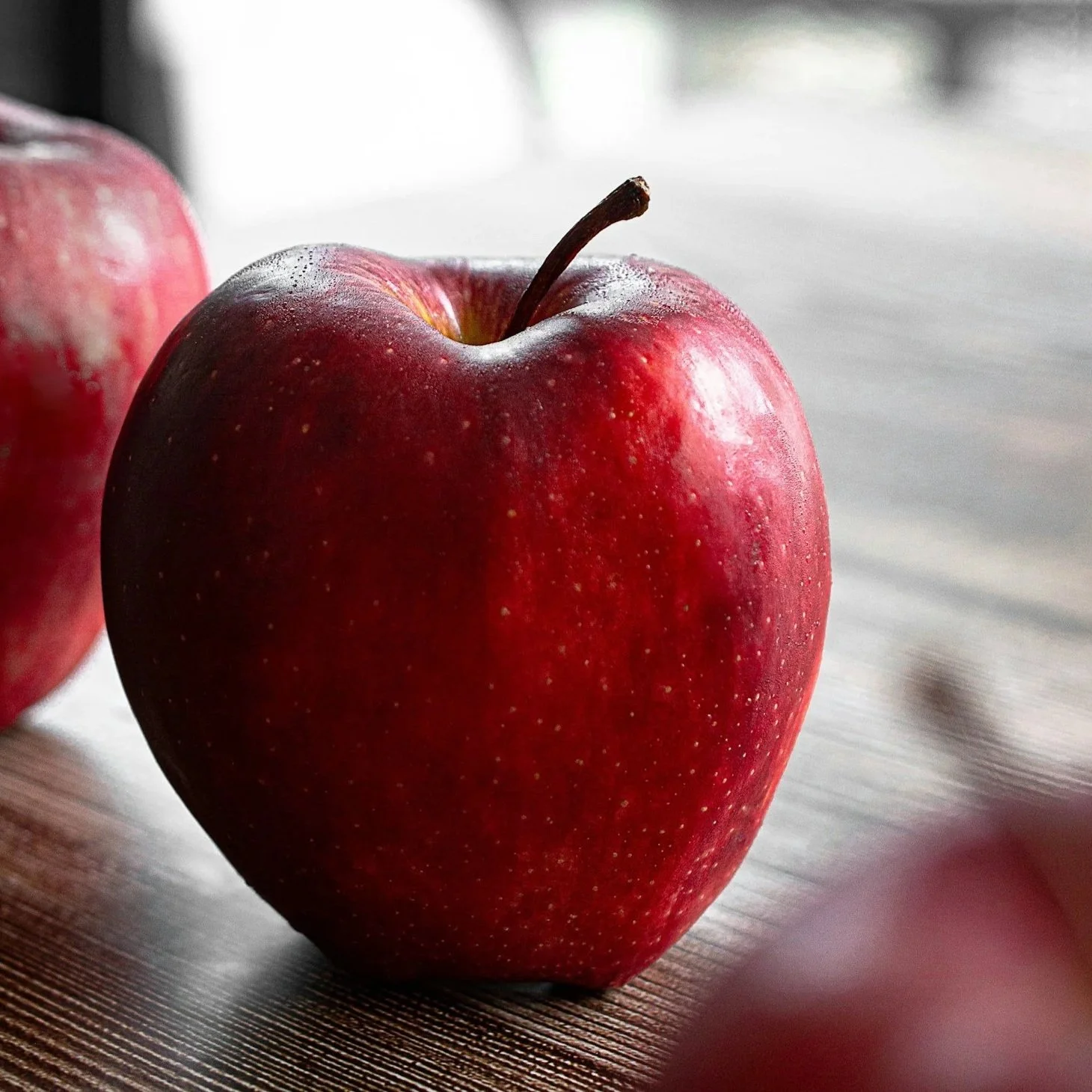
Pet parents are often looking for the next fancy supplement, powder, or superfood, and meanwhile… there’s an apple sitting on the counter doing some good work. A bite of apple a day may not literally keep the vet away, but it can be a simple way to add fiber, moisture, antioxidants, and variety to your dog’s bowl.
Apples are not meant to replace a balanced diet, but they can make a great fresh food topper, training treat, crunchy snack, or ingredient in homemade dog treats.
Why Apples Can Be Nutritious for Dogs
Apples offer several benefits when they are fed appropriately and in moderation.
They provide:
Soluble fiber, which may help support healthy digestion and stool quality
Moisture, which is always a win in a dog’s bowl, especially for dogs eating dry food
Polyphenols and antioxidants, which help support cellular health
Quercetin, a flavonoid found mostly in the skin of apples, often use for allergies.
Natural crunch, which can make them more satisfying than soft treats
Low-calorie volume, which may be helpful for dogs who need lighter snack options
This is not about turning apples into a miracle food. We do not need to make every food wear a cape. But apples are a simple, accessible way to add more real food into your dog’s routine.
Quercetin: The Apple Skin Superstar
One of the reasons apples are worth talking about is quercetin.
Quercetin is a plant compound found in apple skin, and it has been studied for its antioxidant and anti-inflammatory activity. A recent peer-reviewed review in Frontiers in Veterinary Science highlighted flavonoids like quercetin as promising natural compounds for supporting gut health, inflammation balance, oxidative stress, and long-term wellness in dogs.
That matters because chronic inflammation, oxidative stress, gut imbalance, and poor metabolic health are all connected to how well our dogs age.
This does not mean apples treat disease. It means that fresh foods rich in beneficial plant compounds can be part of a bigger wellness picture.
And yes — leave the skin on when possible. That is where much of the quercetin lives.
Apples and Gut Health
Apples contain soluble fiber, including pectin, which can help feed beneficial gut bacteria. That is one reason apples can be a gentle food topper for many dogs.
A healthy gut is not just about poop, although let’s be honest, dog people talk about poop more than most humans talk about the weather.
The gut is connected to:
Digestion
Immune health
Skin health
Inflammation balance
Nutrient absorption
Metabolism
Even mood and behavior
Adding small amounts of fresh, fiber-rich foods like apples can help bring more diversity into the bowl, especially for dogs eating the same processed food every day.
Choose Organic Apples When You Can
When possible, choose organic or spray-free apples for your dog.
Apples are commonly listed among produce items with higher pesticide residue concerns, and because I usually recommend leaving the skin on for the quercetin, choosing organic makes sense when it fits the budget.
There is also interesting research showing that organic apples may have a more diverse microbiome compared to conventionally grown apples. One study found organic apples had a more balanced bacterial community, including beneficial bacteria like Lactobacillus, while conventionally managed apples had different microbial patterns.
Now, does that mean one apple is going to rebuild your dog’s gut microbiome? No. Let’s not get dramatic.
But it does support the bigger point: food quality matters.
If organic is not realistic, wash apples well and do the best you can. We are not here to panic over a fruit snack.
How to Safely Feed Apples to Dogs
Before giving apples to your dog, remove the core and seeds.
Apple seeds contain compounds that can release cyanide when chewed and metabolized. A seed here or there is not usually an emergency, but intentionally feeding apple cores and seeds is not a great plan. The core can also be a choking risk, especially for smaller dogs or dogs who inhale food like they have never seen a meal before.
To serve apples safely:
Wash well
Choose organic or spray-free when possible
Remove the core
Remove the seeds
Leave the skin on if your dog tolerates it
Cut into small pieces
Feed as a topper, treat, or recipe ingredient
If your dog has diabetes, yeast issues, weight challenges, or digestive sensitivity, apples may still be usable, but you will want to be more thoughtful about the amount and frequency.
What About the Sugar in Apples?
Yes, apples contain natural sugar.
No, that does not automatically make them “bad.”
The problem is not usually a few pieces of fresh apple. The bigger issue is when dogs are eating high-starch, ultra-processed foods and then getting sugary snacks on top of that all day long.
Apples come packaged with fiber, water, and polyphenols. That is very different from processed sugar.
Still, moderation matters. Apples are a topper or treat, not a main food group.
Easy Ways to Add Apples to Your Dog’s Bowl
Apples are easy to use, which is part of the appeal.
Try them:
Chopped and added to meals
Grated over food as a fresh topper
Blended into homemade applesauce
Mixed into frozen treats
Baked into homemade dog treats
Added to a lick mat with other dog-safe ingredients
Dehydrated into chewy apple slices
For dogs new to fresh foods, start small and see how they do. Some dogs handle apple beautifully. Others may get a little gassy if you go from zero to apple festival overnight.
Homemade Unsweetened Applesauce for Dogs
Homemade applesauce is one of the easiest ways to use apples for dogs.
Use washed, cored apples with the seeds removed. You can leave the skin on for added fiber and quercetin, then cook the apples with a splash of water until soft. Blend or mash until smooth.
That is it.
No sugar.
No cinnamon-heavy dessert situation.
No artificial sweeteners.
No “apple pie filling” nonsense.
Plain applesauce can be added to food, spread on a lick mat, frozen into molds, or used as a binder in homemade dog treats.
Simple Apple Dog Treat Ideas
Apple Yogurt Freezer Bites
Blend plain unsweetened yogurt or kefir with chopped apple or homemade applesauce. Pour into silicone molds and freeze.
This can be a nice warm-weather treat, especially for dogs who tolerate dairy well. If your dog does not tolerate dairy, use a dog-safe alternative like blended apple with a little water or bone broth.
Apple Pumpkin Bowl Topper
Mix homemade applesauce with plain pumpkin and add a small spoonful to meals.
This can be a nice fiber-rich topper for dogs who need a little digestive support or meal interest.
Apple Crunch Treats
Thinly slice apples, remove the seeds and core, and dehydrate or bake at a low temperature until chewy or crisp.
These make simple single-ingredient treats without the mystery ingredients found in many store-bought snacks.
Apple Oat Dog Biscuits
Combine unsweetened applesauce with oat flour and a dog-safe binder such as egg. Roll, cut, and bake until firm.
Keep these simple. Dogs do not need sugar, frosting, sprinkles, or the bakery drama.
When Apples May Not Be the Best Fit
Apples are safe for most dogs, but they are not ideal for every dog in every situation.
Use extra caution if your dog has:
Diabetes or blood sugar regulation issues
Active yeast overgrowth
A very sensitive gut
A history of pancreatitis and needs a very controlled diet
Food intolerance concerns
A tendency to swallow chunks without chewing
That does not always mean apples are off the table. It just means we need to match the food to the dog in front of us.
Fresh Food Does Not Have to Be Complicated
This is one of the biggest things I want pet parents to understand.
Fresh food does not always mean a complicated recipe, a full diet overhaul, or a cart full of expensive ingredients. Sometimes it starts with adding a few real foods to the bowl consistently.
A little apple.
A few blueberries.
Some cucumber.
A spoonful of pumpkin.
A splash of moisture.
These small changes can help bring life back into the bowl.
And is there any thing cuter than a dog eating something crunchy?
Want Help Building a Better Bowl Of Dog Food?
If you want help figuring out what fresh foods, toppers, supplements, or nutrition changes make sense for your dog, submit an inquiry and let’s see what I can do to help. No obligations, and the inquiry callback is no cost to you.
You can also check out the Community for guides, food support, and deeper wellness topics:
https://community.welloiledk9.com
FDA Disclaimer: Statements in this blog have not been evaluated by the FDA. Educational content only. Not intended to diagnose, treat, cure, or prevent any disease.
Want even more resources, Q&A, and discussions on nutrition? Don’t forget to join me on Facebook:
A bite of apple a day may keep the vet away.
When DIY Isn't Enough Already tried the basics? If this is happening with your dog and you're still stuck, I can help you figure out what deserves attention next. Want reliable education, live Q&A, and member resources? Explore Membership →
Request a Discovery Callback →