

How to Choose a Homeopathic Remedy for Your Dog
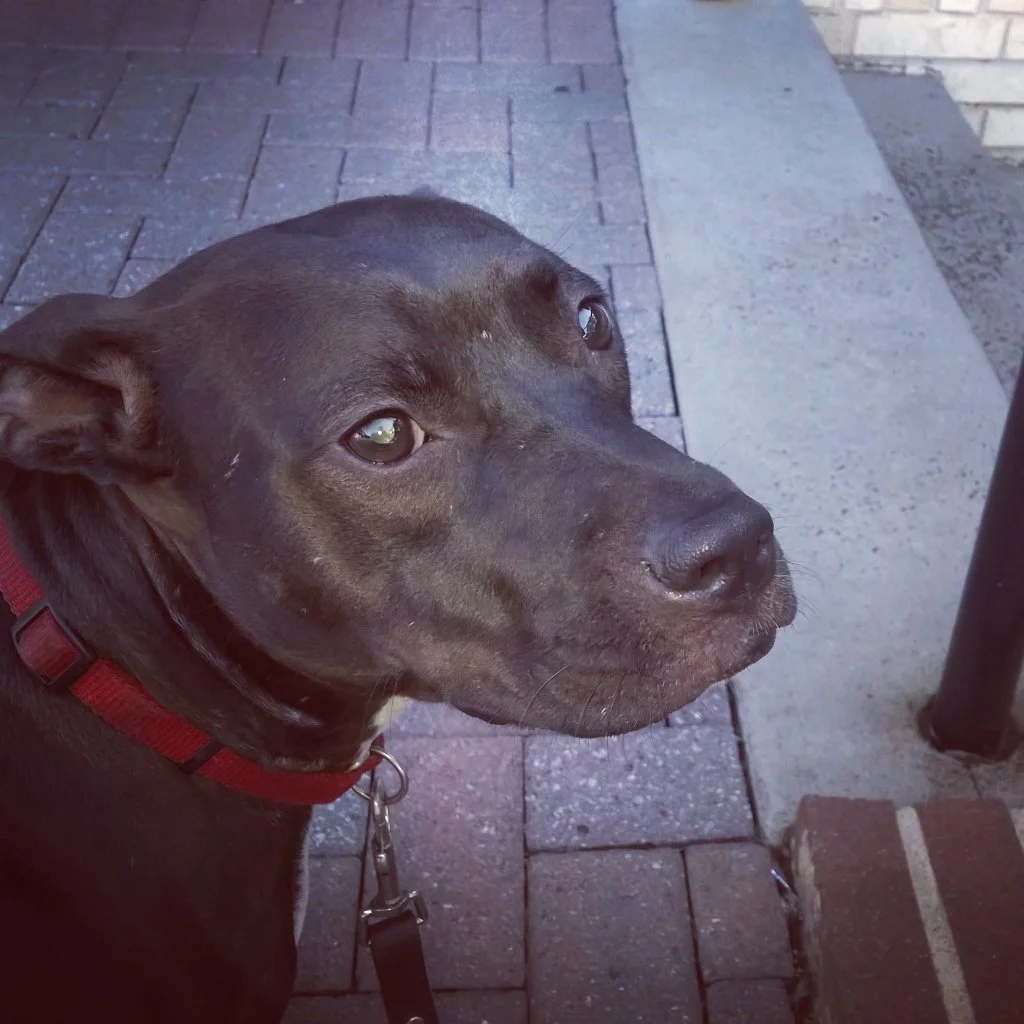
Choosing A Remedy
Remedies are selected based on a complete review of the symptoms and the individual.
Choosing a homeopathic remedy is not supposed to look like this:
Diarrhea equals Remedy A.
Anxiety equals Remedy B.
Limping equals Remedy C.
That may be how quick-reference charts are organized, but it is not how thoughtful homeopathic selection works, especially in chronic cases.
In homeopathy, we do not choose a remedy only because a dog has vomiting, itching, fear, pain, inflammation, or another named symptom. There’s often more than one or two choices — even if some are more common than others.
We choose a remedy because the overall pattern of that remedy resembles the pattern the dog is showing right now.
That includes the physical symptoms, but it may also include:
What happened before the problem began
How suddenly it developed
What makes it better or worse
Time of day
Temperature preferences
Thirst and appetite
Movement and position
Emotional and behavioral changes
The order in which symptoms appeared
What is unusual about this particular dog’s experience
This is called matching the symptom picture.
It is the difference between selecting a remedy and guessing from a list.
Begin With the Dog, Not the Remedy Cabinet
When something happens to our dogs, the natural instinct is to ask:
What can I give for this?
I understand that instinct. We want to help, and we want to help now.
But a better first question is:
What exactly is happening?
Before reaching for a remedy, slow down long enough to observe the dog.
Ask:
What changed?
When did it begin?
Was there a clear trigger?
What is the dog doing that is different from normal?
What improves the symptoms?
What worsens them?
Is the dog stable?
Is this safe to address at home?
Homeopathy depends on details.
“Dog is limping” is a starting point.
“Dog is stiff after resting, struggles with the first few steps, and then moves more freely after walking” is a much more useful pattern.
“Dog has diarrhea” is broad.
“Dog developed foul, urgent diarrhea after eating spoiled food, is restless, chilly, thirsty for frequent small drinks, and cannot settle” gives us considerably more information.
The details help separate one remedy from another.
Diagnosis and Remedy Selection Are Not the Same Thing
A veterinary diagnosis can be extremely important.
It tells us what medical condition may be present, which tests are needed, how urgent the situation is, and whether conventional treatment is necessary.
But a diagnosis does not automatically identify a homeopathic remedy.
Two dogs with the same diagnosis may show very different patterns.
For example, two dogs may both have arthritis.
One dog may be:
Worse when first getting up
Better after gentle movement
Restless when forced to remain still
Worse in cold, damp weather
Seeking warmth
Another may be:
Worse from movement
Better when completely still
Irritable when touched
Reluctant to change position
Thirsty for large amounts of water
The diagnosis may be the same.
The homeopathic remedy picture is not.
This is why a remedy list organized by disease can be helpful for generating possibilities—but it cannot finish the selection process for you.
What Is a Homeopathic Symptom Picture?
A symptom picture is the collection of physical, emotional, behavioral, and circumstantial details that describe how the dog is experiencing the problem.
It may include:
Physical symptoms
Pain
Swelling
Discharge
Vomiting
Diarrhea
Coughing
Itching
Weakness
Trembling
Stiffness
Changes in movement
Changes in appetite or thirst
Modalities
In homeopathy, modalities are the conditions that make a symptom better or worse.
Examples include:
Better from warmth
Worse from heat
Better with movement
Worse after movement
Better from pressure
Worse from touch
Better outside
Worse indoors
Worse at night
Better after eating
Worse after drinking
Better lying on one side
Modalities are often more useful than the general symptom itself.
Emotional and behavioral changes
Fear
Irritability
Clinginess
Withdrawal
Restlessness
Startling
Aggression
Seeking reassurance
Wanting to be left alone
Pacing
Hiding
Unusual vocalization
We are looking for changes from the dog’s normal personality—not simply labeling the dog’s lifelong temperament as a symptom.
The cause or trigger
What happened before the change?
Possibilities may include:
Injury
Fright
Grief
Travel
Boarding
Surgery
Anesthesia
Vaccination
Medication
Overexertion
Eating something unusual
Heat exposure
Cold exposure
A bite or sting
Loss of a companion
A change in the household
In homeopathy, the cause may point strongly toward a remedy.
A dog who became unwell following grief may need a different remedy from a dog showing similar physical symptoms after fright, injury, or dietary indiscretion.
Start With the Timeline
Before comparing remedies, build a simple timeline.
Write down:
What was happening before the symptoms began?
What was the first change you noticed?
What happened next?
Which symptoms are present now?
What have you already given?
Has anything improved, worsened, disappeared, or changed?
This is especially important in chronic cases.
A dog may currently have skin symptoms, digestive trouble, reactivity, and poor sleep. But the sequence may reveal that everything began after a major illness, medication change, vaccination, move, loss, or prolonged period of digestive dysfunction.
The current symptom may not be the beginning of the story.
And when we skip the beginning, we may select a remedy for the loudest symptom rather than the deeper pattern.
Separate Common Symptoms From Distinctive Symptoms
Some symptoms occur in many conditions and appear in many remedy descriptions.
Examples include:
Fatigue
Reduced appetite
Diarrhea
Itching
Anxiety
Pain
Restlessness
These symptoms matter, but they may not narrow the remedy choices very much.
More distinctive symptoms may include:
The dog becomes restless at exactly the same time each night.
The dog is intensely thirsty but takes only tiny sips.
The dog refuses water despite vomiting or fever.
Pain improves from firm pressure.
Stiffness improves after several minutes of movement.
The dog wants to lie on a cold floor despite feeling chilly to the touch.
A normally independent dog becomes unusually clingy.
A social dog hides and resents being approached.
Symptoms began immediately after a sudden fright.
The dog appears worse at 3:00 a.m.
One cheek or ear is hot and red while the other remains normal.
These peculiar details often help distinguish among remedies.
In homeopathy, the odd little detail may matter more than the broad diagnosis.
Your dog is not being dramatic.
Your dog may be giving you the clue.
Look for the Trigger
The event that happened immediately before the problem began is sometimes called the never-well-since event.
Examples might include:
Never well since a vaccination
Never well since surgery
Never well since the loss of another animal
Never well since a frightening incident
Never well since moving homes
Never well since a serious digestive illness
Never well since a particular medication
Never well since an injury
That does not prove the event caused every symptom that followed.
It does mean the timing deserves attention.
A clear trigger may greatly narrow the remedy field.
For example:
Aconitum napellus may come to mind after sudden fright or shock.
Arnica montana may be considered after physical trauma or bruising.
Ignatia amara may be considered in certain grief or emotional-shock patterns.
Nux vomica may be considered after overindulgence, dietary indiscretion, or certain medication-related digestive patterns.
Ledum palustre may be considered in certain puncture-wound or bite patterns.
Thuja occidentalis may be considered within homeopathic practice when particular symptoms appear following vaccination.
The trigger alone does not confirm the remedy.
The rest of the picture still needs to fit.
Pay Attention to Better and Worse
Suppose your dog is stiff and sore.
Ask:
Is the stiffness worse after resting?
Does movement help after the dog gets going?
Does movement make everything worse?
Does warmth help?
Does cold help?
Is the dog better lying on a hard surface?
Does gentle massage help?
Does touch make the dog pull away?
Is the dog worse in damp weather?
Is the dog worse at night?
These distinctions may separate commonly discussed remedies.
Rhus toxicodendron pattern
A dog needing Rhus toxicodendron may appear stiff when first rising but improve with continued gentle movement. The dog may be restless because staying in one position becomes uncomfortable.
Bryonia alba pattern
A dog needing Bryonia may be worse from movement and prefer to remain completely still. The dog may resist being moved or touched.
Both remedies may appear on a list for stiffness or joint pain.
The modality—better or worse from movement—helps distinguish them.
That is remedy selection.
Observe Thirst Carefully
Thirst can be surprisingly useful.
Notice:
Is your dog thirstier than usual?
Drinking less than usual?
Refusing water?
Drinking large amounts at once?
Taking frequent tiny sips?
Seeking warm or cool water?
Drinking and then vomiting?
Standing over the bowl but not drinking?
For example, two remedies may both include vomiting and restlessness, but one picture may involve frequent small drinks while another includes little or no thirst.
Do not deprive your dog of water to test a remedy picture.
Simply observe what the dog naturally chooses.
Repeated vomiting, dehydration, inability to keep water down, or significant changes in drinking can require veterinary care.
Notice Temperature Preferences
Ask:
Does the dog seek warmth?
Lie near a heater?
Crawl under blankets?
Seek cool floors?
Pant despite a comfortable room?
Want to be outdoors in cool air?
Feel cold but refuse warmth?
Become worse from heat?
Become worse in cold or damp weather?
Temperature preference can be especially useful when choosing among remedies for digestive, respiratory, inflammatory, pain, or emotional patterns.
Again, compare the current behavior to what is normal for that dog.
A northern breed lying on cool tile is not necessarily presenting a dramatic homeopathic modality. He may simply be a northern breed who thinks your thermostat is ridiculous.
Observe Position and Movement
How is your dog holding the body?
Look for:
Hunched posture
Prayer position
Stretching
Curling tightly
Refusing to lie down
Constantly changing position
Lying very still
Guarding one side
Seeking pressure against the abdomen
Avoiding pressure
Difficulty getting up
Pacing
Weakness in a particular limb
Head tilt
Arching the back
Position may reveal pain, nausea, breathing difficulty, abdominal distress, neurological changes, or musculoskeletal discomfort.
It may also tell you that this problem is beyond a home-remedy exercise.
A dog with a distended abdomen, repeated unproductive retching, prayer posture, collapse, breathing difficulty, severe weakness, or sudden neurological changes needs immediate veterinary assessment.
Do not continue browsing remedy descriptions while the dog deteriorates.
Consider the Dog’s Emotional State
Homeopathy considers emotional and behavioral changes, but we need to be careful here.
We are not forcing human emotions onto the dog.
We are observing behavior.
Ask:
Is the dog seeking constant reassurance?
Hiding?
Unable to settle?
Startling at normal sounds?
Becoming irritable when approached?
Following you everywhere?
Wanting complete isolation?
Appearing fearful of being touched?
Reacting aggressively when painful?
Pacing or vocalizing?
Seeming emotionally flat or disconnected?
A sudden behavior change can be medically significant.
Pain, neurological disease, endocrine changes, medication effects, sensory decline, infection, cognitive dysfunction, and other health conditions may all affect behavior.
Do not assume a sudden aggressive or fearful response is purely emotional—or that the dog simply needs a behavior remedy.
The body and behavior are always having a conversation.
Sometimes the behavior is the first symptom the pet parent notices.
Use a Repertory Without Becoming Its Servant
A homeopathic repertory organizes symptoms into categories called rubrics.
You may search for rubrics related to:
Mind and behavior
Head
Eyes
Ears
Digestion
Urinary symptoms
Skin
Limbs
Sleep
Temperature
Modalities
Causes
A repertory can help identify remedies associated with the selected symptom pattern.
But repertorization is not the final step.
After generating possible remedies, compare them in a materia medica, which provides fuller remedy pictures.
The repertory gives you candidates.
The materia medica helps you determine whether one of those candidates actually resembles the dog.
Do not select the remedy solely because it appears first in an app.
Software can count rubrics.
It cannot observe your dog, judge urgency, recognize that you selected poor-quality symptoms, or tell you that the case has changed since yesterday.
Do Not Use Every Symptom You Can Find
More symptoms do not always create a better remedy match.
A common beginner mistake is entering every possible observation into a repertory:
Dog
Tired
Ate breakfast
Scratched Tuesday
Barked at delivery driver
Wants treats
Slept on left side once
Looked annoyed during nail trim
Now the repertory produces a beautifully complicated answer based on a collection of mostly useless information.
Prioritize:
Clear changes from normal
Strong modalities
Distinctive symptoms
A reliable trigger
Unusual behavior
Consistent patterns
Symptoms you actually observed
Do not manufacture details because a remedy description sounds promising.
Choose the remedy that matches the dog.
Do not edit the dog until the dog matches the remedy.
Avoid Selecting a Remedy From One Keyword
Online remedy lists often reduce remedies to a single word:
Arnica for injury
Aconite for fear
Nux vomica for nausea
Apis for swelling
Cantharis for urinary problems
Rhus tox for stiffness
Those associations can help you remember where to begin.
But each remedy has a much larger picture.
“Fear” is not enough
Aconite may be considered for sudden, intense fear following shock or fright.
But a dog with long-standing separation distress, storm sensitivity, senior cognitive changes, pain-related fear, or a post-vaccination behavioral shift may show an entirely different pattern.
“Diarrhea” is not enough
Diarrhea may be:
Sudden or chronic
Foul or nearly odorless
Watery, mucousy, bloody, greasy, yellow, or dark
Worse after food
Worse after drinking
Accompanied by straining
Accompanied by weakness
Associated with restlessness
Associated with sleepiness
Better after passing stool
Followed by urgent dehydration
Those details matter medically and homeopathically.
A keyword gets you to the shelf.
The pattern helps you choose the tube.
Acute Remedy Selection: A Practical Process
For a stable, uncomplicated acute situation, use this process.
Step 1: Identify the likely trigger
Was there:
An injury?
A fright?
A dietary indiscretion?
Overexertion?
A bite or sting?
Travel?
Grief?
Heat or cold exposure?
Step 2: Describe the main symptom
Be specific.
Not simply “pain,” but:
Bruised soreness
Burning pain
Stinging pain
Cramping
Throbbing
Stiffness
Pain worse from movement
Pain better from pressure
Step 3: Identify two or three strong modalities
What makes it better or worse?
Step 4: Note the dog’s overall state
Is the dog:
Bright or dull?
Restless or still?
Thirsty or not?
Clingy or withdrawn?
Hot or chilly?
Improving or worsening?
Step 5: Compare two or three possible remedies
Read the fuller remedy pictures.
Do not compare 40 remedies unless the case truly requires it.
Step 6: Choose the closest overall match
The remedy does not need to match every sentence in the materia medica.
Look for the strongest, most characteristic pattern.
Step 7: Give one remedy and observe
Record:
Remedy
Potency
Time
Symptoms before dosing
Changes afterward
Step 8: Stop when improvement begins
Do not keep dosing because you are thrilled that something changed.
Chronic Remedy Selection Requires a Wider View
Chronic cases are not simply acute cases that lasted longer.
They may involve:
Genetic tendencies
Early-life history
Nutrition
Vaccination history
Medication history
Emotional events
Repeated suppression of symptoms
Several organ systems
Changing symptom patterns
Previous remedy responses
Environmental exposures
Behavioral changes
Periods of apparent improvement followed by relapse
For chronic cases, I want to understand:
When the dog was last genuinely well
Which symptoms appeared first
The order in which symptoms developed
What has been suppressed or repeatedly treated
Which modalities remain consistent
How the dog’s personality and behavior changed
What the veterinary findings show
Which medications and supplements are currently being used
What the dog eats
Which modality makes the most sense now
Sometimes the answer is homeopathy.
Sometimes nutrition, digestive support, pain management, herbs, essential oils, bodywork, behavior support, testing, or conventional treatment needs to come first.
Knowing remedies is useful.
Knowing when not to use one is more useful.
One Remedy at a Time
When you have narrowed the picture, choose the closest remedy and give it a fair opportunity to show you something.
Giving several remedies at once creates confusion.
You may not know:
Which remedy helped
Which remedy changed the symptoms
Which remedy should be repeated
Whether the dog improved on their own
Whether a new symptom belongs to the illness or the remedy mixture
Combination remedies may have a place, but they are not the same as individualized remedy selection.
Read Why I Recommend One Homeopathic Remedy at a Time.
How Do You Know the Remedy Is Helping?
Look beyond the single symptom.
Early improvement may include:
The dog relaxes
Sleep becomes deeper
Restlessness decreases
The dog appears brighter
Interest in food or water returns appropriately
Movement becomes easier
The dog resumes normal social behavior
The intensity or frequency of symptoms decreases
Recovery continues without repeated dosing
Sometimes general well-being improves before the local symptom completely resolves.
That may be meaningful.
But do not ignore objective worsening because the dog slept for an hour.
Continue to monitor:
Breathing
Gum color
Hydration
Urination
Stool
Vomiting
Pain
Temperature when relevant
Neurological function
Overall responsiveness
Observation should be both holistic and practical.
What If Nothing Happens?
No response may mean:
The remedy was not a close match.
The potency was not appropriate.
The dose needs more time.
The remedy needs repeating.
The condition is progressing.
The dog needs a different modality.
Veterinary diagnosis or treatment is needed.
The symptom was resolving independently.
Do not immediately give five more remedies.
Reassess the pattern.
Has anything changed?
Were the original observations accurate?
Is the dog stable?
Is there now a clearer remedy picture?
Sometimes doing nothing for a little while gives you better information than immediately doing something else.
What If the Dog Gets Worse?
Stop repeating the remedy and assess the dog.
Do not automatically describe every worsening as a healing aggravation.
Ask:
Is the worsening mild or significant?
Is it brief or continuing?
Are these the same symptoms or new ones?
Is the dog’s overall vitality improving or declining?
Is the dog safe?
Does the dog need veterinary care?
Seek prompt veterinary help for symptoms such as:
Difficulty breathing
Collapse
Pale, blue, gray, or dark-red gums
Severe pain
Repeated vomiting
Inability to keep water down
A swollen or painful abdomen
Repeated attempts to urinate without producing urine
Uncontrolled bleeding
Suspected poisoning
Heatstroke
Major trauma
Sudden paralysis or loss of balance
Prolonged or repeated seizures
Rapid deterioration
Homeopathy should never become the reason necessary care is delayed.
Sometimes the pattern is very clear:
Get the dog in the car.
A Simple Remedy-Selection Worksheet
Before choosing a remedy, write down:
What happened?
What was the trigger or event before the symptoms began?
What is the main concern?
Describe it precisely.
When did it begin?
Include the date, time, and whether the onset was sudden or gradual.
What makes it worse?
Consider movement, rest, touch, pressure, heat, cold, food, water, time of day, position, noise, light, and company.
What makes it better?
Look at the same categories.
What else changed?
Consider:
Mood
Behavior
Sleep
Appetite
Thirst
Urination
Stool
Temperature preference
Energy
Posture
Social behavior
What is unusual?
Which detail makes this case different from every other dog with the same general complaint?
What has already been given?
Include:
Medications
Supplements
Herbs
Essential oils
Homeopathic remedies
Food changes
Topical products
Is this appropriate for home care?
Be honest.
Example: Three Dogs With Sudden Fear
All three dogs are fearful, but their patterns differ.
Dog One
The fear began immediately after a loud crash. The dog is trembling, wide-eyed, restless, and cannot settle.
A remedy picture such as Aconitum napellus may come to mind because the fear is sudden, intense, and linked to a clear fright.
Dog Two
The dog becomes fearful before every storm, paces, pants, follows the pet parent, and seeks close physical reassurance.
That is not automatically an Aconite picture simply because fear is present. The anticipatory pattern, weather sensitivity, and need for reassurance may point elsewhere.
Dog Three
The dog became withdrawn after a companion animal died. Appetite decreased, the dog sighs, sleeps in the other dog’s bed, and alternates between seeking comfort and pulling away.
This grief pattern may bring remedies such as Ignatia into consideration.
Three fearful dogs.
Three different stories.
That is why the remedy name cannot come before the case.
Example: Three Dogs With Digestive Upset
Dog One
The dog ate rich food, now strains unsuccessfully to pass stool, appears irritable, and seems nauseated.
Nux vomica may be considered if the broader picture matches.
Dog Two
The dog has vomiting and diarrhea, appears chilly and restless, seeks warmth, and drinks frequent tiny amounts.
Arsenicum album may come to mind.
Dog Three
The dog has sudden, forceful diarrhea but remains fairly bright and wants to move around.
A different remedy picture may fit more closely.
“Digestive upset” is not a remedy.
It is a category that tells us where to begin asking questions.
Do Not Forget the Rest of the Dog
A remedy cannot compensate for:
Dehydration
Poor nutrition
An obstruction
Uncontrolled pain
A urinary blockage
Bloat
Toxic exposure
Severe infection
Progressive neurological disease
A medication reaction
A condition requiring surgery
Nor should every chronic problem be approached as though the dog only needs the perfect pellet.
Your dog may also need:
Diagnostic testing
Veterinary treatment
Fresh-food nutrition
Digestive support
Herbs
Essential oils
PEMF
Massage or bodywork
Nervous-system regulation
Environmental change
Behavior support
Rest
Rehabilitation
A thoughtful combination of modalities
Homeopathy can be a beautiful part of that plan.
It does not need to pretend it is the entire plan.
Learn to Recognize Remedy Patterns
Memorizing that Arnica is associated with trauma or that Aconite is associated with fright is easy.
Learning to recognize the dog who matches the remedy takes practice.
My Holistic Canine Remedies Class brings together homeopathy, herbs, essential oils, and introductory muscle testing so you can make more thoughtful decisions about the support your dog may need.
Inside the class, you will learn:
How to identify the most useful symptoms
How to distinguish common symptoms from characteristic ones
How triggers and modalities guide remedy selection
How to compare remedies with similar uses
How potency, dosing, and repetition differ
How to prepare dry and water doses
How to build a practical remedy kit
How to choose among homeopathy, herbs, essential oils, and other modalities
When home support is reasonable
When veterinary evaluation comes first
Explore the Holistic Canine Remedies Class
You do not need to memorize hundreds of remedies.
You need to slow down, observe the dog, identify what is distinctive, and choose the closest pattern rather than the most convenient keyword.
The better the observation, the better the remedy choice.
And sometimes the best choice is recognizing that your dog needs something other than homeopathy.
SEO Information
SEO title: How to Choose a Homeopathic Remedy for Your Dog
Meta description: Learn how to choose a homeopathic remedy for your dog by identifying triggers, modalities, behavior changes, and the complete symptom pattern.
Keywords: how to choose a homeopathic remedy for dogs | homeopathic remedy selection | homeopathy symptom picture | homeopathic remedies for dogs | modalities in homeopathy | homeopathy repertory for dogs | natural remedies for dogs | acute homeopathy for dogs | holistic dog care
When DIY Isn't Enough Already tried the basics? If this is happening with your dog and you're still stuck, I can help you figure out what deserves attention next.
Request a Discovery Callback →