Bloat Gastric Torsion In Dogs
This Is Not a Wait-and-See Situation
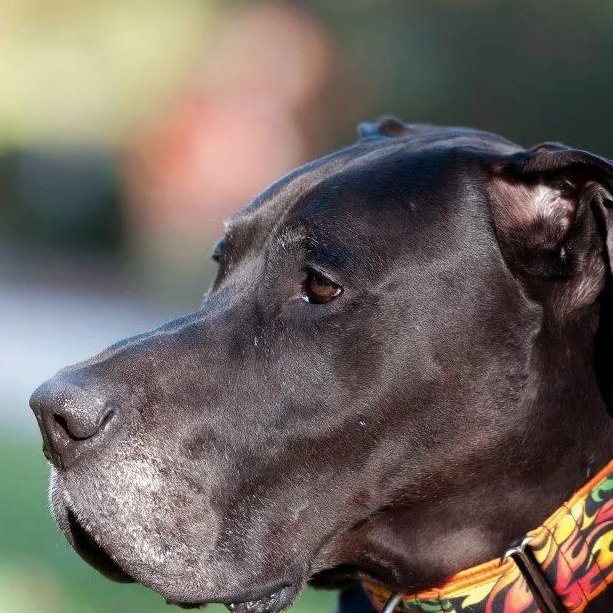
If you have a Great Dane, German Shepherd, Standard Poodle, Weimaraner, Doberman, Irish Wolfhound, Saint Bernard, Akita, Bloodhound, Collie, Newfoundland, Rottweiler, Irish Setter, Boxer, Basset Hound, or another large, deep-chested dog, this is one of those topics you need burned into your brain.
But let me be clear.
Bloat can happen in any dog.
Yes, we see it more commonly in large and giant breeds. Yes, deep-chested dogs are higher risk. But smaller dogs are not magically immune, and “my dog isn’t a Dane” is not a safety plan.
Gastric torsion, also called gastric dilatation-volvulus or GDV, is one of the most terrifying emergencies in dogs because it can move fast. Really fast.
This is not a “watch it overnight” situation. It’s not a watch for 5 minutes situation.
This is grab your keys, get in the car, shove Gas-X strips in the mouth as you go, call the emergency vet en route, and go.
I would rather get to the vet and have it not be bloat than the alternative.
What Is Gastric Torsion?
Gastric torsion starts when the stomach fills with gas, fluid, food, or a combination of all three. That alone can cause serious pressure and pain.
The deadly part happens when the stomach twists.
When the stomach rotates, gas and fluid become trapped. The dog usually cannot burp it out. They usually cannot vomit it out. The stomach continues to expand, and that pressure starts affecting blood flow, breathing, the spleen, major blood vessels, and the heart.
This is why GDV can become fatal so quickly.
The body can go into shock. Tissue can begin to die. The heart can become unstable. Organs can lose circulation. By the time a dog collapses, you are already in very dangerous territory.
This is why I do not play around with suspected bloat.
Breeds Most Commonly Affected
The breeds we worry about most are usually large, giant, and deep-chested dogs, including:
Great Danes
German Shepherds
Standard Poodles
Weimaraners
Doberman Pinschers
Irish Wolfhounds
Saint Bernards
Bloodhounds
Akitas
Irish Setters
Collies
Newfoundlands
Rottweilers
Boxers
Basset Hounds
Gordon Setters
Large mixed breeds with a deep chest
Again, this does not mean other dogs cannot bloat.
It means these dogs deserve extra awareness, better prevention habits, and a pet parent who does not hesitate when something feels wrong.
What Does Bloat Look Like?
This is where people get into trouble, because bloat does not always look exactly the same.
Some dogs have an obviously swollen belly, that often feels hard. Some do not. Some pace and drool. Some hide. Some act painful. Some look anxious or restless. Some keep trying to vomit and nothing comes up.
I had two Danes in my care during fostering and training, and neither presented the same way.
My Dane went and hid in the shrubs.
Another Dane? I was literally watching her belly swell.
Same emergency. Different presentation.
That matters because if you are waiting for the “classic” textbook version, you may miss your dog’s actual version.
Symptoms That Should Make You Move
Possible signs of bloat or torsion may include:
Restlessness or pacing
Trying to vomit but little or nothing comes up
Retching, gagging, or repeated swallowing
Excessive drooling
A tight, swollen, or hard abdomen
Hunched posture or repeated stretching
Panting or difficulty getting comfortable
Sudden anxiety or odd behavior
Hiding or withdrawing
Weakness
Pale gums
Rapid heart rate
Collapse
Do not wait for all of these symptoms.
You may only see one or two. You may simply know something is off.
Trust that.
Gassy Bloating Is Not Always Torsion — But Do Not Ignore It
A dog can be gassy, bloated, burpy, or uncomfortable without being in full gastric torsion.
But frequent gas is not normal just because it is common.
If your dog is gassy all the time, something is off. That is your dog’s digestive system waving a little flag and saying, “Hey, this food, this gut, this routine, this stress, this microbiome… something needs attention.”
Chronic gas can come from:
Poor food tolerance
High-starch or highly processed diets
Eating too fast
Gut imbalance
Low digestive enzyme output
Food sensitivities
Inflammatory bowel issues
Stress
Sudden diet changes
Fermentable ingredients that do not agree with that dog
And in high-risk breeds, gas is not something I shrug off.
If your deep-chested dog is frequently gassy, bloated, burping, uncomfortable after meals, or stretching oddly after eating, it is time to look at the food and the gut.
Change the food. Support the digestion. Stop pretending it is cute because the dog can clear a room.
Gas may not be torsion today. But chronic gas in a high-risk dog deserves your attention before you are in an emergency situation.
Keep Gas-X on Hand
If you have a high-risk breed, especially a large or deep-chested dog, keep Gas-X in the house, in your dog travel bag, and know where it is.
Gas-X is simethicone. It helps break up gas bubbles.
It is not a cure for torsion. It will not untwist a stomach. It will not replace the emergency vet.
But if I suspect bloat, I am getting the dog in the car, using Gas-X on the way, and calling the emergency vet while I’m moving.
Move first. Call on the way. Do not sit around trying to decide if you are overreacting.
For high-risk dogs, many pet parents prefer Gas-X strips because they dissolve quickly and are easy to get into the mouth when everyone is stressed and your dog is not exactly cooperating. Tablets or softgels may be harder to manage in an emergency.
And let’s be blunt: if your dog is already trying to vomit, drooling, pacing, swelling, hiding, looking painful, or acting “wrong,” you are not casually treating gas at home.
You are buying time while you get to the vet.
With suspected bloat, you do not wait to see if dinner settles. You do not post in a Facebook group and ask strangers what they think. You do not try five home remedies and hope for the best.
You go. Now.
I would rather shove Gas-X strips in their mouth, fly to the emergency vet, and be told it was “just gas” than wait too long and lose the dog.
This is not dramatic. This is smart.
Kibble, Fresh Food, and Bloat Risk
Food is not the only factor in bloat, but it matters.
We know that feeding large meals, feeding once daily, eating quickly, and some dry-food patterns may increase risk in large and giant breed dogs. Dry foods that list fat or oils high in the ingredient panel have also been associated with increased GDV risk in some research.
This is one of the reasons I pay close attention to food quality, meal size, digestion, and how the dog feels after eating.
Fresh-fed and raw-fed dogs often seem to have fewer gas and digestive-distention issues in real life, and many fresh-feeding pet parents report less bloating, less burping, better stools, and more comfortable digestion.
Raw and fresh foods are typically higher in moisture and less ultra-processed than kibble, which may support better overall digestion. They also tend to sit differently in the stomach than dry, expanded, high-starch kibble.
That said, I want to be careful here.
Fresh food is not a magic force field against GDV.
A raw-fed Great Dane can still bloat.
A fresh-fed German Shepherd can still torsion.
But it’s much less likely.
But when we are looking at gut comfort, gas production, meal volume, moisture, food tolerance, inflammation, and overall digestive resilience, I would much rather build the dog on a fresh, species-appropriate foundation than rely on a highly processed, dry, high-starch food and hope the gut handles it.
Practical Prevention Habits
Nothing guarantees prevention, but these habits may help reduce risk, especially in high-risk breeds:
Feed smaller meals instead of one large daily meal
Avoid large volumes of food at one time
Slow down fast eaters
Avoid exercise right before and after meals
Keep stress low around feeding
Transition foods thoughtfully
Address chronic gas, burping, or digestive discomfort early
Keep your dog lean and well-conditioned
Know your emergency vet route before you need it
Keep Gas-X where you can actually find it
Consider preventive gastropexy for very high-risk breeds
There’s a big debate on raised bowls vs lower to the ground
What would nature do? But then again, nature doesn’t feed kibble.
A Note About Gastropexy
For high-risk breeds, especially Great Danes and other large, deep-chested dogs, some veterinarians may recommend a preventive surgery called gastropexy.
Gastropexy attaches the stomach to the abdominal wall so it is less likely to twist. It does not prevent the stomach from filling with gas, but it can help prevent the deadly rotation.
This is something to discuss with your vet, especially if you have a high-risk breed, a close family history of GDV, or a dog already undergoing another abdominal surgery such as a spay or neuter.
Natural Support for the Digestive System
Natural support is about reducing the day-to-day digestive stress that can contribute to gas, discomfort, and poor gut resilience.
This may include:
Fresh food nutrition:
Balanced raw or gently cooked meals
Moisture-rich foods
Better tolerated proteins
Lower-starch meal plans when appropriate
Digestive support:
Digestive enzymes when needed
Gut lining support
Probiotics or microbiome support
Gentle herbal digestive support when appropriate
Lifestyle support:
Slower meals
Calm feeding routines
Meal spacing
Stress reduction
Appropriate movement, not chaos after meals
Food evaluation:
Looking at the current diet
Identifying food intolerance patterns
Removing ingredients that repeatedly create gas or loose stool
Rotating carefully once the gut is stable
This is where personalized help matters. The goal is not to throw random supplements at a gassy dog. The goal is to figure out why the gas is happening and support the body intelligently.
Want help looking at your dog’s food, digestion, and risk factors? Submit an inquiry here:
https://welloiledk9.com/questionnaire
No obligation. The inquiry callback is no cost to you, and we can talk through what makes sense for your dog.
For more nutrition support, guides, and ongoing Q&A, join the community here:
https://community.welloiledk9.com
FDA Disclaimer
Statements in this blog have not been evaluated by the FDA. Educational content only. Not intended to diagnose, treat, cure, or prevent any disease.
Want even more resources, Q&A, and discussions on nutrition? Don’t forget to join me on Facebook:
When DIY Isn't Enough Already tried the basics? If this is happening with your dog and you're still stuck, I can help you figure out what deserves attention next.
Request a Discovery Callback →