
Senior Dog Care North Myrtle Beach
Helping Senior Dogs Stay Strong, Comfortable and Engaged
Senior dogs have a very special place in my work. I don't believe getting older means we simply accept every change as "just old age." Changes in appetite, muscle, mobility, sleep, digestion, behavior and cognition give us information, and sometimes there is quite a bit we can do to support the dog in front of us.
I work with senior dog parents in North Myrtle Beach, Myrtle Beach, Little River, Longs and throughout the Grand Strand, as well as virtually with families across the United States.
My goal is not simply to help dogs live longer. I want those additional years to contain as many comfortable, interested, mobile and genuinely good days as possible.
Age Is Not a Diagnosis
Slowing down can happen with age. But suddenly becoming weak, painful, confused, anxious, unwilling to eat or unable to get comfortable deserves a closer look.
Senior dogs can develop several changes at the same time. Arthritis may affect movement. Muscle loss can make stairs harder. Dental discomfort may change how a dog eats. Kidney or liver changes can alter appetite. Pain can look like anxiety. Cognitive changes can affect sleep. Digestive problems can change the foods a dog tolerates.
That is why senior support works best when we look at the whole dog rather than treating every symptom as an unrelated problem.
If your senior dog has changed, I want to know why before we simply decide that old age is the answer.
For the broader picture of healthy aging, start with my Senior Dog Health & Longevity Guide .
What Senior Dog Support Can Include
Nutrition & Muscle Preservation
Older dogs still need excellent nutrition. Protein quality, calories, moisture, digestion, appetite and maintaining lean muscle may become more important—not less—through the senior years.
Explore nutrition and health support for senior dogs →Mobility & Comfort
Arthritis, IVDD, weakness, reduced range of motion and loss of rear-leg strength can change a dog's entire day. Nutrition, body condition, appropriate movement, home setup and supportive modalities can all matter.
Explore joint, spine and mobility support →Cognitive Wellness
Pacing, nighttime waking, staring, getting stuck, house-training accidents, new anxiety and confusion may be signs of cognitive change—but other medical problems can mimic dementia too.
Learn about Canine Cognitive Dysfunction →Digestion & Appetite
Seniors may become picky, nauseated, constipated or suddenly intolerant of foods they have eaten for years. I want to understand what changed instead of simply cycling through increasingly tempting toppers.
Kidney, Liver & Chronic Health Changes
A new diagnosis can change the nutrition conversation, but the diagnosis is only part of the picture. Weight, muscle, appetite, medications, lab trends, hydration and other health conditions can all affect the plan.
Quality of Life
Good senior care includes paying attention to sleep, engagement, comfort, movement, appetite, connection and whether your dog can still enjoy the things that make life feel like their life.
Changes I Wouldn't Automatically Blame on Old Age
Some gradual changes are expected as dogs grow older. Others deserve a closer look, particularly when they appear suddenly or begin progressing.
- Loss of muscle, especially through the rear legs or along the spine
- Difficulty getting up, lying down, climbing stairs or getting into the car
- New reluctance to walk or shortened walks
- Pacing, nighttime waking or changes in the sleep-wake cycle
- Staring, appearing lost or getting stuck behind furniture
- New anxiety, clinginess, irritability or unusual behavior
- Changes in appetite or suddenly becoming very picky
- Unexplained weight loss or weight gain
- Vomiting, diarrhea, constipation, reflux or digestive changes
- Drinking or urinating significantly more than usual
- House-training accidents in a previously reliable dog
- Reduced interest in family, toys, food or familiar routines
Veterinary evaluation is important when something changes. Once we know what may be medically happening, nutrition and supportive wellness strategies can be much more targeted.
Your Senior Dog's Food May Need to Change Too
There is no single "senior dog diet" that is right for every older dog.
A healthy senior who needs to preserve muscle may need something very different from a dog with pancreatitis, kidney disease, cancer, digestive problems, food sensitivities, obesity or poor appetite.
I work with dogs eating raw, gently cooked, homemade, commercial fresh food and kibble. You do not have to feed one particular way to work with me.
We start with what your dog is eating now, what is happening medically and physically, and what we are actually trying to improve.
Sometimes "feed a senior food" is far too generic.
Older dogs may need us to think about protein quality, calories, muscle maintenance, moisture, digestion, phosphorus, fat tolerance, fiber, appetite and nutrient density. Which of those matters most depends on the individual dog.
Read my deeper guide: Nutrition & Health Support for Senior Dogs .
When Your Senior Dog Needs a More Customized Food Plan
This becomes especially important when more than one health concern is involved.
Maybe your dog needs to maintain muscle but also has kidney changes. Maybe you are trying to manage pancreatitis in a dog who is already underweight. Maybe a senior with cancer has lost interest in food. Maybe digestive problems, allergies and medications are all affecting what your dog will tolerate.
This is where generic feeding lists start falling apart.
The goal is not to follow every disease-diet rule you find online. The goal is to decide what matters most for this dog, right now.
When needed, I can help pet parents look at the current diet and think through how protein, fat, moisture, ingredients, calories, meal structure and supplements fit the individual dog's health picture.
Senior Mobility Is About More Than a Joint Supplement
Mobility is one of the biggest quality-of-life issues I see in older dogs. Arthritis and spinal changes matter, but so do muscle loss, weight, traction, nails, flooring, inflammation, appropriate exercise and whether the dog is compensating somewhere else in the body.
Depending on the dog, supportive options may include nutrition, targeted supplements, massage, red light, cold laser, appropriate strengthening and PEMF.
PEMF is one of the tools I personally value for senior-dog support, but it is part of the mobility picture—not the entire mobility plan.
For a deeper discussion of arthritis, IVDD, hip problems, weakness, supportive modalities and mobility strategies, visit:
Dog Joint, Spine & Mobility Problems: Arthritis, IVDD, Hip Dysplasia & More
Is It Aging—or Canine Cognitive Dysfunction?
One of the hardest changes for families is when an older dog suddenly seems different emotionally or mentally.
You may notice pacing at night, staring into space, standing at the wrong side of a door, getting trapped behind furniture, forgetting familiar routines, house-training changes or new anxiety.
These changes can occur with Canine Cognitive Dysfunction, sometimes called dog dementia. But pain, vision loss, hearing changes, urinary problems, metabolic disease and other medical concerns can sometimes look very similar.
That is why I want new cognitive or behavioral changes medically evaluated rather than automatically labeling them dementia.
Learn more about Canine Cognitive Dysfunction and ways to support the aging brain.
How I Approach Senior Dog Wellness
I am a Holistic Pet Health Coach and Certified Canine Nutritionist, and senior longevity is one of the areas I care most deeply about.
I am not replacing your veterinarian. I help you look at the everyday pieces that can get lost between appointments and understand how nutrition, mobility, digestion, lifestyle and supportive therapies may fit together.
Look at What Changed
Appetite, weight, stool, sleep, mobility, cognition, behavior, medications, supplements and recent diagnoses all help tell the story.
Review the Food
I want to know what is actually going into the dog—not only the name of the main food. Treats, toppers, chews, oils and supplements count too.
Prioritize
Senior dogs often have more than one concern. We decide what needs attention first rather than trying to change ten things at once.
Support the Whole Dog
Nutrition may be central, but mobility, pain, sleep, digestion, stress, environmental setup and quality of life matter too.
Adjust as the Dog Changes
A plan for a 10-year-old dog may not be the right plan at 13. Senior care needs to evolve with the dog.
Where Should You Start?
If you are researching a specific senior-dog concern, these are the best places to go next.
Senior Dog Support in North Myrtle Beach & the Grand Strand
I am based in the North Myrtle Beach area and work with pet parents throughout North Myrtle Beach, Myrtle Beach, Little River, Longs and surrounding Grand Strand communities.
Depending on what your dog needs, support may include nutrition review, individualized food changes, senior wellness planning, mobility discussions, supplement review and helping you organize the many pieces of a complicated senior-dog health picture.
Many consultations can also be done virtually, so senior dog parents outside the Myrtle Beach area can work with me nationwide.
Frequently Asked Questions
Do you replace my veterinarian?
No. My work is educational and supportive and is intended to complement appropriate veterinary care. Diagnosis, prescriptions, emergency treatment, surgery and medical management belong with your veterinarian.
Do you work with senior dogs in North Myrtle Beach?
Absolutely. Senior wellness and longevity are major focuses of my work. I help pet parents throughout North Myrtle Beach and the surrounding Grand Strand think through nutrition, mobility, cognitive wellness, muscle maintenance, digestive changes and whole-dog senior support.
Can you help with my senior dog's diet?
Yes. Senior nutrition should be based on the individual dog rather than simply buying a food labeled "senior." Protein, calories, moisture, muscle condition, appetite, digestion and diagnosed health conditions may all affect what makes sense.
Learn more about nutrition and health support for senior dogs.
Can you customize my senior dog's food around a health condition?
Yes. Kidney concerns, pancreatitis, cancer, GI problems, food sensitivities, weight changes and other health issues can all influence what belongs in the bowl. I can help you evaluate the current diet and determine where individualized changes may make sense.
Do you only work with raw-fed senior dogs?
No. I work with dogs eating raw, gently cooked, homemade, commercial fresh food and kibble. We start with where you and your dog are today and decide which improvements make sense.
Do you help with senior dog mobility?
Yes. Mobility support can include nutrition, muscle preservation, weight and body condition, appropriate movement, home environment and supportive options such as PEMF, massage, red light and other modalities when appropriate.
Do you help with dog dementia or cognitive changes?
Yes. Pacing, nighttime waking, confusion, staring, house-training changes and new anxiety deserve attention. Veterinary evaluation is important because other health conditions can mimic cognitive decline, and there are nutritional, environmental and supportive strategies that may also be worth exploring.
Do you work with senior dogs outside North Myrtle Beach?
Yes. Many consultations can be completed virtually, so I also work with senior dog parents throughout the United States.
Need Help Sorting Through Your Senior Dog's Changing Needs?
Senior dogs can accumulate a lot of moving pieces—new diagnoses, medications, supplements, changing food needs, mobility problems, poor sleep, digestive changes and conflicting recommendations.
My job is to help you look at the bigger picture, identify the areas that deserve attention and create a more thoughtful path forward for the dog you have today.
senior dog care North Myrtle Beach | senior dog wellness North Myrtle Beach | senior dog nutrition North Myrtle Beach | aging dog support North Myrtle Beach | senior dog mobility North Myrtle Beach | senior dog longevity | holistic senior dog care | senior dog nutritionist | senior dog muscle loss | senior dog cognitive support | senior dog supplements | aging dogs Grand Strand
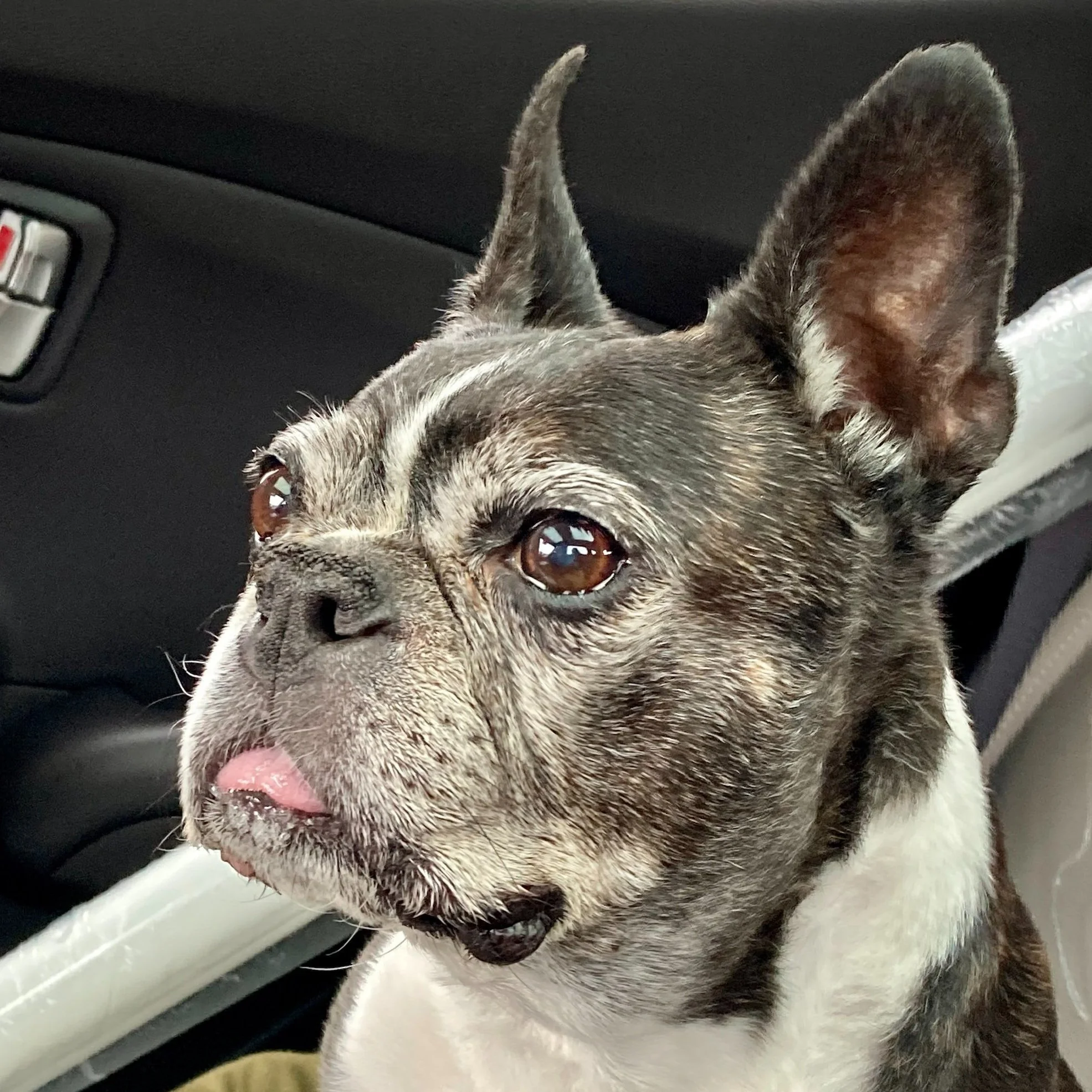
See Our Senior Dog Care Guide
Take proactive steps today to support your beloved senior dog.