

Getting Rid of Active Flea Infestations Naturally
How To Eliminate Fleas
Treat the Dog, The House and the Yard
We talk a lot about flea prevention.
But let’s be honest — prevention is cute until you part the fur and see tiny black specks, jumping fleas, irritated skin, and a dog who looks like they are auditioning for a tap-dancing competition.
Once fleas are active, you cannot just spray the dog once and call it handled. Fleas do not live only on the dog. They live in the environment, the bedding, the cracks in the floor, the couch, the yard, the mulch, and basically anywhere inconvenient because apparently fleas have a real flair for drama.
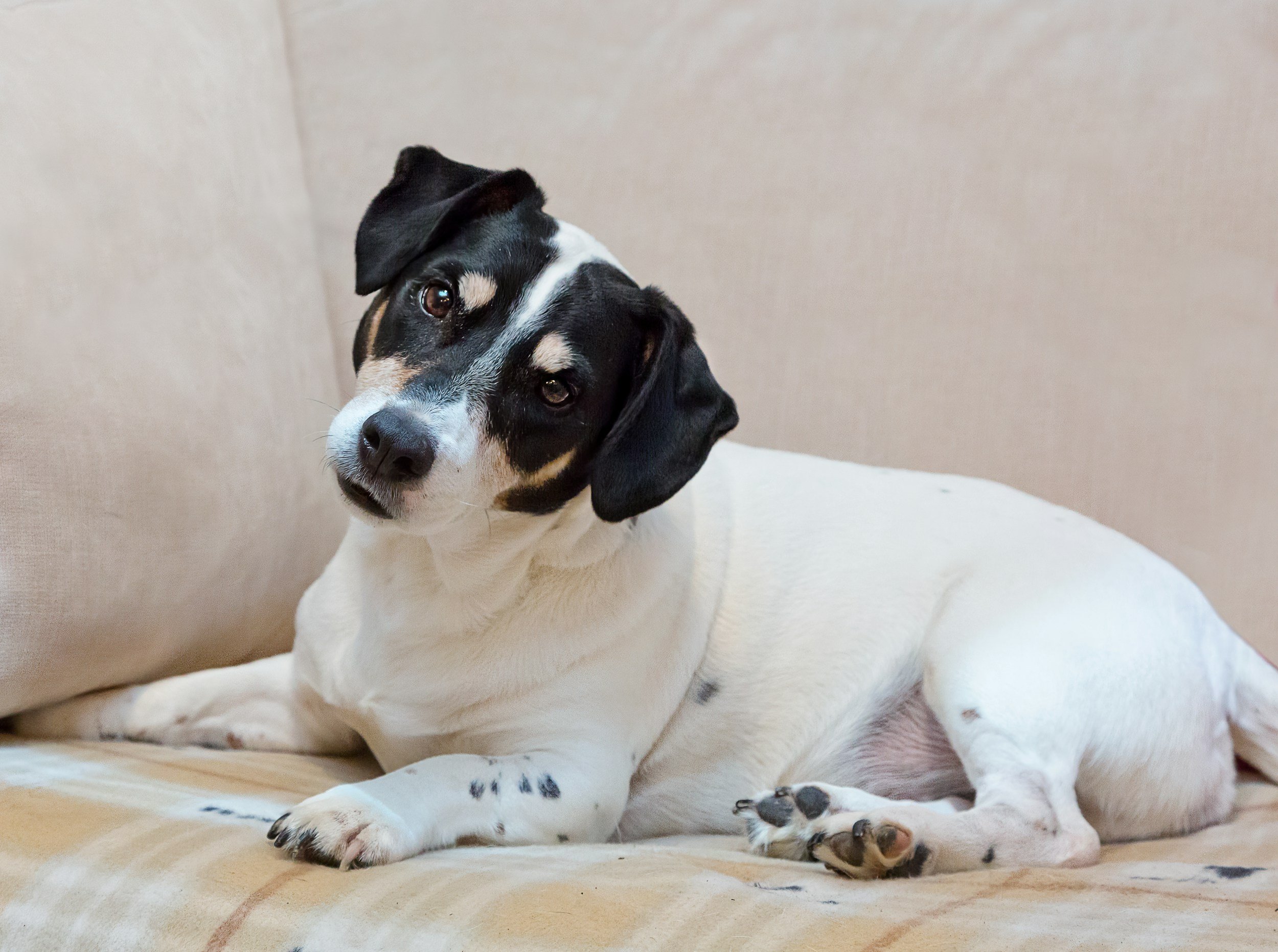
To get control, you need layers.
That means:
Treat the dog
Treat the house
Treat the yard
Support the body from the inside out
Stay consistent long enough to break the cycle
This is where many pet parents get frustrated. They try one product, usually on the dog only, and then wonder why the fleas come back. The problem is not always the product. The problem is the plan. And the duration of effort. It takes a lot of time and effort.
Why Fleas Are So Hard to Get Rid Of
Adult fleas are only part of the problem.
The bigger issue is the flea life cycle. Fleas can leave behind eggs, larvae, and pupae in your dog’s environment. That means the flea you see today may not be the last one you deal with tomorrow.
So when someone says, “I treated my dog and they still have fleas,” my first question is usually:
What else did you treat?
Because if the dog is treated but the house and yard are not, you are basically running a flea Airbnb. They check out of the dog, hang out in the environment, and then come right back.
Rude, but efficient.
Start With the Dog
The dog is where most people start, and yes, the dog needs support. But the goal is not just to make the dog smell like an herb garden. The goal is to make the dog a less attractive host while also calming the skin, supporting the immune system, and reducing the opportunity for fleas to thrive.
I often recommend an essential oil spray recipe paired with neem oil — watch the fleas flee! So do this outside!
Depending on your dog’s level of infestation, and health condition — it may be a time to consider a 1-time use of a Dawn Soap Bath. Once. These are not frequent use products. If you do use Dawn — be sure to rinse exceptionally well, consider an epsom salt soak immediately after, and then condition the skin with a good oil or ointment (I like essential oils in mine!)
Fresh Food and Internal Support
A healthier body is usually a harder target.
That does not mean fleas only bother unhealthy dogs. Let’s not get silly. Fleas are opportunists. But dogs with poor skin health, inflammation, poor coat condition, nutrient gaps, gut imbalance, or weakened immune resilience may be more inviting.
Food is part of flea care because skin and coat health start inside the body.
Things I look at include:
Fresh food intake
Protein quality
Fatty acid balance
Gut health
Mineral status
Skin inflammation
Itching history
Yeast or allergy patterns
Current medications and supplements
Overall immune resilience
Kibble-fed dogs can absolutely improve, but this is one reason I talk so much about fresh food. Nutrition is not just about calories in a bowl. It affects skin, coat, inflammation, detox pathways, and the body’s ability to handle pests, irritation, and recovery.
Garlic Support
Garlic is one of those topics that makes the internet clutch its pearls.
Used appropriately, garlic has a long history in natural flea support. It is commonly used as part of a broader plan to support the immune system and make the dog less appealing to pests.
No, this does not mean tossing random cloves into the bowl and hoping for the best. The dog’s size, health history, medications, bloodwork, and overall diet need to be considered.
This is exactly why I do not drop public dosing in a blog. Context is not optional.
Essential Oils for the Dog
Essential oils can be incredibly useful in flea and tick care when they are selected well, diluted properly, and used with a plan.
They may help support:
Flea and tick repellency
Skin comfort
Coat health
Odor control
Environmental freshness
Nervous system calming if the dog is itchy and miserable
Seasonal pest routines
Some oils commonly used in natural flea and tick routines include oils such as cedarwood, lemongrass, citronella-type oils, lavender, geranium, peppermint, neem-based products, and blends created specifically for dogs.
I also like Kunzea in tick-focused support. It is not one most pet parents have heard about, but it can be a great option in layered outdoor routines.
The key is not just “use oils.” The key is using the right oils, the right dilution, the right frequency, and the right method for that dog.
A dog with seizures, liver concerns, respiratory sensitivity, pregnancy, very young age, senior frailty, heavy medication use, or major skin breakdown is not the same as a healthy adult dog who needs a seasonal outdoor spray.
Same fleas. Different dog. Different plan.
Neem Oil
Neem can be used in both internal and topical conversations, depending on the dog and the product form. It is often discussed for skin, coat, and pest support.
Again, form and quality count. Neem oil, neem leaf, neem-based sprays, and neem-containing blends are not all used the same way.
This is where people get sideways fast — they read one comment, buy one bottle, and wing it.
Please do not wing flea infestation care. Fleas are annoying enough without adding a preventable skin reaction to the party.
Bathing and Combing
For an active infestation, you may need a hands-on approach.
Helpful basics include:
Flea combing daily
Bathing when appropriate
Checking the belly, groin, tail base, armpits, ears, and neck
Watching for flea dirt
Supporting irritated skin after fleas are removed
Cleaning collars, harnesses, bedding, and blankets
Do not forget collars and harnesses. Fleas are not above hiding in your cute matching leash set.
Treat the House
This is where many flea plans fail.
The dog gets treated, but the house quietly keeps hatching the next round.
If you have an active flea problem, the house needs a focused cleanup routine for several weeks. Not one heroic Saturday cleaning spree. A routine.
Vacuum Daily
Vacuuming is one of the most underrated tools in flea control.
Focus on:
Carpets
Rugs
Baseboards
Under furniture
Sofa cushions
Pet beds
Cracks in flooring
Areas where your dog sleeps or rests
Empty the vacuum outside. Do not vacuum the whole house and then leave the flea collection sitting in the canister like a tiny villain headquarters.
Wash Bedding Daily During Active Infestation
During an active issue, wash what you can in hot water.
This includes:
Dog beds with removable covers
Blankets
Crate mats
Couch covers
Human bedding if the dog sleeps with you
Towels used after baths
Soft toys if washable
Heat and consistency are your friends here.
Borax for Carpets and Pet Areas
Borax may be used on carpets and pet areas as part of environmental flea control. It should be applied carefully, kept away from pets during use, and vacuumed thoroughly.
This is not something I want dogs walking through, licking, or inhaling.
Use common sense. Then add a little more common sense.
Essential Oils in the Home
Essential oils can be very helpful in the house when used correctly.
They may be used in:
Room sprays
Surface sprays
Laundry support
Diffusion routines
Bedding sprays
Floor cleaning support
Outdoor entryway routines
For active infestations, I especially like the idea of custom oil blends for each room or area based on the purpose.
For example:
A spray for bedding and fabric areas
A spray for doorways and entry points
A blend for cleaning hard surfaces
A diffusion approach for room freshness
A stronger outdoor-focused blend for patios or thresholds
When diffusing, the room, airflow, dog’s sensitivity, species in the home, and oil choice all need to be considered. Some families choose to diffuse in a room while pets are out of that space, then allow the room to air before pets return.
Essential oils are powerful tools. That is the point. But powerful tools still need brains behind them.
Treat the Yard
If the yard is ignored, fleas can keep re-entering the home and dog.
This is especially important if your dog spends time in:
Shady grass
Mulch beds
Pine straw
Damp soil
Leaf litter
Under decks
Fence lines
Wooded edges
Areas where wildlife travels
Your yard does not need to look like a golf course, but flea-friendly areas need attention.
Clean Up Flea-Friendly Areas
Fleas and ticks love protected, moist, shaded spaces.
Start with:
Keeping grass trimmed
Removing leaf litter
Cleaning up straw and mulch areas
Reducing damp debris
Clearing weeds near fences and foundations
Keeping dog potty areas clean and dry
Discouraging wildlife traffic when possible
This is not glamorous. It is yard hygiene. Very exciting stuff. Try not to faint.
Diatomaceous Earth
Food-grade diatomaceous earth may be used in dry outdoor areas such as mulch, straw, soil, weeds, and gravel-type spaces.
Important note: DE does not work well when wet. It needs dry conditions.
It also should not be inhaled by you or your dog. Apply carefully, avoid dusty clouds, and do not use it in a way that creates respiratory irritation.
Some people attempt using DE on the dog’s skin and fur. It’s not my recommendation as it is very drying to skin and highly irritating to nasal passages.
Beneficial Nematodes
Beneficial nematodes are a great natural yard support option because they target flea larvae in the soil.
They are especially useful in areas where fleas may be developing outside before coming back onto your dog or into the home.
They are not an instant “spray it and forget it” fix, but they can be a smart layer in a natural yard plan.
Wondercide and Yard Sprays
Natural yard sprays, including cedar-based options, may be useful for patios, grass, mulch areas, and outdoor spaces where dogs spend time.
This is where consistency counts. One application may help, but an active infestation usually needs repeated attention based on the product directions, weather, yard size, and pest pressure.
Essential Oils for Outdoor Support
Essential oils can also play a role outside.
Oils and plant-based products may help with:
Outdoor sprays
Patio routines
Yard edge support
Tick-heavy areas
Entry points
Dog-safe post-yard sprays
Seasonal maintenance
Kunzea, cedarwood, lemongrass, citronella-type oils, and neem-based options may all come up in flea and tick conversations. The right choice depends on the goal, the dog, and how the product will be used.
The Order Counts
For active fleas, I do not love random product hopping.
A better plan usually looks like this:
Address the dog
Wash and vacuum aggressively
Treat bedding and soft surfaces
Treat the yard
Repeat consistently
Support skin and immune health
Recheck progress every few days
Adjust based on what is still happening
If you only treat the dog, you miss the environment.
If you only treat the house, the dog may keep bringing fleas back in.
If you only treat the yard, the eggs and larvae inside may keep hatching in your couch.
Flea control is a layered routine, not a one-bottle miracle.
When Fleas Are More Than Annoying
Fleas are not just gross. They can create real problems.
Call your vet if your dog has:
Pale gums
Weakness or lethargy
Heavy flea burden, especially in puppies or seniors
Severe itching or open sores
Hot spots or skin infection
Hair loss and raw skin
Signs of tapeworms
Vomiting, diarrhea, or loss of appetite
Known anemia or chronic disease
Flea allergy dermatitis that is out of control
Puppies, tiny dogs, seniors, immune-compromised dogs, and dogs with chronic illness can be hit harder. This is not the time to casually wait and see while fleas throw a house party.
Your vet can help with diagnostics, anemia checks, skin infections, allergic reactions, tapeworm treatment, and urgent care when needed.
Then the natural side can help with the bigger picture — skin recovery, nutrition, immune support, environmental cleanup, and prevention planning.
Why Generic Advice Falls Short
This is where Facebook advice gets messy.
Someone will say:
“Just use this spray.”
“Just give garlic.”
“Just use Dawn.”
“Just bomb the house.”
“Just use cedar oil.”
“Just get the prescription pill.”
Most people are answering from their own dog’s story. And your situation might be very different — especially in regard to your dog’s health, environment, etc.
Natural Support Categories I Consider
Depending on the dog, the home, and the severity of the infestation, natural support may include:
Fresh food and nutrition upgrades
Skin and coat support
Omega-3 support
Gut and microbiome support
Essential oil sprays
Essential oil diffusion routines
Neem-based support
Garlic when appropriate
Herbal support
Homeopathy
CBD for itch, irritation, or stress support when appropriate
Medicinal mushrooms for immune resilience
Minerals and hydration support
Flea combing and bathing
Laundry and vacuum strategy
Yard sprays
Beneficial nematodes
Food-grade diatomaceous earth
Stress and nervous system support
That does not mean every dog needs every tool.
Please do not turn your dog into a walking Pinterest board.
The right plan is the one that fits the dog in front of us.
Need Help Building a Flea Plan?
If fleas are active, you need a plan that covers more than the dog’s back. This is a time when being active in the community forum can be helpful. We can troubleshoot creatively and not necessarily need a consultation!
Want product categories and support options?
https://welloiledk9.com/products
Join the community for more education, Q&A, and support.
https://community.welloiledk9.com
Visit my affiliate links page for products! Thank you.
When DIY Isn't Enough Already tried the basics? If this is happening with your dog and you're still stuck, I can help you figure out what deserves attention next.
Request a Discovery Callback →