

Soothing Skin Anti-Itch Spray
If your dog is licking, scratching or chewing at one spot, sometimes you need something simple you can reach for right now while you figure out why the skin is irritated.
That is where I like a basic soothing skin spray.
It is inexpensive, easy to make and uses ingredients you may already have in your kitchen. More importantly, it can give mildly irritated skin a little breathing room without reaching immediately for another heavily fragranced shampoo, medicated wipe or mystery bottle from the pet-store aisle.
See your vet for a diagnosis and then you and I can collaborate on a custom strategy for your dog's health.
A spray like this is for comfort and supportive care. If your dog keeps itching, the spray is not the answer to the bigger problem—and that distinction is important.
Homemade Anti-Itch Spray for Dogs
This is the basic version I would start with.
Green Tea & Chamomile Soothing Skin Spray
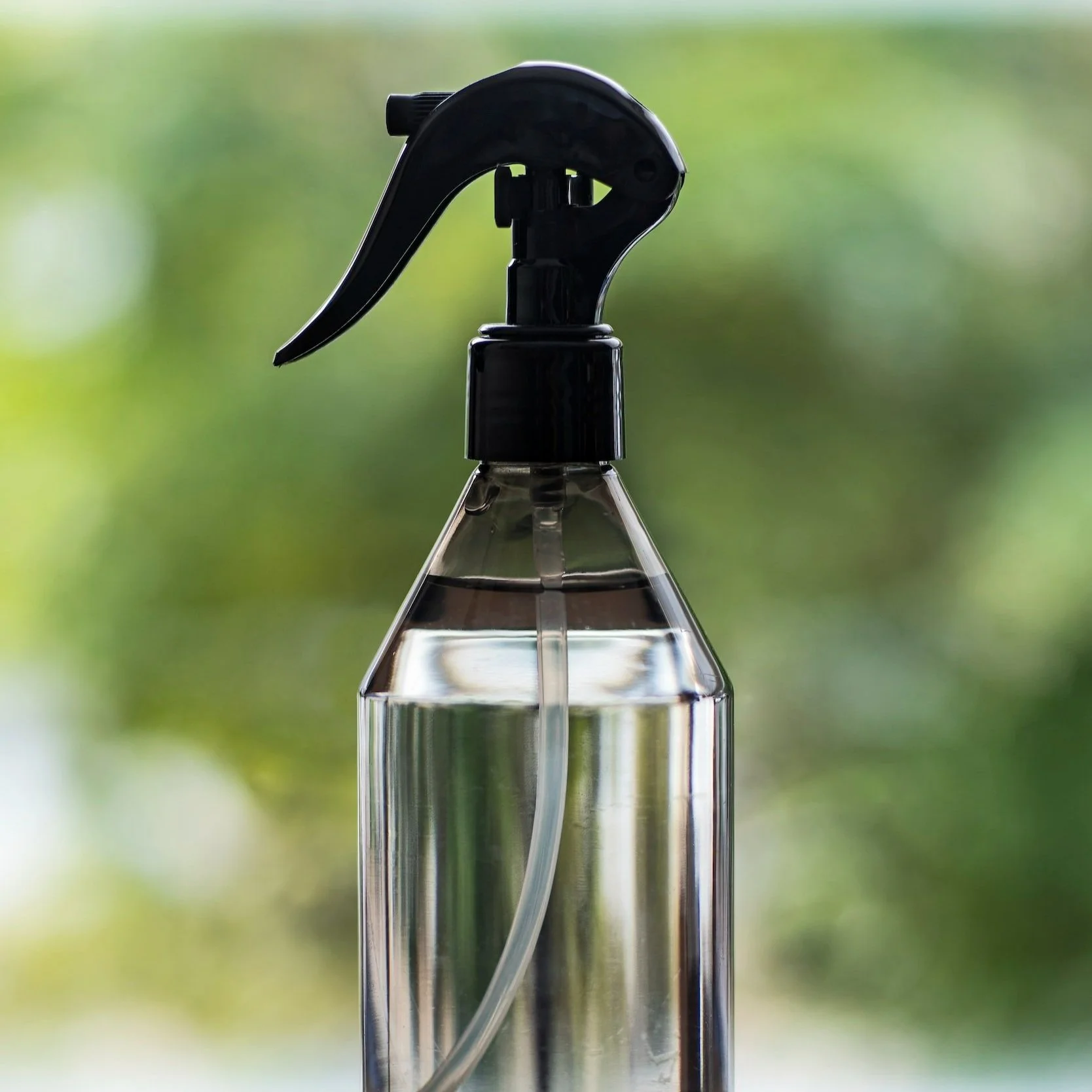
Add to a clean spray bottle:
½ cup strongly brewed green tea, completely cooled
½ cup strongly brewed chamomile tea OR nettle tea, completely cooled
½ cup distilled or filtered water
½ cup apple cider vinegar — only when the skin is intact
Lightly mist itchy areas of the coat and skin as needed.
If your dog has very sensitive skin, start with the teas and water without the apple cider vinegar and see how the skin responds.
Apple cider vinegar can sting like crazy on raw, cracked, scratched or open skin. If you would not want vinegar poured into a paper cut, your dog probably does not either.
Because this spray contains brewed tea and no chemical preservatives, refrigerate it and make small fresh batches. If it starts looking or smelling questionable, toss it. We are soothing skin, not starting a science experiment in the refrigerator.
What Can This Spray Help With?
I think of this as a simple comfort measure for things like:
Mild seasonal itching
Dry or mildly irritated skin
Belly irritation after lying in grass
Paw irritation after outdoor exposure
Mild irritation after bug bites
Skin that needs soothing between baths
Occasional scratching while you investigate the cause
You can also apply it with a soft cloth or cotton pad if your dog thinks a spray bottle is an assassination attempt.
Do not spray around the eyes, nose, mouth, genitals or directly inside the ears.
What About Essential Oils for Itchy Dog Skin?
This is one place where I have changed how I would present an old DIY recipe.
I absolutely use essential oils with dogs. They are one of the wellness tools I would not want to be without.
But I do not think the best advice to a dog mom who lands on this page from Google is simply:
"Put some essential oils into a bottle of water and shake it."
Essential oils and water do not truly mix. Without proper formulation or dispersion, one spray may contain almost nothing while another can deliver a much more concentrated amount onto the skin.
When I am choosing oils specifically for skin support, lavender and copaiba are two I often consider depending on the dog and what is going on.
And yes, I use tea tree in selected applications.
Tea tree is not an oil I would casually add to a generic recipe for every dog, however. Concentration, the condition of the skin, the dog's size and sensitivity, licking, frequency of application and what else is in the blend all change how I would use it.
Natural does not mean careless.
If you want to use essential oils topically with your dog, start with my guide to properly diluting essential oils for dogs.
Don't Put Apple Cider Vinegar on Raw or Angry Skin
Apple cider vinegar gets recommended for just about every itchy dog on the internet.
Sometimes it can be useful.
Sometimes it is exactly what I would not put on the dog.
Skip the ACV if the skin is:
Raw
Open
Bleeding
Cracked
Very red or inflamed
Oozing
Painful to touch
For those dogs, a simple cooled tea rinse may be far more comfortable while you determine what is actually happening.
And if you are looking at a wet, angry hot spot, infected skin or a wound, we have moved beyond the casual kitchen spray category.
If Your Dog Keeps Itching, Start Asking Why
This is the part I do not want you to miss.
If you make the spray and your dog feels better, wonderful.
But if you are making batch number six because your dog has been itching for three months, we need to stop talking about the spray.
Itching is a symptom.
Dogs may scratch, lick or chew because of:
Environmental allergies
Food reactions or food intolerance
Fleas or flea-bite sensitivity
Mites
Yeast
Bacterial skin infection
Contact irritation
Dry skin or a damaged skin barrier
Nutritional deficiencies or imbalances
Chronic inflammation
Hormonal or endocrine issues
Medication reactions
Stress and nervous-system patterns
That is why I created a separate guide on why dogs become itchy, as well as my broader dog allergies guide.
The skin is giving us information. I do not want to simply make it quieter without paying attention to what it is saying.
Food, Gut Health and Your Dog's Skin
When itching becomes chronic, I very quickly start looking beyond what is going on on the skin.
As a holistic pet health coach and canine nutritionist, I often look at the dog's food history, proteins, fats, treats, chews, supplements, stool, gut health, medications, previous antibiotics, environmental exposures and the timing of flare-ups.
A dog who becomes itchy every spring may need a very different strategy from a dog who has yeasty feet twelve months a year.
A dog who also has soft stool, recurring ear infections and paw licking gives me another set of clues.
And a dog who has been through six different foods without improvement may not need food number seven randomly pulled from the shelf.
This is where the whole-dog picture starts becoming much more useful than another anti-itch product.
Other Natural Ways to Soothe an Itchy Dog
Topical support can be very useful while you are working on the bigger picture.
Depending on the dog, I may also consider:
Cool rinses after grass or pollen exposure
Epsom salt soaks
Gentle bathing without stripping the skin
Omega-3 support
Fresh-food nutrition
Gut and microbiome support
Herbs
Essential oils
Homeopathy
Environmental and low-tox changes
TCVM patterns and food energetics
Stress and nervous-system support
You can find more immediate comfort ideas in Natural Relief for Itchy Dogs, and my Epsom Salt Soaks for Dogs article is another good one to keep bookmarked.
Notice that none of those says, “Everyone gets the same protocol.”
They should not.
When an Itchy Dog Needs Veterinary Care
Please do not keep experimenting with home remedies if you are seeing:
Pus or discharge
A strong or unusual odor
Wet, oozing or rapidly spreading skin lesions
Significant hair loss
Swelling
Very painful skin
Persistent ear problems
Deep wounds or punctures
Fever or lethargy
Severe or rapidly worsening itching
Facial swelling, weakness, collapse, vomiting associated with an allergic reaction, or difficulty breathing requires urgent veterinary care.
Veterinary care is also valuable for determining whether you are dealing with yeast, bacteria, parasites or another condition that needs specific treatment.
Then we can talk about why it happened, how to support the dog during recovery, and what may help reduce the chance of doing this same dance again next month.
When the Spray Helps—but the Itch Keeps Coming Back
That is often the point where dog moms find me.
They have changed the food.
Bought the shampoo.
Tried the supplement.
Used the spray.
Maybe tried Apoquel, Cytopoint or steroids.
Something helped for a while, but nobody has really helped them put all of the pieces together.
If that sounds familiar, request a Discovery Callback and tell me what has been going on with your dog. We can look at what you have already tried and decide whether there is a bigger pattern worth investigating.
A soothing spray is handy to have in the refrigerator.
A dog who continually needs one is asking us to look deeper.
Related Content
Keywords: homemade anti itch spray for dogs | natural anti itch spray for dogs | what can I spray on my dog for itching | dog itchy skin home remedy | natural itch relief for dogs | dog skin allergies | dog scratching and licking | itchy dog paws | green tea spray for dogs | apple cider vinegar for itchy dogs | essential oils for itchy dog skin | dog hot spots | soothing skin spray for dogs
When DIY Isn't Enough Already tried the basics? If this is happening with your dog and you're still stuck, I can help you figure out what deserves attention next.
Request a Discovery Callback →