

Essential Oils and Nutrition for Dogs: Building a Stronger Wellness Foundation
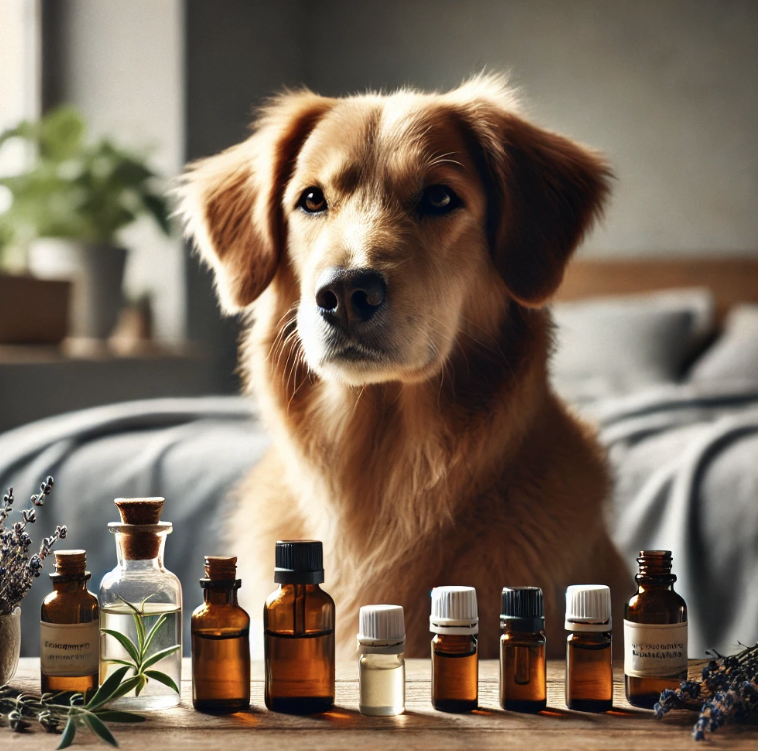
Most pet parents think of essential oils as something that makes a room smell good or helps them relax.
That is only a small piece of what aromatherapy may offer.
When essential oils are used thoughtfully and paired with better canine nutrition, they may support a dog’s physical comfort, emotional balance and overall resilience. Neither one replaces veterinary care, but together they can become part of a more complete approach to keeping your dog well.
See your vet for a diagnosis and then you and I can collaborate on a custom strategy for your dog’s health.
Why Combine Essential Oils and Nutrition?
Your dog’s body does not separate food, stress, digestion, inflammation and emotional health into neat little boxes.
A dog eating a highly processed diet, living with chronic stress and struggling with poor digestion may not respond the same way as a dog receiving fresh food, restorative sleep, appropriate movement and emotional support.
Nutrition provides the raw materials the body uses every day. Essential oils may help influence the nervous system, emotional state, physical comfort and other wellness patterns.
Used together, they may support:
A healthier stress response
Better emotional regulation
Digestive comfort
Skin and coat health
Normal immune function
Energy and vitality
Rest and recovery
Healthy aging
That is very different from reaching for one oil after a symptom appears and expecting the bottle to do all the heavy lifting.
Food Builds the Foundation
What goes into your dog’s bowl affects nearly every system in the body.
Protein quality, fat balance, moisture, minerals, antioxidants, fiber and food processing can influence digestion, inflammation, energy, muscle condition, immune health and even behavior.
Fresh, whole-food nutrition may provide naturally occurring vitamins, enzymes, phytonutrients and antioxidants that support the body more effectively than relying entirely on highly processed food.
That does not mean every dog needs the same diet. Some dogs thrive on raw food, while others do better with gently cooked meals or a carefully improved commercial diet.
The right plan may depend on:
Age and breed
Current weight and muscle condition
Digestive history
Food sensitivities
Pancreatic, liver, kidney or gallbladder concerns
Medications and supplements
Activity level
Existing health conditions
Nutrition is not simply about filling the bowl. It is about giving the body what it needs to repair, regulate and function.
How Essential Oils May Support Dogs
Essential oils contain concentrated aromatic compounds that may affect both the body and the nervous system.
Some aromatic compounds may influence areas of the brain involved in emotion, memory and stress response. This is one reason certain oils are commonly considered for dogs experiencing fear, anxiety, transitions or difficulty settling.
Depending on the individual dog and the oil selected, aromatherapy may be considered for:
Anxiety and nervousness
Fireworks and thunderstorms
Training stress
Travel
Grooming or vet visits
Restlessness
Emotional recovery after trauma or rescue
Focus and confidence
Muscle and joint comfort
Skin, coat, ear or paw support
Rest and sleep
The oil is only one part of the decision.
Quality, concentration, application method, frequency, medications, age and health history all need to be considered. A dog with seizures, respiratory disease, liver concerns or multiple medications may need a very different approach from a young, healthy dog.
Essential Oils for Dog Anxiety and Stress
One of the most common reasons pet parents explore essential oils for dogs is anxiety.
A calming aroma may help some dogs settle during storms, fireworks, travel or changes in routine. But anxiety is not always just an emotional issue.
A dog may appear anxious because of:
Pain
Digestive discomfort
Poor sleep
Cognitive changes
Hormonal or endocrine disease
Noise sensitivity
Past trauma
Inadequate exercise or enrichment
A nervous system that rarely gets a chance to settle
What I know is that essential oils may help lower the emotional volume, but they cannot fix an underlying medical or environmental problem.
This is why whole-dog assessment is so important. We need to understand what the behavior is telling us before we decide how to support it.
Living Above the Wellness Line
“Living above the wellness line” means supporting health before the body is in crisis.
It is the difference between waiting for symptoms to become severe and building daily habits that improve the dog’s ability to adapt, recover and stay balanced.
That may include:
Feeding better-quality food
Supporting digestion and the microbiome
Reducing unnecessary chemical exposure
Using essential oils with purpose
Providing regular movement
Prioritizing sleep and rest
Supporting the nervous system
Watching changes in stool, appetite, weight and behavior
Reviewing lab trends instead of looking at one isolated result
Prevention does not guarantee that a dog will never become ill. It gives the body a stronger foundation and may help you recognize changes earlier.
Simple Ways to Begin
You do not need to rebuild your dog’s entire routine overnight.
Improve the Food Bowl
Add moisture and fresh food where appropriate. Even modest improvements may increase nutritional variety and reduce reliance on heavily processed ingredients.
Fresh additions may include suitable proteins, eggs, sardines, vegetables, berries or other whole foods based on the dog’s needs and tolerance.
Replace Highly Processed Extras
Treats, chews, toppers, oils, table scraps and supplements all count.
A good diet can be quietly undermined by a constant stream of synthetic treats, high-starch biscuits and mystery chews.
Introduce Essential Oils During Calm Moments
Do not wait until your dog is already panicking to introduce a new oil.
Allowing a dog to experience an aroma during a neutral or relaxed moment may help you observe preference and tolerance without the stress of an active crisis.
Create a Predictable Daily Rhythm
Dogs often benefit from consistency around meals, movement, rest and enrichment.
A nervous system that knows what comes next may have an easier time settling.
Watch the Whole Dog
Track more than the symptom that first caught your attention.
Look at:
Appetite
Stool quality
Energy
Sleep
Skin and coat
Weight
Muscle condition
Nausea
Stress patterns
Recovery after activity
Changes in behavior
Patterns often tell us more than one bad day.
Where Generic Advice Falls Short
Online advice often sounds simple:
Use this oil for anxiety.
Feed this food for inflammation.
Add this supplement for immunity.
The problem is that your dog is not a generic dog.
The same symptom may have very different causes, and the same remedy may be helpful for one dog while being inappropriate for another.
A personalized plan may need to consider:
Diet history
Current medications
Organ function
Lab trends
Food reactions
Stress and behavior patterns
Other diagnoses
Supplements already being used
Previous reactions
The dog’s age, size and overall sensitivity
Experience helps recognize patterns, ask better questions and avoid wasting time on random product guessing.
Learn How to Use Essential Oils With Confidence
Pet parents are often interested in essential oils but afraid of making a mistake.
That fear usually comes from conflicting information, blanket safety lists and recipes that do not explain why an oil was chosen or how it should be used.
My self-paced Essential Oils Class for Dogs teaches pet parents about oil quality, safety, application, dilution, basic chemistry, condition-specific support, home remedies, essential oil kits and Raindrop Technique.
The goal is not to turn you into a professional aromatherapist.
The goal is to help you feel informed, comfortable and supported when using essential oils with your own dog.
[LEARN MORE ABOUT THE ESSENTIAL OILS CLASS]
Build a Plan Around Your Dog
As a Certified Animal Aromatherapist, Canine Nutritionist and Holistic Canine Health Practitioner, I help pet parents bring nutrition, essential oils and other natural support together into one practical strategy.
You do not need more disconnected products.
You need to understand what your dog’s body is asking for, what should be addressed first and which tools genuinely fit the situation.
essential oils for dogs | canine nutrition | holistic dog wellness | natural wellness for dogs | essential oils for dog anxiety | fresh food for dogs | proactive dog health | aromatherapy for dogs
When DIY Isn't Enough Already tried the basics? If this is happening with your dog and you're still stuck, I can help you figure out what deserves attention next.
Request a Discovery Callback →