

What Happens If You Give Your Dog the Wrong Homeopathic Remedy?
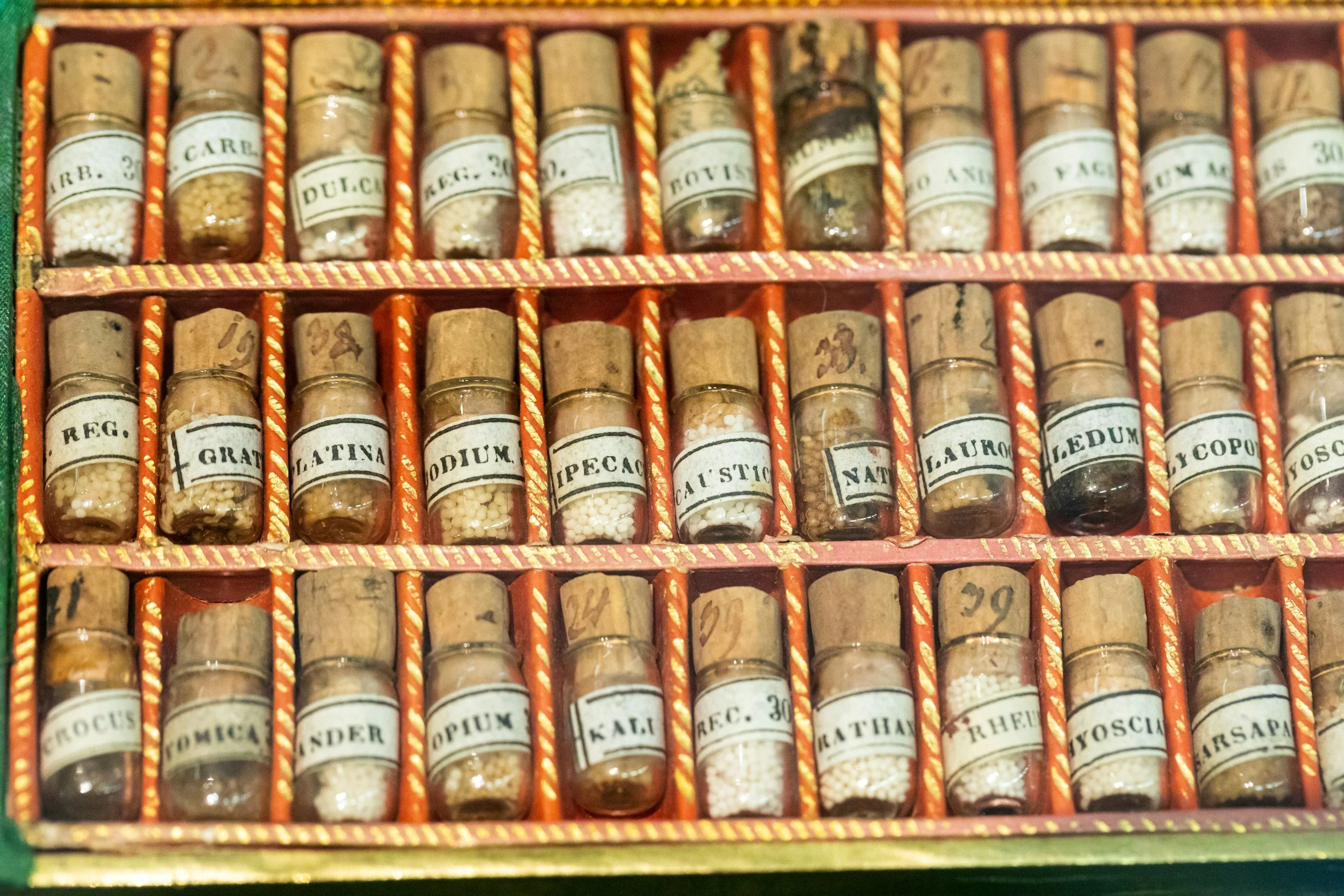
You chose a homeopathic remedy, gave it to your dog, and now you are wondering whether you picked the wrong one.
First, do not panic.
In many uncomplicated situations, a poorly matched highly diluted remedy may produce no obvious response at all.
The dog does not improve. The symptom picture does not shift. Nothing especially dramatic happens.
But “the wrong remedy is harmless” is too broad.
Several different things can happen after a remedy is given:
Nothing changes
The dog improves briefly but incompletely
Familiar symptoms intensify
New symptoms appear
The remedy is repeated so often that the case becomes difficult to interpret
The product itself causes a conventional reaction
The original illness or injury continues to worsen
Valuable time is lost while the dog needs another remedy, another modality, or veterinary care
The most important question is not simply:
Did I choose the wrong remedy?
It is:
What is my dog doing now, and what does that response tell me to do next?
The Most Common Outcome: Nothing Noticeable Happens
When a remedy does not resemble the dog’s current pattern closely enough, you may see no meaningful change.
The dog remains:
Just as restless
Just as sore
Just as fearful
Just as itchy
Just as nauseated
Just as uncomfortable
No response may suggest that the remedy was not a good match.
But it does not prove it.
Other possibilities include:
The dog needs more time
The symptom was too vague to evaluate
The potency or repetition was not appropriate
The situation is progressing
The dog needs another type of support
The dog needs veterinary diagnosis or treatment
The dog was beginning to improve naturally
“No change” is information.
It is not an automatic instruction to give more pellets.
Do Not Correct a Poor Match by Increasing the Pellet Count
Giving more pellets does not turn the wrong remedy into the right remedy.
A homeopathic dose is not generally strengthened by increasing the number of pellets.
If two or three pellets did not produce a useful response, giving twelve does not improve the remedy match.
Before repeating, ask:
Does the remedy still resemble the dog?
Did I choose it from the full pattern or from one keyword?
Has the symptom picture changed?
Is the dog stable?
Is this still reasonable to manage at home?
Does the dog need another modality?
More remedy is not always more treatment.
Sometimes it is simply more confusion.
The Remedy May Be Close—but Incomplete
Sometimes a remedy produces a partial response.
You may notice:
The dog settles, but the pain remains
The vomiting stops, but nausea continues
Fear decreases briefly, then returns
One symptom improves while the rest of the pattern remains unchanged
The dog appears somewhat brighter but does not continue improving
This may mean:
The remedy matched part of the pattern
The remedy was appropriate for one stage of the problem
The case has now changed
A repeat dose may eventually be needed
Another remedy may fit the current picture better
The dog needs non-homeopathic support as well
A partial response should not automatically be called failure.
But it should not be used as justification to repeat indefinitely either.
Observe what improved, what did not, and what the dog is showing now.
Familiar Symptoms May Temporarily Intensify
A brief intensification of symptoms that were already present is traditionally called a homeopathic aggravation.
For example:
Familiar itching becomes temporarily stronger
The same restlessness briefly increases
A known stiffness pattern becomes more noticeable
An old familiar symptom returns for a short time
A possible aggravation is generally more reassuring when it is:
Mild
Brief
Familiar
Followed by broader improvement
Occurring in a dog who remains stable
Stop repeating and observe.
Do not assume that worsening automatically proves the remedy was correct.
Significant, persistent, or progressive worsening may mean something entirely different.
Read Homeopathic Aggravations in Dogs: Healing Response, Wrong Remedy, or Worsening Condition?.
New Symptoms Are a Different Concern
When a symptom appears that was not part of the original case, pay attention.
Examples include:
New vomiting
New diarrhea
New weakness
New trembling
New aggression
New restlessness
New urinary difficulty
New swelling
New pain
New neurological behavior
A new skin eruption
New symptoms may suggest:
The remedy was poorly matched
The remedy was repeated unnecessarily
The dog is unusually sensitive
The dog is developing symptoms traditionally associated with the remedy
Another product caused a reaction
The original condition is changing
An unrelated medical problem has appeared
Stop the remedy and reassess.
Do not immediately give another remedy to cover the new symptom.
That can turn one unclear case into a small circus.
What Is a Homeopathic Proving?
In homeopathy, a proving is the process of giving a substance or remedy to healthy individuals and documenting the symptoms that appear.
Those recorded symptoms become part of the remedy picture.
Within homeopathic practice, repeated or unnecessary dosing may sometimes be blamed for producing remedy-associated symptoms in a dog.
A possible proving may involve:
New symptoms that were not present before
Symptoms associated with the remedy’s traditional profile
Symptoms appearing after frequent repetition
Increasing confusion rather than steady improvement
Whether every reported proving represents a specific remedy effect is difficult to establish.
The practical response remains the same:
Stop dosing
Record what happened
Monitor the dog
Get help if symptoms are significant
Do not pile another remedy on top without reassessment
Repeating the Wrong Remedy Can Muddy the Case
One uncertain dose is very different from giving the same poorly matched remedy every day for weeks or months.
Frequent repetition may make it difficult to determine:
Which symptoms belong to the original condition
Which symptoms appeared after the remedy
Whether the dog ever improved
Whether another remedy is now indicated
Whether another treatment caused the change
Whether the disease itself is progressing
This is especially problematic in chronic cases involving:
Skin disease
Digestive dysfunction
Anxiety or reactivity
Seizures
Autoimmune disease
Endocrine conditions
Long-standing pain
Several medications or supplements
Continuing simply because the remedy was recommended once is not individualized care.
A remedy should not become a permanent daily habit without an ongoing reason.
Read Why Homeopathic Remedies Aren’t Meant for Daily Long-Term Use.
Sometimes the Problem Is Not the Remedy Selection
A dog may react after a product labeled homeopathic for reasons unrelated to the homeopathic remedy picture.
Products may contain:
Lactose
Sucrose
Alcohol
Glycerin
Flavorings
Preservatives
Other inactive ingredients
Some low-potency products may contain measurable amounts of the original source substance. Poorly manufactured or incorrectly labeled products may also present conventional safety concerns. Homeopathic products marketed in the United States are not FDA-approved for safety or effectiveness, and quality may vary.
Check:
The remedy name
Potency
Dilution scale
Manufacturer
Inactive ingredients
Lot information
Whether the product is truly a highly diluted remedy or a mother tincture, herbal extract, cream, or combination product
Do not assume every bottle labeled “homeopathic” is chemically identical or incapable of causing a reaction.
A Mother Tincture Is Not the Same as a 30C Remedy
This distinction matters.
A highly diluted 30C pellet is very different from:
A mother tincture
A low-potency product
An herbal tincture
A topical preparation
An essential oil
Mother tinctures and herbal extracts may contain meaningful quantities of active compounds.
If the wrong product was given—or the product was given at the wrong amount—the concern may be conventional toxicity rather than a homeopathic mismatch.
When uncertain, contact:
Your veterinarian
The product manufacturer
Animal poison control
Have the container, label, potency, amount given, dog’s weight, and time of exposure available.
The Original Condition May Simply Be Getting Worse
This may be the most important possibility.
The remedy may have nothing to do with the worsening.
The illness or injury may already have been progressing.
For example:
A puncture wound becomes infected
A gastrointestinal obstruction worsens
Pancreatitis progresses
A urinary blockage develops
Bloat advances
Internal bleeding continues
Neurological disease worsens
Toxic exposure begins producing symptoms
Pain increases because the injury is more serious than expected
The timing of a remedy and a worsening symptom does not prove that the remedy caused the change.
It also does not prove that the worsening is a healing response.
Look at the medical reality of the dog in front of you.
The Biggest Risk May Be Lost Time
A highly diluted wrong remedy may not directly cause a dramatic reaction.
But repeatedly trying remedies can still cause harm when it delays:
Diagnosis
Pain relief
Fluids
Antibiotics
Surgery
Antivenom
Seizure treatment
Treatment for urinary obstruction
Treatment for bloat
Wound care
Stabilization
This is why “homeopathy is gentle” should never be translated into:
There is no risk in waiting.
Waiting can be the risk.
Sometimes the wrong remedy is not dangerous because of what it contains.
It is dangerous because the dog needed something else.
Acute and Chronic Cases Need Different Expectations
Acute situations
An acute case generally has:
A clear beginning
A shorter duration
A recognizable trigger
Symptoms changing over minutes, hours, or days
In an acute situation, a useful remedy response may appear relatively quickly.
But there is no universal rule that every correct remedy must produce improvement within a fixed number of doses.
The observation period depends on:
Severity
Stability
The symptom involved
The injury or illness
The dog’s overall condition
Whether emergency care may be needed
A mildly sore dog can be observed differently from a dog repeatedly vomiting or unable to urinate.
Chronic situations
Chronic cases may unfold over days or longer.
Possible early improvement may involve:
Better sleep
Improved appetite
More stable digestion
Reduced restlessness
Better emotional regulation
Improved recovery
Greater overall vitality
The primary complaint may not disappear first.
But chronic cases also require more careful assessment because several factors may be involved.
Do not continue a remedy for weeks solely because someone said chronic homeopathy takes time.
There should still be a reasoned plan and observable direction.
How Do You Know the Remedy Is Wrong?
Clues that the remedy may not fit include:
No meaningful response
Only one minor symptom changes while the overall dog does not
Entirely new symptoms appear
The dog becomes more confused or dysregulated
The original pattern no longer resembles the remedy
Repetition produces increasingly messy responses
The condition continues progressing
Another remedy now clearly matches better
But do not evaluate only the loudest symptom.
Look at:
Sleep
Appetite
Thirst
Energy
Movement
Behavior
Comfort
Digestion
Urination
Neurological function
Overall responsiveness
A dog may show broader improvement before the primary symptom completely resolves.
Likewise, one symptom may look better while the whole dog is declining.
The whole dog tells the more useful story.
What Should You Do If You Think You Chose the Wrong Remedy?
Stop repeating
Do not continue simply because another dose is due.
Record exactly what was given
Include:
Remedy
Potency
Number of pellets or liquid amount
Time
Number of doses
Product manufacturer
Write down what changed
Note:
Familiar symptoms
New symptoms
Improvement
Worsening
Timing
Duration
Assess the dog’s stability
Check:
Breathing
Gum color
Responsiveness
Pain
Hydration
Ability to urinate
Vomiting
Movement
Neurological function
Review the original remedy choice
Did it match:
The trigger?
The tissue?
The sensation?
Better and worse factors?
The dog’s behavior?
The complete current pattern?
Do not rush into the next remedy
Wait long enough to understand what the first dose did, unless the dog needs urgent care.
Seek guidance when the case is unclear
A second set of eyes may help determine whether:
The remedy was wrong
The remedy was close
The case changed
The dog needs another modality
The dog needs veterinary care
Should You Try to Antidote the Remedy?
Within homeopathic tradition, substances such as camphor, peppermint, coffee, strong aromatics, or another remedy are sometimes described as antidotes.
Evidence that these reliably neutralize a homeopathic remedy is limited.
I would not automatically:
Diffuse camphor
Apply strong essential oils
Give peppermint
Administer another remedy
Start several products
My first response is usually:
Stop dosing
Observe
Remove unnecessary variables
Assess medical urgency
Allow the dog to settle
Get help when needed
The answer to an uncertain remedy response is rarely to throw another uncertain intervention at it.
When Is It Reasonable to Choose a Different Remedy?
A different remedy may be considered when:
The dog remains stable
The first remedy produced no useful response
Enough time has passed to evaluate it reasonably
The current symptom picture is clearer
Another remedy now matches distinctly better
The dog does not need urgent veterinary care
Do not switch simply because the first dose did not produce a theatrical transformation.
But do not stay loyal to a remedy that no longer resembles the dog.
The remedy follows the current pattern.
The dog does not owe the remedy commitment.
Do Not Give Several Remedies to Cover Your Mistake
A common reaction to uncertainty is:
“I’m not sure whether it is Arnica, Ruta, Rhus tox, or Hypericum, so I’ll give all four.”
That does not solve the problem.
It removes your ability to evaluate the response.
One remedy at a time usually provides clearer information.
Read Why I Usually Recommend One Homeopathic Remedy at a Time for Dogs.
When to Seek Veterinary Care
Seek urgent care for:
Difficulty breathing
Facial or throat swelling
Collapse
Pale, blue, gray, or dark-red gums
Severe or escalating pain
Uncontrolled bleeding
Significant trauma
Distended or painful abdomen
Repeated unproductive retching
Repeated vomiting
Inability to keep water down
Repeated attempts to urinate with little or no urine
Suspected poisoning
Heatstroke
Sudden paralysis
Loss of balance
Altered consciousness
Prolonged or repeated seizures
Rapid deterioration
Do not spend an emergency comparing remedies.
Stop dosing and get the dog assessed.
Keep a Remedy Log
Record:
Date and time
Remedy
Potency
Product
Number of doses
Why you chose it
Symptoms before dosing
Symptoms afterward
Appetite
Thirst
Sleep
Energy
Behavior
Movement
Stool
Urination
Vomiting
Other remedies, medications, herbs, oils, supplements, or treatments
Good records prevent the familiar problem of remembering:
“I gave one of the little tubes sometime after lunch.”
That will not help you decide what happened.
A Simple Decision Guide
Nothing changes, and the dog remains stable
Pause and reassess the remedy match.
Mild familiar symptoms briefly intensify, then improvement begins
Stop dosing and observe.
New symptoms appear
Stop and reassess. Seek guidance when needed.
The dog clearly improves
Do not repeat while improvement continues.
Improvement fades and the exact original pattern returns
A repeat dose may sometimes be reasonable.
The dog progressively worsens
Do not call it healing. Seek veterinary care.
You gave several remedies
Stop adding more and document everything.
You gave a mother tincture, herbal product, or unknown amount
Contact your veterinarian or animal poison control.
The Wrong Remedy Is Not a Moral Failure
Dog parents sometimes become afraid to use homeopathy because they believe one imperfect choice will ruin the case.
It usually will not.
The goal is not to select every remedy perfectly on the first try.
The goal is to:
Observe carefully
Choose with a reason
Give one dose thoughtfully
Record the response
Stop when improvement begins
Reassess when nothing changes
Seek help when the dog worsens
A wrong remedy may give you no result.
That is still information.
What creates trouble is refusing to listen to that information and continuing anyway.
Learn to Make Better Remedy Decisions
Knowing remedy names is not enough.
You also need to understand:
How to recognize the pattern
How to compare similar remedies
What to do when there is no response
How to identify new symptoms
When repetition becomes too much
When another modality makes more sense
When veterinary care must come first
My Holistic Canine Remedies Class brings homeopathy together with herbs, essential oils, and introductory muscle testing so you can use your natural-remedy kit with more clarity and less guesswork.
Inside the class, you will learn:
How to choose remedies from the dog’s actual pattern
How similar remedies differ
How to give and repeat a dose
When improvement means stop
What to do when the remedy does nothing
How to respond when symptoms change
How to layer homeopathy with other holistic support
When home care is reasonable
When your dog needs veterinary attention
Explore the Holistic Canine Remedies Class
The wrong remedy does not usually create a catastrophe.
But it can waste time, muddy the case, or distract you from what your dog actually needs.
Stop. Observe. Reassess.
Then make the next decision from the dog in front of you—not from the remedy you hoped would fit.
When DIY Isn't Enough Already tried the basics? If this is happening with your dog and you're still stuck, I can help you figure out what deserves attention next.
Request a Discovery Callback →