Dog Breath: Why It’s Not Just a Dental Problem
If Your Dog’s Breath Is Awful
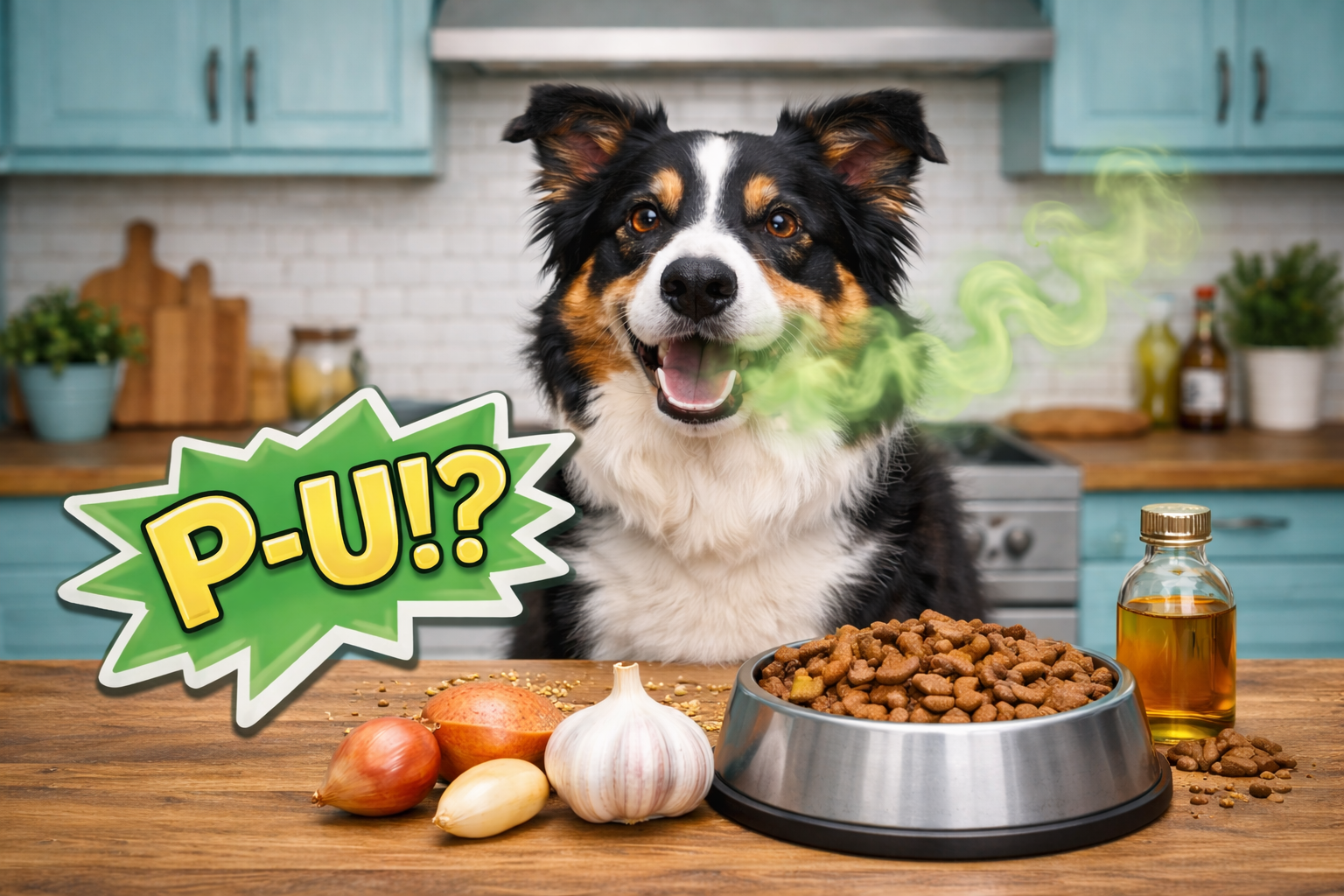
I hear this constantly:
“I brush.”
“We’ve done a dental.”
“They chew dental treats.”
“Why does my dog still have bad breath?”
Here’s the honest answer:
Dog breath is rarely just a tooth problem.
It’s usually a microbiome imbalance — in the mouth, the gut, or both.
And no, mint won’t fix gut bacteria. It just covers it up. But I do love a good minty toothpaste and spray as part of dental hygiene.
What’s Really Causing Bad Breath in Dogs
Bad breath comes from volatile sulfur compounds — gases produced when certain bacteria break down proteins and debris.
That bacteria lives in:
The mouth (gums, tongue, plaque biofilm)
The gut (especially with dysbiosis)
Inflamed tissue (gums, digestive tract)
So when breath is foul, it’s often a sign of:
Oral microbiome imbalance
Gum inflammation
Digestive imbalance or gut dysbiosis
Diets that feed odor-producing bacteria
Why Brushing and Dentals Help… But Aren’t the Whole Answer
Brushing and dental cleanings:
Remove plaque and tartar
Reduce bacterial load
Help prevent progression of periodontal disease
What they do not do:
Restore healthy oral bacteria
Address gut-driven odor
Fix ongoing inflammation
Think of brushing like mowing weeds.
Helpful — but it doesn’t rebuild the soil.
The Oral Microbiome: The Missing Piece
Emerging research now shows that periodontal disease and bad breath are driven by imbalance across the entire oral microbiome, not just plaque buildup.
In a controlled clinical trial, dogs given a postbiotic powder mixed into food showed:
~27% reduction in bad-breath compounds
Noticeable improvement within one week
No brushing, no dental chews, no side effects
Why that matters:
The mouth doesn’t need to be sterilized
It needs better bacterial balance
Postbiotics (beneficial bacterial compounds) help shift the environment so odor-producing bacteria lose their advantage.
Where Gut Health Comes In
If your dog has:
Chronic bad breath
Soft stool, gas, mucus
Recurrent ear or skin issues
You’re often dealing with gut imbalance spilling upstream.
The gut and mouth are connected through:
Immune signaling
Inflammation pathways
Microbial populations
A stressed gut = more odor-producing compounds circulating in the body.
You cannot out-brush gut dysfunction.
Natural Support That Actually Makes Sense
Nutrition First
Fresh, moisture-rich food supports saliva and digestion
Lower-starch diets reduce fuel for odor-producing bacteria
Protein quality matters — not just protein amount
Oral Hygiene (Still Important)
Brushing when tolerated (make your own toothpaste)
Gentle gum support
Addressing inflammation early
Microbiome Support
Oral-focused probiotics or postbiotics
Gut microbiome support when digestion is involved
Avoiding products that “nuke everything”
What I Don’t Recommend for Breath Issues
Highly processed dental chews - no greenies.
Sugary “breath fresheners”
Overly abrasive bones for sensitive mouths
Assuming smell is because of their age
Bad breath is information. Not something to mask.
Top 5 Things You Can Do Starting Now
Support gut health, not just teeth
Feed food that doesn’t ferment in the mouth
Brush when possible — gently and consistently
Stop relying on mint to fix bacteria
Pay attention when breath suddenly worsens
Want Help Figuring Out Why Your Dog’s Breath Smells?
Bad breath is rarely random.
It’s a signal — and the fix depends on the source.
Sell also The Blog on Dental Care For Dogs
Want personalized guidance?
Submit a no-cost inquiry and let’s see what’s going on.
👉 https://welloiledk9.com/questionnaireLooking for deeper education and product guidance?
Browse my guides and library.
👉 https://welloiledk9.com/libraryHave questions or want real-world discussion?
Join the community.
👉 https://facebook.com/groups/thewellfedk9
The Study
Title: A Novel Postbiotic Reduces Canine Halitosis
Journal: Animals (MDPI), 2025
DOI: https://doi.org/10.3390/ani15111596
When DIY Isn't Enough Already tried the basics? If this is happening with your dog and you're still stuck, I can help you figure out what deserves attention next.
Request a Discovery Callback →