

Are Essential Oils Safe for Cats? How to Use Them the Right Way in a Multi-Pet Home
The internet would have you believe you cannot ever use essential oils with your cat. I'd say that's true if you're using poor quality, adulterated oils.
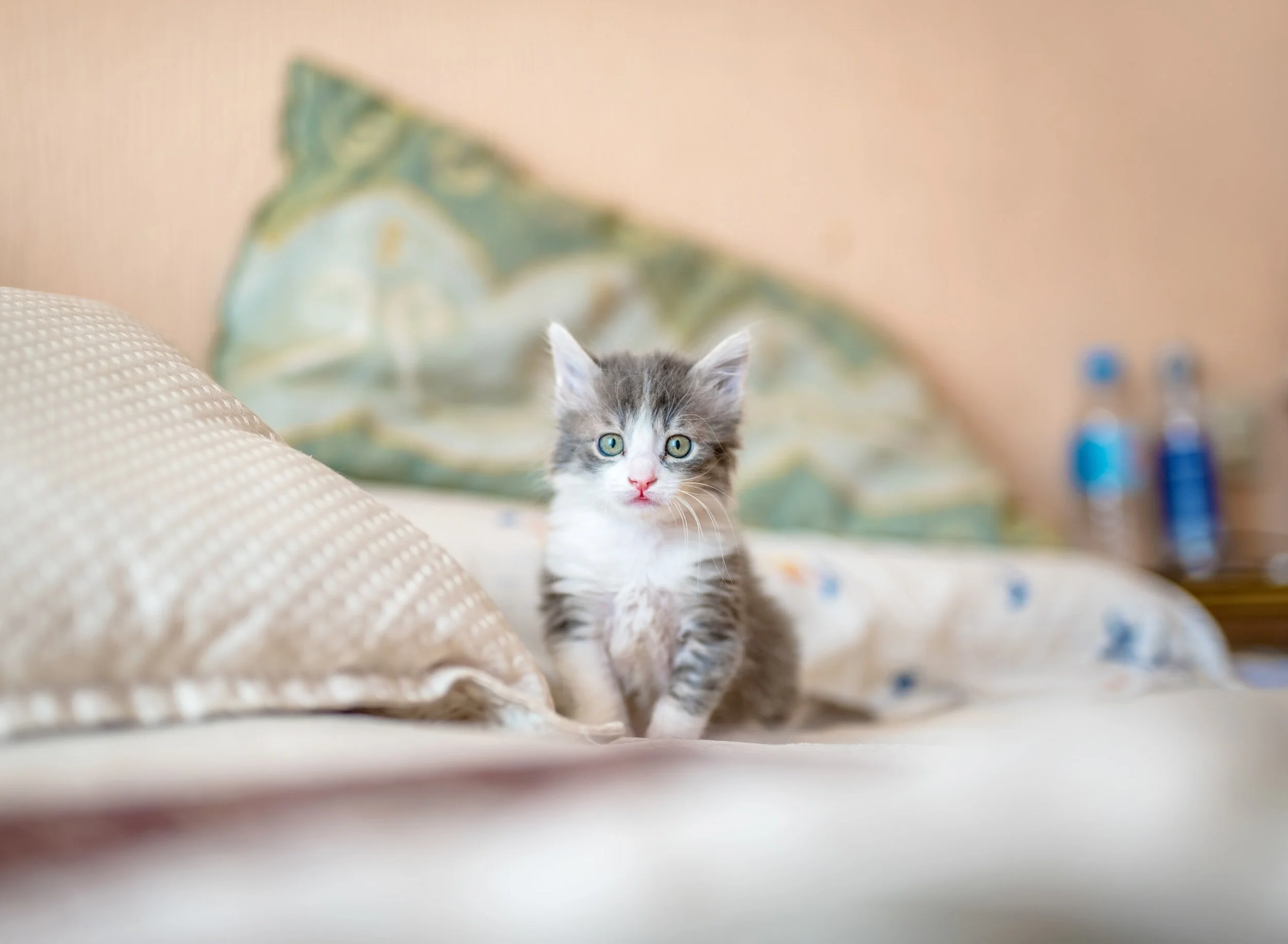
Essential Oils and Cats — What You Really Need to Know
Yes — you can safely use essential oils in a home shared with cats.
But there are some important things to keep in mind.
Just as we’d take extra precautions with babies or sensitive family members, our feline friends require gentler consideration. Cats are beautifully sensitive creatures, and that sensitivity includes how their bodies handle plant compounds.
As a Certified Animal Aromatherapist and Holistic Pet Health Coach, I’ve seen firsthand how essential oils can bring balance and wellness to multi-pet homes — when used correctly.
Why Cats React Differently to Essential Oils
Cats have a unique metabolism.
Unlike humans and dogs, their livers lack a key enzyme (UDP-glucuronyl transferase) used in the cytochrome P450 system, which helps break down and excrete certain plant compounds. Without it, synthetic fragrances and adulterated oils can build up in their systems.
This is also why your cat might react poorly to chemical cleaners, candles, air fresheners, and perfumes — even more so than to high-quality essential oils.
The real problem isn’t the essential oils themselves.
It’s the poor-quality, synthetic, or diluted products that dominate the market.
Choosing Quality Oils
When it comes to your cat’s health, quality isn’t optional — it’s everything.
Only use pure, unadulterated, therapeutic-grade oils. Avoid bargain brands or anything labeled “fragrance” or “parfum.”
For example:
Lavender (Lavandula angustifolia) is often replaced with Lavandin, which has an entirely different chemical profile.
Frankincense (Boswellia carterii) may be replaced with cheaper species blends that aren’t true frankincense.
If you can’t verify purity through testing or trusted sourcing, don’t use that oil.
How to Safely Diffuse Essential Oils Around Cats
A diffuser is one of the gentlest ways to introduce essential oils into your home. Here’s how to do it safely:
Allow choice. Always give your cat the freedom to leave the room. Cats are intuitive — if they don’t like a scent, they’ll simply walk away.
Diffuse intermittently. Try 10–15 minutes at a time, once or twice daily.
Rotate oils. Avoid diffusing the same oil every day for long periods.
Go low and slow. Start with 1–2 drops in your diffuser and increase gradually if tolerated.
Watch behavior. If your cat sneezes, drools, or hides, turn off the diffuser and open a window for fresh air.
Many cats actually seek out a diffuser once they realize it makes them feel calm — I’ve seen them nap right beside it!
Topical & Indirect Exposure
You act as a human diffuser.
If you’re wearing essential oils or using diffuser jewelry, your cat may still benefit — or, occasionally, avoid you if the scent is too strong.
Be mindful that when you pet your cat, oils on your skin can transfer to their fur. Since cats groom themselves, that oil could end up ingested. Always:
Wash your hands before petting if you’ve just applied essential oils.
Avoid applying oils to your cat’s paws or face.
Skip days between topical applications if you’re actively using oils with your pets.
Essential Oils to Avoid Around Cats
Oils high in phenols or ketones can be too intense for direct feline use unless guided by an experienced animal aromatherapist or holistic veterinarian.
Use with caution or avoid:
Basil
Clove
Oregano
Melaleuca quinquenervia (Niaouli)
Thyme
Mountain Savory
Tea Tree (Melaleuca alternifolia)
Laurus nobilis (Bay Laurel)
Cinnamon Bark
Peppermint
Dill
Rosemary
Fennel
Lavender (for cats especially sensitive to ketones)
Wintergreen is another one to skip unless under professional guidance — it contains methyl salicylate, which can be too strong for feline systems.
Gentler Oils That Are Usually Well-Tolerated
Start with softer, grounding oils and always dilute generously. These are some of my favorites for feline wellness:
Lavender – calm, comfort, and skin soothing
Copaiba – anti-inflammatory and gentle liver support
Frankincense – cellular and immune balance
Helichrysum – skin and tissue support
Melissa (Lemon Balm) – emotional wellness and immune support
Roman Chamomile – relaxation and emotional grounding
Vetiver or Valerian – deep calm for anxious cats
If you’re new to feline aromatherapy, I recommend exploring pre-diluted animal blends, such as those in the Animal Scents line, designed for gentle, safe use.
How to Dilute Essential Oils for Cats
More is not better.
Cats need extremely light concentrations — and it’s not just about adding a drop of oil to a carrier in your hand. Make a new, pre-mixed dilution for consistent safety.
A good rule of thumb:
75–90% dilution (that’s 1 drop of essential oil to 4–10 drops of carrier oil).
For sprays or blends, one drop of essential oil in 1 tablespoon of carrier is plenty.
Use glass bottles for storage, never plastic.
For reference, a 15-lb cat may need as little as one-tenth the amount of oil used for an adult human.
Your Cat’s Liver and Long-Term Wellness
Cats’ livers already work hard to detoxify modern toxins — pesticides, household cleaners, medications, and artificial fragrances. Using pure essential oils actually helps reduce the toxic load in your home by replacing synthetic products.
Even essential oil blends containing phenol oils (like the Immunity Blend cleaner) have been used safely for decades in homes, barns, and grooming salons — when properly diluted and used with ventilation.
So while the internet may claim “essential oils are toxic to cats,” the truth is far more nuanced.
Toxins are toxic. Purity is protective.
The Bottom Line
When used properly, essential oils can be part of a balanced, low-tox home for both you and your pets.
The key is education, quality, and mindful use.
If you’d like to learn more about creating a custom feline or multi-pet wellness plan, I’d love to guide you through safe applications, gentle Raindrop techniques for cats, and emotional support blends that truly make a difference.
Call to Action
Want to learn how to blend and apply essential oils safely for your cats and dogs?
Join my community of holistic pet parents for live Q&A sessions, product guidance, and personalized aromatherapy support.
👉 Join the Well Oiled K9 Forum
FDA Disclaimer
Statements in this blog have not been evaluated by the FDA. Educational content only. Not intended to diagnose, treat, cure, or prevent any disease.