

Brown Rice or White Rice for Dogs? Why It’s Usually Neither.
Is Rice Ever a Good Idea for Dogs?
99.9% of the time in my practice… it’s neither.
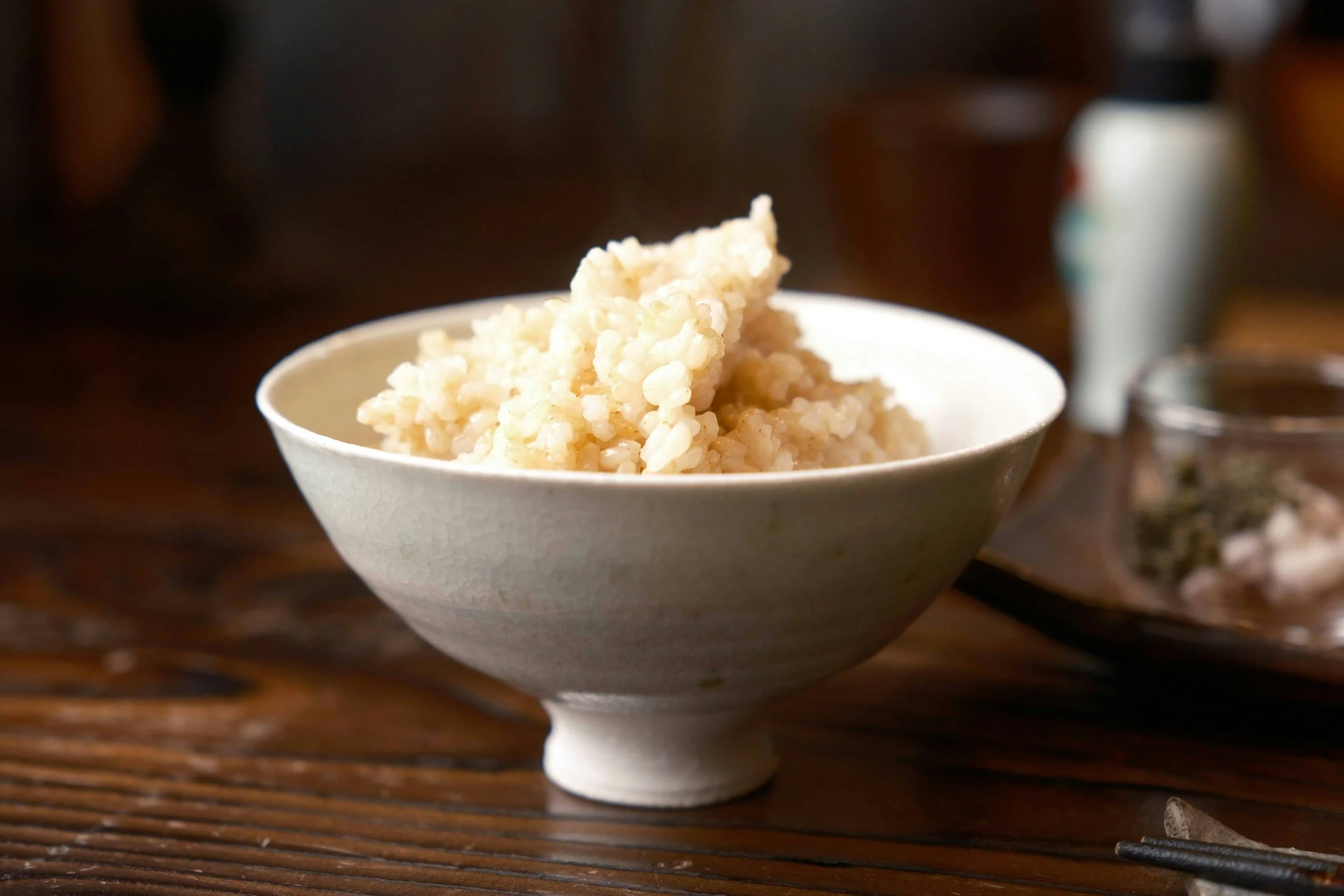
When it comes to feeding dogs, rice (whether brown or white) just isn’t at the top of my list. That said, I’m not totally anti-rice. But there are very few situations where rice or other grains might make sense for a short season—stretching the budget may be one or a very high performance dog may be another.
But for the typical healthy adult dog? I almost always steer pet parents toward a grain-free, fresh-food approach.
Brown Rice vs. White Rice: What’s the Difference?
Let’s break it down...
🟤 Brown Rice:
Less processed – it still contains the bran and germ.
More nutrients – higher in B vitamins, magnesium, manganese, and selenium.
More fiber – which sounds good but can be too harsh for dogs with sensitive or inflamed guts.
Higher in phytic acid – this compound binds minerals and can block absorption of key nutrients.
Higher arsenic content – especially when grown in contaminated soils (like in the southern U.S.).
⚪ White Rice:
Highly digestible – stripped of bran and germ, making it easier on sensitive tummies.
Lower in nutrients – mostly just starch and calories.
Lower arsenic levels – especially when properly rinsed and sourced wisely.
Preferred for short-term digestive support – like during illness recovery or soft stool episodes.
So, it’s not about which one is better—it’s about what your dog’s body can handle and what your goals are.
Make Rice Easier to Digest (If You Must Use It)
If you decide to use rice as part of your dog’s meal plan (especially brown rice), preparation matters:
Rinse thoroughly under running water to remove excess starch and contaminants.
Soak overnight in filtered water with a splash of raw apple cider vinegar or lemon juice. This helps neutralize phytic acid and improves mineral absorption.
Cook well – aim for soft, fully expanded grains. Use extra water if needed.
Cool before serving – many dogs do better with slightly cooled rice, especially if their digestion is sluggish.
When Might Rice Be OK in a Dog’s Diet?
Rice might be an acceptable addition for:
High-energy dogs needing a calorie bump (paired with plenty of protein)
Pet parents working with tight budgets
Dogs following therapeutic diets under professional guidance
But even in those cases, rice is just a filler—not a nutritional foundation.
Read More about why I don’t recommend rice for GI upset — you know the bland diet often recommended by others.
What to Feed Instead of Rice?
There are better carb options for dogs when needed—like:
Quinoa (higher protein and more mineral-rich)
Millet (soothing to the gut)
Pumpkin or sweet potato (whole food, low glycemic)
Fermented veggies (added fiber and probiotics)
Of course, your dog’s bowl should still center around:
Fresh animal protein
Organs
Healthy fats
Colorful veggies
Natural calcium sources
Rice just doesn’t bring much to the table nutritionally, especially compared to real, whole foods.
Need Help Customizing a Diet?
Let’s build something better than rice-based filler meals. Whether you’re dealing with a sensitive tummy, chronic health issue, or just want to upgrade from kibble, I’ve got plans to help.
💬 Let’s get your dog the personalized support they need
FDA Disclaimer
Statements in this blog have not been evaluated by the FDA. Educational content only. Not intended to diagnose, treat, cure, or prevent any disease.
Want even more resources, Q&A, and discussions on nutrition?
Don’t forget to join me on Facebook:
👉 https://facebook.com/groups/thewellfedk9