
Is Flaxseed Good for Dogs?
Flaxseed in Dog Food: Superfood or Just Super Hype?
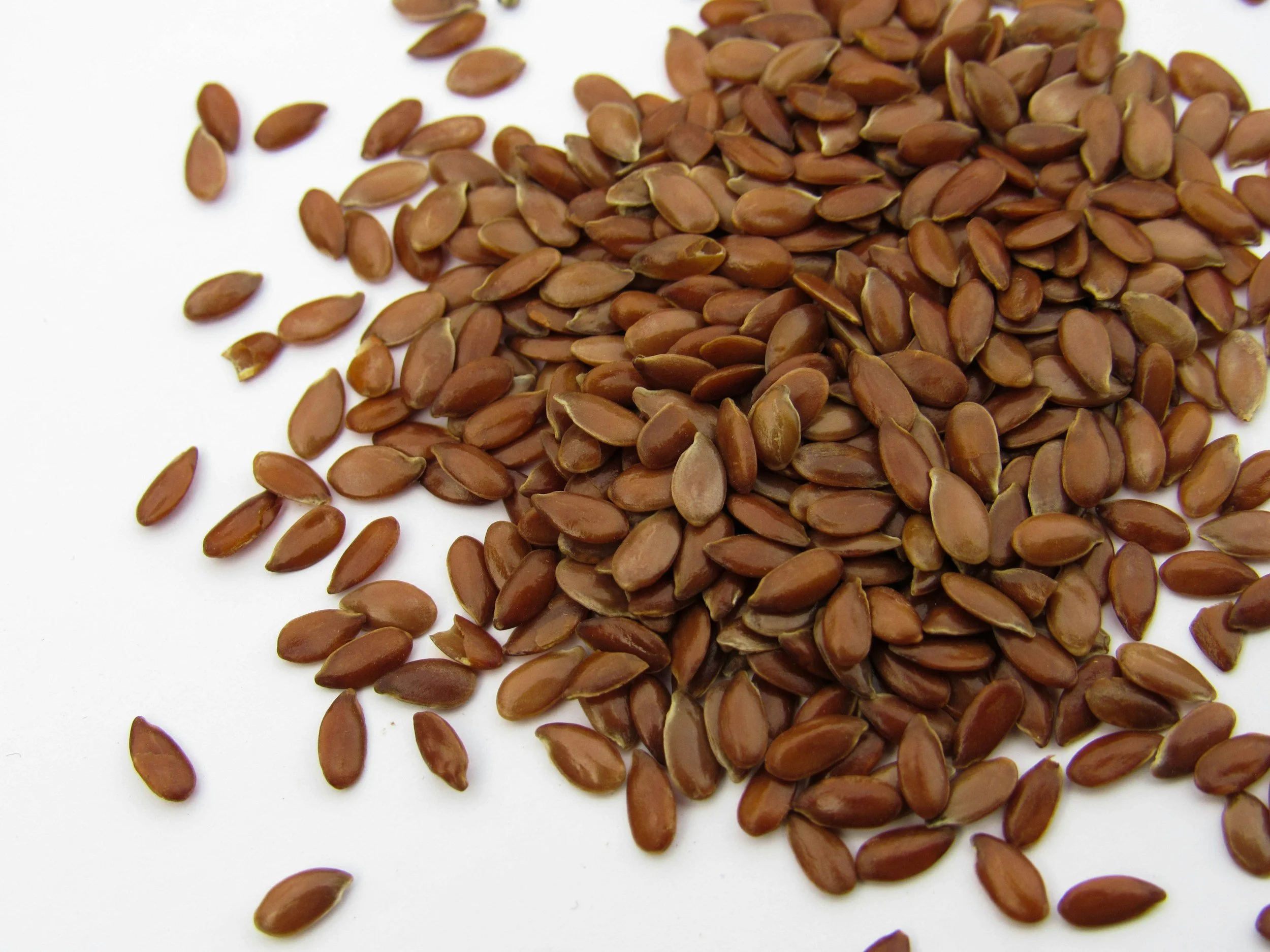
If you’ve ever flipped over a dog food label and spotted flaxseed, you may have felt a small sigh of relief. After all, it’s been marketed as a superfood for decades. But is flaxseed really doing your dog any good—or is it just another example of clever labeling and misunderstood nutrition?
Let’s break it down.
Flaxseed is the small, flat seed of the flax plant (Linum usitatissimum). It’s commonly used in human and animal diets because it’s rich in:
Alpha-linolenic acid (ALA) – a plant-based omega-3 fatty acid
Lignans – compounds with antioxidant properties
Fiber – both soluble and insoluble, which support digestion
In human nutrition, flaxseed is often promoted for heart health, hormone balance, and digestive regularity. It’s usually consumed ground, as whole seeds are poorly digested.
Flaxseed in Dog Food: Key Points
Why it's used: ALA source, fiber content, and texture binder
Problem: Dogs convert ALA to usable omega-3s (EPA/DHA) very poorly — <5%
Better options for dogs: Marine omega-3s (sardines, cod liver oil, green-lipped mussel)
What Is Flaxseed Doing in Dog Food?
There are a few reasons manufacturers include flaxseed in commercial dog food recipes:
Omega-3 Fat Source (ALA):
Flaxseed contains alpha-linolenic acid (ALA), a plant-based omega-3 fatty acid. In theory, ALA supports healthy skin, coat, joints, and immune function. But here’s the kicker—dogs aren’t great at converting ALA into the bioavailable forms they actually need: EPA and DHA.Fiber:
Flaxseed offers both soluble and insoluble fiber, which can help with stool bulk and gut motility. However, the fiber dogs benefit most from is fermented or prebiotic fiber from animal-based or fermented plant sources—not dry, ground seeds.Binding Agent:
In raw, freeze-dried, and baked foods, flaxseed can help hold the product together. Its natural mucilage creates a slightly sticky, binding texture.Marketing:
Let’s be honest—flaxseed sounds good. Pet parents looking for "clean" or "healthy" foods often associate flax with heart health, omega fats, and gut support. That’s why it’s plastered across ingredient panels... even when it does very little for your dog.
Here’s the Problem: Dogs Can't Use Flaxseed the Way We Think
Unlike humans, dogs lack sufficient delta-6-desaturase, the enzyme needed to convert ALA (plant-based omega-3) into EPA and DHA—the actual anti-inflammatory omega-3s that support cognitive, cardiovascular, and immune health.
Studies show the conversion rate is less than 5%, meaning almost none of the ALA gets turned into something your dog’s body can use.
That makes flaxseed a very inefficient way to boost omega-3s for dogs.
What Dogs Need Instead
For truly beneficial omega-3s, go to the source—the marine animal source:
Sardines or mackerel (whole or canned in water)
Fermented cod liver oil
Green-lipped mussel
Anchovy oil
These provide EPA and DHA in a form that is immediately available and usable by the body, with no enzymatic conversion required.
Flax Isn’t “Bad” — But It’s Overrated
Flaxseed isn’t dangerous in small amounts, especially if it’s not the main fat or fiber source. But it’s often overhyped, and it takes up space that could be filled with more biologically appropriate ingredients.
For example, dogs benefit far more from:
Animal-based fats like pastured egg yolks or beef tallow
Prebiotic-rich fermented vegetables
Marine omega-3s for inflammation and brain health
So while flaxseed may not hurt your dog, it probably isn’t doing much to help either.
Final Thought
When choosing dog food, don’t be fooled by trendy ingredients. Just because something is good for humans doesn’t mean it’s right for your dog. Flaxseed is a classic example of an ingredient that looks great on a label but doesn’t deliver where it counts.
If you’re working toward optimal health, longevity, and vibrant wellness in your dog, prioritize ingredients that your dog can actually digest, absorb, and thrive on.
"Statements in this blog have not been evaluated by the FDA. Educational content only. Not intended to diagnose, treat, cure, or prevent any disease."
When DIY Isn't Enough Already tried the basics? If this is happening with your dog and you're still stuck, I can help you figure out what deserves attention next. Want reliable education, live Q&A, and member resources? Explore Membership →
Request a Discovery Callback →