

Inflammaging in Dogs
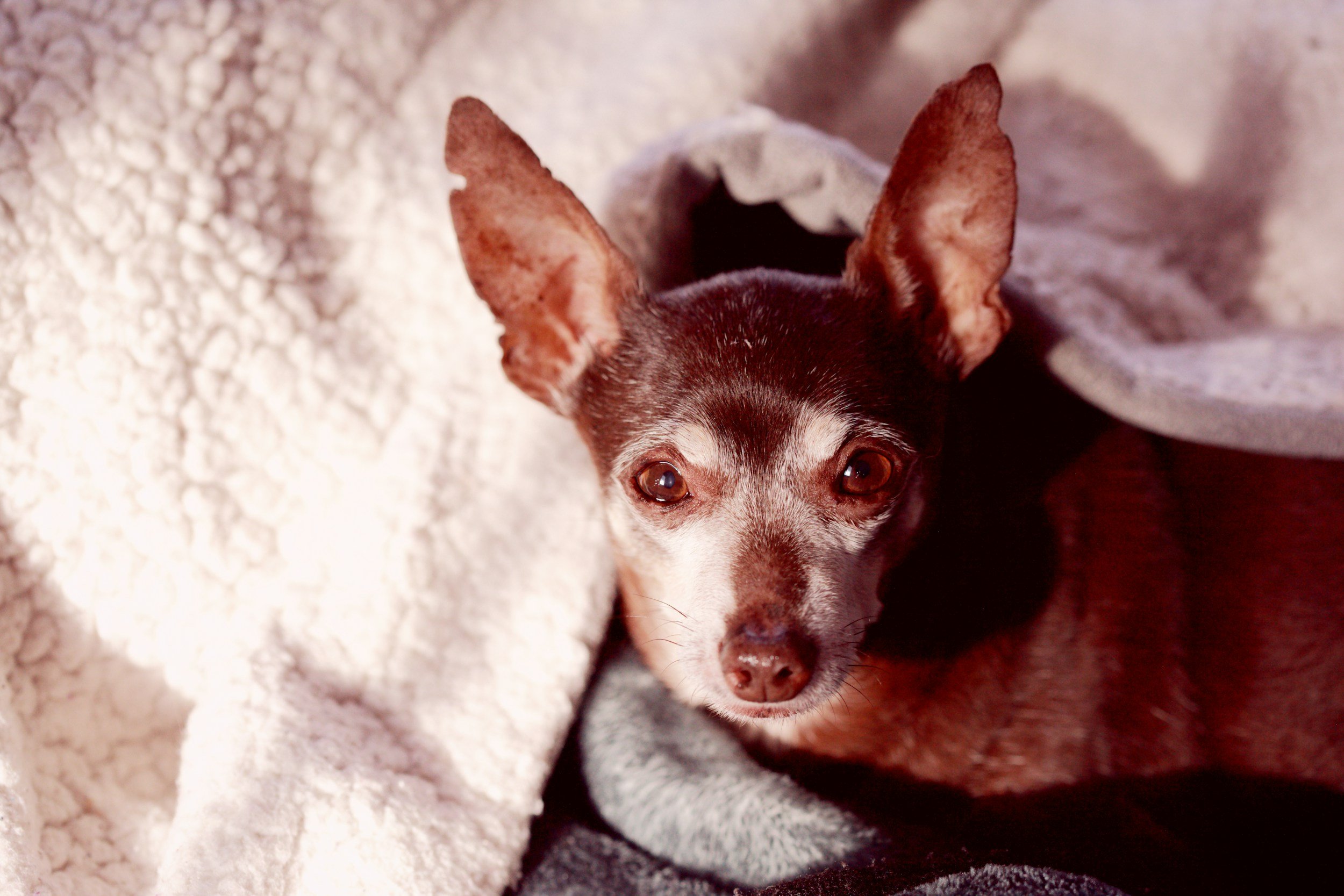
As our dogs get older, we often notice subtle changes—slower movement, digestive issues, maybe a little stiffness. But what if those changes were more than just “normal aging”? There’s a term for this process—inflammaging—and it may be silently affecting your dog’s vitality and long-term health.
Let’s break down what it is, what causes it, and how you can naturally support your dog’s body with food, movement, herbs, and other gentle tools.
What Is Inflammaging in Dogs?
Inflammaging combines inflammation and aging to describe chronic, low-grade inflammation that slowly builds over time—often without noticeable symptoms—until dysfunction or disease sets in.
This type of inflammation isn’t like a cut or infection that flares up and resolves. It’s systemic, long-term, and damaging at the cellular level, breaking down tissues, impairing detox pathways, and accelerating age-related changes.
How Inflammaging Happens
A few common contributors include:
Poor Diet & Gut Dysbiosis
Processed food, high-carb diets, and synthetic additives can lead to leaky gut and immune overactivation.Chronic Stress
Long-term emotional or physical stress (noise, confinement, training pressure) increases cortisol, fueling inflammation.Oxidative Stress
Free radicals from toxins, pollution, meds, and poor-quality food damage cells and contribute to aging.Mitochondrial Dysfunction
As cells age, their energy production declines—leading to more inflammation and less repair.Excess Body Fat
Visceral fat produces inflammatory cytokines that worsen degenerative changes. See Weight ManagementEnvironmental Toxins & Heavy Metals
Pesticides, flea/tick meds, cleaning supplies, and water contaminants stress the immune system.Unresolved Infections or Dental Issues
Chronic infections—especially in the mouth—can create a constant state of immune activation.
Search “seniors” to learn more about supporting your senior dog.
Conditions Linked to Inflammaging
Veterinarians may not always use the word inflammaging, but the signs are clear—many chronic illnesses have it at the root:
Joint stiffness or degeneration (often diagnosed as arthritis)
Confusion or disorientation in older dogs
Poor detoxification or changes in liver/kidney labs
Blood sugar imbalance or metabolic concerns
Immune dysfunction—itchy skin, gut flareups, or autoimmunity
Poor circulation or cardiovascular concerns
Cancer diagnoses with long-standing inflammation in the history
Certain breeds may be more prone—Labradors, Golden Retrievers, Shepherds, and senior toy breeds often experience early signs.
6 Ways to Reduce Inflammaging in Dogs (Naturally)
1. Optimize Nutrition
Focus on fresh, raw, or gently cooked foods—not processed kibble.
Reduce excess starches and carbs that feed gut imbalances.
Add anti-inflammatory foods like:
Omega-3-rich fish (sardines, salmon)
Blueberries, dark greens, and antioxidant-rich veggies
Bone broth for gut lining and joint support
Turmeric (with black pepper) for inflammation support
Use probiotics and fermented foods to nourish the microbiome.
Add functional mushrooms like Reishi, Turkey Tail, or Lion’s Mane for cellular support.
2. Reduce Toxin Exposure
Use natural grooming and cleaning products—skip harsh chemicals and fragrances.
Choose non-chemical flea/tick options like essential oil blends or herbal sprays.
Filter water to remove chlorine, metals, and contaminants.
Partner with a holistic vet to avoid overmedication—especially long-term steroids, NSAIDs, and antibiotics—when safe and appropriate.
3. Heal the Gut, Support the Immune System
Focus on repairing a leaky gut with gut-healing tools like:
L-Glutamine
Fulvic and humic acids (we love Beam Minerals)
Slippery elm or marshmallow root
Bovine colostrum for immune modulation and gut repair
4. Encourage Movement & Brain Engagement
Prioritize daily walks, swimming, or gentle exercise based on your dog’s needs.
Offer enrichment activities—snuffle mats, puzzle feeders, scent work.
Use massage and bodywork to promote lymphatic flow and joint comfort.
Older dogs need movement too—just at a slower pace.
5. Calm the Nervous System
Create safe routines—dogs thrive on consistency.
Use essential oils like lavender, frankincense, and chamomile to calm the mind and soothe the body.
Incorporate energy work—Reiki, Emotion Code, or acupressure—to shift trapped emotions and help the body rest, digest, and repair.
6. Boost Cellular & Antioxidant Health
Use gentle mitochondrial support:
Astaxanthin – powerful antioxidant
CoQ10 – heart and brain support
NAD+ precursors – cellular energy
Bring in herbs like:
Boswellia – brain and joint support
Milk thistle – detox and liver health
Ginger and turmeric – gut and immune function
Top 5 Things to Do Today to Minimize Inflammaging in Dogs
Ditch the kibble — go fresh with real food.
Add anti-inflammatory ingredients — omega-3s, mushrooms, antioxidants.
Support gut health — probiotics, colostrum, herbs.
Switch to non-toxic products — for cleaning, flea control, and filtered water.
Reduce stress gently — with routine, essential oils, movement, and energy work.
Inflammaging doesn’t have to be inevitable. With the right daily choices, your dog can age gracefully, stay vibrant, and live a long, healthy life—from nose to tail.
Want to go deeper with support for your dog through all life stages?
Reach out or Join me on Facebook, or join my members community.
Visit My Affiliate Links for curated quality products mentioned above!
https://welloiledk9.com/products
"Statements in this blog have not been evaluated by the FDA. Educational content only. Not intended to diagnose, treat, cure, or prevent any disease. Please do your own additional research, consult your vet as needed."
© 2025 Dana Brigman | Well Oiled K9 | All rights reserved.
Based in North Myrtle Beach, SC — offering local and virtual holistic wellness consultations for dogs nationwide.
Keywords: inflammaging in dogs, chronic inflammation, anti-inflammatory dog food, senior dog health, natural aging in dogs, gut health dogs, holistic dog wellness, essential oils for dogs, detox for dogs