
Adding Fresh Vegetables To Dog Kibble
How Adding Veggies to Kibble Can Boost Health and Longevity
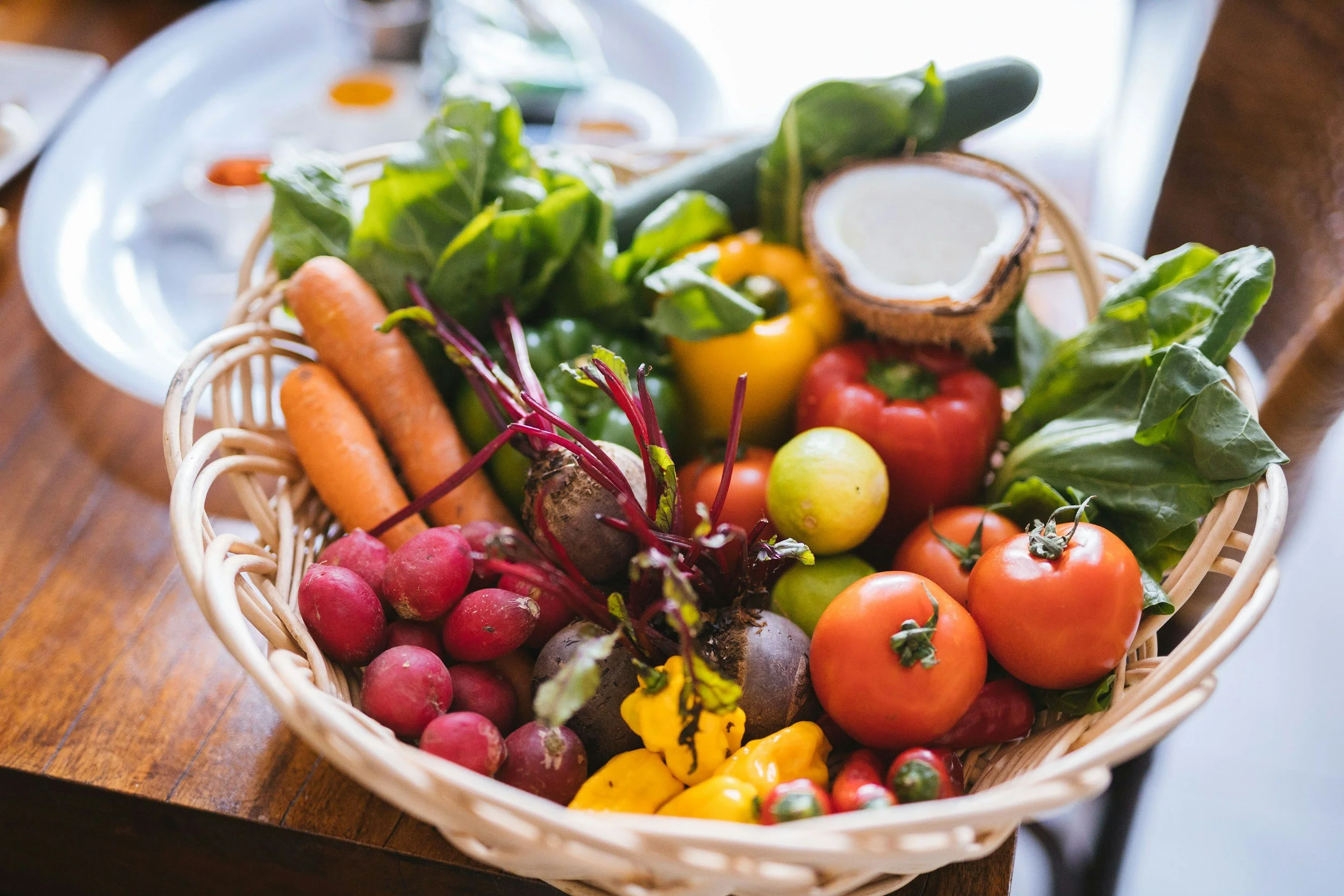
If you’ve been wondering how to make your dog’s kibble a little healthier, you’re not alone. Many pet parents are now adding small amounts of fresh, whole foods to the bowl — and one of the best places to start is with vegetables.
Adding fresh vegetables to kibble can support your dog’s immune system, digestion, and energy levels — and even help reduce long-term disease risks.
Why Add Fresh Vegetables to Your Dog’s Kibble?
Dogs benefit from real food just like we do. Even a small amount — up to 10–20% of the total daily intake — can make a difference.
Steamed or lightly cooked veggies are a great way to add natural vitamins, minerals, and antioxidants without throwing off the balance of your dog’s diet. This is especially important since most kibble diets rely on synthetic vitamins and minerals that your dog’s body may not fully absorb.
“In some cases we see an addition of up to 20% fresh leafy greens, reduce disease risk significantly. Some say as much as 70%”
Whole-food nutrition offers bioavailable nutrients that support:
Cellular repair and detoxification
Healthy gut bacteria and digestion
Immune resilience
Skin, coat, and joint health
Keep Nutrient Balance in Mind
A small portion of veggies in the bowl is wonderful — but adding large quantities or certain types (like calcium-heavy or high-fiber vegetables) could shift the nutrient balance over time.
You don’t have to balance every single meal perfectly, but you do want to stay mindful of balance across the week. When pet parents start adding larger amounts of food — especially meats — it’s important to review the math to ensure it’s nutritionally complete.
If you’re adding raw or cooked meats regularly, check out my blog: Why Feeding Raw Meat to Your Dog Might Not Be Working for insights into hidden pitfalls like excess fats, carcinogens from cooked meats, or imbalanced calcium-to-phosphorus ratios.
Thinking About Home-Prepared Meals?
If you’re considering a transition to home-cooked or raw meals, I’d love to help you build a plan that fits your dog’s unique needs. Balancing nutrients properly can prevent many of the long-term issues we see in dogs today.
See my guide: Common Home-Prepared Dog Food Mistakes
Keep It Simple — and Keep It Fresh
You don’t have to overhaul your dog’s diet overnight. Start small:
Rotate a few different vegetables each week (like zucchini, green beans, or broccoli).
Steam or lightly cook them for better digestion.
Avoid seasoning, salt, or oils.
Fresh vegetables are a simple, low-cost way to improve your dog’s health — one bowl at a time.
Read these suggestions on adding Fresh Vegetables To Your Dog’s Food
If you’d like personalized help choosing foods that match your dog’s age, lifestyle, and wellness goals, schedule a nutrition review and let’s create a plan together.
FDA Disclaimer: Statements in this blog have not been evaluated by the FDA. Educational content only. Not intended to diagnose, treat, cure, or prevent any disease.
Want even more resources, Q&A, and discussions on nutrition? Don’t forget to join me on Facebook: https://facebook.com/groups/thewellfedk9
When DIY Isn't Enough Already tried the basics? If this is happening with your dog and you're still stuck, I can help you figure out what deserves attention next. Want reliable education, live Q&A, and member resources? Explore Membership →
Request a Discovery Callback →