Why Dog Dogs Eat Poop
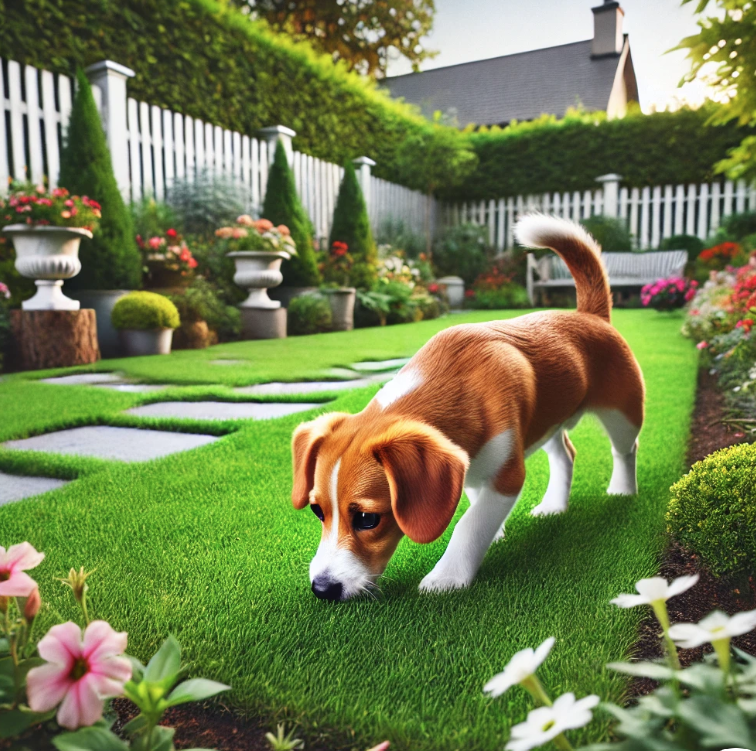
Understanding Coprophagia in Dogs
You turn around for two seconds, and your dog is helping himself to something that was definitely not on the menu.
Yes, it is gross. It is also surprisingly common.
The technical term for eating poop is coprophagia. Some dogs eat their own stool, while others seek out poop from other dogs, cats, rabbits, deer, horses, or just about any creature willing to leave a sample behind.
Poop eating can be a puppy phase, a learned behavior, a stress response, or a sign that something deeper is happening with your dog’s digestion, diet, appetite, or overall health. Before reaching for a deterrent powder, we need to ask why your dog is doing it.
See your vet for a diagnosis and then you and I can collaborate on a custom strategy for your dog’s health.
Is It Normal for Dogs to Eat Poop?
Coprophagia is common, particularly in puppies and nursing mothers.
Mother dogs naturally clean their puppies and the nesting area by consuming their waste. Puppies may imitate their mother, investigate stool out of curiosity, or simply put it in their mouths because puppies make questionable life choices.
Many puppies grow out of the behavior. When poop eating continues into adulthood, begins suddenly, or is accompanied by excessive hunger, weight loss, diarrhea, vomiting, poor stool quality, or other changes, it deserves a closer look.
Why Do Dogs Eat Poop?
There is rarely one universal explanation. Two dogs may have the same unpleasant habit for completely different reasons.
Poor Digestion or Nutrient Absorption
A dog may be eating enough food but not breaking it down or absorbing it properly.
Undigested food particles can remain in the stool, making it smell more like food than waste to the dog. Conditions involving maldigestion or malabsorption may also leave a dog unusually hungry even when the food bowl is not empty.
Digestive concerns to investigate may include:
Exocrine pancreatic insufficiency, also called EPI
Inflammatory bowel disease or chronic intestinal inflammation
Intestinal parasites
Microbiome imbalance
Poor-quality or highly processed food
Inadequate digestive enzyme production
Liver, gallbladder, or pancreatic dysfunction
Chronic diarrhea or unusually large stools
Dogs with malabsorption can experience weight loss despite a strong or even ravenous appetite, and some may develop coprophagia or other forms of pica. That is not simply a training problem.
When stool remains chronically loose, bulky, greasy, unusually pale, or full of visible food, the digestive system deserves a closer look. Start with Dog Gut Health and Microbiome Support to understand how digestion, immune function, inflammation, and nutrient absorption are connected.
An Incomplete or Poorly Matched Diet
Coprophagia is often blamed automatically on a vitamin or mineral deficiency. The connection is not always that simple, and many well-fed dogs still eat poop.
However, the diet should absolutely be reviewed.
A bowl can meet minimum nutritional standards on paper and still be a poor fit for the individual dog. Food quality, digestibility, protein quality, feeding amount, calorie needs, digestive capacity, and the dog’s health history all influence how well nutrients are actually used.
Questions I would ask include:
Is your dog receiving enough food for their activity level and ideal weight?
Is the diet balanced?
Is most of the diet highly processed?
Does your dog pass large, soft, greasy, unusually pale, or poorly formed stools?
Has your dog recently lost weight or muscle?
Is your dog constantly hungry?
Does the stool contain visible pieces of undigested food?
Has the diet changed recently?
This is where a nutrition review can uncover gaps that a generic “add a vitamin” recommendation may miss.
The front of the dog food bag is marketing. The ingredient panel tells us far more. My article on dog food ingredients can help you identify highly processed ingredients, vague protein sources, fillers, synthetic nutrients, and other reasons the bowl may not be working as well as you think.
Fresh food does not automatically fix coprophagia, but improving food quality and digestibility may help when the current diet is part of the problem. Read Why Fresh Food Helps Dogs Heal for a deeper look at why usable nutrition gives the body more to work with.
Intestinal Parasites
Parasites can interfere with digestion, damage the intestinal lining, and compete for nutrients. Some dogs with parasites become hungrier, lose weight, develop diarrhea, or begin scavenging.
A routine fecal test may be appropriate, especially if your dog eats the stool of unfamiliar dogs or wildlife. One negative sample does not always rule out every parasite because organisms and eggs may not be shed consistently. (See Affordable Pet Labs on my affiliate page)
Health Conditions That Increase Hunger
Anything that creates excessive hunger can increase scavenging and poop eating.
Potential contributors include:
Diabetes
Cushing’s disease
EPI
Intestinal disease
Malabsorption
Thyroid or metabolic changes
Certain medications, including corticosteroids
Canine cognitive dysfunction in senior dogs
A sudden change in appetite or behavior should not be dismissed as your dog “being disgusting.” Your dog may be communicating the only way he knows how.
Puppy Curiosity and Scavenging Instincts
Dogs explore the world with their noses and mouths. Puppies are particularly willing to sample first and reconsider later.
Stool from cats, rabbits, horses, and other animals may smell appealing because it can contain undigested fats, protein, plant material, or other food residue. Dogs do not share our moral outrage about the buffet selection.
Stress, Anxiety, or Isolation
Some dogs eat poop when they are stressed, confined for long periods, under-stimulated, or left alone in an area with their waste.
The behavior may become repetitive or self-reinforcing. Once the dog discovers that poop is available, interesting, and gets a dramatic reaction from the human, it can become a well-practiced habit.
Look at when the behavior occurs:
Only when your dog is left alone
After stressful events
In a kennel or confined area
When household routines change
Around other dogs
When exercise and enrichment are limited
The timing often gives us more useful information than the behavior itself.
Past Punishment or Resource Guarding
A dog who has been punished for having an accident may learn that poop creates conflict. Some dogs begin eating it to remove the evidence before the human sees it.
Chasing, yelling, grabbing the dog, or forcing his mouth open can also turn stool into a guarded resource. The dog may learn to swallow it faster because he expects you to take it away.
Now you are not only dealing with coprophagia. You are dealing with speed eating, avoidance, anxiety, or resource guarding around poop.
Learned Behavior
Dogs may copy other dogs in the household. They may also learn that eating poop gets an immediate response from their person.
Even negative attention can reinforce behavior. From the dog’s point of view, grabbing poop may instantly start an exciting game of chase featuring shouting, flailing arms, and a highly motivated human.
Can Eating Poop Make a Dog Sick?
Eating a small amount of the dog’s own stool may not always cause illness, but coprophagia is not risk-free.
Stool can expose dogs to:
Intestinal parasites
Harmful bacteria
Viruses
Medication residues
Toxins or chemicals
Cat litter or foreign material
Gastrointestinal irritation
The risk is greater when the stool belongs to another dog, wildlife, livestock, or a cat taking medication.
Your dog can also carry fecal organisms on his mouth and then generously share them with the family. You may want to postpone the face kisses.
How to Stop a Dog From Eating Poop
The best strategy depends on why the behavior is happening. A taste deterrent will not correct EPI, chronic hunger, stress, or a poorly digested diet.
Rule Out Medical Causes
Begin with a veterinary examination if the behavior is new, persistent, or accompanied by other symptoms.
Testing may include:
A fecal test
Bloodwork
Urinalysis
Pancreatic function testing
Evaluation for intestinal disease
Review of medications
Review of weight, muscle condition, and appetite
Seek veterinary attention sooner if you also notice weight loss, vomiting, chronic diarrhea, a swollen abdomen, weakness, excessive thirst, excessive urination, poor coat quality, or a dramatic increase in hunger.
Review the Entire Diet
Do not look only at the name printed on the food bag. Look at everything your dog consumes:
Meals
Treats
Chews
Toppers
Table scraps
Oils
Supplements
Calorie intake
Protein quality
Feeding schedule
A fresh-food diet or the thoughtful addition of fresh foods may improve digestibility and nutrient availability for some dogs. The correct strategy depends on the dog, particularly when pancreatitis, kidney disease, liver disease, food intolerance, IBD, or another diagnosis is involved.
Support Digestion When Appropriate
Digestive enzymes may help some dogs break down protein, fat, and carbohydrates more efficiently. They should not be treated as a universal cure for poop eating, but they may be useful when poor digestion is part of the bigger picture.
Gut support may also involve food changes, microbiome restoration, pancreatic support, bile flow, intestinal lining support, or addressing chronic inflammation.
Read more:
Consider Fermented Foods Carefully
I may use a small amount of plain fermented food, such as sauerkraut, as a food-based source of beneficial microbes for an appropriate dog before immediately reaching for another supplement.
However, fermented foods are not suitable for every dog. Dogs with histamine sensitivity, SIBO-type symptoms, significant inflammation, certain digestive conditions, or poor tolerance may become worse rather than better.
“Add a probiotic” sounds simple. The gut rarely reads the marketing brochure.
Clean Up Immediately
Management is not glamorous, but it works.
Pick up stool promptly in the yard. Keep litter boxes inaccessible. Supervise dogs around livestock, wildlife droppings, and communal dog areas.
For a dog who eats his own stool immediately, keep him on leash during bathroom breaks. As soon as he finishes, calmly guide him away, reward him generously, and then remove the stool.
Every successful poop snack rehearses the habit. Preventing access gives you room to teach a different response.
Teach a Reliable Leave-It Cue
A strong Leave-It cue teaches your dog that the item is unavailable—not that he should circle back and grab it when you stop looking.
Practice with low-value items before expecting your dog to ignore something he finds highly rewarding. Reward disengagement rather than chasing or wrestling with him.
Learn how I teach it here: How to Teach Leave-It
Avoid Punishment
Do not punish your dog for eating poop or for having an accident.
Punishment can increase anxiety, encourage the dog to hide the behavior, create resource guarding, or teach him to swallow the evidence faster.
Stay calm, interrupt without drama, redirect, reward the correct choice, and clean up. Your dog is not doing this to personally offend you, although I understand that it can feel targeted when he immediately tries to kiss you.
Add Physical Exercise and Mental Enrichment
A bored dog will create his own hobbies. You may not approve of the hobby he selects.
Helpful outlets may include:
Sniff walks
Appropriate chewing
Food searches
Foraging activities
Puzzle toys
Short training sessions
Play with compatible dogs
More time outside the kennel
Calm social interaction
Predictable daily routines
Foraging and sniffing allow dogs to engage in normal canine behavior. The goal is not merely to exhaust the dog but to give his brain something more appropriate to do.
Address Stress and Confinement
A dog repeatedly left in a small area with his waste may learn to eat it. More frequent bathroom breaks, additional freedom, improved crate routines, enrichment, and addressing separation distress may be necessary.
If the behavior happens only during your absence, consider using a camera. You may discover pacing, vocalizing, inability to settle, or other signs of anxiety that were previously missed.
Be Realistic About Poop-Eating Deterrents
Commercial deterrents are added to food with the goal of making the resulting stool less appealing. Results are inconsistent, and they only affect the stool of the animal eating the product.
They will not stop your dog from eating rabbit poop, deer poop, cat poop, or the neighbor dog’s poop.
Pineapple and pumpkin are commonly recommended as home remedies, but there is little reliable evidence that either consistently stops coprophagia. Pumpkin may support stool quality when it is appropriate for the dog, but it should not be presented as a guaranteed poop deterrent. Taste-based products are also often ineffective when used alone.
Look at the Whole Dog
When I evaluate coprophagia, I am not looking for one magical supplement. I want to know:
Your dog’s age, breed, and size
When the behavior started
Whose poop your dog eats
Whether it happens immediately or later
Diet and treat history
Feeding amount
Stool size, color, odor, and consistency
Appetite and weight changes
Current medications and supplements
Previous antibiotics or steroids
Parasite history
Digestive symptoms
Stress patterns
Time spent alone or confined
Other diagnoses
Recent lab trends
TCVM may also help identify patterns involving digestive weakness, deficiency, dampness, heat, stress, or stagnation. Muscle testing may help guide tolerance and direction in sensitive or complicated dogs.
Experience helps us ask better questions and avoid wasting time on random product guessing.
When Should You See Your Veterinarian?
Make an appointment when poop eating:
Begins suddenly in an adult or senior dog
Becomes frequent or obsessive
Occurs with weight loss
Occurs with excessive hunger or thirst
Accompanies chronic diarrhea or vomiting
Develops after starting medication
Occurs with weakness or reduced muscle
Involves blood, black stool, litter, toxins, or foreign material
Is accompanied by confusion or other behavioral changes
Veterinary care is especially useful for diagnostics, identifying parasites, evaluating pancreatic or intestinal function, and ruling out metabolic disease.
Once we understand what is—or is not—happening medically, we can build a more useful nutrition, digestion, microbiome, behavior, and lifestyle strategy around your individual dog.
Your Next Steps
Start with the basics:
Schedule a veterinary evaluation when the behavior is new or accompanied by other symptoms.
Pick up waste immediately and supervise bathroom breaks.
Review the diet, calorie intake, digestion, appetite, and stool quality.
Teach a reliable Leave-It cue without punishment.
Address boredom, confinement, and stress rather than relying only on deterrent products.
Poop eating may be common, but that does not mean you have to accept it—or keep buying pineapple and hoping for a miracle.
As a Holistic Canine Health Practitioner, I can help you look at your dog’s food, digestion, microbiome, health history, behavior, and daily environment to identify the patterns generic advice may be missing.
Try Gussy’s Gut:
Dogs who eat poop often suffer from poor gut health, which is commonly misdiagnosed as allergies or nausea. While higher quality foods or supplements may offer temporary relief, the underlying issue is frequently related to their microbiome. Studies have shown that a dog’s gut health, influenced by fermented foods, is key to their energy, coat quality, and overall well-being. Fermented foods, a vital part of dogs' ancestral diets, improve nutrient absorption and support a balanced microbiome. Gussy’s Gut, a fermented superfood formula, helps restore gut health naturally and effectively—just sprinkle it over your dog’s food. Try it risk-free with a trial pack! https://gussysgut.pxf.io/k0dZz3
Give Saurkraut a try for probiotics for a few weeks before supplementing.
Supporting Resources
why do dogs eat poop | dog eating poop | coprophagia in dogs | how to stop a dog from eating poop | why does my dog eat his own poop | puppy eating poop | dog eating cat poop | digestive problems in dogs | nutritional deficiencies in dogs | digestive enzymes for dogs | dog gut health | probiotics for dogs | dog behavior problems | teach a dog leave it | poop eating deterrents |
When DIY Isn't Enough Already tried the basics? If this is happening with your dog and you're still stuck, I can help you figure out what deserves attention next.
Request a Discovery Callback →