
Physical Techniques to Calm an Anxious Dog
You can’t out-train a nervous system that feels unsafe.
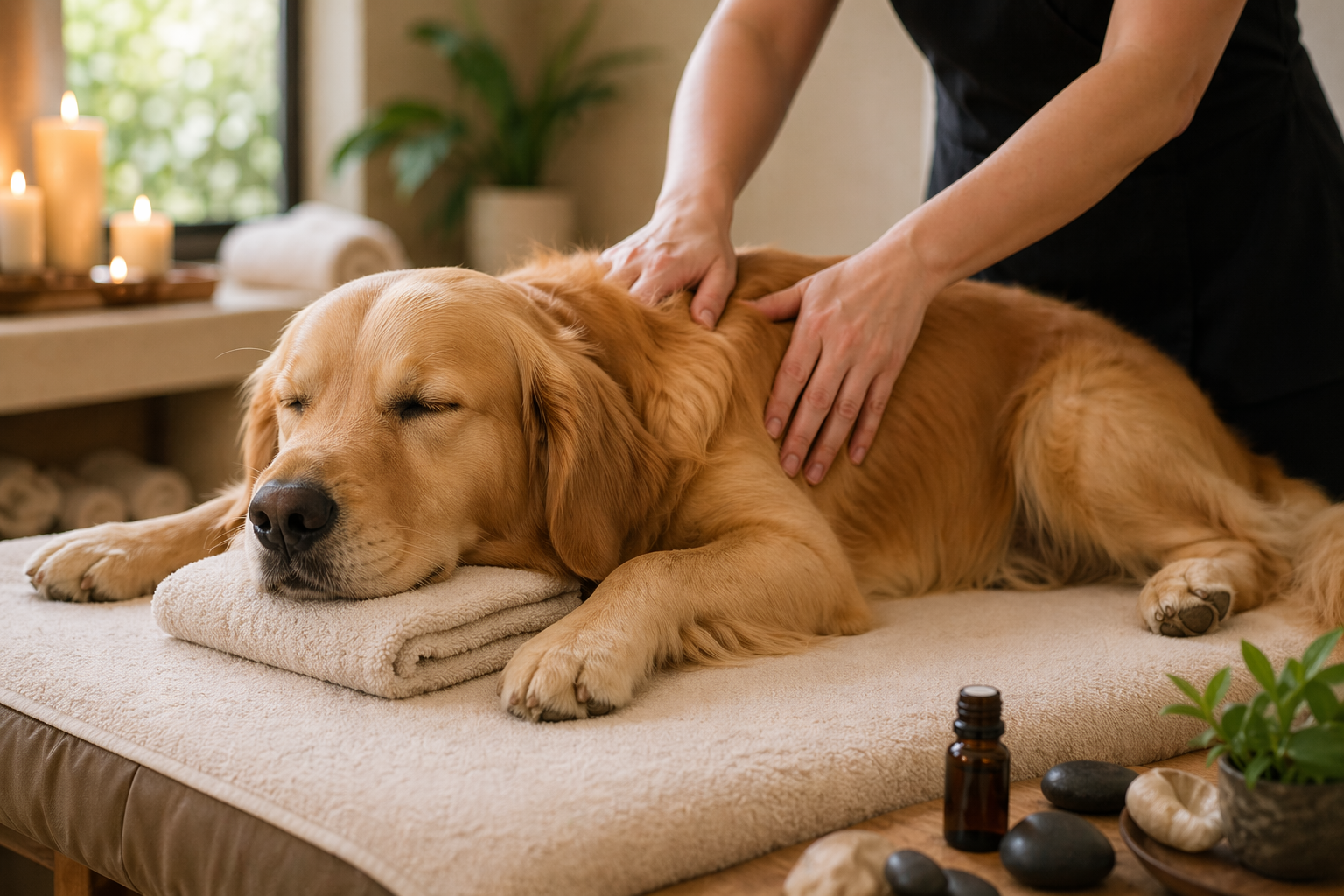
I’ve worked with a lot of anxious dogs over the years… and what most pet parents are told to do doesn’t go deep enough. More commands. More exposure. More control.
But if your dog’s body is stuck in a stress response, behavior is just the output.
So instead of trying to fix the behavior first… we shift the body.
Because when the body settles, the mind follows.
What’s Really Going On With Anxious Dogs
Anxiety isn’t just “nerves” or “bad behavior.”
It’s a physiological state.
When a dog feels unsafe internally, you’ll often see:
Reactivity on walks
Barking or over-alertness
Pacing or inability to settle
Clinginess or the opposite — shutting down
Trouble sleeping deeply
This isn’t stubbornness.
It’s a dog operating in survival mode.
Start With the Foundation (Before You Even Touch Your Dog)
Hands-on techniques work best when the basics are already in place:
A calm, steady presence from you (they feel everything)
A safe, predictable environment
Positive reinforcement instead of pressure
Daily movement and decompression (sniff walks count)
Mental engagement and low-pressure learning
This is where real change starts.
Then we layer in bodywork.
Why Touch Works So Quickly
Certain areas of the body are directly connected to calming pathways in the nervous system.
When you use slow, intentional touch, you can help shift your dog out of that “on edge” state and into something more regulated.
You’ll know it’s working when you see:
Slower breathing
Softening eyes
Yawning or blinking
Muscles releasing
That full-body exhale
That’s not random… that’s the nervous system settling.
5 Simple Techniques You Can Start Using Tonight
Keep this simple. You don’t need perfect technique — you need consistency and awareness.
Chest Circles (a go-to for fast calming)
This area is highly responsive and often holds a lot of tension.
Place your hand over the center of the chest (not the throat)
Make slow, small circles
Use gentle, steady pressure
Match your rhythm to a slow breath
This is one of the quickest ways to see a visible shift.
Ear Slides
The ears are deeply connected to calming responses.
Hold gently at the base of the ear
Glide your fingers slowly to the tip
Repeat in a smooth, steady rhythm
You’ll often see the body soften pretty quickly here.
Neck to Tail Glide
Great for dogs holding tension along the spine.
Use a flat hand
Move slowly from neck to tail
Keep your pace steady and unhurried
Think of it as smoothing out built-up tension.
Jaw Hold
This area holds more stress than most people realize.
Lightly support under the jaw or along the cheeks
Keep pressure minimal and steady
Let them lean in, don’t force it
If your dog has known dental issues, skip this for now. And if they suddenly pull away or seem sensitive here, take that as a clue — there may be something going on in the mouth you weren’t aware of.
Rib Cage Compressions
Helpful for dogs that feel scattered or overstimulated.
Place hands on each side of the rib cage
Apply gentle, steady pressure (not squeezing)
Hold briefly, then release
This can help create a sense of grounding.
What to Watch For (Your Dog Will Tell You Everything)
Don’t follow a script… follow your dog.
Pay attention to:
Leaning in vs. pulling away
Softening vs. tension
Breathing changes
Subtle release signals
And here’s something most people miss…
Areas your dog doesn’t like touched are just as important.
Those spots can point to:
Physical discomfort
Tight or overworked areas
Stored stress patterns
That’s valuable information — not something to push through.
This Is Where Essential Oils Make a Huge Difference
These techniques are powerful on their own…
…but when you pair them with essential oils, you take it to another level.
You’re supporting:
The physical body (muscles, tension, circulation)
The emotional state (calming, grounding)
The nervous system (regulation and recovery)
This is why I use oils alongside bodywork all the time.
Applied correctly, they can:
Deepen relaxation
Help the body release tension faster
Support emotional balance
Reinforce the safety your dog is starting to feel
It’s not either/or.
It’s layering support in a way the body actually understands.
Don’t Skip the Bigger Picture
If your dog lives in a constant state of anxiety, this isn’t just about calming techniques.
You also want to look at:
Nutrition (this is a big one)
Gut health and inflammation
Hormonal balance
Sleep quality
Daily stress load
Because the goal isn’t just to calm your dog in the moment…
It’s to help them live in a more regulated state overall.
Top 5 Things You Can Do Starting Today
Slow down your interactions — your energy sets the tone
Add 5–10 minutes of gentle bodywork daily
Watch your dog’s responses instead of forcing techniques
Support decompression with sniff walks and downtime
Start thinking beyond training — look at the whole dog
If you try this tonight, don’t overthink it.
Pick one technique. Stay calm. Pay attention.
And watch what your dog shows you.
When DIY Isn't Enough Already tried the basics? If this is happening with your dog and you're still stuck, I can help you figure out what deserves attention next.
Request a Discovery Callback →