
Non-Toxic Yard and Pest Control for Dogs
A Safer Way to Enjoy the Outdoors
If you’ve ever watched your dog roll in the grass or nap under the shade tree and thought, “I hope that lawn spray isn’t toxic,” — you’re not alone.
More pet parents are realizing that conventional lawn care and pest control products can quietly harm their dogs’ health over time. From chemical fertilizers and weed killers to “pet safe” pest sprays, many contain ingredients that linger in the soil and inside your dog’s body.
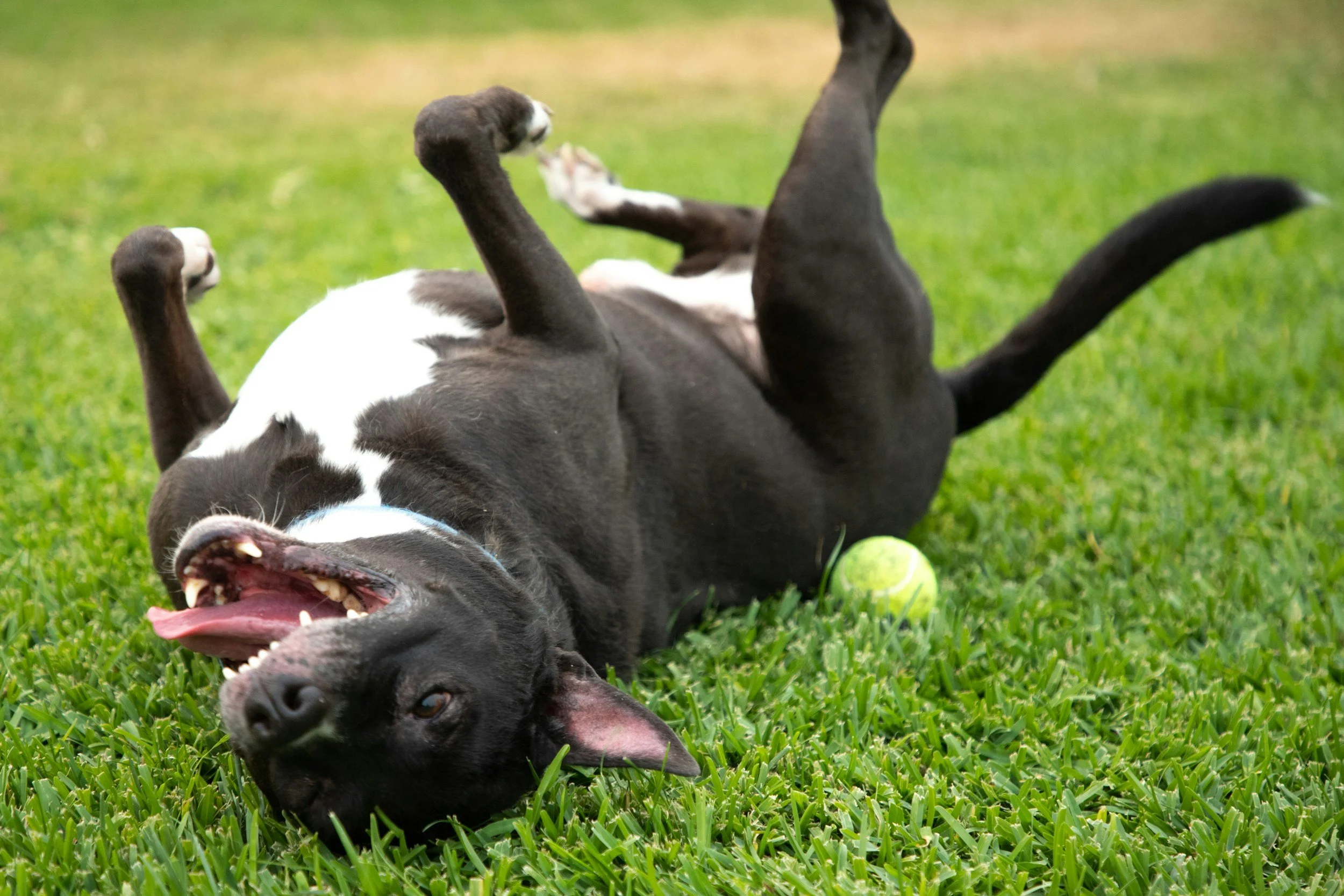
Let’s talk about what’s really happening in your yard — and how to make it a safe haven again.
The Hidden Dangers in “Pet Safe” Labels
Here’s the hard truth: “pet safe” doesn’t always mean non-toxic.
Many lawn care products are labeled “pet safe” simply because they dry quickly, or because the manufacturer tested short-term exposure without observing long-term health effects. But dogs don’t just walk across your lawn — they lick paws, roll in grass, and ingest residues day after day.
So, even if the package says “safe once dry”, that doesn’t mean it’s safe for your dog’s liver, hormones, or nervous system long-term. Remember, we tell you all the time, chemicals compound and create an unnecessary burden on your dog’s liver, kidneys and overall health. To me, these products just mean it’s safe “today” — and won’t make your dog sick immediately. No one really tells you about accumulation and liver burden. (Your yard guy nor their company are taught this).
Even so-called natural fertilizers can be risky.
Bone meal and blood meal fertilizers can attract dogs to dig or eat treated soil — which can cause dangerous blockages or bacterial contamination.
Iron-based products (often in “pet safe” lawn feeds) can cause vomiting and liver distress if ingested.
Cocoa mulch smells great but contains theobromine — the same compound that makes chocolate toxic to dogs.
Before trusting any “safe for pets” claim, flip that label around. Look for full ingredient lists and research each one — or reach out to me for help evaluating your lawn care choices.
What’s in Common Yard and Pest Products
Many lawn care and pest control companies still use synthetic chemicals that can cause harm even in trace amounts:
Glyphosate (RoundUp) – linked to cancer and gut microbiome disruption.
2,4-D and Dicamba – common weed killers that impact liver and hormonal balance.
Permethrin and Pyrethroids – insecticides that can cause tremors and seizures.
Organophosphates – potent nerve agents with long-term neurological risks.
These chemicals don’t just vanish after spraying. They can remain active in the soil, cling to fur, and track into your home.
How to Create a Non-Toxic Yard
You can absolutely maintain a beautiful lawn and pest-free yard without resorting to toxic chemicals.
1. Natural Lawn Care
Use organic compost, seaweed-based fertilizers, or compost tea instead of synthetics.
Overseed to crowd out weeds.
Mow higher and water deeply to strengthen root systems naturally.
Skip the lawn “greener” sprays — those are often nitrogen-heavy chemical boosters.
2. Beneficial Nematodes: Nature’s Pest Patrol
Beneficial nematodes are microscopic worms that live in soil — and they’re one of nature’s best pest control solutions.
They target and destroy the larvae of fleas, ticks, grubs, and other soil-dwelling pests before they ever mature.
Here’s why they’re a fantastic non-toxic option for pet parents:
Completely safe for pets, people, and pollinators.
Effective for flea prevention in shaded or sandy areas where dogs love to rest.
Biodegradable and self-sustaining — once introduced, they multiply naturally in healthy soil.
You can apply nematodes by mixing them with water and spraying onto damp soil during early morning or evening hours. Just keep the soil moist for the next few days so they can settle in.
3. Repel Pests Naturally
Essential oils like cedarwood, citronella, lemongrass, peppermint, and geranium are powerful natural repellents.
Neem oil can deter fleas, ticks, and mosquitoes safely.
Diatomaceous earth (food grade) helps dry out and eliminate fleas, ants, and mites naturally — sprinkle lightly along yard edges or kennels.
Cedar chips around garden borders repel ticks and provide a natural fragrance.
4. Encourage a Balanced Ecosystem
Healthy soil and biodiversity keep pests in check.
Invite beneficial insects like ladybugs and lacewings.
Grow herbs like rosemary, basil, thyme, and lavender near walkways or patios.
Avoid overwatering or standing water — it attracts mosquitoes.
5. Detox After Exposure
If your dog has been exposed to chemical fertilizers or sprays, you can still help the body recover.
Feed a fresh, whole food diet to strengthen detox organs.
Add gentle liver-supportive herbs like milk thistle and dandelion.
Fulvic and humic minerals support natural toxin removal and hydration.
Essential oils such as lemon and frankincense may assist cellular repair and drainage.
These are all discussed step-by-step inside my Detox & Drainage Protocols.
Keeping Your Dog’s Yard Truly Dog-Friendly
At the end of the day, our dogs trust us to make their world safe — and that starts right in the backyard.
By choosing non-toxic care and nature-based pest control, you’re not only protecting your dog but also helping the earth heal.
If you’d like personalized guidance on safe yard care, natural repellents, or detox protocols, I’d love to help.
👉 Submit an inquiry and let’s see what I can do to help. No obligation — your callback is free:
https://welloiledk9.com/questionnaire
Top 5 Things to Do Today
Stop using “pet safe” synthetic fertilizers — most aren’t truly non-toxic.
Introduce beneficial nematodes to naturally control fleas and soil pests.
Add herbs and essential oils to create a natural pest-repellent barrier.
Use food-grade diatomaceous earth in shaded or sandy dog zones.
Explore my Well Oiled K9 Community Forum for product lists and full protocols.
Visit my Amazon Store for suggested products or let me know if I can help you with oils!
When DIY Isn't Enough Already tried the basics? If this is happening with your dog and you're still stuck, I can help you figure out what deserves attention next.
Request a Discovery Callback →