

Idiopathic Head Tremors in Dogs
When Your Dog’s Head Starts Bobbing…
You’re curled up on the couch with your dog, when suddenly their head begins moving rhythmically — a steady bobbing or shaking, almost like they’re saying “yes” or “no.” They’re awake, their eyes are alert, and they respond if you call their name.
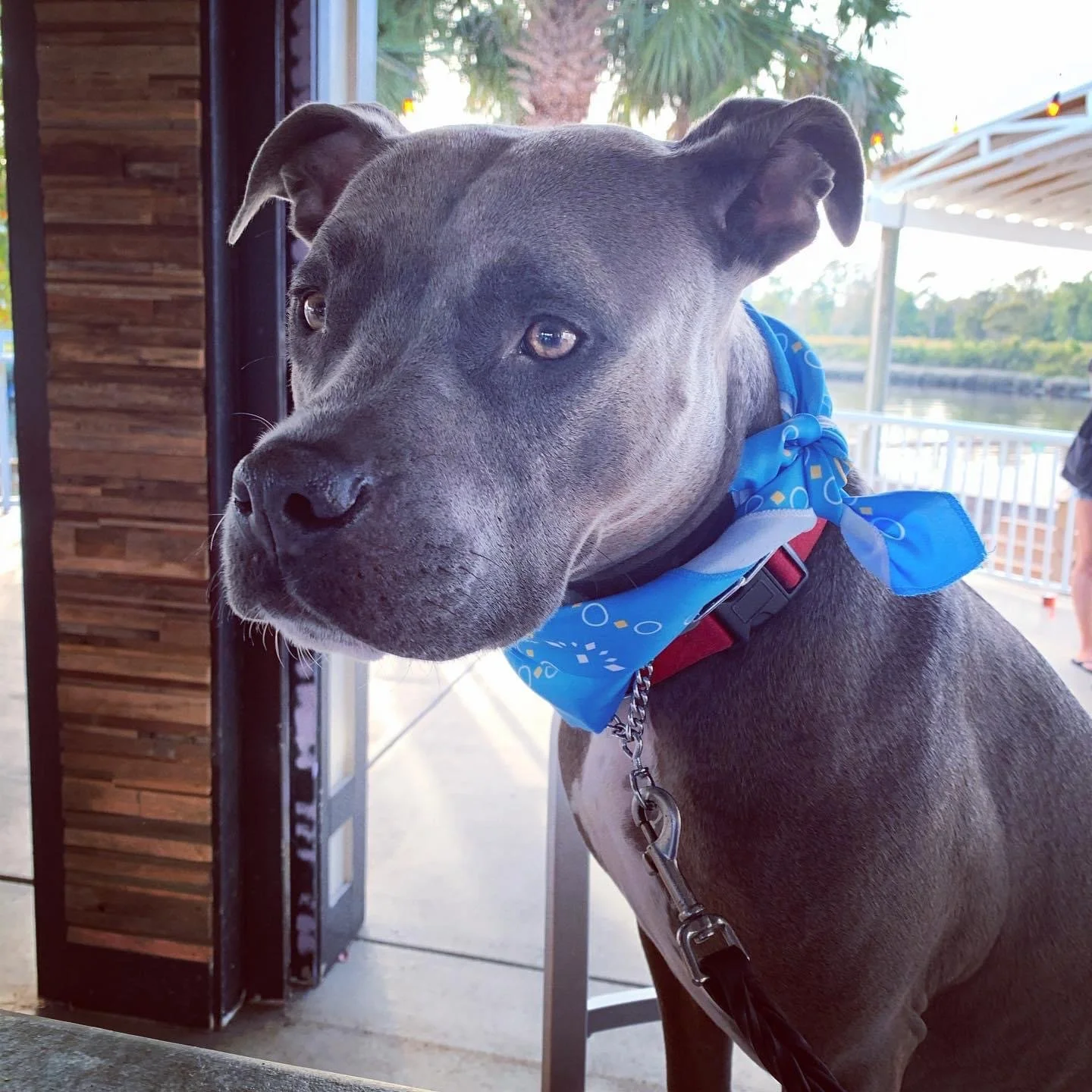
It’s terrifying the first time you see it. Many pet parents worry, “Is my dog having a seizure?” In reality, what you may be witnessing is something called Idiopathic Head Tremor Syndrome (IHTS) — also known as Head Shaking Syndrome.
Consult your vet for an offical diagnosis and ensure that this isn’t something more serious in the neurological system.
What It Is
Idiopathic Head Tremors are involuntary movements of the head, most often seen in young to middle-aged dogs.
“Idiopathic” means the cause is unknown.
Episodes are short, lasting anywhere from a few seconds to a few minutes.
Tremors are repetitive and rhythmic, usually side-to-side or up-and-down.
While unnerving to watch, these tremors are generally considered benign — meaning they don’t cause brain damage and often resolve on their own.
See your veterinarian for an official diagnosis. Then you and I can collaborate on a wellness strategy to support your dog.
How It Happens (and Why It Matters)
The exact cause remains a mystery, but researchers and veterinarians believe contributing factors may include:
Misfiring within the nervous system
Low blood sugar or electrolyte imbalances
Overstimulation from stress or excitement
After-effects of vaccinations or medications
Genetic predisposition in breeds like Bulldogs, Boxers, and Dobermans
Even though they’re labeled “benign,” these tremors are still a signal — your dog’s body is telling you something is off.
Symptoms You’ll Notice
During a head tremor episode, your dog will typically:
Remain conscious and responsive
Be easily distracted out of the tremor (call their name, offer a treat)
Show no signs of collapse, paddling, or loss of awareness (that’s how it differs from a seizure)
Conventional Veterinary Approach
Most veterinarians diagnose idiopathic head tremors by ruling out other conditions like seizures, toxin exposure, or ear infections. The usual advice is:
“It’s nothing to worry about.”
“Just monitor your dog.”
That’s often reassuring — but for many of us, it still leaves unanswered questions.
Gentle, Natural Ways to Support Dogs with Tremors
Holistic care looks beyond “monitor and wait” by addressing nervous system health and overall balance:
Nutrition: A fresh, balanced diet can help stabilize blood sugar and provide essential minerals.
Herbs & Functional Mushrooms: Gentle options for neurological and immune support.
Essential Oils: Calming oils may ease nervous system stress when used safely.
Homeopathy: Certain remedies may help balance neurological misfires.
Detox Support: Clearing out chemical, heavy metal, or medication burdens to ease stress on the body.
Lifestyle: Keeping stress low, maintaining regular routines, and reducing unnecessary vaccines or chemicals.
You’ll find trusted tools and wellness products I recommend inside my Products Section.
I’ve seen head tremors come and go in client dogs — and I know how unsettling they can be. While they may not be life-threatening, they are always worth paying attention to. Your dog’s body whispers before it shouts, and tremors can be one of those whispers.
What You Can Do Next
👉 If you’re noticing tremors in your dog, let’s talk. Submit a no-cost inquiry form and we’ll explore what’s going on.
👉 Join me in my online community forum to learn more and discuss options with me.
👉 And come join my Facebook community for ongoing conversations and resources: The Well Fed K9 Group.
FDA Disclaimer: Statements in this blog have not been evaluated by the FDA. Educational content only. Not intended to diagnose, treat, cure, or prevent any disease.
When DIY Isn't Enough Already tried the basics? If this is happening with your dog and you're still stuck, I can help you figure out what deserves attention next.
Request a Discovery Callback →