

Is Tea Tree Essential Oil Toxic To Dogs?
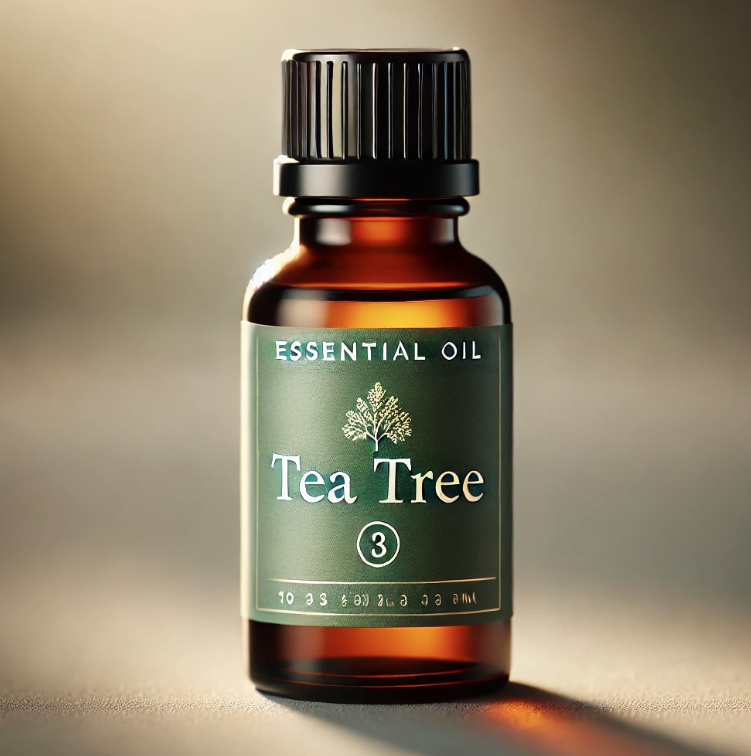
Yes, Tea Tree Essential Oil Can Be Safely Used for Dogs
Here’s What You Really Need to Know
Ask around about tea tree essential oil and dogs, and you’ll get plenty of opinions—some informed, some fear-based. It’s one of the most misunderstood oils in the pet wellness world… but it’s also one of the most useful when used correctly.
As a certified essential oil educator, I’ve studied this topic extensively—and I’ve used tea tree oil (Melaleuca alternifolia) safely with my own dogs and clients for years.
So let’s take a grounded, informed look at how tea tree oil works, why it gets a bad reputation, and how to use it safely and effectively for your dog.
Why Tea Tree Oil Is So Controversial
Tea tree essential oil is known for its powerful antiseptic, antifungal, and cleansing properties. It's rich in terpenes—especially terpinen-4-ol—which gives it strong antimicrobial action.
But here's the problem: tea tree oil is one of the most adulterated oils on the market. That means many bottles contain synthetic additives, chemical extenders, or low-quality distillates—none of which belong anywhere near your dog.
If you're not 100% confident in the purity and sourcing of your oil, don't use it. Especially not on or around your dog.
Many of the horror stories circulating online stem from:
Adulterated oils with unknown ingredients
Undiluted or inappropriate use
Prolonged overexposure
Lack of guidance from a qualified practitioner
Mixing with other chemicals, medications, or topicals
When you remove those variables, the story changes.
Yes—Tea Tree Essential Oil Can Be Used Safely With Dogs
Let’s be clear:
This is not an oil I recommend using casually, daily, or “just to make the room smell good.” But in the right situations, tea tree oil is incredibly effective for dogs.
✔️ Conditions I’ve Successfully Used Tea Tree Oil For:
Sinus and upper respiratory concerns
Oral health and gum infections
Fungal skin infections (like yeast overgrowth)
Insect bites and minor wounds
Hot spots or paw licking with underlying microbial imbalance
It’s about purposeful, educated use—not guessing or experimenting.
I only recommend Melaleuca alternifolia—and only from brands that verify purity, sourcing, and composition. If you don’t know what’s in your bottle, leave it on the shelf.
Tea Tree Safety: What Actually Matters
It’s not just what you use—it’s how you use it.
Here’s what determines whether tea tree oil will be safe or risky:
🔍 Key Safety Factors:
Dilution ratio – Dogs are sensitive. Always dilute properly.
Application method – Topical, diffused, or in blends? They each require care.
Duration of use – Short-term, targeted use is safest.
Overall exposure – Is it part of a blend or a one-off spot treatment?
Your dog’s health – Liver or skin issues? Adjust accordingly.
Product purity – No compromises. No synthetic fragrance oils. No guessing.
You may hear people say, “Tea tree oil thins the blood.” While that may be true in extremely high doses, using a diluted, therapeutic-grade oil in small amounts doesn’t pose the same risk. It’s all about context.
Let’s Debunk the Myths
Here are a few of the most common fears I hear from pet parents:
❌ “Tea tree is toxic to dogs.”
⚠️ Not quite. Adulterated, undiluted, or improperly used tea tree oil can be harmful—just like any strong botanical. But quality, dosage, and method change everything. That’s where toxicity becomes a real talking point.
❌ “I heard it causes liver failure or seizures.”
Most reported cases of toxicity involve massive amounts applied undiluted or ingested—not the responsible, diluted use I teach. In fact, I highly recommend Frankincense for dogs with Seizures and we use several oils for gentle detox and liver care!
❌ “You should never diffuse tea tree oil with dogs in the room.”
In small amounts, with good ventilation and choice to leave the space, most dogs tolerate diffusion just fine. But diffusing should always be purposeful and monitored.
Wintergreen and Other Oils in the Same Conversation
Tea tree often gets lumped in with oils like Wintergreen due to concerns over salicylates. Again, the issue is misuse and overexposure, not the oil itself.
Wintergreen, like tea tree, has its place when used:
For pain and inflammation
In short durations
As part of a larger support plan (like Raindrop or joint care)
We don’t avoid these oils—we respect them and learn to use the properly.
What Oils Are Toxic to Dogs:
That not generally how I pose the question at all. But dog moms dog because that’s what FB said . Visit my article: What Oils Should I Avoid With Dogs — for my take and why.
Then consider my membership where you get full access to my Remedies Class, including Essential Oils, herbs, homeopathy, and first aid.
My Personal Take
I don't use tea tree oil every day. I don't recommend it for every dog.
But I absolutely believe there’s a place for it in animal wellness—especially when dealing with stubborn skin issues, infections, or microbial imbalance.
I’ve used it countless times with zero adverse effects—and so have many trusted holistic vets and practitioners I work alongside.
The key is education, not fear.
Bottom Line: Be Informed. Be Intentional.
Essential oils should never be used out of habit or hype.
They should be used:
With a clear purpose
From trusted sources
In appropriate dilutions
With support from someone who knows your dog
If you're not sure what’s right for your pet—you don’t have to guess. That’s what I’m here for.
🐾 Want to Learn More?
Curious about diffusion safety and room-size exposure?
Want to learn which oils are right for your dog’s condition?
Need help reading between the lines of ingredient labels?
Join my online class to get all of your questions answered and learn the right information about safe essential oils for dogs.
When DIY Isn't Enough Already tried the basics? If this is happening with your dog and you're still stuck, I can help you figure out what deserves attention next.
Request a Discovery Callback →