

Introducing Essential Oils to Dogs the Right Way: How Scent Imprinting Shapes Emotional Responses
Your dog's nose knows a lot of things and will be very sensitive to smells. That's why it often doesn't take much -- especially if we're working on emotional issues.
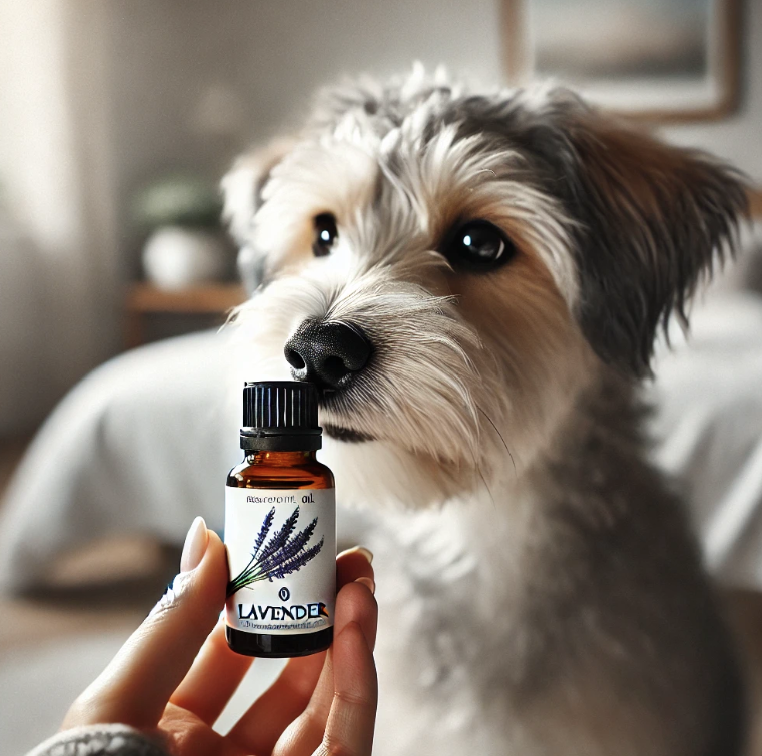
Imprinting Essential Oils With Dogs — let them sniff the cap or the bottle with the cap slightly open. Their noses are powerful.
Imprinting and Emotional Association
Dogs build associations with scent faster than humans. Each new smell can trigger memories of calm or chaos — the difference lies in how you introduce it. When you first bring essential oils into your home, your goal is to create a calm, positive imprint so your dog associates that scent with peace, safety, and relaxation — not stress or fear.
This gentle introduction process is especially powerful for overcoming fear of car rides, vet visits, grooming appointments, or thunder.
Step 1: Start With Diffusion
The easiest way to begin is aromatic introduction through a diffuser. Because dogs have an incredibly sensitive sense of smell, start slow — one drop of oil in a well-ventilated room. If your dog leaves the space or appears uneasy, that oil might not be ideal for them.
Best first oils for dogs:
Lavender (Lavandula angustifolia)
Copaiba (Copaifera reticulata)
Frankincense (Boswellia carterii)
These are gentle, grounding oils that help both you and your dog relax.
Step 2: Gentle “Sniff and Smell” Sessions
Sit on the floor or couch in a calm environment. Uncap the bottle and allow the scent to waft naturally. Don’t force your dog to smell it — let them approach out of curiosity.
Avoid introducing “hot” oils (like Cinnamon or Clove) early on. Begin with calming, resinous, or floral oils. Over time, as your dog builds comfort and positive memory associations, you can introduce more complex blends.
Step 3: Topical Petting with Carrier Oil
Once your dog has accepted a scent, you can begin petting with diluted oils.
Rub one drop between your palms, apply lightly to your own arms or neck first, and then gently pet your dog — focusing on the neck, shoulders, and back.
Avoid: eyes, nose, paw pads, and genital areas.
Remember, their fur acts as a wick — you don’t need direct skin contact for benefits.
Why Calm State Matters
If your dog experiences an oil during a panic moment (thunderstorm, fireworks, pain, or vet visit), that scent may become associated with fear. Always imprint oils during a relaxed, positive moment. This builds a powerful emotional anchor — much like how lavender makes many of us feel instantly at ease.
Final Thoughts
Dogs respond beautifully to essential oils when introduced properly. Slow, gentle scent imprinting allows you to tap into their emotional intelligence and strengthen your bond through natural aromatherapy.
Start small. Be patient. Observe their cues. Before long, your dog may recognize that peaceful aroma as their “safe space.”
"Statements in this blog have not been evaluated by the FDA. Educational content only. Not intended to diagnose, treat, cure, or prevent any disease."
Want even more resources, Q&A, and discussions on nutrition and essential oils for dogs? Join my community forum — free and subscription content available at members.welloiledk9.com.