

How To Add Fresh Vegetables To Your Dog's Food
Why Adding Vegetables to Your Dog’s Diet is a Smart, Simple Upgrade
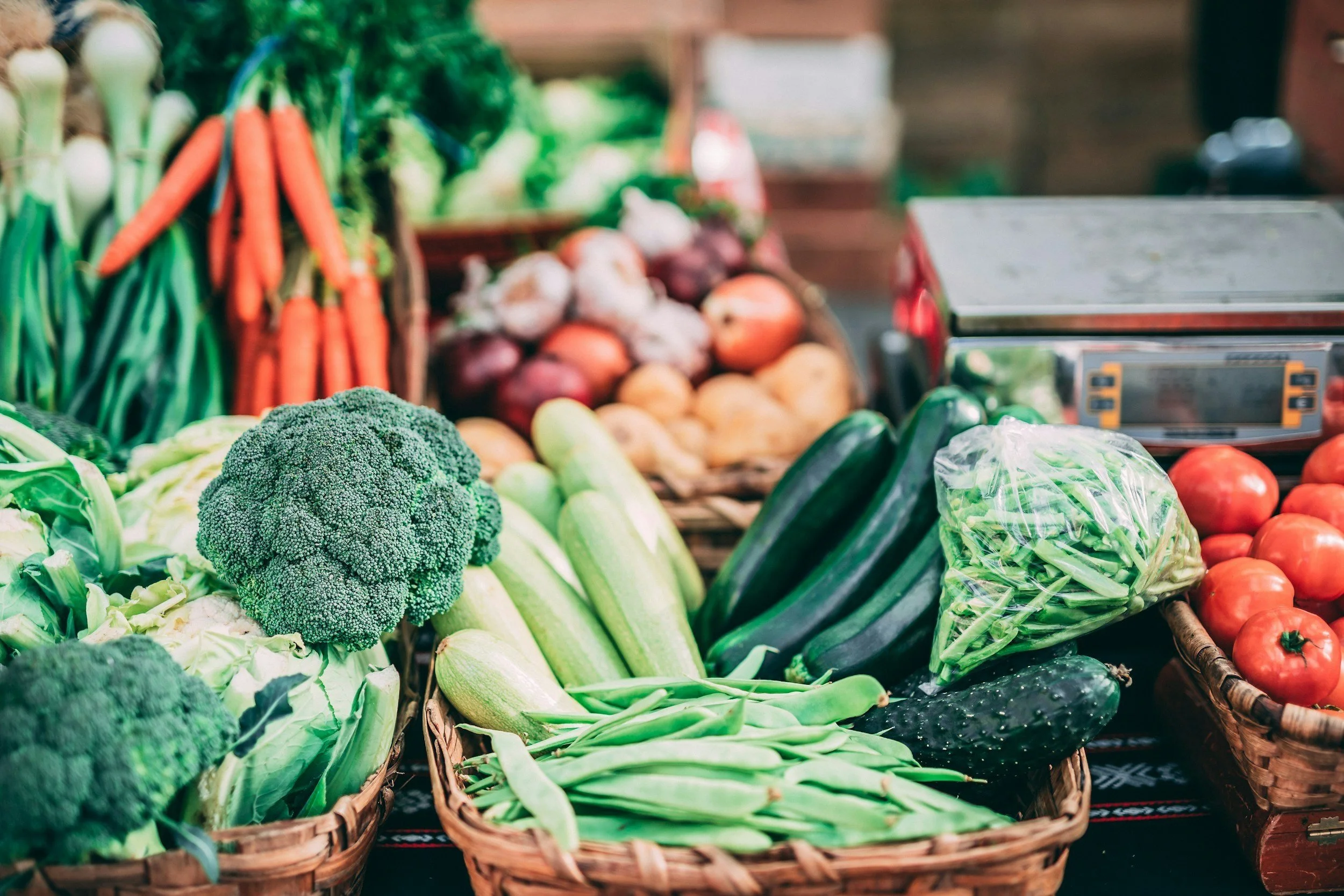
If you're feeding kibble—or even a fresh food diet—you can make a powerful upgrade with just one step: add fresh vegetables.
Yes, really. Adding fresh leafy greens, seasonal squashes, cruciferous vegetables, and other low-glycemic veggies can reduce the risk of chronic disease in dogs by up to 70%. In fact, vegetables can safely make up to 20% of your dog’s food by volume.
Whether you’re using raw, lightly cooked, or blended veggie blends, whole food plants bring a nutritional boost that kibble can’t match.
I would choose to add vegetables first — before I add protein to kibble-based diets.
Benefits of Vegetables for Dogs
Including fresh vegetables in your dog’s diet offers:
Whole-food vitamins including B-complex, C, E, K, and beta carotene
Essential minerals that are often missing in commercial foods
Reduced inflammation through phytonutrients and antioxidants
DNA protection and cellular health support
Immune system strengthening by modulating immune response
Prebiotic fibers to promote a healthy gut and microbiome
Cancer-fighting compounds like sulforaphane that may reduce tumor growth
Support for detoxification, helping bind and eliminate toxins
Important Preparation Tips
Dogs can’t digest raw vegetables the way we do. That means a whole baby carrot might come out the same way it went in—fiber intact, but nutrients unabsorbed. Here’s how to prepare vegetables so your dog can actually benefit from them:
Chop vegetables finely and let them sit for 40 minutes before cooking (especially cruciferous ones like broccoli, kale, cabbage). This waiting period allows sulforaphane, a potent anti-cancer compound, to activate.
Lightly steam or blanch to make nutrients more bioavailable. Avoid boiling or overcooking, which destroys nutrients.
Add healthy fats like omega-3 oil, fractionated coconut oil, or grass-fed butter. This helps with nutrient absorption, especially fat-soluble vitamins.
Pro Tip: Frozen cruciferous vegetables are often pre-blanched, which inactivates the enzymes needed to produce sulforaphane. Fresh is better for therapeutic value.
Best Vegetables to Add to Your Dog’s Diet
Cruciferous vegetables (use 2–3x weekly, rotate and take breaks):
Broccoli
Kale
Broccoli sprouts
Collards
Cabbage (including purple)
Cauliflower
Broccoli raab
Other dog-friendly vegetables (use in rotation, small amounts as tolerated):
Zucchini and other squashes
Green beans
Pumpkin
Mushrooms (culinary, not wild)
Carrots
Sweet potato
Red bell peppers
Radish
Brussels sprouts
Cucumbers
Vegetables to Use Sparingly or Avoid
Peas: High in carbohydrates with limited nutritional offset. Commonly overused in kibble, especially as a protein substitute.
White potatoes: A nightshade that can contribute to inflammation, digestive upset, and immune system aggravation.
Corn and soy: Heavily sprayed with pesticides, genetically modified, and often difficult to digest for dogs with gut issues.
What About Fruit?
Fruits are rich in antioxidants but higher in sugar. Great for an occasional treat, but don’t overdo it. Share your blueberries, watermelon, or apple slices in moderation.
Top 5 Things to Do Today
Add finely chopped leafy greens to one of your dog’s meals
Rotate cruciferous veggies into the weekly menu
Steam or blanch fresh produce instead of serving raw
Mix in a healthy fat to boost nutrient absorption
Skip peas and potatoes as staple ingredients—especially if you’re feeding kibble
Rotation and Moderation is always important. Feed Colorful Fruits and Vegetables.