Say No To Free Feeding
Why Free Feeding Your Dog Is Not a Wise Idea
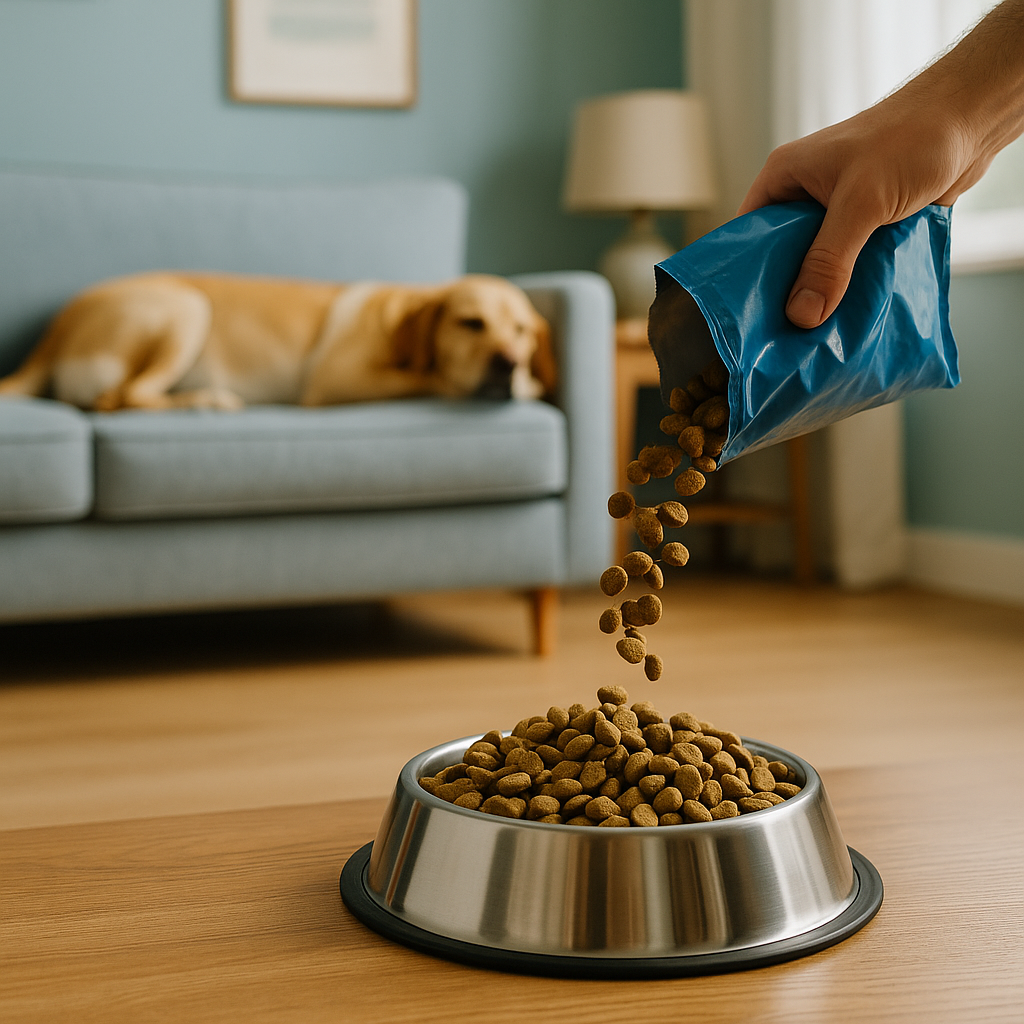
Letting your dog “graze” on food throughout the day might seem convenient—or even kind. After all, many of us were taught that leaving food down shows love. But when it comes to supporting your dog’s health, digestion, and behavior… free feeding is more often a recipe for imbalance.
As a canine nutritionist and wellness coach, I’ve seen firsthand how this habit contributes to obesity, anxiety, finicky eating, and even behavioral issues. And when we shift away from free feeding - the improvements are often remarkable.
Let’s explore why it matters and what to do instead.
What Is Free Feeding?
Free feeding means food is available all day (or for extended periods), often refilled when it looks low. Your dog is in charge of when—and how often—they eat.
This approach may work for some cats. But for dogs? Not ideal.
How Free Feeding Disrupts Your Dog’s Health
From a metabolic and physiological standpoint, free feeding works against your dog’s natural design.
The Digestive System Needs Rest
Dogs are meant to experience fasting between meals. When food is available all day, the pancreas never gets a break. This constant trickle of calories keeps insulin production active, can wear out digestive enzymes, and contributes to gut inflammation over time.Gut Repair Happens Between Meals
Just like in humans, dogs need time between meals for “housekeeping” processes like cellular cleanup, gut lining repair, and detoxification. Constant grazing stalls these essential functions.Increases Risk of Weight Gain and Metabolic Dysfunction
Even small amounts of extra food, eaten without hunger, add up. Many free-fed dogs carry extra weight—even if their owners are convinced “they don’t eat that much.”Contributes to Chronic GI Symptoms
A digestive tract that never rests is more prone to gas, loose stools, bloat, or food intolerance. Meal timing can be just as important as ingredients.Disrupts Hormone Regulation
Ghrelin, leptin, insulin, and cortisol—the hormones that regulate appetite, energy, and fat storage—depend on meal timing. Free feeding dysregulates this entire system.Promotes Obesity and Overeating
Without portion control or a defined feeding window, it’s easy to overeat—especially for dogs with low activity levels or boredom-driven appetites.Increases Risk of Bloat
Especially in large, deep-chested breeds, unstructured eating combined with random play or stress can elevate the risk of life-threatening bloat (gastric torsion).Complicates Health Monitoring
If you don't know exactly how much or when your dog ate, it becomes harder to catch early signs of illness, inappetence, or stress.Creates Picky Eating Habits
When food is always available, there's no motivation to eat at mealtime. This often leads to disinterest in meals, manipulation behaviors, and appetite fluctuations.Encourages Food Guarding or Anxiety
In multi-dog households, free feeding can lead to resource guarding or silent battles for food that you might not even see.Interferes With Training and Supplementation
You lose the opportunity to use food as a motivator or deliver targeted nutrition (such as enzymes, probiotics, or herbs) at set times.
What to Do Instead: Meal-Based Feeding
Switch to measured, timed meals that are:
Served twice per day (or 3x for puppies/seniors)
Removed after 15–20 minutes if uneaten
Tailored to your dog’s weight, activity, and health goals
This structure allows for:
Better nutrient absorption
Predictable potty schedules
More accurate health monitoring
Stronger metabolism and immune rhythm
Top 5 Things to Do Instead of Free Feeding
Serve meals at consistent times each day
Remove uneaten food after 20 minutes
Add fresh foods to improve mealtime interest
Use mealtime to give targeted supplements or remedies
Monitor weight and energy for better health tracking
How Natural Wellness Supports Meal Success
If your dog is used to grazing or struggles to eat structured meals, consider:
Digestive bitters or essential oils to boost appetite (safe oils include ginger, peppermint, and cardamom—ask for support)
Herbal blends to support liver and bile flow
Minerals or fulvic acids to improve cellular hydration and digestive enzyme function
Homeopathic remedies for appetite imbalances or anxiety around food
These gentle supports can help the body remember how to self-regulate.
Meal structure does more than manage calories—it honors your dog’s physiology and natural rhythms. If you’ve been free feeding out of convenience or habit, that’s okay… we all start somewhere. But if your dog is overweight, gassy, picky, anxious, or dealing with gut issues, it is time for a change.
As always, we go deeper in my member forum with full guides and step-by-step support for picky eaters, GI disorders, and behavior-based food battles.
How Free Feeding May Affect Behavior
Yes, I mentioned behavior too — read more here
Want to go deeper with support for your dog through all life stages?
Join the client forum for ongoing support and resources!
Member Forum: https://members.welloiledk9.com
Downloads: https://welloiledk9.com/download
Visit My Affiliate Links for curated quality products mentioned above!
https://welloiledk9.com/affiliate-links
Statements in this blog have not been evaluated by the FDA. Educational content only. Not intended to diagnose, treat, cure, or prevent any disease. Please do your own additional research, consult your vet as needed.
© 2025 Dana Brigman | Well Oiled K9 | All rights reserved.
When DIY Isn't Enough Already tried the basics? If this is happening with your dog and you're still stuck, I can help you figure out what deserves attention next. Want reliable education, live Q&A, and member resources? Explore Membership →
Request a Discovery Callback →