Switching To A Fresh Dog Food Diet
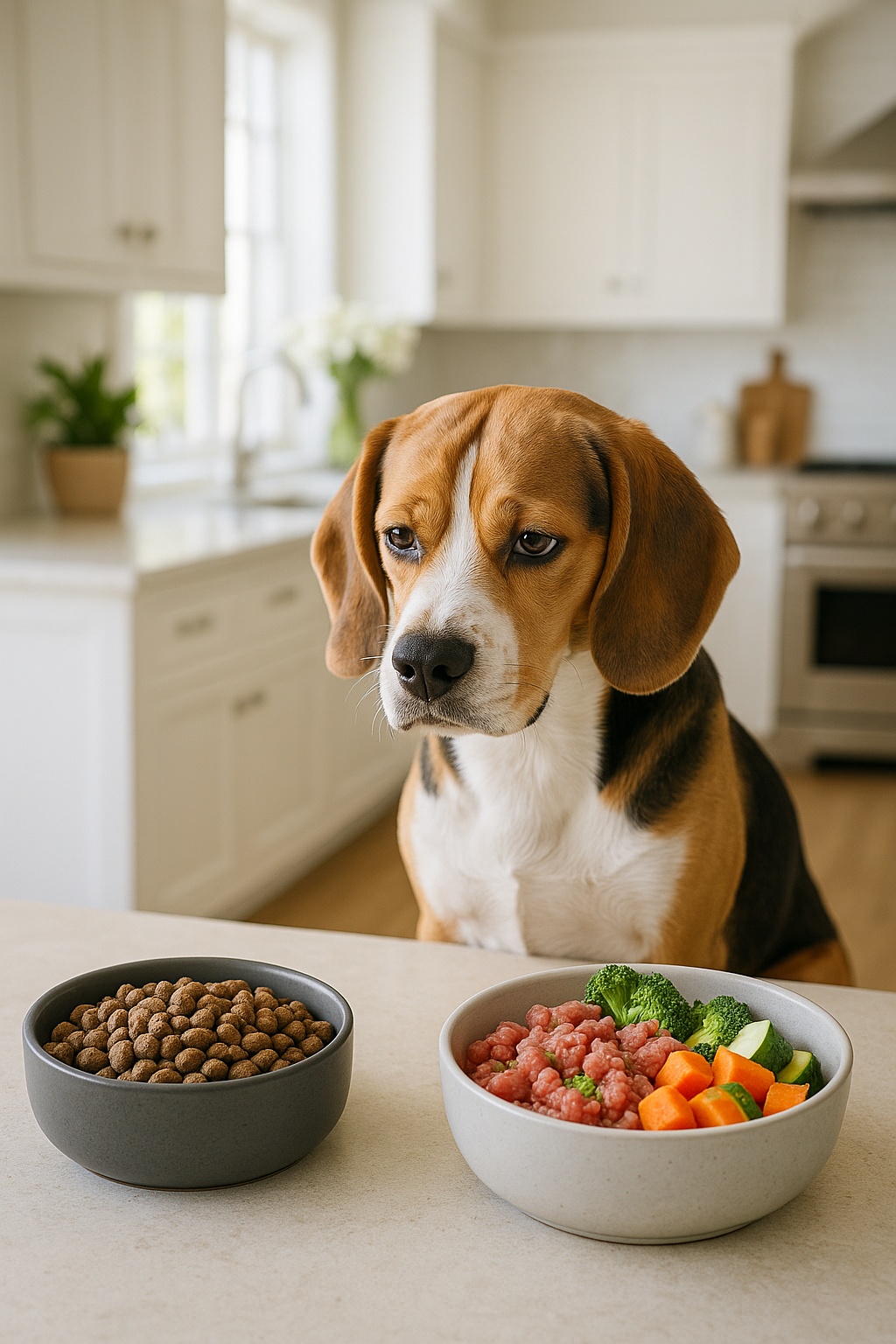
When you begin the transition between dry dog food (kibble) and adding in nutrient rich raw or lightly cooked dog food, your dog is going to detox quite a bit.
Depending on your dog’s age, exposure to environmental factors, frequency of vaccines, medical history & past medications, etc the duration, intensity, and method of detox may vary.
This is why we generally work to transition slowly — and to have your consultant (me) accessible. Detox could be more poop, loose stools, shedding, even some skin changes. This often causes people to panic and assume there’s an allergy. That’s usually not the case.
We have to be aware that what’s been going in, stored in the fat cells, and what the waste management system has been holding on to needs to leave the body in some way. It’s ok! It’s normal.
Switching to Raw Dog Food - Fasting
You may even find that your dog doesn’t eat all of his meals. He may skip a meal or two (self-fasting). Some of you will panic at this and automatically want to start feeding kibble again, and dressing up the new food with other options. We have to understand that when the body moves into these transitional phases, it may be detoxifying. That may mean your dog’s belly doesn’t feel good for a day or two. But it will adjust, and we can support it with supplements. Skipping a meal or two is no uncommon. Fasting is completely normal for dogs and he won’t become unwell, even if he misses a day or two. Healthy dogs will no starve themselves. They will adjust to eating what’s presented to them when they get hungry.
If your dog is unwell before we begin the transition, we will discuss a specific strategy if this occurs.
If your dog turns their nose up at healthy food—don’t worry, you’re not alone. Many dogs who’ve been raised on processed kibble or canned food can become what I lovingly call junk food junkies — used to artificial flavors, additives, and the convenience of dry crunch.
And let’s be honest—when you’re trying to change your own diet, it’s not always easy either, right? So let’s give our dogs a little grace, and support them through the transition to real, whole food that nourishes their body.
Here are a few practical ways to ease the switch and get your pup excited about fresh food again.
For many dogs, a sudden switch can be overwhelming—not just to their palate, but to their gut. That’s why we recommend a gradual transition.
You can start by placing a small dollop of the new food alongside your dog’s current meal. Then follow this general guideline:
3 days: ¼ new food, ¾ old food
3 days: ½ and ½
3 days: ¾ new food, ¼ old food
Day 10: 100% fresh food
Some dogs need more time—especially if they have sensitive digestion or long-term health concerns. It’s okay to stretch this out to 3–4 weeks if needed.
Don’t Feed Cold Meals
Most dogs—especially those with weak digestion or picky appetites—do better with meals that are warm, not cold from the fridge. Slightly warming raw or gently cooked food (using warm water or bone broth) can help release aromas and make meals more appealing.
Just a reminder: Add supplements after you warm the food to avoid damaging beneficial probiotics, enzymes, or herbs.
If your dog is skeptical of the new food, you might want to serve supplements separately at first—maybe in a bite of something they love—just so you’re not wasting them.
Flavor Boosters That Work
Dogs who are hesitant about fresh food often need a little encouragement. Try:
Warming liquids: Add low-sodium meat stock, bone broth, or warm water to enhance aroma and texture
Variety in texture: Some dogs like chunky, others prefer minced or finely ground
Natural flavor sprinkles: Lightly sprinkle herbs like parsley or basil, or use a favorite meal topper for scent appeal
Hold off on stronger herbs like garlic or ginger until your dog is consistently eating the new meals—they can be intense and off-putting at first.
Is It Picky Eating—Or Just Detox?
Sometimes when dogs resist a new diet, it’s because their body is adjusting. Think of it like withdrawal from processed food. That can look like:
Mild digestive changes (looser stools, gurgly belly)
Changes in energy or behavior
Refusing food in protest
This is temporary. And no, a healthy dog will not starve themselves. They might act like they’re being deprived of their favorite snacks—but it’s a mind game, not a medical emergency. Stay the course.
That said—if your dog is already unwell and stops eating completely, that’s worth a conversation. Let’s get you some help right away.
Support Digestion During Transition
Even if your dog is a heart eater — sometimes food transitions cause digestive upset. That usually happens when switching between kibble brands or coming off kibble to fresh).
We suggest: One of the most powerful versions? S. boulardii, a probiotic yeast that’s especially helpful when diarrhea or GI upset shows up during a diet shift.
You can find S. boulardii supplements from companies like AnimalBiome and 4 Leaf Rover—check my Affiliate Page for curated product links.
A brand-new study published in May 2025 revealed something fascinating:
Nutritional yeast—aka Saccharomyces cerevisiae—can help protect the gut during food transitions.
Researchers found it helps:
Support the immune system
Reduce fecal odor
Improve stool consistency
Promote a balanced microbiome
Ease transition from processed to real food
General (inactive) nutritional yeast guidelines (always start slow and adjust):
Small dogs (under 20 lbs): ¼ tsp/day
Medium dogs (20–50 lbs): ½ tsp/day
Large dogs (50+ lbs): up to 1 tsp/day
Always follow labeled instructions or speak with your wellness coach for guidance on the right amount for your dog’s size and condition.
Be Patient and Stay the Course
It’s easy to get discouraged when your dog turns up their nose at fresh food. But remember—this is about more than taste. You’re rewiring their gut, rebalancing their body, and giving them the gift of long-term health.
If your dog has specific health concerns, needs a custom nutrition plan, or still refuses to eat despite your efforts—that’s where I come in. Let’s work together to troubleshoot the deeper issues and create a plan that supports your dog from the inside out.
Top 5 Things to Do Today
Begin the transition with a ¼ blend of new food
Use warm bone broth or stock to increase appeal
Try different textures like ground vs. chunky
Keep supplements separate at first to avoid waste
Add nutritional yeast for gut support (with guidance)
Want to go deeper with support for your dog through all life stages?
Join the client forum for ongoing support and resources!
Member Forum: https://members.welloiledk9.com
"Statements in this blog have not been evaluated by the FDA. Educational content only. Not intended to diagnose, treat, cure, or prevent any disease. Please do your own additional research, consult your vet as needed."
Visit My Affiliate Links for curated quality products mentioned above! https://welloiledk9.com/affiliate-links
© 2025 Dana Brigman | Well Oiled K9 | All rights reserved.
#transitions
Dana Brigman is a Raw Dog Food Specialist in North Myrtle Beach SC & Certified Canine Nutritionist. If you’re seeking support for choosing the best raw dog food or lightly cooked foods for your pet — it’s worth a consultation!
When DIY Isn't Enough Already tried the basics? If this is happening with your dog and you're still stuck, I can help you figure out what deserves attention next. Want reliable education, live Q&A, and member resources? Explore Membership →
Request a Discovery Callback →