

Herbs for Dogs: A Practical Guide to Herbal Wellness
Herbs can offer meaningful support for digestion, mobility, skin health, immune balance, nervous-system regulation, and senior wellness. But herbs are not interchangeable, and “natural” does not automatically mean safe for every dog.
The right choice depends on the herb, the plant part, the preparation, the quality of the product, your dog’s medications, and what is actually causing the concern. A dog with itching, loose stool, restlessness, or elevated liver values may need a very different plan than another dog showing the same symptom.
The articles below will help you understand common herbs, basic safety, preparation types, product quality, and how herbal support may fit into a broader wellness plan.
Start with:
Safe Use of Herbs for Dogs
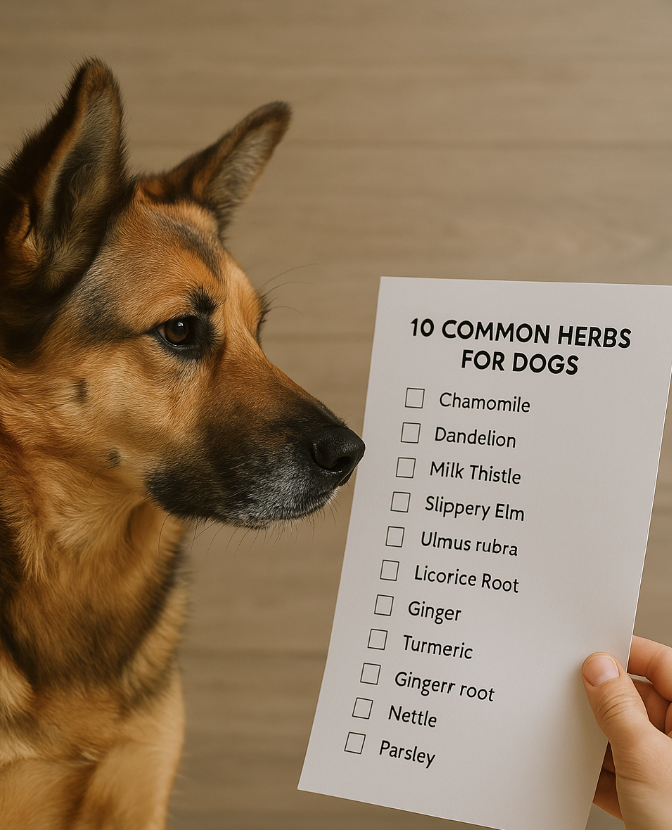
10 Common Herbs for Dogs
How to Add Herbs to Your Dog’s Bowl
Herbal Preparations
Herbs vs. Essential Oils
These public articles explain the foundations. Inside the Remedies Class, we go further into selecting the right herb, preparation methods, dosing, contraindications, combining remedies, and applying herbs to the individual dog.
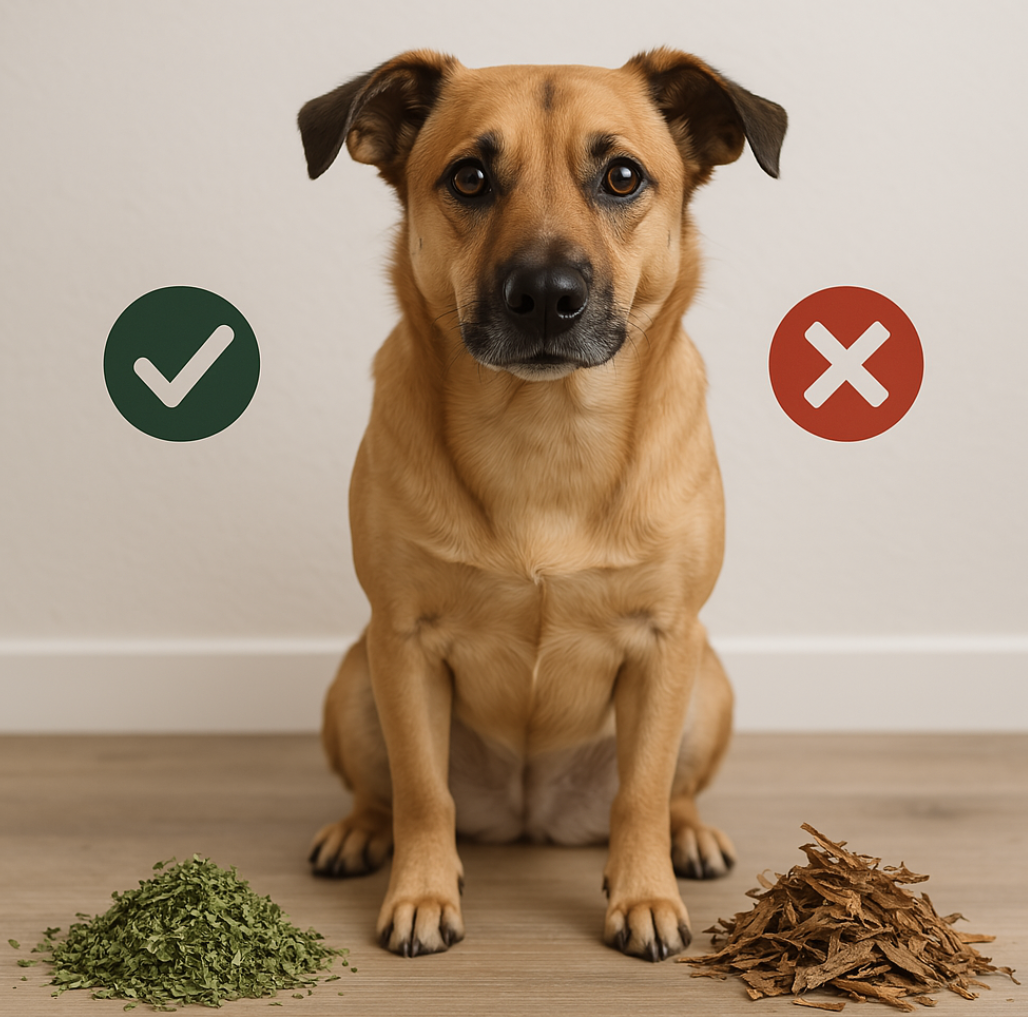

Herbs vs. Essential Oils for Dogs: What Is the Difference?
Herbs vs. Essential Oils for Dogs: How They Differ & How to Use Them Safely
Herbs for Senior Dogs: Thoughtful Support for Aging Bodies
Fresh Herb Supplements For Senior Dogs

Using Herbs, Essential Oils, and Other Holistic Modalities Together
Using Herbs and Essential Oils Together
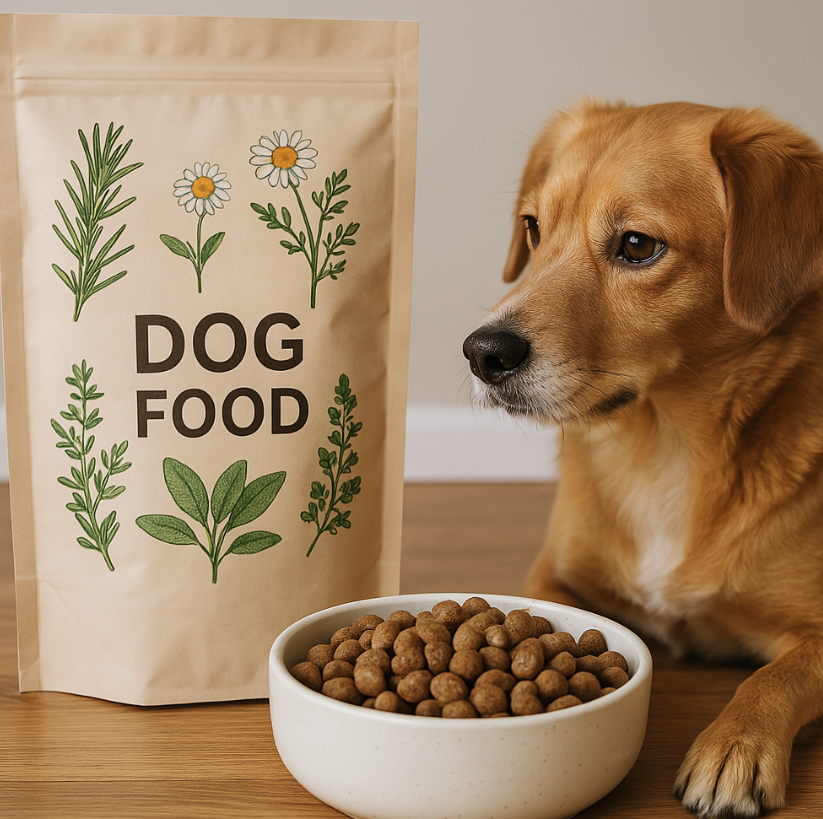
Herbs in Dog Kibble: Helpful Ingredients or Label Decoration?
Herbs in Dry Kibble — why are they there?
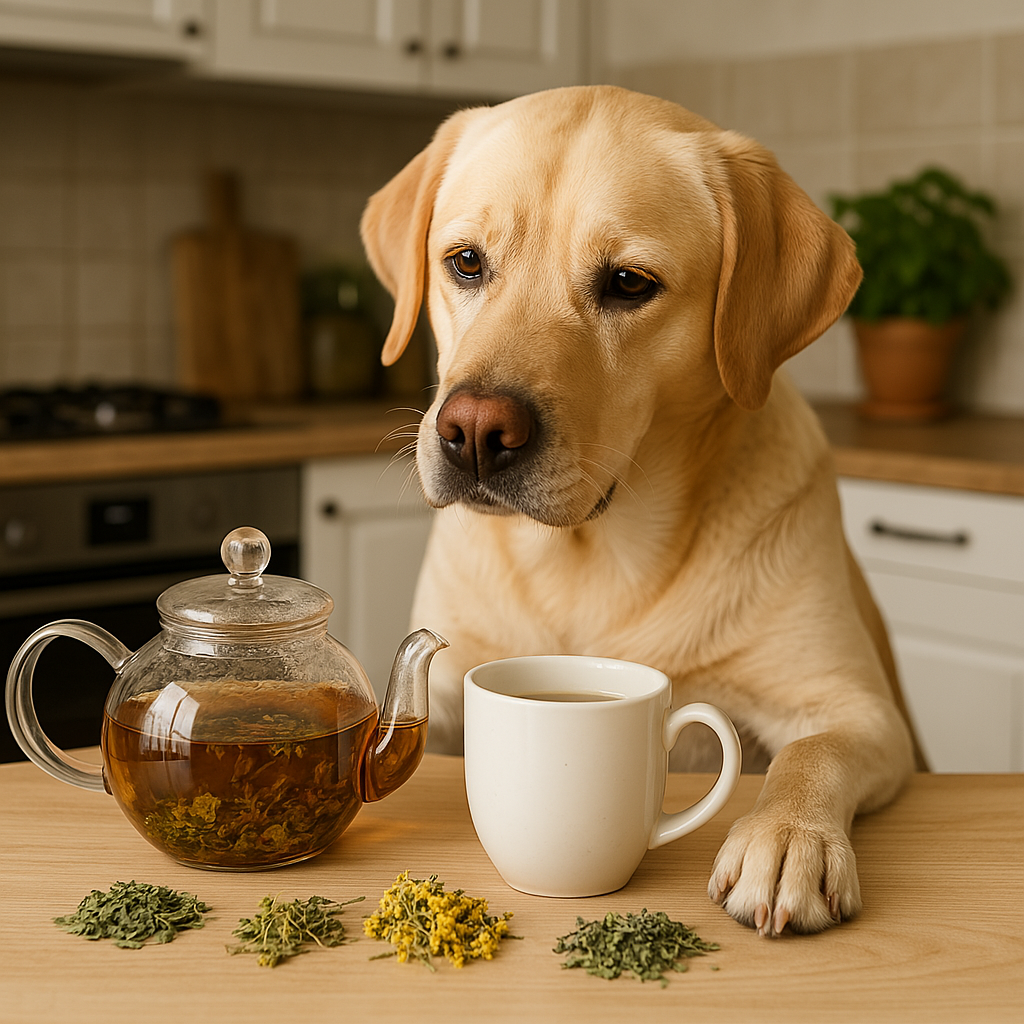
Herbal Preparations for Dogs: Teas, Powders, Tinctures, Glycerites, and More
Infusions, decoctions, glycerites, and powders for dogs