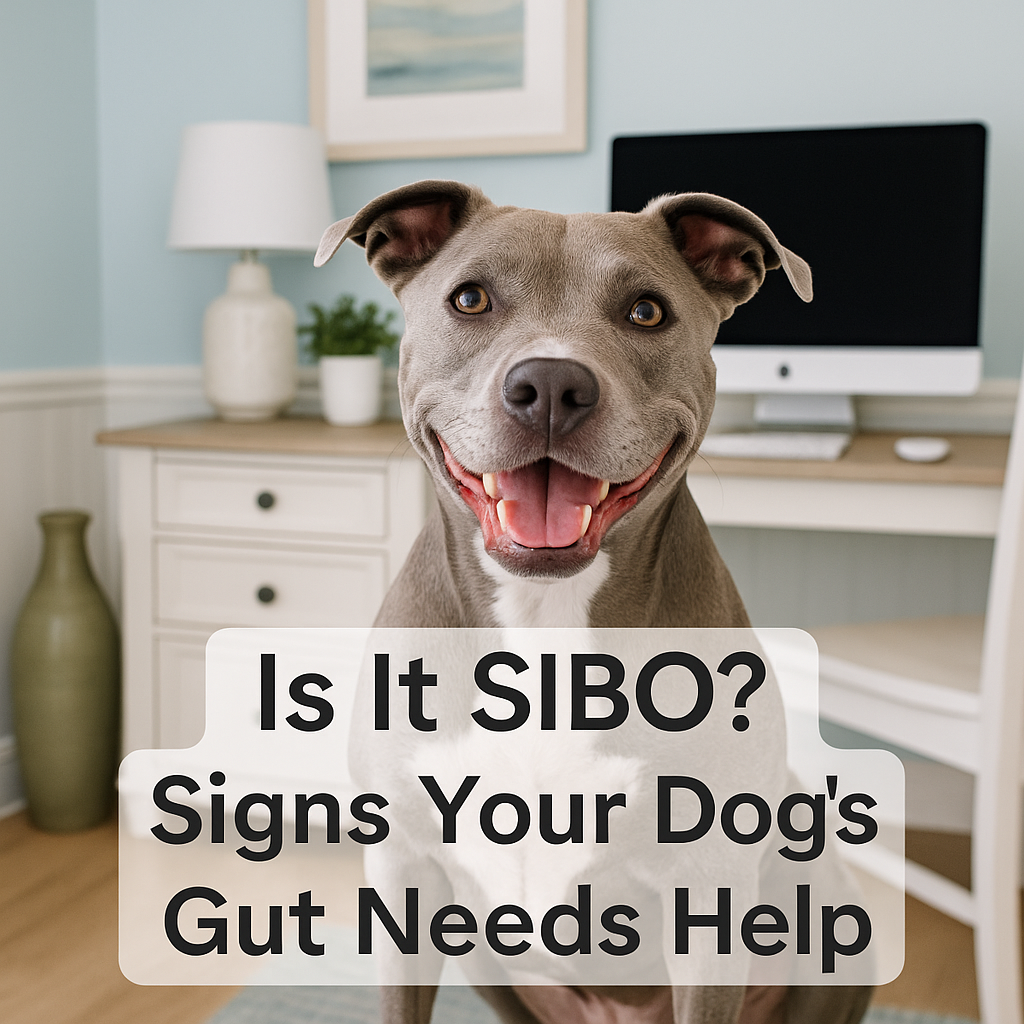
Is it SIBO
What is SIBO?
SIBO stands for Small Intestinal Bacterial Overgrowth—a condition where bacteria that are supposed to stay in the large intestine start populating the small intestine in excessive numbers. In dogs, this overgrowth disrupts digestion, damages the intestinal lining, and leads to chronic gastrointestinal issues, food sensitivities, and immune dysregulation.
SIBO is not a root cause—it’s a symptom of deeper imbalance, often tied to:
Gut motility issues
Pancreatic insufficiency
Low stomach acid
Chronic inflammation
Poor diet or overuse of medications (especially antibiotics, steroids)
Common Signs of SIBO in Dogs
SIBO can mimic many other digestive or allergy-related disorders, making it tricky to catch without the right lens.
Look for:
Chronic or intermittent diarrhea
Soft, “cow pie” stools
Gurgly tummy or frequent gas
Weight loss despite a good appetite
Poor coat quality or skin issues
Chronic itching or licking (often misdiagnosed as allergies)
Bad breath, burping, or regurgitation
Bloating or abdominal discomfort
Behavioral changes (irritability, anxiousness)
These symptoms overlap with EPI (Exocrine Pancreatic Insufficiency), IBS, and food intolerances, so a full health history and thorough evaluation are essential.
How is SIBO Diagnosed?
Traditional veterinary medicine may not always acknowledge SIBO directly unless it presents in extreme forms. However, there are a few tools that can help.
Folate and cobalamin (B12) blood levels – SIBO often leads to elevated folate and low B12.
Breed predisposition and symptom review – German Shepherds, for example, are particularly prone.
Response to dietary changes or herbal antimicrobials can be another indirect clue.
Breath tests like those used in humans aren’t commonly done in dogs, though some integrative vets may explore them.
Are SIBO and Leaky Gut the Same Thing?
Not quite—but they are closely linked.
SIBO is an overgrowth of bacteria in the small intestine.
Leaky gut (intestinal permeability) is when the gut lining is damaged, allowing toxins, pathogens, and partially digested food into the bloodstream.
Many dogs with SIBO will also have leaky gut. Why? Because the bacterial overgrowth damages the mucosal barrier, triggers immune responses, and disrupts tight junctions in the gut lining. It’s a vicious cycle—and one we must gently break.
What Causes SIBO in Dogs?
Root cause evaluation is essential in any healing plan. Common contributors include:
Chronic antibiotic use
Low stomach acid (hypochlorhydria)
Poor diet or high-carb kibble
Stress and nervous system dysregulation
Gut motility issues
Mold exposure or heavy metal toxicity
Structural gut damage post-parasites
Natural Support Strategies for SIBO Dogs
Avoid Fermentable Prebiotics
Dogs with SIBO should not receive prebiotics like FOS, inulin, or high-fermentable fibers (common in many probiotics and supplements). These can feed the bad bacteria.
Nutrition First
Switch to a fresh, whole food, low-carb, low-starch diet.
Avoid kibble, grains, peas, legumes, and potatoes.
Use gently cooked or raw diets rich in bioavailable protein and fat (if tolerated).
Incorporate cooling or neutral foods for dogs with heat signs (like lamb or duck).
Consider a TCVM-appropriate food therapy plan.
Herbal Antimicrobials
Use these to gently reduce bacterial overgrowth:
Berberine-containing herbs (Oregon grape, goldenseal)
Neem
Olive leaf
Chinese herbal formulas like “Harmony Digest” (ask in the forum for exact formulas)
Cycle these herbs—typically 2 weeks on, 1 week off, for 6–8 weeks. Always support liver and gut during antimicrobial use.
Essential Oils
Use topically or via diffuser—not internally for SIBO cases.
Suggested blends:
Digize (YL) – massage a drop along the belly after meals
Peppermint & Copaiba – soothing and anti-inflammatory
Immunity blend (like Thieves) – occasional immune support, applied to paw pads or spine
Homeopathy
Some useful remedies:
Lycopodium – gassy, bloated dogs with confidence issues
Nux Vomica – overindulgence, sensitivity, irritable digestion
Carbo Veg – bloating, gassy, weak dogs
Dose: 30C, 2–3 pellets, once or twice weekly depending on the remedy chosen.
Binders & Gut Healing
Activated charcoal or bentonite clay (use short-term for gassy/burpy dogs)
Slippery elm or marshmallow root for mucosal healing
Beam Minerals to replenish mineral depletion and support detox pathways
CellCore BioToxin
No Probiotics… at First
Avoid probiotics in the acute phase—especially multi-strain or prebiotic-laced options. Once overgrowth is resolved, you may gently reintroduce soil-based or spore-forming probiotics.
Ozone Therapy
Yes—ozone can be very helpful here.
Reduces inflammation
Resets the gut biome
Modulates immune response
It can be administered rectally at home with proper training or used in vet-administered treatments.
Visit Ozone Apothecary: https://ozoneapothecary.com/?bg_ref=wF1Jjf2uTv for done-for-you products.
Raindrop Technique
Raindrop is absolutely safe in dogs with SIBO and gut imbalance.
Benefits:
Reduces systemic inflammation
Supports lymph flow and liver detox
Provides gentle antimicrobial support
Calms the nervous system
Frequency: Weekly for 4–6 weeks during gut healing.
Top 5 Things to Do if You Suspect SIBO
Transition to a fresh, low-starch diet
Avoid prebiotics and commercial probiotics for now
Add gut-healing herbs and binders
Use homeopathy and essential oils for symptom relief
Book a personalized consult (or join the forum) for deeper root cause strategy
Dana’s Thoughts
If your dog’s gut feels like a never-ending mystery—cycling through “allergy” symptoms, soft stools, or food sensitivities—SIBO may be lurking in the background. It’s often missed in conventional medicine, and healing takes layers of support over time. Don’t try to do everything at once. Choose one or two foundational steps this week—and track the results.
You’re not alone in this. I’ve seen many dogs make full recoveries once we reset their gut terrain, address the root causes, and stop feeding the fire (literally and energetically). Join the forum if you want help designing a strategy that’s safe, realistic, and specific to your dog.
Statements in this blog have not been evaluated by the FDA. Educational content only. Not intended to diagnose, treat, cure, or prevent any disease.
Want even more resources, Q&A and discussions on nutrition? Reach out!
Visit My Affiliate Links for curated quality products mentioned above!
https://welloiled9.com/affiliate-links
© Dana Brigman | The WellOiled K9 | All Rights Reserved